
About Kingshot
It is a free-to-play mobile strategy game from Century Games, the studio behind Whiteout Survival, and it is built around the same shape of hook: login windows, long build timers, and an alliance that decides how much of the map you can reach.
What the loop actually is
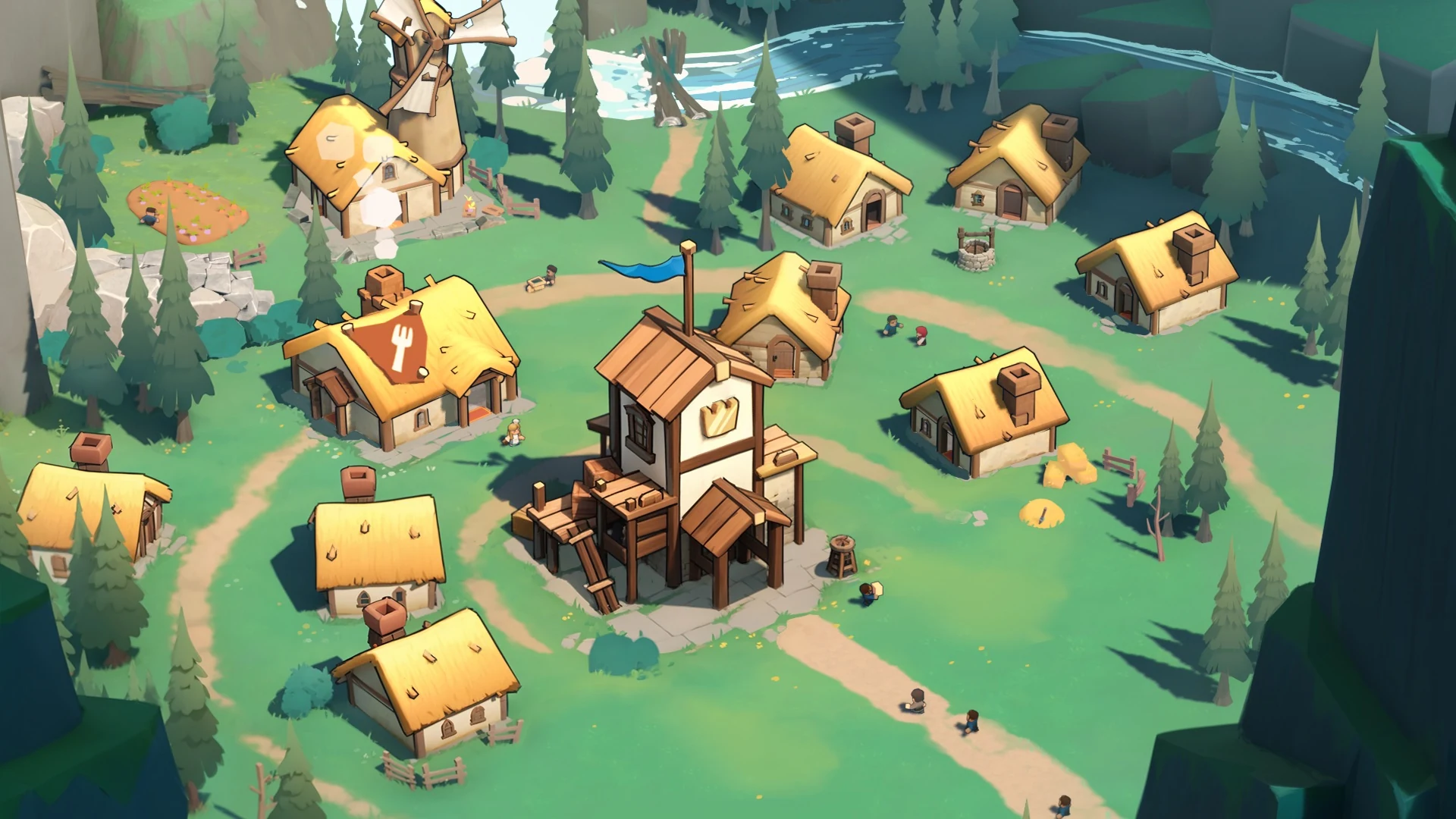
The setting is a dynasty that fell to a rebellion, and the pitch leans on survival language, but the systems underneath are city-building and squad combat. You develop a Town Center, rescue the civilians scattered by the collapse, give them food and shelter, and lay out the buildings your town needs to grow. As it grows you train soldiers to defend it, recruit heroes to clear out beasts and rebels, and gather the resources all of that runs on.
The loop is idle by design. Development runs on timers that keep ticking while you are doing something else, so the game is always holding out a queue of things to wait for, and the decision is which of them you care about first. New systems keep unlocking as your Town Center rises, and the timers stretch to match them.
Your survivors are a system, not scenery
The most interesting part of Kingshot is the population. Survivors take roles as workers, hunters and chefs, and each assignment feeds something specific in the town rather than being flavour text. You are asked to watch their health and happiness so they keep producing, and to respond to illness quickly so the person doing a job is actually able to do it. Laws are the third lever, written to keep the settlement functioning as it grows.
That makes the town a balancing act rather than a shopping list. Spending on defence means not spending on what keeps people fed and content, and a settlement that looks well defended can still stall because the people inside it are unhappy or sick. It is the closest the game gets to a genuine management problem.
Heroes and squads carry the fighting
Combat is where the heroes live. You recruit a roster of named characters with their own talents and skills, build them into squads, and send them against rebels, beasts and other players' forces. The roster is the long-term project: bringing together heroes whose talents cover each other is the difference between a march that works and one that comes home empty.
Troops are the body of an attack and heroes are the point of it, and the game keeps both pointed at the same goal: climbing the rankings against other governors. Power is the headline number that orders those rankings, and it is public, so where you sit in the kingdom is not something you get to keep to yourself.
Alliances, rallies and the kingdom war
Kingshot's real endgame is co-operative, and it is organised at a scale bigger than your own walls. You form or join an alliance, and the alliance is where resources get shared, plans get posted and members get organised. Attacks are a group affair too: one player opens a rally against a target and the others commit their own squads to the same fight, which is how the alliance hits something worth hitting.
Above the alliances sits the Kingdom of Power, a cross-kingdom competition that runs in phases, and the preparation phase is the part worth understanding before the rest. It is where governors earn points for their kingdom, and the developer's own update notes describe the top hundred and fifty governors by Power in each kingdom squaring off for preparation point boosts rather than for the throne itself. The throne is the prize at the end of the competition, claimed by beating other governors rather than by winning the preparation scoring, so treat the two as one story told in two parts. Once a governor holds it, the position is public and comes with visible standing in the kingdom.
The event calendar is where most of the moment-to-moment variety comes from. Kingshot's own update notes list events like Blizzard Brawl alongside seasonal calendars and Kingdom of Power changes, and each one adds temporary objectives for the alliance to organise around. The developer posts a monthly calendar, which is the sort of thing worth checking before you commit a week of timers to anything. It is a schedule to keep up with rather than a campaign to finish.
What free actually buys
Kingshot is free to download and monetised through in-app purchases. What purchases buy is speed: they shorten the timers and top up the resources those timers are waiting on.
That is the honest expectation, and it is milder than the word "paywall" suggests. Timers and competitive rankings create pressure to spend, so check the benefits in each offer before deciding whether the free progression pace suits you. Nothing here is a survival simulation either: the disease and unrest you are asked to manage are the town-management layer of a strategy game rather than a separate survival system. Treat the fallen-kingdom story as texture and the governor-versus-governor ladder as the game, and it reads exactly as it plays.
Should you play it
Yes, if you like alliance-driven mobile strategy and you are happy for a game to live in the background of your day. The survivor roles give your town more personality than the genre usually manages, and the hero-and-squad layer gives the fighting a real build to work on.
Skip it if you want to play alone, or if a timer you cannot skip is an instant no. The kingdom is the point, the rankings are the reward, and the queue is always there in the background, asking whether you would rather wait for it or reach for the shop.
Go deeper with V4mp
- Developer
- Century Games
- Genre
- Strategy
Explore Kingshot further
Explore the wiki for detailed reference pages on the game's world, systems, items and locations.