
About Kingdoms of Amalur: Re-Reckoning
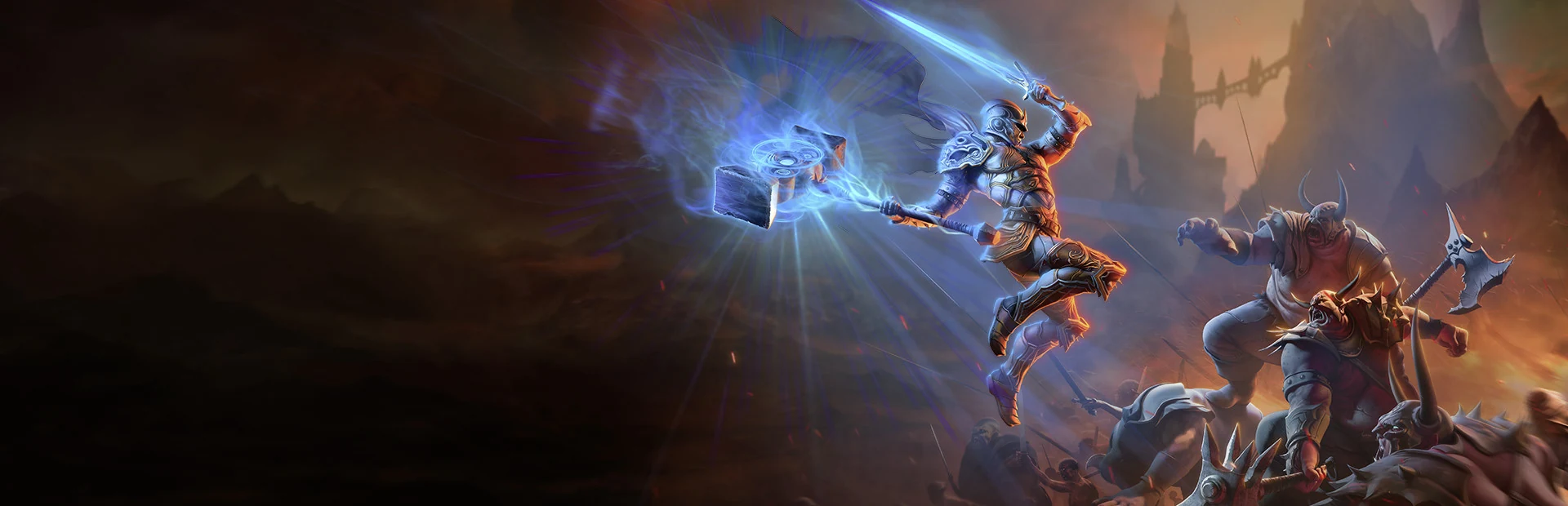
In Kingdoms of Amalur: Re-Reckoning, a resurrected hero called the Fateless One enters a world at war with the Tuatha. Explore the Faelands, pursue quests across regions such as Dalentarth, and build a combat style through the Might, Finesse and Sorcery trees. The Destiny system lets those investments reshape your character’s role as the story unfolds.
Kingdoms of Amalur: Re-Reckoning follows the Fateless One, a person brought back from death in a world where fate binds the lives of its inhabitants. Their return interrupts the expected course of events and places them in the middle of a war against the Tuatha, a faction threatening the Faelands. The journey moves through a broad fantasy setting, from the region of Dalentarth and the city of Rathir to dangerous caverns and other areas. The player takes up quests, meets characters caught in the conflict and fights across outdoor spaces and dungeons. The central premise gives the protagonist room to affect events because their existence does not fit the future that fate had set for everyone else.
Character development is built around three ability trees: Might, Finesse and Sorcery. As the Fateless One levels up, ability points can be invested in one tree or divided across them. The distribution determines which Destiny cards become available. Rather than selecting a fixed class at character creation, the player equips a Destiny whose bonuses reflect the chosen investment, and can change among unlocked cards outside combat. A mainly Might character, a Sorcery specialist and a hybrid therefore emerge from how points are spent, not from a permanent class lock. Fateweavers provide a way to reset skills and abilities for a fee, so a developing build can be reorganized when the player wants to pursue a different mix.
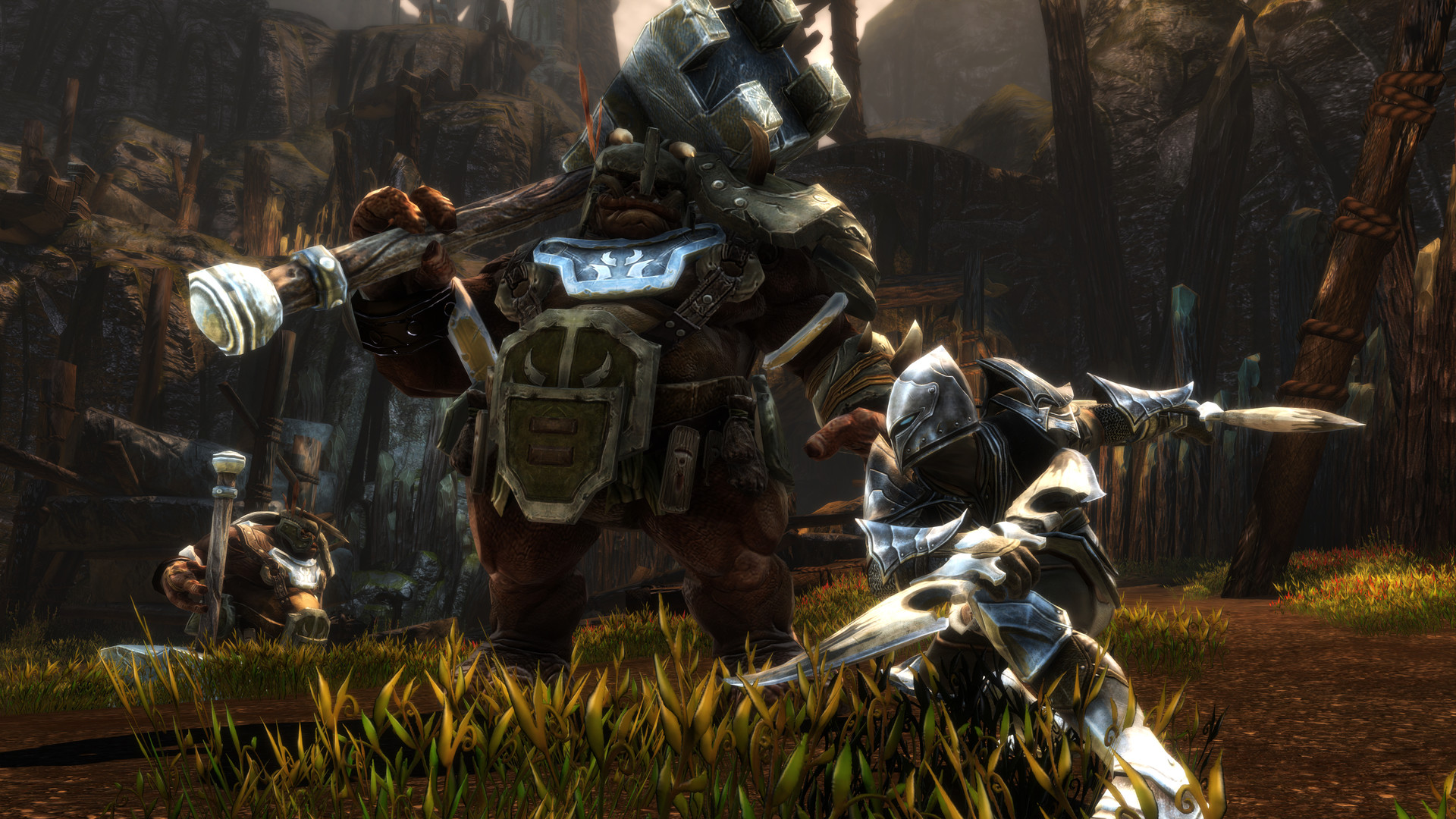
Combat is real-time and lets the player carry two weapon sets, shifting between them while mixing weapon attacks with active abilities. Weapons include swords, daggers, bows, hammers and chakrams, and the ability trees add moves that can support those choices. The game encourages varied attack strings rather than relying on one repeated action. As combat progresses, the Fate meter fills; when it is ready, Reckoning mode changes the tempo of a fight and lets the player exploit the temporary advantage. Finishing a weakened foe with a Fateshift attack can reward bonus experience. That makes the meter a tactical decision: use it to gain control over a difficult group or wait until an opening allows a more valuable finisher.
The Faelands’ organizations have their own quest lines alongside the Crystal War. The House of Ballads, House of Sorrows, Scholia Arcana, Travelers and Warsworn introduce different groups and concerns, so advancing the main story is only one way to become involved in Amalur. Faction quests sit beside local side quests and simpler, often repeatable Tasks in the journal. A player can follow one of those threads through conversations and encounters before returning to the broader conflict, with the journal tracking which objectives remain active. Twists of Fate provide persistent character bonuses associated with significant choices and accomplishments. They are separate from the Destiny card selected for a build, connecting events in the world to lasting changes in the Fateless One.
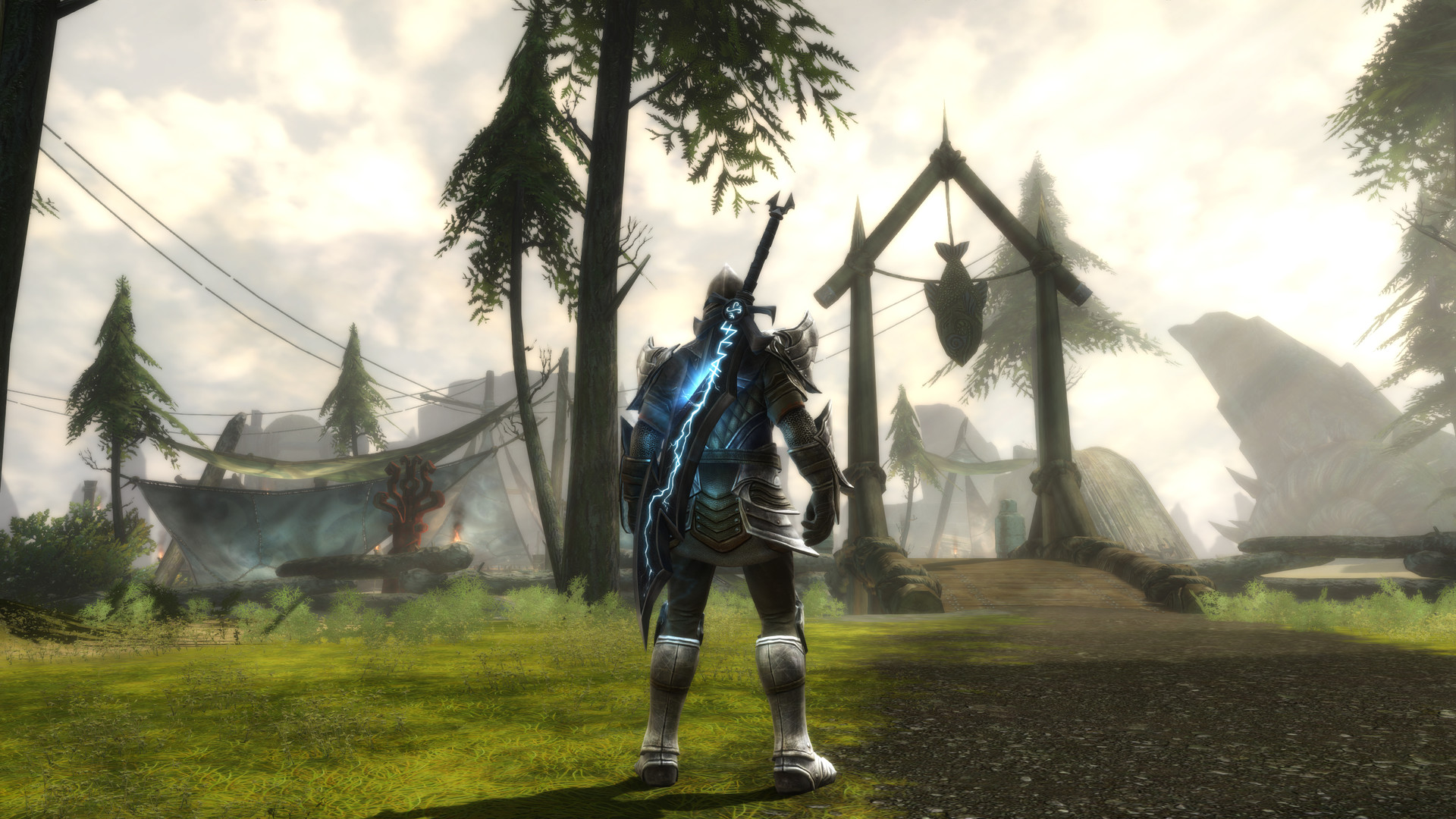
Exploration is organized around connected regions with their own settlements, wilderness and interior spaces. Rathir is a major city within the larger Faelands, while Dalentarth and locations such as Brigand Hall Caverns give the journey distinct settings to move through. The player can pursue the central conflict or take on side quests involving local characters and political disputes. Towns provide merchants and people to speak with, while roads and wild spaces lead to enemies, ruins and dungeons. This structure gives the Fateless One multiple reasons to travel across the map: a quest may move the story forward, reveal another part of the region or place the player in a new combat situation with different enemies.
Beyond the three combat trees, the character improves practical skills that affect how the world can be explored and handled. Abilities such as lockpicking, persuasion, stealth, detecting hidden objects, alchemy, blacksmithing and sagecraft provide non-combat routes to rewards and preparation. Investing in these areas can help uncover hidden caches or doors, influence conversations, improve equipment or create useful consumables. They complement the ability trees without replacing them: one set shapes combat and Destiny access, while the skills affect the player’s broader interaction with the Faelands. A level gained therefore offers choices about both the next fight and the next kind of opportunity the character can pursue while exploring.
Crafting makes resources and unwanted equipment useful beyond their sale price. At a Forge, Blacksmithing can salvage weapons and armor into components, then combine parts into a new item; core parts establish its basic properties while supporting parts add bonuses. Alchemy uses gathered reagents at a workbench, where recipes can be found, bought or discovered through experimentation. Sagecraft combines shards into gems for compatible equipment sockets, giving another purpose to materials collected along the road. These systems operate alongside ordinary purchases and loot drops rather than replacing them. Weapons also wear down with use and can be restored with repair kits or a blacksmith’s help. Preparing for another excursion consequently involves maintaining existing gear as well as deciding what to create, sell or carry.
A remaster that carries its own expansions, and one genuinely new add-on on top. Here is what Destinies actually do, what the box already contains, and what Fatesworn adds.
You earn the Destiny cards, then pick one
Destinies are the game's class system, and they are cards rather than a locked-in choice. Each one is unlocked by the ability points you have assigned across the three trees, Might, Finesse and Sorcery: putting your points into a single tree opens the cards for that class, and splitting them opens the multi-class cards that combine two or even all three. At the level-up screen you choose which unlocked card is active, and the choice is not permanent, because unlocked Destinies can be swapped at any point in the game outside combat.
That makes a build which has stopped working a reason to change direction rather than to start a new save. If the problem is where the points went rather than which card is showing, a Fateweaver will reset your ability points for a fee, and that price climbs the more often you use one, so the tidiest habit is to rework the character when you have a few levels to redistribute rather than on a whim.
Magic and melee are the same fight
Combat is described as seamlessly integrating magical and melee attacks, which is a design instruction as much as a feature. The intended flow is switching between the two inside a fight, not declaring a lane at the start and defending it for the rest of the game.
Fateshift kills are the flourish on top of that, and they are not free. Reckoning runs on a meter that fills as you fight, and only a full bar lets you enter it. Once you are in, the Fateshift prompt on a downed enemy spends the whole bar, finishes the enemies still standing and pays out extra experience, so the mode rewards going in with a target rather than letting the bar drain on its own.
The original expansions are already in the box
Re-Reckoning includes all the downloadable content from the original release, from Teeth of Naros to Legend of Dead Kel and more, which changes what the package is: the expansions are part of the purchase rather than extra chapters sold back to you.
The store lists the remaster's own contribution as improved graphical fidelity and refined gameplay, so this is a cleaner look at the same game rather than a rebuild around new systems.
Fatesworn is the one genuinely new add-on
Fatesworn is the new content for Re-Reckoning, and it is an expansion rather than a cosmetic pack. It opens the mountainous region of Mithros and its Chaos Realm dungeons, adds Chaos as a mechanic tied to weapons, enemies, rifts and portals, raises the level cap to 50, and brings new enemies, armour sets, weapons, accessories and crafting reagents with it, ending in a confrontation with Telogrus, the God of Chaos.
It is sold on its own, and it is also bundled with the base remaster and the official soundtrack as the FATE Edition. That is the version to look at if you want the whole character arc in one purchase rather than working out which pieces you already own.
What the character actually is
Underneath all of that, the build is assembled from skills, abilities, weapons and armour, and the store lists them together for a reason. A weapon that does not suit your abilities is a mismatched half however good its numbers look, which is the argument for building around a card you have chosen rather than collecting whichever gear has the biggest numbers.
The world around it is a large one, and the store names the city of Rathir, the vast region of Dalentarth and the grim dungeons of the Brigand Hall Caverns as the scope of it. Expect to spend the campaign moving through it rather than returning to a single hub between missions.
Side quests are the other half of the pitch, and the publisher is the one making it: it describes countless quests rich in political intrigue, romance, sinister magic and whimsy, and calls them central to the primary mission. That is the developer's framing of them rather than a rule about how you have to play.
Should you play it
Yes, if the idea of a class you assemble from cards you have unlocked sounds better than gambling on one at the first screen. It is a remaster of an older role-playing game, so expect the shape of its era in the quest structure and the size of the map, and enjoy it for what that shape does well.
Two things to know before you buy. Decide whether you want Fatesworn on day one, because the FATE Edition is the tidier way to get everything and the add-on is the only piece here that is genuinely new. And check where you are buying, since the remaster has been released across PC, PlayStation, Xbox and Switch at different times and the store pages differ by platform.
Go deeper with V4mp
- Developer
- KAIKO
- Genre
- Action RPG
Explore Kingdoms of Amalur: Re-Reckoning further
Explore the wiki for detailed reference pages on the game's world, systems, items and locations.