
About AI Limit
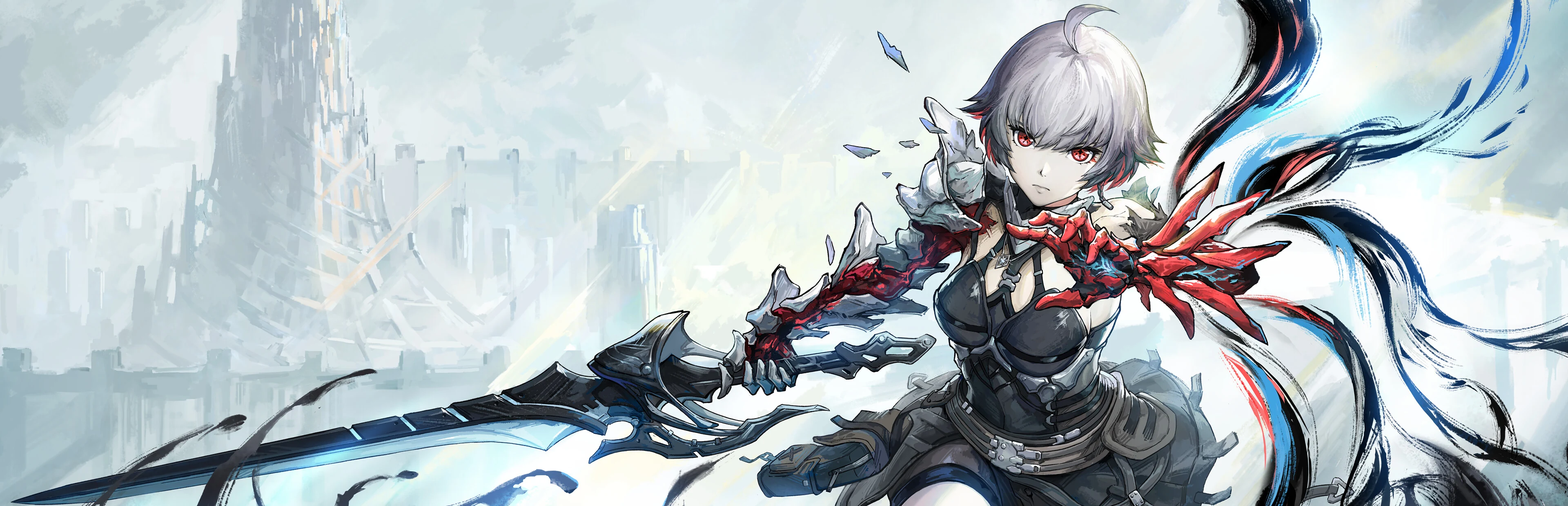
AI LIMIT follows Arrisa, a Blader who can return after fatal defeat, through the ruined city of Havenswell. She searches for damaged Branches and a path to humanity’s future while uncovering what ended the old civilization. Melee attacks build Sync Rate, which powers stronger Bladework and spells; weapon forms and left-hand transformations let you shape each exchange.
AI LIMIT is set centuries after the artificial ecosystem collapsed, when disasters and war erased civilization and a substance called Mud spread through the ruins. Monsters have taken over parts of Havenswell, the last city, and people cling to rumors of Elysium as a possible refuge. You play Arrisa, a Blader: a human-looking being created through mysterious technology, with the ability to return after death through the city’s Branches. Those Branches have been destroyed, leaving Arrisa to repair them while moving through districts layered with sewers, slums and elevated structures above a lake. Her route brings her into contact with humans and other Bladers, each living with the consequences of the collapse.
The Branches give the expedition structure its own fiction. A repaired Branch is a recovery point where Arrisa can return after defeat and continue into the surrounding streets, tunnels and monster-held zones. Exploring away from the main route can reveal weapons, clothing, relics and routes through the city’s overlapping layers. Some old-world artifacts preserve memories that Arrisa can read, making environmental finds part of the account of how Havenswell reached its present condition. The city is not just a backdrop between fights: paths connect distinct environments, and hidden passages or objects can reward a player who checks above and below the obvious route. The search for Branches provides a forward objective while side discoveries flesh out the history around it.
Combat uses a Sync Rate meter in place of a conventional stamina bar. Landing melee attacks raises the rate, while powerful skills and spells spend it; its level also affects attack strength. That creates a clear rhythm: use standard strikes and well-timed defense to build the meter, then spend the accumulated energy on a Bladework art or transformation ability. A full gauge is not simply a stockpile for emergency use, because the higher Sync tiers increase output. Weapon attacks can be chained with defensive movement and spells, so building the meter depends on staying engaged rather than retreating indefinitely. The system makes resource management part of the attack pattern itself, rather than a separate pause to refill a bar.
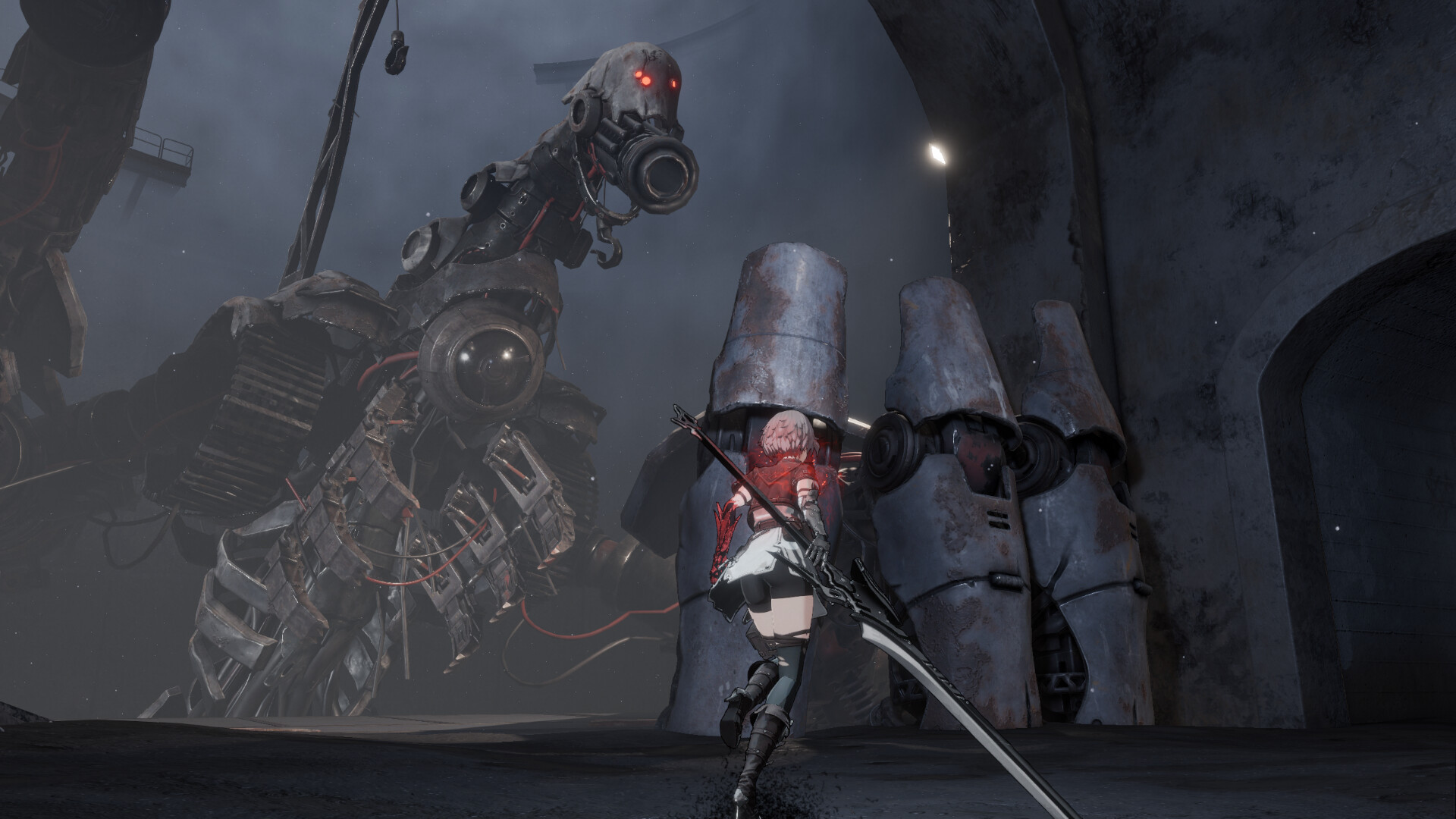
Arrisa can equip a range of weapons and pair them with weapon skills, which means the move set is not defined by one fixed blade. The left-hand transformation mechanism provides additional spells for offense or support, and can be combined with a weapon’s own attacks to create different sequences. Several systems meet in a single exchange: the weapon defines reach and attack tempo, Sync Rate governs access to stronger actions, and the selected spell adds a further option such as an attack or assistance effect. Equipment and relic discoveries across Havenswell feed into those choices. The game’s presentation of a lone Blader does not prevent flexibility; instead, loadout decisions determine how Arrisa answers openings and builds enough Sync to use her more forceful techniques.
Progression centers on repairing the Branches while gathering crystals and finding equipment through the city. Arrisa’s abilities, weapons and clothing can be adjusted as the journey continues, while relics provide readable fragments of the lost civilization’s history. The Branches function as checkpoints in a connected action-RPG structure, not as a menu that skips the traversal between districts. Defeat sends Arrisa back into the route, where returning to the point of failure becomes part of maintaining momentum through hostile territory. Encounters with powerful creatures and enemies linked to different forces interrupt exploration with tests of attack timing and defensive choices. The gradual repair of the Branch network gives the search a practical purpose as well as a story role.
Havenswell’s neighborhoods give the journey a range of spatial problems. Damp sewer channels, crowded slum layers and structures above the lake require the player to read paths as well as enemy tells. Weapon and clothing finds are distributed across those spaces, and old relics can reveal a short memory without resolving every mystery in the world. The threat is not only the mutated creatures: rival Bladers and groups have their own reasons for fighting over what remains, and the game frames Arrisa’s meetings with them as part of the larger search for the truth about the plague and disasters. Each area therefore contributes either a new route, a combat challenge, a piece of equipment or another perspective on the failing city.
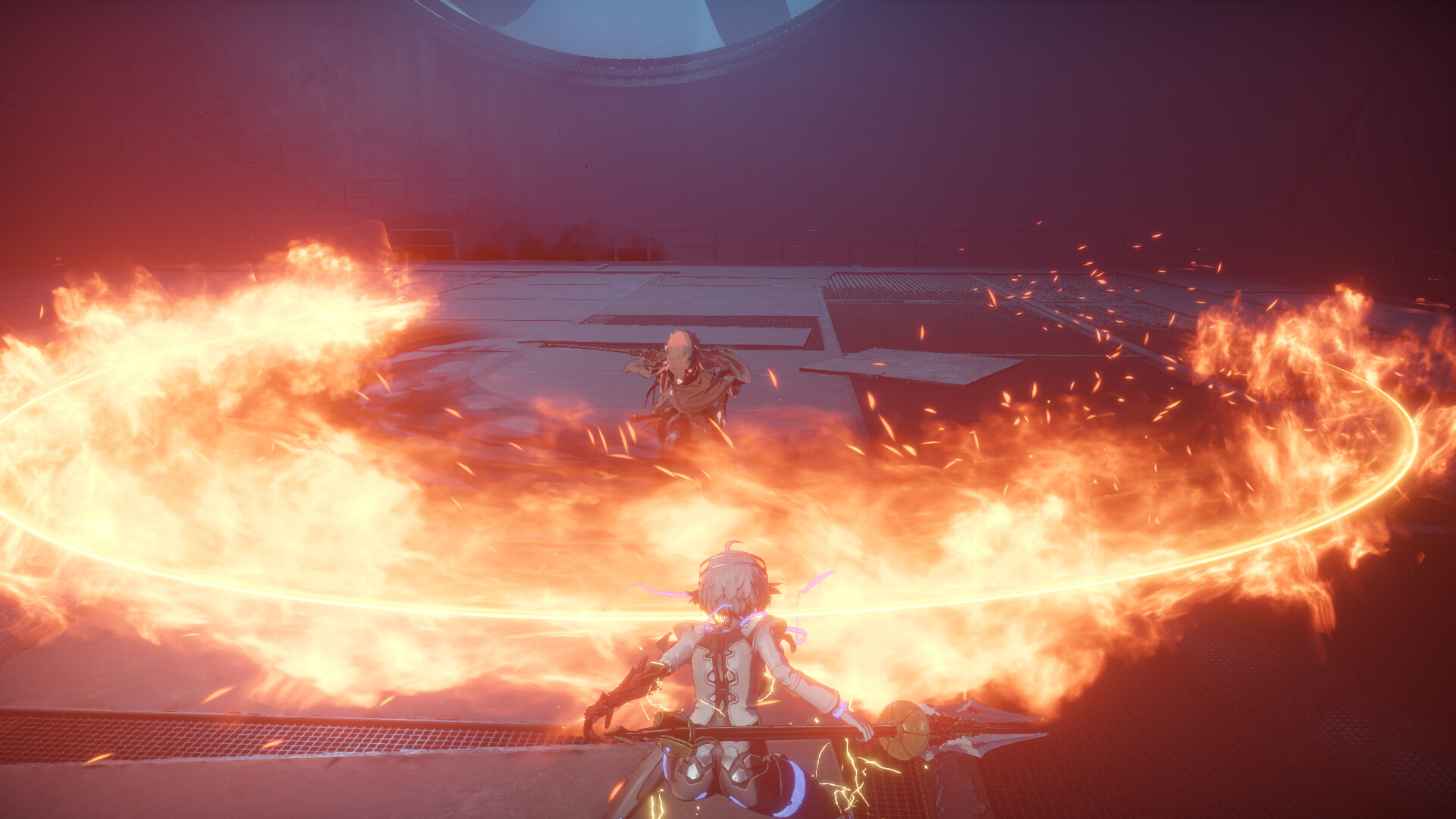
Seals add another layer to Arrisa’s equipment, affecting the way Sync Rate behaves rather than only changing the weapon in her hand. Main and standard Seals can alter the meter’s thresholds, generation and minimum recovery level, alongside defensive properties and resistances. A different Seal setup can therefore change how much energy remains available after an ability and how quickly the next attack sequence becomes possible. The meter also falls when Arrisa takes damage, so avoiding a hit protects more than health: it helps retain the energy needed for the response. These choices give discovered equipment a practical relationship with the combat rhythm. A weapon’s moves establish how Arrisa reaches an enemy, while Seals influence the resources available once she commits to the exchange.
Sync Rate, the left-hand Mechanism and three spell slots are the parts worth understanding before you start. Here is what the combat asks of you, and what the release has added since launch.
Sync Rate is the meter that matters
The game asks you to raise Sync Rate through bold attacks and measured defence, and it makes you stronger in the exchange once you do. Sync Rate tiers affect attack power, while abilities can consume the resource. The Shield Frame ability also has a Sync Rate recovery effect; that does not mean every ordinary guard restores the meter. The fights reward a rhythm between the two rather than pure aggression or pure turtling.
Weapons and their own skills are the surface you build on top of it. There is a wide spread of weapons to find, each with its own weapon skills, and the game is built around mixing which of them you carry rather than around a fixed class. Frame abilities and spells are what spend the meter, while Seals are passive boosts rather than another thing you have to pay Sync Rate for.
The left hand drives the spells
The transformation mechanism in your left hand is your spellbook. It can drive dozens of spells, attacking or assisting as you choose, and Arrisa now carries three equipped spells rather than the single slot the game launched with. Switching between them is its own input, separate from casting, so the decision about which spell is selected is one you are making during a fight rather than before it.
The rest of the systems sit around that. Spells, Seals and weapon skills are all in play as the exchange turns, and the aim is a combination of moves you can actually pull off rather than a rotation you memorised.
Death and the Branches
You are Arrisa, a Blade: a being who looks human, was made by something that is not explained at the start, and comes back from a fatal death through the power of the Branches. The Branches have been destroyed, so the campaign is a search across Havenswell to find and repair them, through sewers, slums and a city above a lake, with humans and fellow Blades caught in the same collapse.
That premise is also the shape of a run. A fatal death returns you to the last Branch you reached, so a boss you cannot beat yet is something to work at across attempts, and the exploration is built the same way: the ruins hide weapons, clothing and relics, and Arrisa can read the memories left on them, which is where the history of the city comes from.
What has been added since launch
The base game has been patched steadily, and the changes that matter most to a new player are the control ones. Arrisa's spell slots went from one to three and a dedicated spell-switch input was added, which moved the map and notebook bindings to different buttons to make room. Sprint and Dodge can now be mapped separately, with sprint supporting either hold or toggle once they are apart, and reading a collectible uses its own two-button combination so it no longer collides with opening the map.
There is also new content, and it is free. Eirene's Furnace of War went out to every owner of the game as a free add-on: it follows the ending of the main story into the Northern Parish, adds a Furnace Arena with its own trials, and hands out new weapons, armour, Seals and spells that can be carried back into the base game. It also introduces challenge versions of bosses you have already beaten. Separately, a free update added a high-difficulty mode called Semi-Void Form, which increases enemy health, damage and Sync Rate disruption in exchange for more Crystal drops.
Should you play it
Yes, if you like action role-playing games that build their depth out of one resource rather than several. The Sync Rate loop gives the fights a clear question to answer, and the free add-on means the release you buy now is larger than the one that shipped.
The considerations are straightforward. It is available on PC and PlayStation 5, the deluxe tier adds gear and consumables on top of the game — a coat and mask, a weapon, some items and a digital artbook — rather than another region or story, and the add-on that matters is free, so there is no paid expansion to weigh up.
Go deeper with V4mp
- Developer
- SenseGames
- Genre
- Action RPG
Explore AI Limit further
Explore the wiki for detailed reference pages on the game's world, systems, items and locations.