
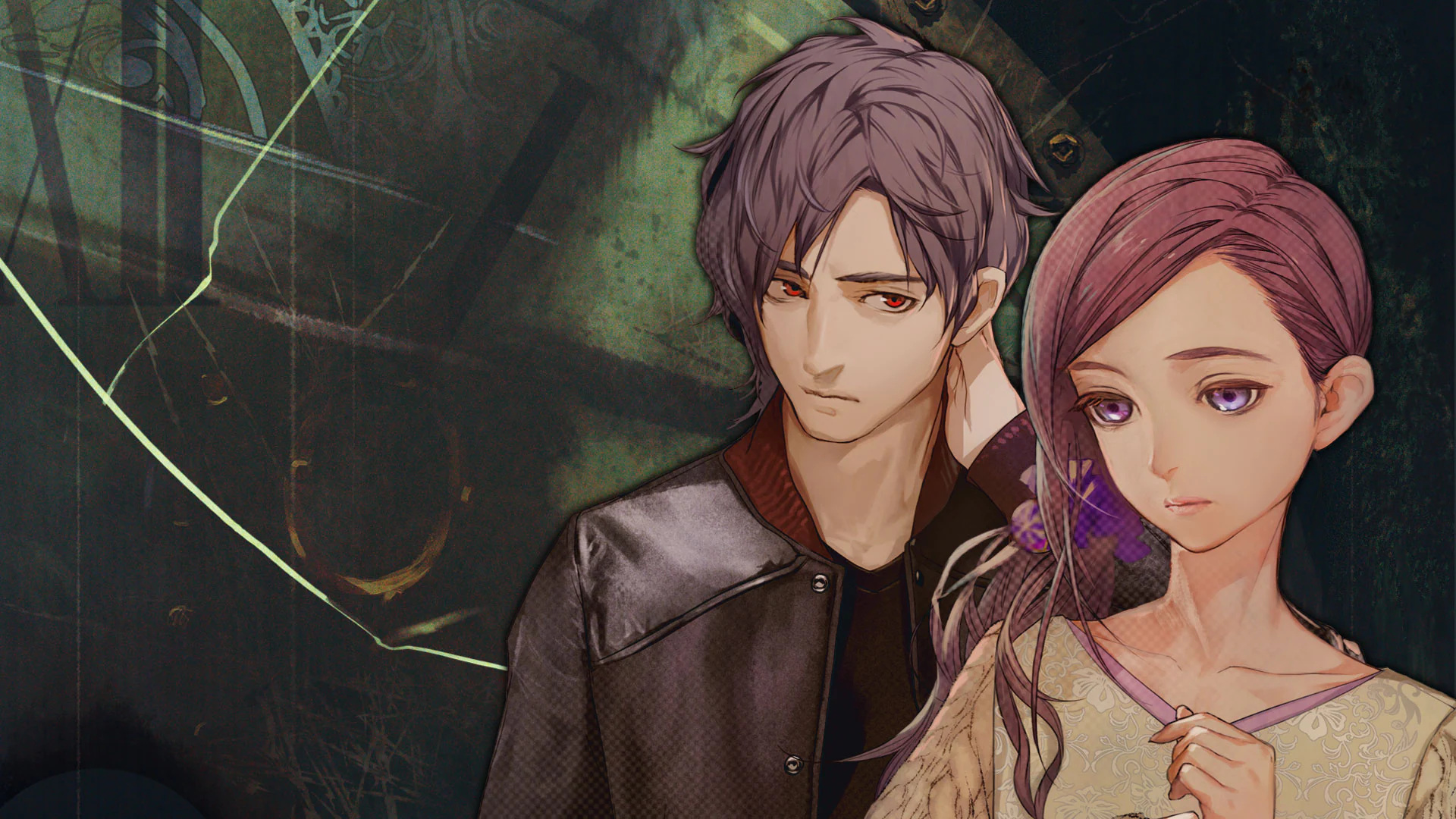
About Zero Escape: Zero Time Dilemma
Nine participants awaken in an underground facility and are forced into Zero’s deadly Decision Game. Switch among three teams, explore escape-room environments, solve puzzles and make choices that shape a branching, non-linear story told through selectable fragments. Returning Zero Escape characters join new leaders Carlos, Diana and Q.
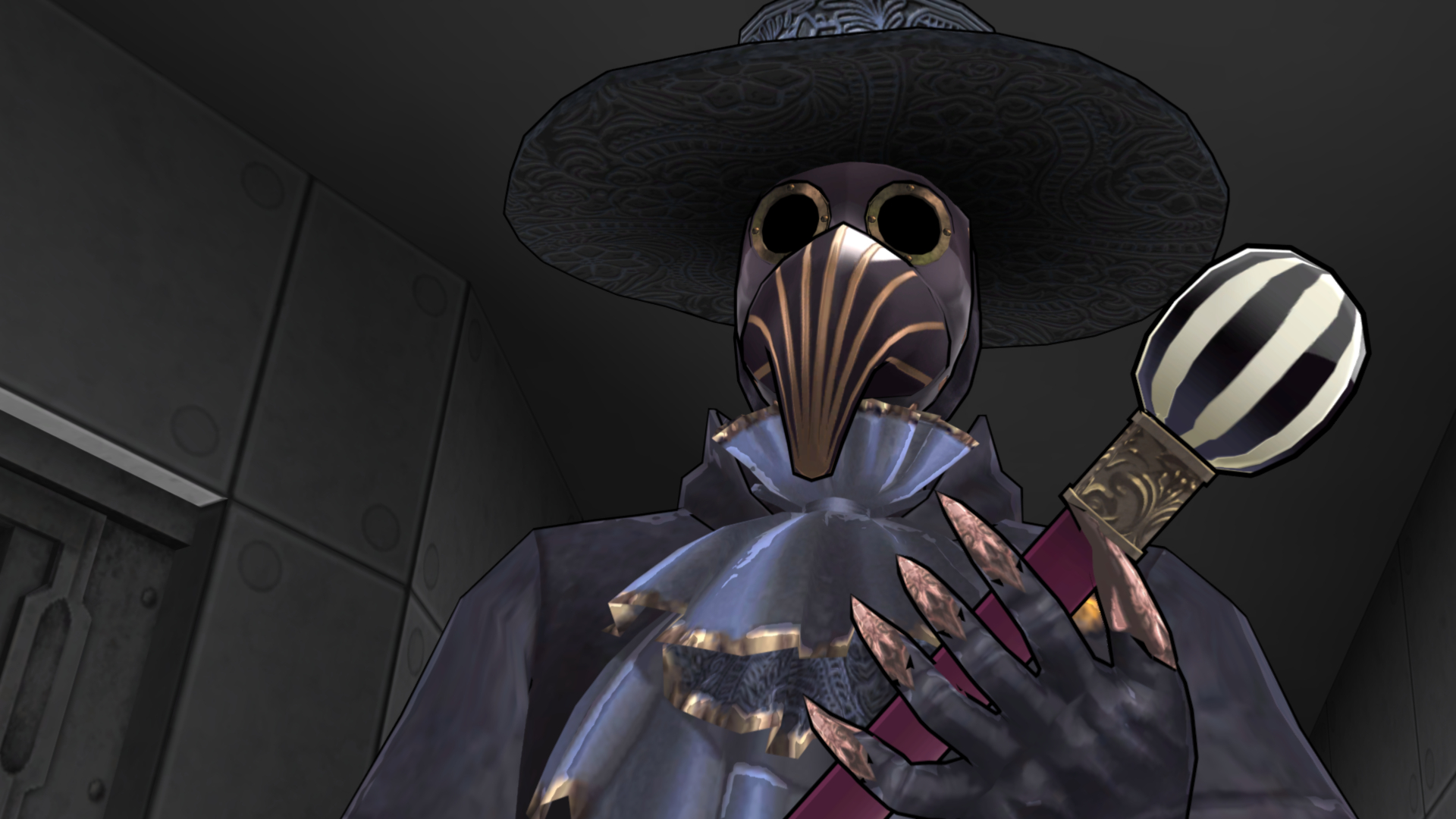
Nine people awaken inside an underground facility, each wearing a black bracelet and separated from an ordinary route to safety. A masked figure called Zero tells them they are part of the Decision Game. Its stated rule is severe: the escape hatch will open after six participants have died. That condition makes survival and escape inseparable. The group must find its way through the facility while deciding how to respond to a system that sets people against one another. The player encounters the crisis through the participants’ scenes and choices, learning what they know about the experiment as the story unfolds. Zero Time Dilemma’s central conflict is this particular Decision Game and the nine people forced to take part. It is distinct from the Nonary Game premise associated with the separate release The Nonary Games. The enclosed setting keeps the immediate stakes clear: the captives need a way out, but the rules they have been given make the route to the exit depend on human lives.
The nine participants are divided into three teams, each with its own leader. Carlos leads C-Team with Junpei and Akane; Diana leads D-Team with Sigma and Phi; Q heads Q-Team alongside Eric and Mira. Carlos, Diana and Q are the new central viewpoints, while Junpei, Akane, Sigma and Phi return from earlier Zero Escape stories. The teams give the player three separate groups to follow within the same experiment. This arrangement matters to the story’s conversations: each team has its own mix of shared history and unfamiliarity, and the leader’s perspective shapes what is asked and what is explained. Instead of one protagonist moving among a large cast, the player follows three leads and their two teammates. The perspective changes with the team, so the same wider crisis is experienced through different combinations of characters and different relationships to the deadly rules.
The Decision Game asks the player to choose among life-or-death alternatives, and decisions across the three teams affect the story’s branches. The game frames these choices as more than preferred dialogue: each team is caught in an experiment where an apparently best option may still carry grave consequences. The six-death condition gives those choices their immediate context, while the branching structure carries their outcomes forward. A decision can produce a result for one group, and another branch can show a different outcome or add information about the experiment. The game has multiple endings, so following one sequence does not provide every result. The player revisits choices and explores further branches to see how events differ across the teams. This structure connects the moral problem faced by each group to the larger plot: the question is not simply whether a person makes a particular choice, but how the participants’ separate decisions fit into the same attempt to escape. Choices are not permanently locked: the player can change a selection and explore another probable history. Trying different histories is necessary to find the path through the game, though every possible timeline need not be visited. The forced choices also test the leaders’ bonds by putting them in situations that conflict with their nature.
Floating Fragment is the interface for choosing among sections of the story. Rather than proceeding through one chronological sequence, the player selects available fragments associated with the teams and can encounter events out of order. A fragment may begin with a team waking, move through a puzzle room and a major decision, then end with the participants returned to sleep and their memories of that section erased. That memory loss belongs to the fiction as well as the chapter structure: the people in the facility may not remember a prior fragment, while the player can compare what happened in separate sections. The chronology is initially unclear, so a consequence may appear before the events that caused it. As more fragments are played, the player can connect these pieces and place events in relation to one another. The system also allows movement among unlocked sections without replaying a single uninterrupted route. Selecting the next fragment is how the player controls the order of discovery and gradually assembles the timeline. The memory reset creates a difference between what the participants recall and what the player has learned from other fragments. The player can carry information from one section into the next even when the team does not retain that experience, making the non-chronological structure part of the mystery.
The escape-room sections place the player in three-dimensional environments to search for clues and solve puzzles that open a way forward. These are the direct investigation portions of play: the player examines the room, notices relevant information and works through the problem presented to the team. Solving the puzzle advances that fragment toward its story and decision scenes. An in-game note function gives the player a way to record information, and a password prompt can depend on remembering a word encountered earlier. This links observation across the game to later progression, because retaining a detail can matter after the original scene has passed. The puzzle spaces focus on environmental clues and escape problems; a separate combat or character-build system is not described. That makes investigation the active task during room sections, while the dialogue and decisions around them establish why each team must escape and what its members stand to lose. The puzzles also vary in style. Some encourage an unorthodox angle on a problem, while others use more direct escape-game reasoning. Clue reading is the shared task even when the route to a solution changes, keeping the room challenge centered on the information and objects at hand rather than a character skill tree.
Fully voiced, animated story scenes carry the conversations forward, with dialogue advancing automatically in a cinematic presentation. The player then returns to interactive sections for room investigation and choices. This shift between watched scenes and direct puzzle play is a recurring part of the game’s format, while the fragment menu lets the player decide which story section to enter next. The Windows PC release is a single-player adventure developed and published by Spike Chunsoft. It includes English and Japanese full audio and subtitles. Zero Time Dilemma is sold separately from The Nonary Games, which packages Nine Hours, Nine Persons, Nine Doors and Virtue’s Last Reward, the first two entries in the series. Keeping those products distinct also keeps this game’s scope clear: its story follows the Decision Game and its own nine participants.
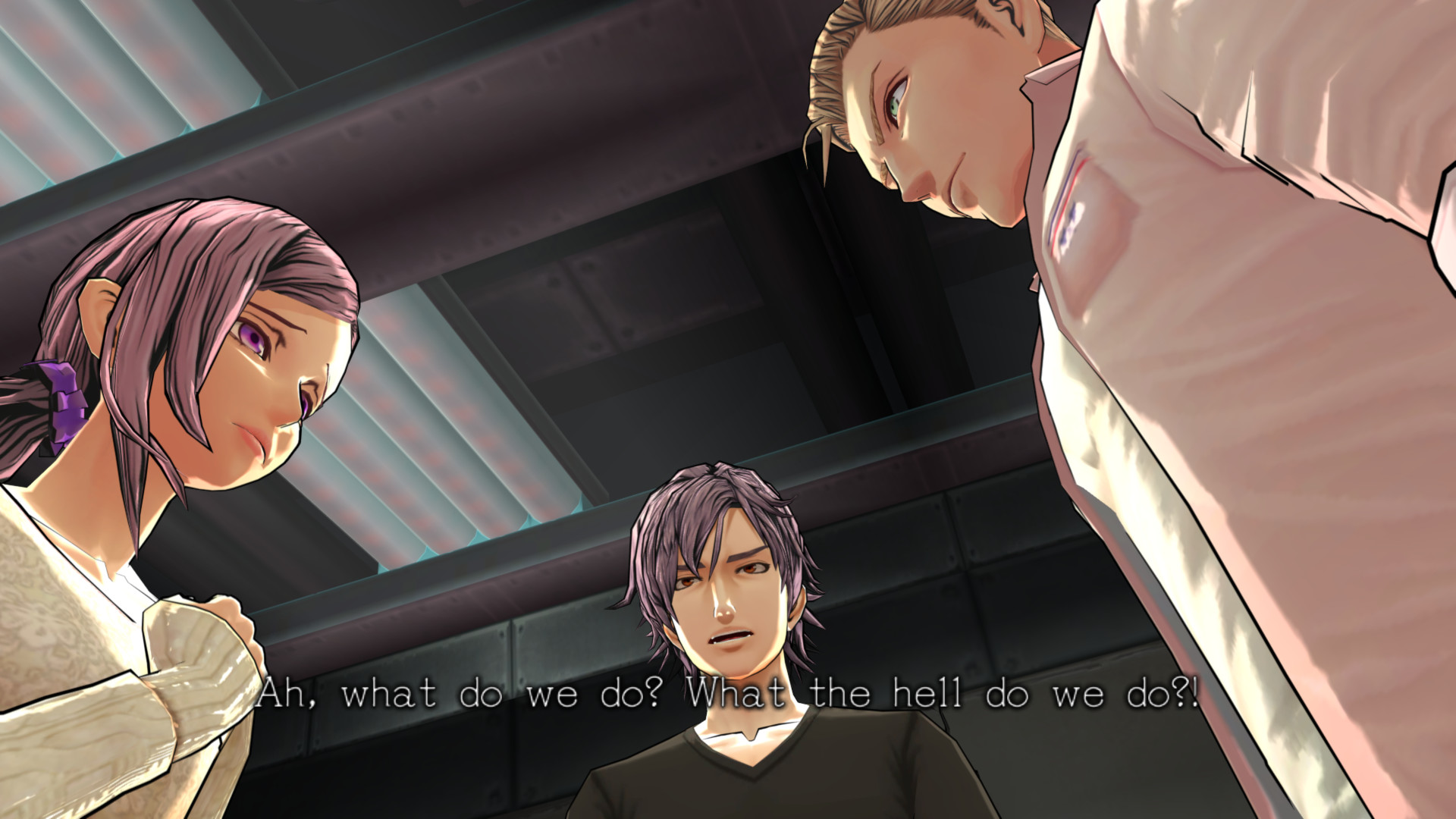
Returning characters tie this entry to the earlier games, while the new leaders give the player viewpoints that do not begin with all of that history. Carlos and Diana can ask their teammates about earlier events; Junpei and Akane explain parts of their past to Carlos, and Sigma and Phi do likewise for Diana. This lets the narrative introduce prior context through conversations rather than requiring the player to know every detail before starting. Players familiar with Nine Hours, Nine Persons, Nine Doors and Virtue’s Last Reward will recognize the returning participants and see unresolved series history carried into a new crisis. At the same time, Zero Time Dilemma centers its immediate events on the Decision Game and the three teams assembled for it. The older characters’ connections broaden the story, but the new leaders remain the entry point for understanding this experiment and its stakes. Zero Time Dilemma is the third entry in the series, and its current incident can be followed on its own. The returning cast gives long-time players additional history to connect, and the new leaders provide a way into the events without requiring that background.
- Developer
- Spike Chunsoft Co., Ltd.
- Genre
- Adventure