
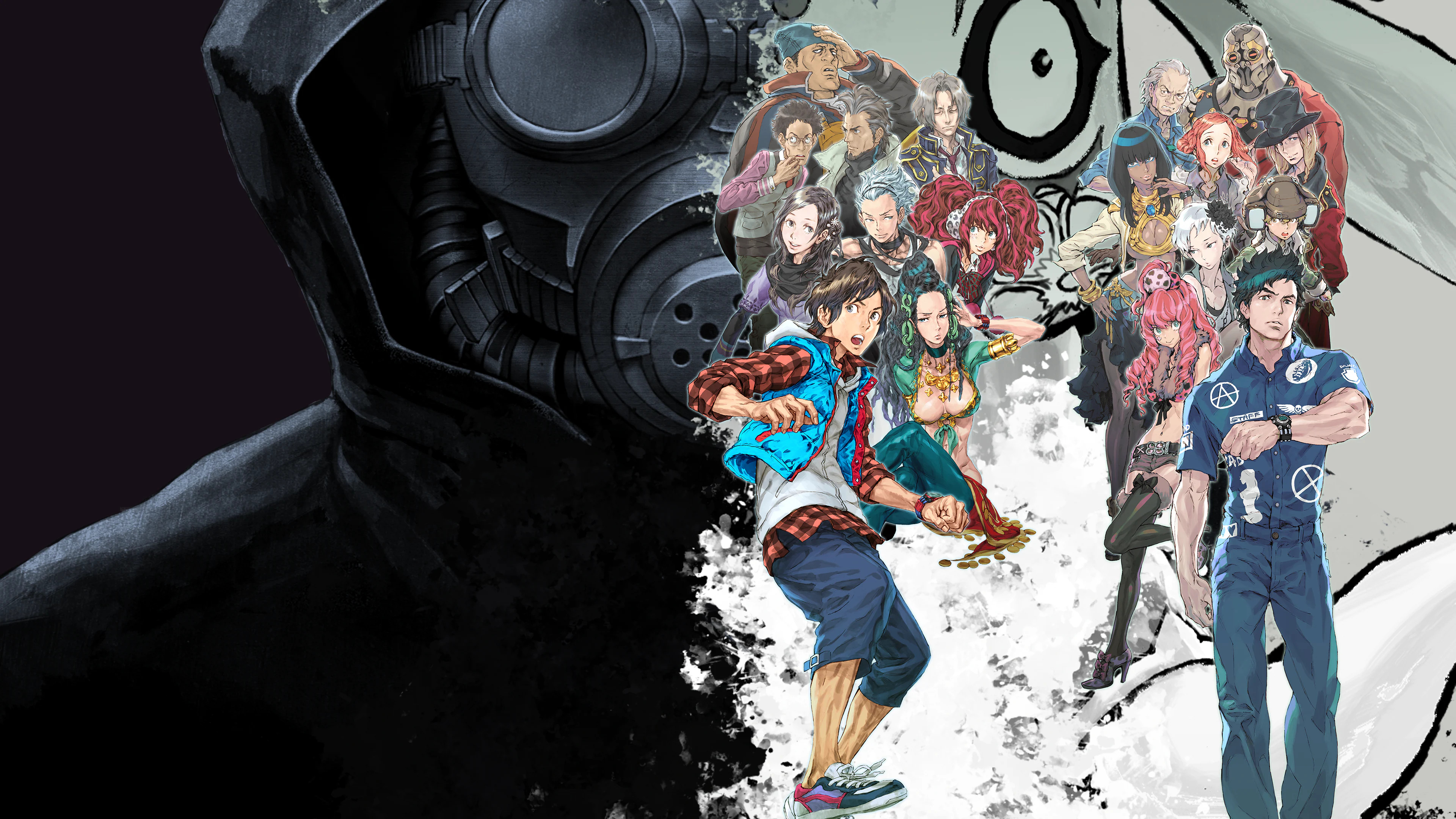
About Zero Escape: The Nonary Games
Zero Escape: The Nonary Games combines two escape-room visual novels: Nine Hours, Nine Persons, Nine Doors and Virtue’s Last Reward. In each, a group of nine strangers is kidnapped and forced into a deadly contest devised by Zero. Read conversations, make consequential choices, search locked rooms for clues, and solve puzzles as the participants try to escape.
This collection brings together two separate stories in the Zero Escape series: Nine Hours, Nine Persons, Nine Doors, commonly called 999, and its sequel, Virtue’s Last Reward, or VLR. Both begin with nine people taken from ordinary life and placed in a setting controlled by an unseen organiser using the name Zero. The participants face a life-threatening game whose rules connect cooperation, suspicion and escape. Their immediate problem is practical—find a way out of confinement—but the circumstances raise larger questions about why these particular people were chosen and what the organiser expects them to do. The stories use that enclosed crisis to combine speculative science, thought experiments, occult references and psychological pressure. Their events and casts are distinct, while the shared Nonary Game premise gives the collection its through-line. Each entry has its own central viewpoint character and group dynamic, so the anthology is not one continuous campaign with a single protagonist. It contains the two titles named above; Zero Escape: Zero Time Dilemma is a separate third game in the series and is not part of this package.
In 999, the viewpoint character is Junpei, who is trapped aboard a cruise ship with eight other men and women. Among them is Akane, his childhood friend. Every participant wears a numbered bracelet, and the group has nine hours to get off the vessel before it sinks. That deadline turns the ship into both a physical enclosure and a problem the characters must interpret: survival depends on discovering how the rules work while deciding whether the people around them can be trusted. The ship, bracelets, timer and nine-person group establish the immediate stakes, while the purpose of the game remains a mystery. That separation between immediate objective and hidden explanation is central to the story’s rhythm. The player encounters people with different relationships to Junpei and different stakes in the crisis, then follows their conversations as partial information accumulates. The remastered version presented here updates the Nintendo DS original with higher-resolution graphics and adds Japanese and English voice acting. The story remains the first of the two included games, giving the collection a starting point before the later events of VLR.
Virtue’s Last Reward shifts the setup to Sigma, who wakes in an unfamiliar facility alongside eight strangers. Phi is among them, a mysterious girl who somehow knows him. A computerized character called Zero III explains that the group must take part in the Ambidex Game and keep playing if they want to escape. The setting is a facility rather than the cruise ship of 999, and the new cast is brought together under a different set of immediate rules. The Ambidex Game governs the contest, and the participants may ally with one another or betray their companions. Sigma’s connection to Phi and the identity of the person or intelligence controlling the situation supply unresolved questions without requiring the story to reveal its later answers at the outset. The game returns to the series’ nine-person structure but changes the context and the mechanism used to pressure the group. Its role in this package is a full sequel, not an extra route within 999, and the two narratives should be understood as separate entries whose relationship becomes part of the larger mystery.
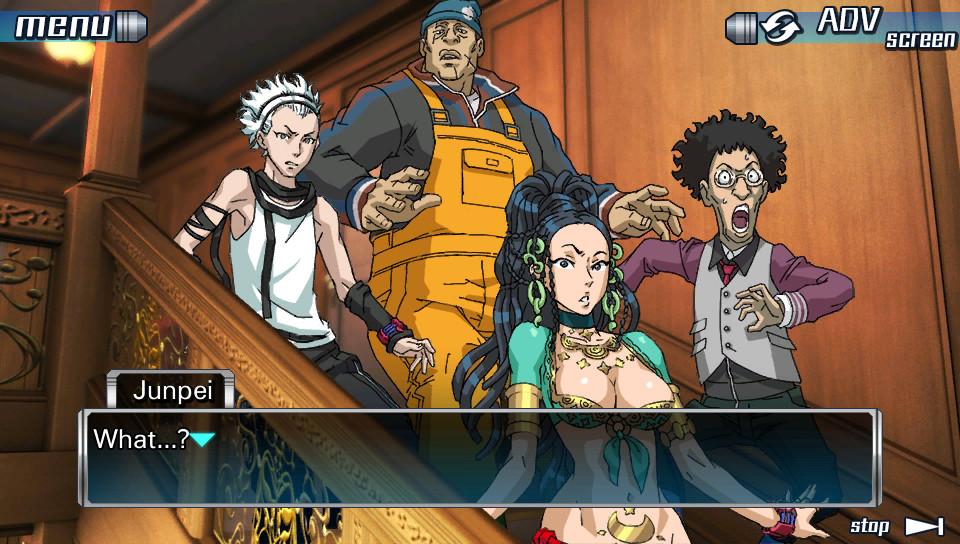
Both games alternate narrative passages with rooms designed around escape. In VLR, the publisher names these formats Novel and Escape. Novel passages present dialogue, arguments, events and Sigma’s thoughts; the player reads the scene and makes decisions at key points. Those decisions alter the story’s progress and can have later consequences, producing multiple possible endings. Escape sections ask the player to examine the surroundings, find clues and use objects while solving puzzles that stand between the characters and safety. These situations include an opening elevator emergency in which Sigma and Phi have nine minutes to get out. The format therefore links reading and decision-making to environmental problem solving: narrative information gives context to the group’s predicament, while escaping a room advances the immediate attempt to survive. Locked rooms, searchable clues and puzzles recur across the two-game collection. They do not describe combat as a player system; the challenges presented are investigation, puzzle solving and decisions under pressure.
Exploration in these games is close and deliberate rather than open-world travel. A room is treated as a contained scene whose visible details may matter: the player searches the environment for clues, locates usable objects and works out how pieces fit together to open a route forward. The goal is not to traverse a broad map, but to understand the construction of a locked space well enough to leave it. VLR highlights room exploration, clue finding and item use, while locked rooms feature in both games. This search loop sits between story scenes and the contest’s next demand. Movement is interface-guided navigation around puzzle environments, focused on examination and item use rather than platforming or free-roaming traversal. VLR also offers two difficulty settings, providing a choice about puzzle challenge. That option belongs to VLR; 999 has its own rules, puzzles and decision structure within the same collection. The choice of puzzle difficulty changes how VLR asks the player to work through a locked room, whereas the ally-or-betray decision remains a separate story question after the immediate escape problem is solved.
VLR makes trust part of progression through its Ambidex Game. The group must continue playing to pursue escape, and the player faces decisions about whether to ally with other participants or betray them. Those choices are connected to the branching narrative: key decisions change the story’s course and can lead to different endings, while developments may depend on choices made earlier. The game is not described as a combat contest in which the player defeats opponents; its pressure comes from negotiating uncertain relationships inside a deadly rule system. The choice of ally or betrayer shapes what happens next and gives the player a direct part in determining the group’s fortunes. This choice shapes the story, while the Ambidex Game keeps Sigma and the others playing. The game also includes multiple alternative endings and two puzzle difficulty settings. These are separate progression features: the choices influence narrative branches, while the difficulty option adjusts the puzzle challenge. The individual route conditions and late revelations remain for the player to discover.
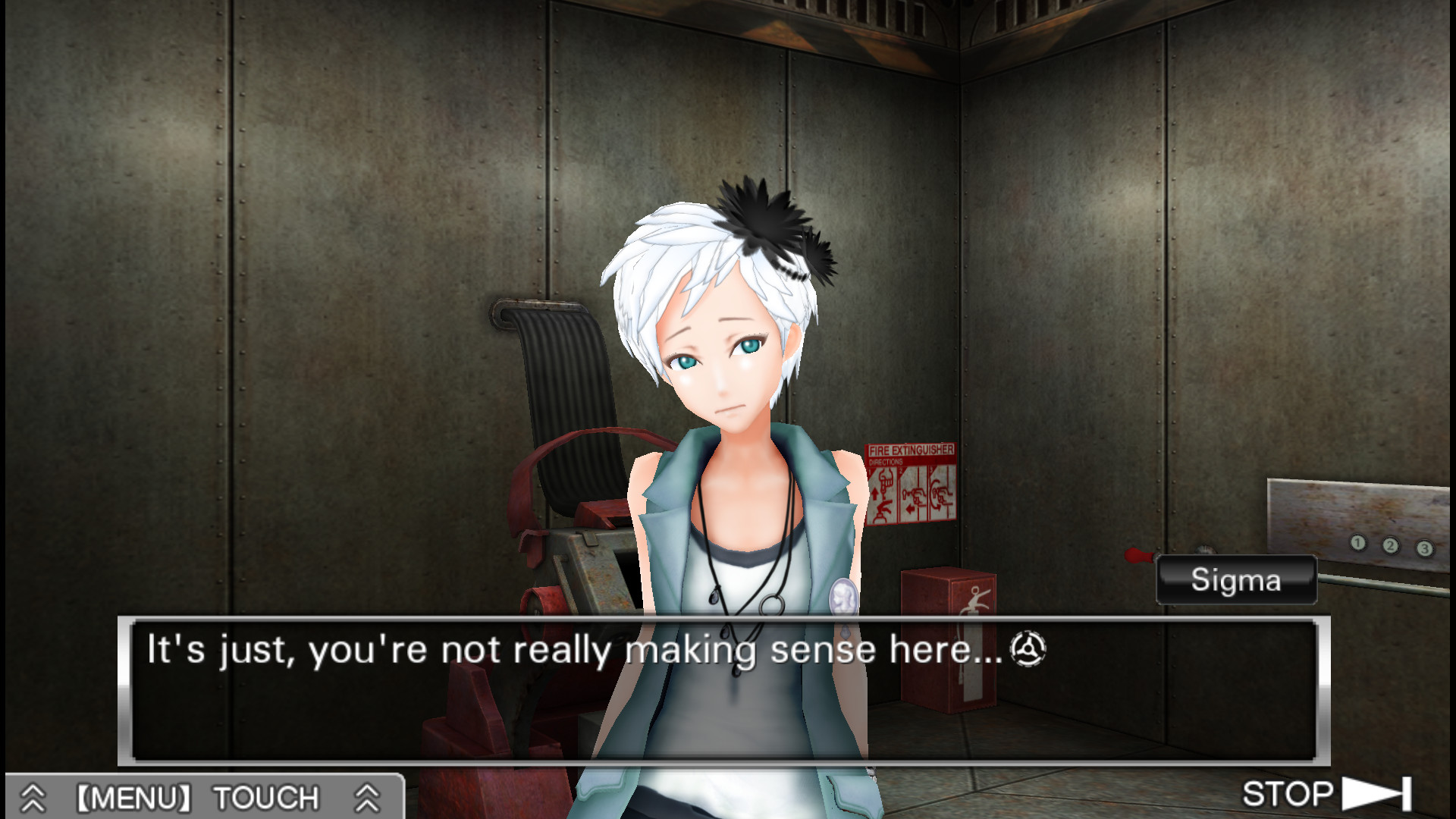
The collection’s presentation reflects its two original releases and their later remaster. 999 began on Nintendo DS in 2009, while VLR followed for Nintendo 3DS and PlayStation Vita in 2012; The Nonary Games brings remastered versions together. Spike Chunsoft describes higher-resolution graphics and Japanese and English voice acting for the collection, and specifically notes new voice acting among the updates to 999. The Steam edition lists English and Japanese interface, full audio and subtitles. In VLR, the division between Novel and Escape is also a presentation distinction: dialogue and internal thoughts carry the narrative passages, while the escape rooms foreground the environment and puzzle objects. Nintendo’s original 3DS listing describes that version’s 3D graphics, but that hardware-specific detail should not be mistaken for a feature of this PC release. The PC release presents both stories as a single-player package, with their own casts, puzzle rooms and branching choices. The visual jump between 999’s updated illustrations and VLR’s three-dimensional character models also makes the change in original hardware and era visible as the player moves between them.
- Developer
- Spike Chunsoft Co., Ltd.
- Genre
- Adventure; escape-room visual novel