
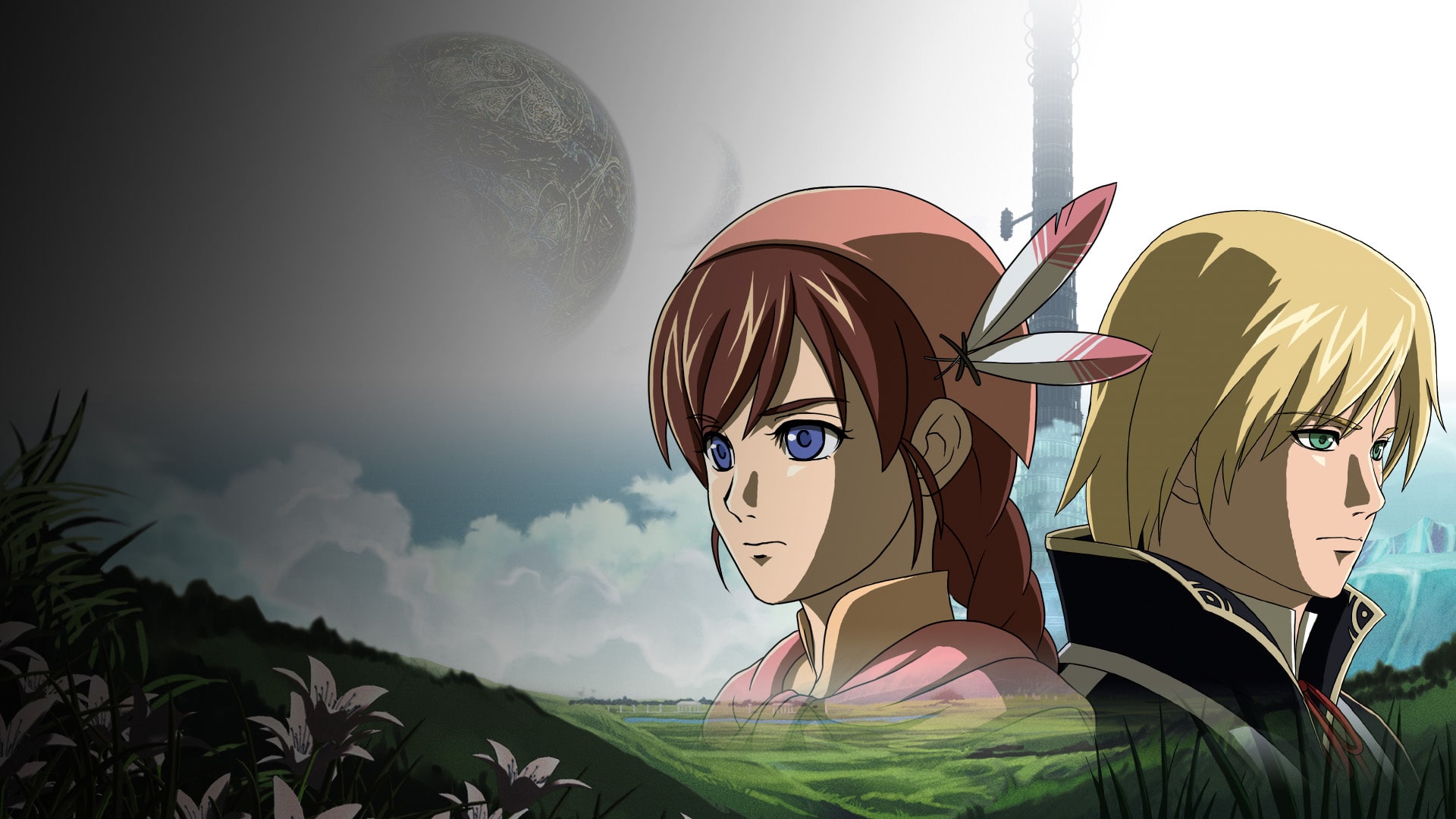
About Ys Origin
Set seven centuries before Ys I and Ys II, Ys Origin follows a search party sent from the floating land of Ys into Devil’s Tower after the twin Goddesses disappear. Choose Yunica Tovah or Hugo Fact, each with a separate story and combat style, then unlock a third protagonist by completing both routes.
Ys Origin moves the series back to a crisis that precedes the journeys of Adol Christin in Ys I and Ys II by 700 years. A demonic invasion threatens the land of Ys, and the twin Goddesses lead its people away from the surface and into the sky. The demons answer by raising Devil’s Tower toward their new refuge. When the Goddesses vanish and are believed to have gone to the tower, a search party of knights and sorcerers descends to find them. The playable accounts belong to Yunica Tovah, an apprentice knight, and Hugo Fact, a sorcerer whose standing within the Fact family is troubled. Their routes present different perspectives on the expedition and its unfolding mystery. This is a prequel rooted in the history surrounding Ys I and II, rather than the separate Adol-led expeditions on Seiren Island in Ys VIII: Lacrimosa of DANA or in the prison city of Balduq in Ys IX: Monstrum Nox; Origin is also a rare Ys story without Adol as its lead character.
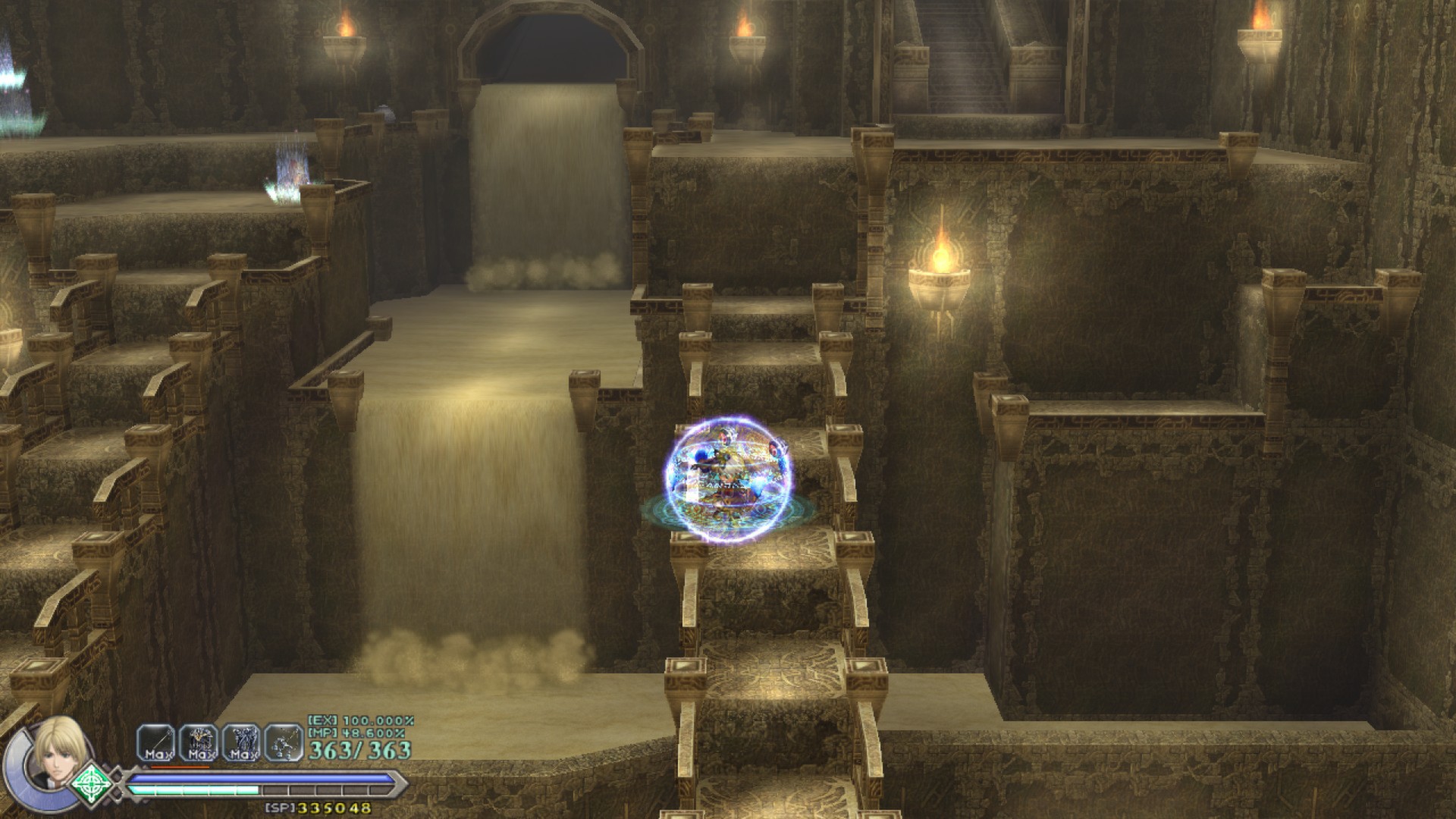
The tower is the central environment and the structure that shapes the journey. Instead of travelling between towns and a broad overworld, the search party climbs through a large, enclosed stronghold built by the demons. Its floors contain distinct spaces, enemies, platforming challenges and puzzles, giving the ascent a sequence of self-contained problems. Movement is part of that exploration: jumping is used to cross gaps, reach platforms and avoid attacks, while new abilities and keys open routes that were previously inaccessible. The resulting layout has a light Metroidvania character: progress through a floor can depend on noticing a blocked passage, locating an item or learning how an ability interacts with the environment. The game’s scale is focused on navigating this hostile vertical space and finding a way onward, rather than filling a map with optional towns or side activities. The tower also provides the meeting ground for the search party and the forces defending it, so exploration repeatedly leads into combat and story encounters. Wind, lightning and fire skills also serve the ascent itself. A skill used during a jump can extend the distance reached, a cracked wall can be broken, and a torch can be lit to release a mechanism. The choice of active skill therefore changes which obstacle can be solved as well as which attack suits the next fight.
Yunica and Hugo approach those encounters through different forms of attack. Yunica fights at close range with an axe, relying on direct strikes and positioning to reach enemies. Hugo uses sorcery to attack from a distance, changing how he can engage groups and threats that are dangerous to approach. Their stories are separate, and their skills are character-specific, so repeating the climb with another protagonist changes both the combat rhythm and the information revealed about the expedition. As each story advances, characters learn special skills with different purposes: These include ranged attacks, area attacks and defensive barriers. These abilities add options to ordinary attacks and jumping, letting the player choose a response to the enemies or hazards at hand. The game presents an action-RPG rather than a menu-driven battle system: movement, attack timing and skill use happen in real time, with platforming and fighting sharing the same spaces.
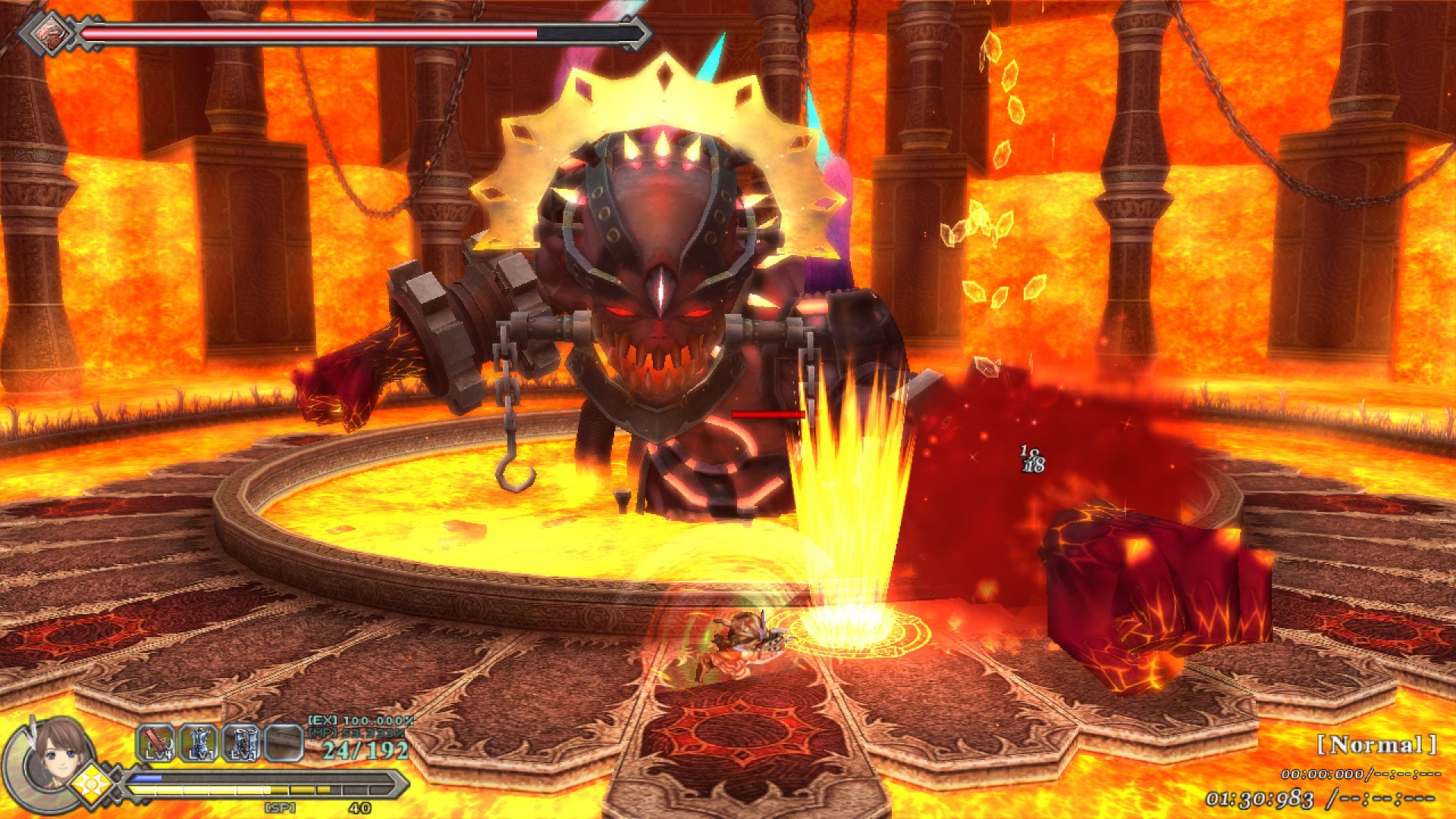
Large boss encounters make those movement and skill choices especially important. Their attacks call for jumps and special abilities to evade damage; some also let the player climb onto the creature and strike a weak point. That changes a boss fight from simply staying at range and repeating an attack: the player has to read the threat, find a safe opening, move into the right position and use the available attack method. The tower alternates large bosses with platforming challenges and puzzles. Familiar enemies from Ys I and Ys II return in upgraded forms, connecting these set pieces to the older games’ history without requiring Origin to be a later chapter in Adol’s travels. The challenge is tuned through a selectable difficulty; the Windows edition offers five settings from Very Easy to Nightmare, while the original Japanese configuration starts with Easy, Normal and Hard. Difficulty names and options should therefore be understood in relation to the edition being played.
Progress is tied to completing the tower’s challenges and developing the chosen character through each route. Encounters provide the action-RPG loop of defeating enemies while building the strength needed to face later threats, while the game’s key discoveries and new skills expand the player’s options as the story proceeds. The story structure also makes replay a core part of seeing the full account: Yunica’s and Hugo’s routes are distinct, and completing both on any difficulty unlocks the third story, starring the Claw. Both starting routes must be cleared, regardless of difficulty. This third route adds another playable character and perspective after the two initial campaigns, rather than being an alternate selection available from the outset. Once a character’s story has been cleared, Time Attack lets players choose bosses and compete for clear times; Boss Rush strings the bosses together without a break. The Windows edition also has an Arena Mode with waves of enemies and separate rewards. These modes shift attention from climbing and narrative progression toward repeated combat encounters. The Claw is faster than the two starting characters and uses close-range attacks, a temporary boost and a sliding strike that can pass through low openings. His route also shifts the viewpoint away from the search party: he pursues the Goddesses for different reasons and can meet Yunica or Hugo inside the tower. That makes the third campaign a change in movement, combat and narrative perspective, not merely a new character model.
The game’s visual presentation is framed around its tower setting and its action. The PC edition on Steam is a Nihon Falcom game published by XSEED Games, released for Windows in 2012 in English; it supports high-resolution graphics, widescreen display and configurable controls for keyboard, mouse and USB gamepads. Later console editions have their own release and feature details. The PS4 release added visual and effects updates, interface and menu improvements for a full-HD widescreen presentation, online leaderboards, trophies and additional languages; a PS Vita version followed. The Switch edition includes Story, Time Attack, Arena and Speedrun modes, a blood-level option, artifacts and relics. Mode sets differ by platform; those additions should not be assumed across all ports. Ys Origin’s soundtrack and boss-focused action support a compact, tower-bound adventure whose structure is unlike the broader settings of Ys VIII and Ys IX.
Beyond the three story routes, the arena offers a separate way to engage with the tower’s combat systems. Arena Mode pits the player against hordes of enemies and provides rewards separate from the story ascent. That makes it a distinct challenge from boss selection in Time Attack or the uninterrupted sequence of Boss Rush: the encounter is built around handling groups rather than a single opponent. The Switch edition also includes Speedrun Mode and a blood-level option, which are not part of the Windows edition’s listed modes. These details matter when comparing versions, because Ys Origin’s central campaign is shared as a story about the Goddesses’ disappearance and the climb through Devil’s Tower, while the surrounding challenge modes and presentation features can differ by platform. The Windows edition also has achievements, Steam Cloud support and leaderboards; the Switch edition has online scoreboards. These platform features sit alongside the distinct challenge modes: they provide records and completion markers around repeated boss and arena encounters, rather than adding another story route. Artifacts and relics are also among the objects the Switch edition places inside the tower.
- Developer
- Nihon Falcom (base Windows/Steam edition); Nintendo's Switch listing credits Dotemu as developer for that edition.
- Genre
- Action role-playing game with platforming and Metroidvania elements, as described by the Steam listing.