
About Yakuza 4 Remastered
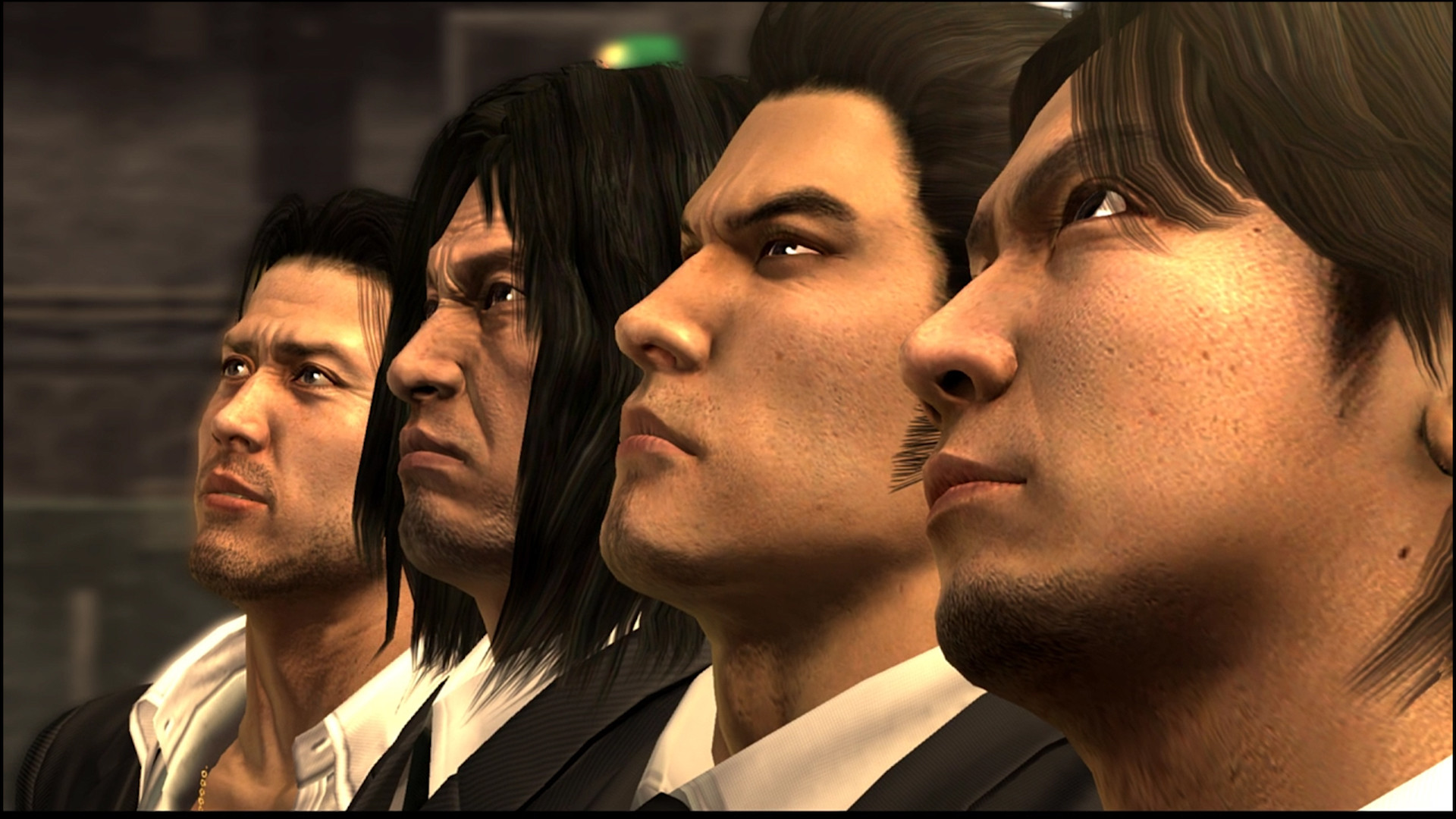
A shooting in Kamurocho draws four men into a widening criminal conspiracy: lender Shun Akiyama, escaped inmate Taiga Saejima, detective Masayoshi Tanimura and former yakuza Kazuma Kiryu. Play their separate story chapters, explore Tokyo’s entertainment district, take on street fights and character-specific activities, and develop four distinct brawling styles before their paths converge.
Kamurocho in 2010 is the common ground for Yakuza 4 Remastered, a crime drama that begins with a shooting in the city’s entertainment district and follows the lives of four men whose aims gradually intersect. Shun Akiyama is a street lender whose business gives him contact with people in financial trouble; Taiga Saejima is an escaped death-row inmate carrying the weight of a notorious case; Masayoshi Tanimura is a police detective who works the district’s less visible corners; and Kazuma Kiryu remains the former yakuza whose choices keep drawing him back into conflict. The story moves through a dedicated section for each protagonist before bringing their separate lines together. That structure changes the scale of the familiar series formula: Kamurocho remains the central explorable city, while its central mystery is approached through people who have very different relationships to money, policing and the criminal underworld.
The change of protagonist also changes the kinds of local stories the game can tell. Akiyama’s work through his money-lending business begins with people seeking loans, making conversations about need, trust and obligation part of his route through the city. Saejima’s section frames Kamurocho from the perspective of someone who cannot move openly without drawing police attention, adding evasion and pursuit to the street-level drama. Tanimura’s position inside the police gives him access to reports and cases that are unavailable to the others, and his police work takes him into cases that affect the criminal district. Kiryu’s chapter provides a different centre of gravity: he is already known in the criminal world, and the story uses his experience to connect the competing motives around him. These are not cosmetic swaps; the game gives each man his own chapter, side stories and relationship to the same neighbourhood.
Street encounters use real-time brawling, with light and heavy strikes, throws, grabs and weapons drawn from the environment. Each protagonist has a distinct combat style. Kiryu is the all-rounder, able to mix punches, kicks, throws and holds and use a broad range of weapons. Akiyama relies on quick footwork and rapid kicking combinations, including attacks that flow from running movement. Saejima’s strength supports heavy blows, forceful throws and lifting large objects that the others cannot handle. Tanimura is built around counters, parries and grabs: turning an enemy’s attack against another opponent or slipping behind a target creates openings for follow-up control. The shared Heat gauge fills through fighting and can be spent on character-specific Heat Actions, turning a contextual opening, nearby object or weapon into a finishing move. The common controls keep the action legible while these separate strengths reward different approaches to a crowd.
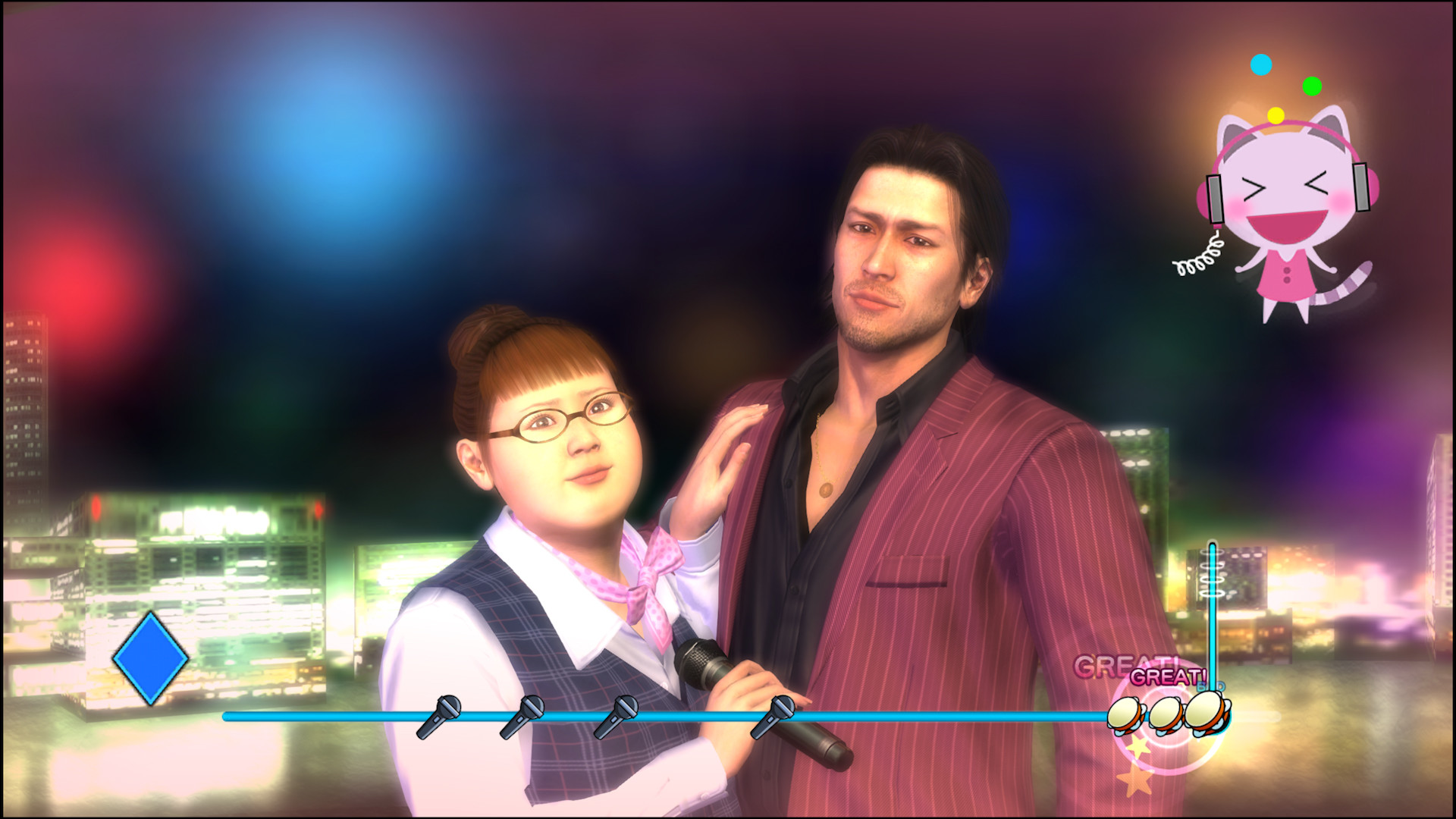
Beyond ordinary fights, the city gives each man a different kind of pressure. Saejima must avoid police attention while moving through Kamurocho; if he is spotted, a chase sequence can take over and asks the player to escape rather than win a standard street battle. Tanimura can respond to police-radio reports and travel to incidents to investigate them, making his detective work a playable activity in addition to the main plot. Akiyama can build relationships with residents, who may provide help during battles, linking his business and community ties to combat support. Kiryu’s route includes encounters with organised street gangs whose members and leaders bring repeated group fights to the district. These character-specific activities make the same streets function differently across the campaign, and they sit beside the main story rather than replacing its larger investigation.
Kamurocho is more than a chain of story destinations. The remastered game retains the series’ mix of substories, training, shops and diversions, with streets connecting entertainment venues and indoor attractions. Optional stories branch from encounters with residents, while training masters teach techniques and revelations let a character learn a move after noticing an incident in the world. Other diversions include hostess clubs, the Coliseum, gambling rooms and familiar pastimes such as karaoke, bowling, batting, darts, golf and fishing. These activities vary in how directly they connect to progression: some are self-contained games, while training and revelations feed back into the fighting moveset. They also offer a slower rhythm between plot chapters, letting the player return to the same district for a side story, a sparring lesson or a small activity before continuing the investigation.
Character growth is handled separately for the four fighters. Experience gained in battles raises a character’s level and can increase maximum health and Heat capacity; level gains also provide Soul Orbs to spend on abilities. The Heat Gauge rises as the character lands attacks, but falls when they take damage, get grabbed or are knocked down, so keeping pressure on opponents helps maintain access to Heat Actions. New abilities expand combat options, while training masters and revelations provide additional ways to learn techniques. This gives the campaign a progression loop beyond simply advancing chapters: explore for encounters and optional stories, fight to gain experience, invest in a character’s abilities, then use the new move or added capacity in later battles. Because each protagonist has a separate style and story, that loop is repeated four times with different tools and priorities, carrying the game from the opening shooting toward its ensemble finale.
- Developer
- Ryu Ga Gotoku Studio
- Genre
- Action-adventure