
About Yakuza 0 Director’s Cut
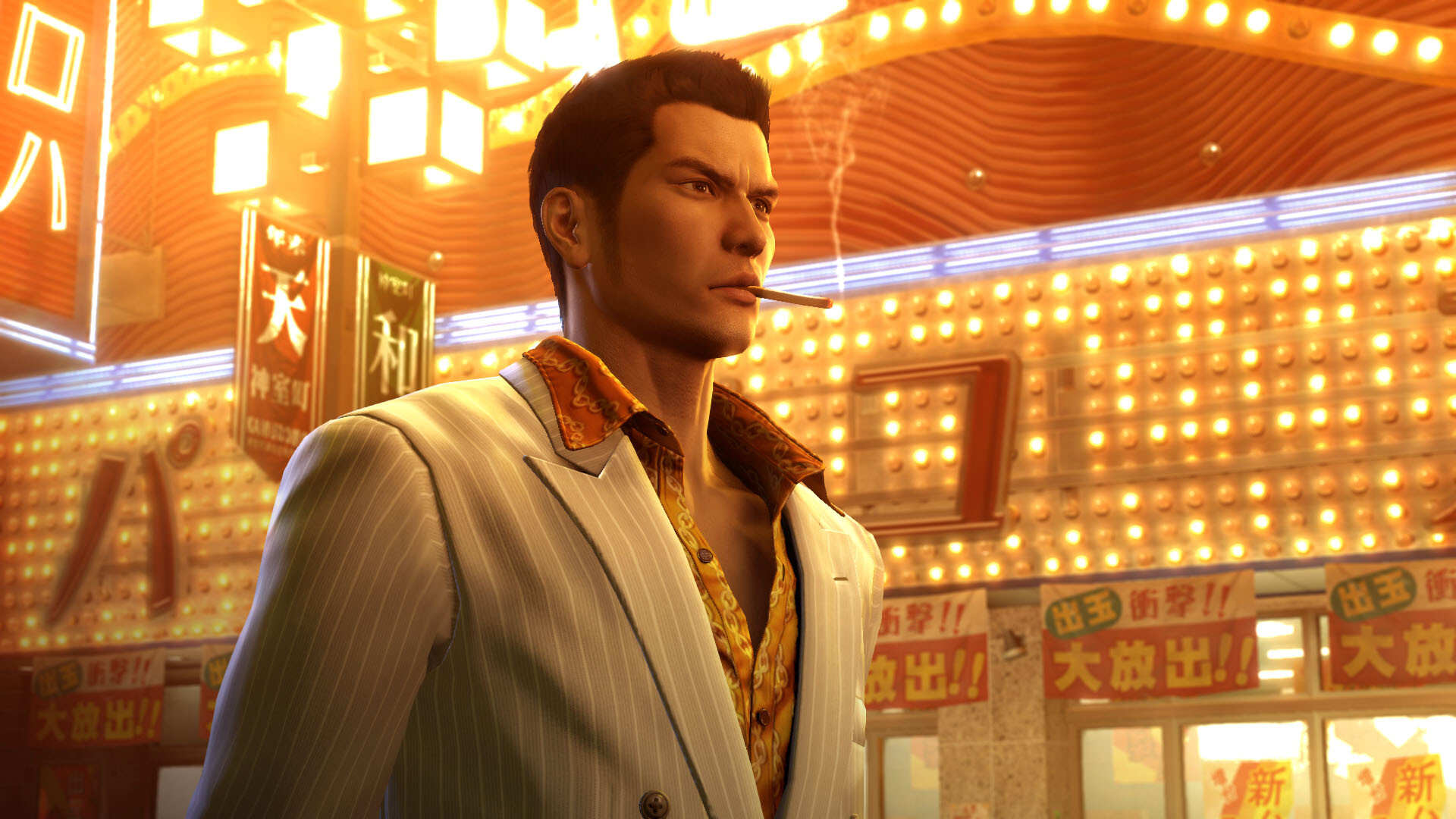
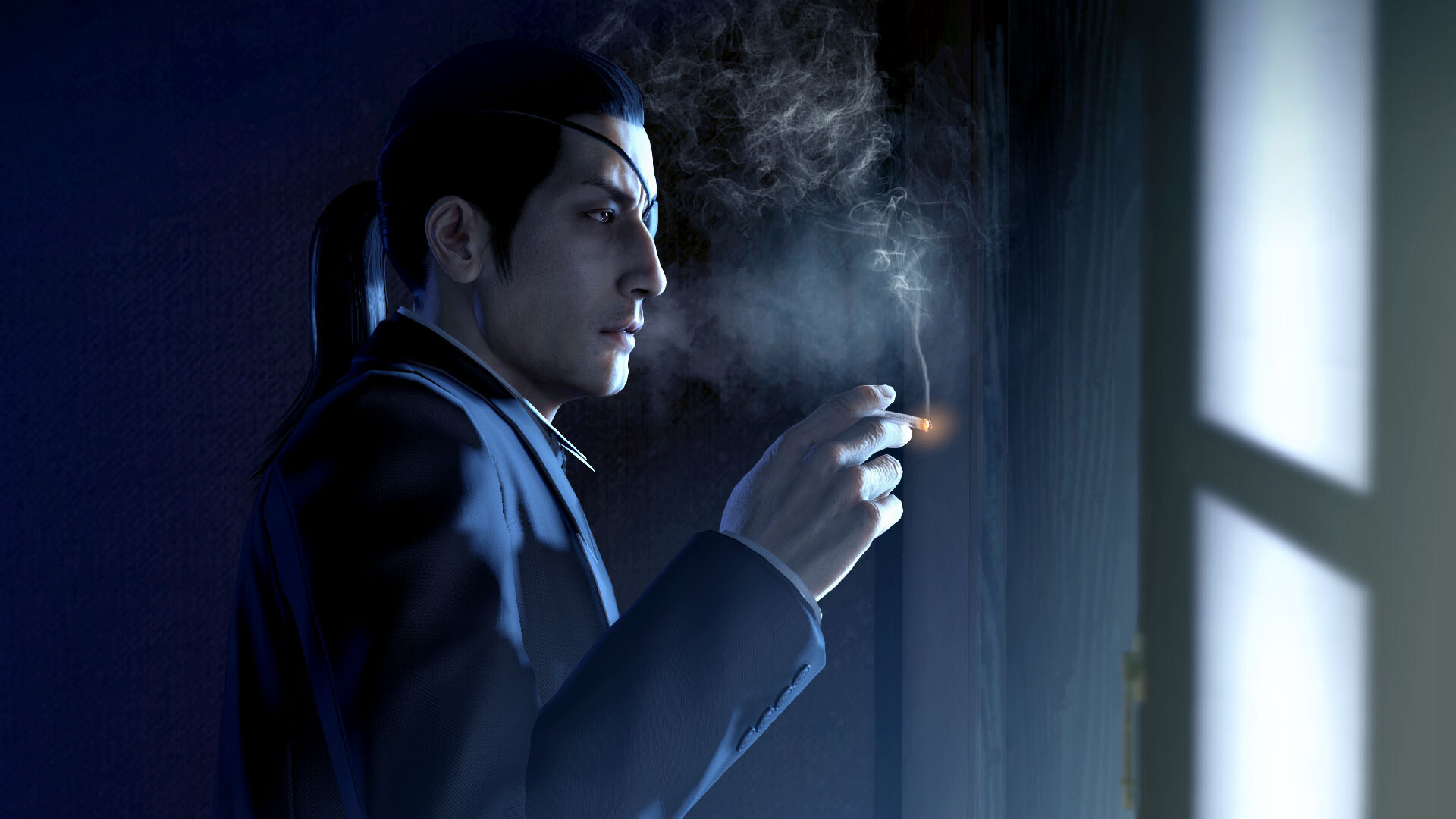
Set in Japan’s late-1980s economic boom, Yakuza 0 Director’s Cut follows young Tojo Clan affiliate Kazuma Kiryu in Tokyo’s Kamurocho and cabaret manager Goro Majima in Osaka’s Sotenbori. Their separate lives become entangled in a struggle over a valuable parcel of land, while street fights, business ventures and city diversions fill the space between story chapters.
Yakuza 0 Director’s Cut moves between two tightly packed entertainment districts at the height of Japan’s bubble economy. In Kamurocho, junior Tojo Clan member Kazuma Kiryu is pulled into a dispute over a small piece of land whose value draws the attention of powerful interests. In Sotenbori, Goro Majima manages the Cabaret Grand while living under the control of the Omi Alliance’s Sagawa. The campaign alternates between the two men rather than letting the player roam freely between them: story chapters shift protagonists, streets and immediate priorities. Kiryu’s route is shaped by the pressure of clan politics and real-estate speculation; Majima’s begins from the precarious position of a capable manager whose freedom depends on satisfying his superiors. The two threads move toward one larger criminal conflict, but their different circumstances give each half a distinct rhythm and supporting cast.
The cities work as compact open districts rather than a single uninterrupted map. Kiryu crosses Kamurocho’s streets, arcades and alleys, while Majima’s outings take place in Sotenbori; both districts place shops, restaurants, entertainment venues and street encounters close together. Moving between a marked story objective and an optional activity is part of the regular flow. People in trouble, local requests and substories introduce residents whose concerns often sit far outside the central yakuza dispute, ranging from small misunderstandings to elaborate comic situations. Completing these episodes can provide money, items, useful contacts or other rewards. The contrast between serious organized-crime pressures and the eccentric problems found around town is built into the same exploration loop: a main-story meeting can be followed by a karaoke performance, a run through an arcade, or an unexpected fight on the pavement.
Street battles begin when Kiryu or Majima is challenged by groups of thugs and rival fighters. Each man has three switchable styles, and choosing one changes the character’s movement and attacks: Kiryu can use the balanced Brawler, evasive Rush and heavy, weapon-friendly Beast styles; Majima’s options are the close-range Thug, bat-wielding Slugger and dance-based Breaker styles. Quick and heavy attacks can be combined into strings, while grabs, counters, dodges and the surroundings create further openings. Heat builds through fighting and can be spent on Heat Actions when an opportunity appears, including context-specific attacks involving nearby objects. Weapons found or carried into a fight give another option, with some styles better suited to wielding them. Switching styles mid-fight lets the player respond to different enemy groups and distances instead of relying on one combo.
Progression ties money earned in the city to new abilities. Money earned through battles and activities can be spent on each protagonist’s upgrade grid, raising attributes and unlocking moves. Money has unusual importance because defeated enemies can drop enormous sums and a dangerous street figure known as Mr. Shakedown can take what Kiryu carries if he loses. That turns encounters into a risk-and-return decision: build a reserve through optional work, spend it on upgrades, or face the threat of losing a large amount. Completion Points earned from side activities can also be exchanged at a shrine for selected bonuses. The game therefore connects its brawling to its economy; improving a character, taking on a stronger opponent and choosing what to do with cash are linked parts of the same progression rather than separate menus.
Kiryu’s Real Estate Royale business is a separate management loop that opens during the story. He buys properties across Kamurocho’s districts, assigns staff and improves holdings, then starts collections that convert the portfolio into further funds. Each area has a local king representing one of the Five Billionaires; raising Kiryu’s district share leads to confrontations that advance this business storyline and open more of the map’s commercial contest. The cycle asks the player to reinvest: acquire property, develop it, collect its return and use the proceeds to expand. Staff contribute to how the business runs, while certain encounters and side stories can bring additional people into Kiryu’s organization. The activity is paced through in-game time and periodic collection rather than continuous real-time strategy, making it possible to check on the company, return to ordinary exploration and come back when revenue is ready.
Majima’s Cabaret Club Czar gives Sotenbori a different business system. Club Sunshine competes with the Five Stars, a group of rival clubs, and a shift begins with selecting which hostesses will work. Once the club opens, customers arrive and the player responds to requests, watches hostesses’ condition and uses management commands to keep service going. Popular shifts increase the club’s fan base in the chosen area; building that audience allows Majima to challenge the rival club in a head-to-head battle. Platinum hostesses can receive special training and makeovers, while staff recovery and cast choices matter from one shift to the next. Partnerships with nearby businesses add local fans. The loop alternates preparation, a timed night of service and rival battles, turning Majima’s managerial work into a more hands-on activity than Kiryu’s property collections.
The 1988 districts also contain diversions that are not part of either business: karaoke, disco dancing, darts, batting cages, fishing, telephone-club conversations, gambling tables and classic SEGA arcade games. Some are short score challenges; others have their own progression or collectible lists, so exploration can lead into an activity that occupies several visits. This Director’s Cut edition adds story scenes intended to give further context to key incidents and character histories, alongside Red Light Raid, an online co-op mode where players choose from 60 characters and fight through enemy hordes. These are additions to the two-protagonist adventure, whose main story and city systems remain the foundation of the campaign.
- Developer
- RGG Studio
- Genre
- Action-adventure crime drama; Steam also tags the game as action, adventure and RPG.