
About XCOM 2
Twenty years after humanity surrendered to alien forces, XCOM survives as a scattered resistance aboard the mobile Avenger. Command soldiers through turn-based missions against ADVENT, while directing research, engineering and a global campaign to rebuild the organization and challenge the occupation.
XCOM 2 takes place two decades after the events that left Earth under alien rule. ADVENT presents its cities as a bright future for humanity, while the resistance sees an occupation built on control and the elimination of dissent. The old XCOM organization has been broken apart, and the player returns as its Commander to lead the remaining force from the Avenger, an alien supply craft converted into a mobile headquarters. The campaign follows the effort to recruit people, connect with resistance groups and strike at the machinery supporting ADVENT. Its setting shifts between controlled cities, wildlands and alien installations, framing a war fought by a small organization that must choose where its limited strength can matter most.
The campaign alternates between a strategic layer and tactical missions. On the Avenger, the Commander scans the globe for opportunities, chooses which contacts and operations to pursue, and responds to enemy activity while the resistance develops. Missions have objectives beyond defeating every opponent: a squad may need to rescue a VIP, retrieve an item, sabotage a target or reach an extraction zone. Some objectives impose a timer or ask the team to leave once the task is done. Because the Avenger is continually moving and the campaign map offers competing priorities, deciding which operation to attempt is part of the strategy. Completing missions brings supplies, intelligence, recruits or other rewards that help XCOM keep the wider effort moving.
A mission is fought in turns on a tactical map, with each soldier receiving two action points to spend on movement, attacks or abilities. Moving farther with a dash spends both points, while firing, reloading, using equipment and interacting with mission objects all compete for the same turn. Cover reduces the chance of being hit, but enemies can flank exposed positions, so moving to a good tile is as important as choosing a target. The interface previews hit chances and expected damage, but the player still works with uncertain shots and the possibility that a soldier will miss. Overwatch lets a soldier prepare to fire at an enemy that moves into view. Ammunition magazines mean firing repeatedly without reloading can leave a soldier unable to shoot at a critical moment.
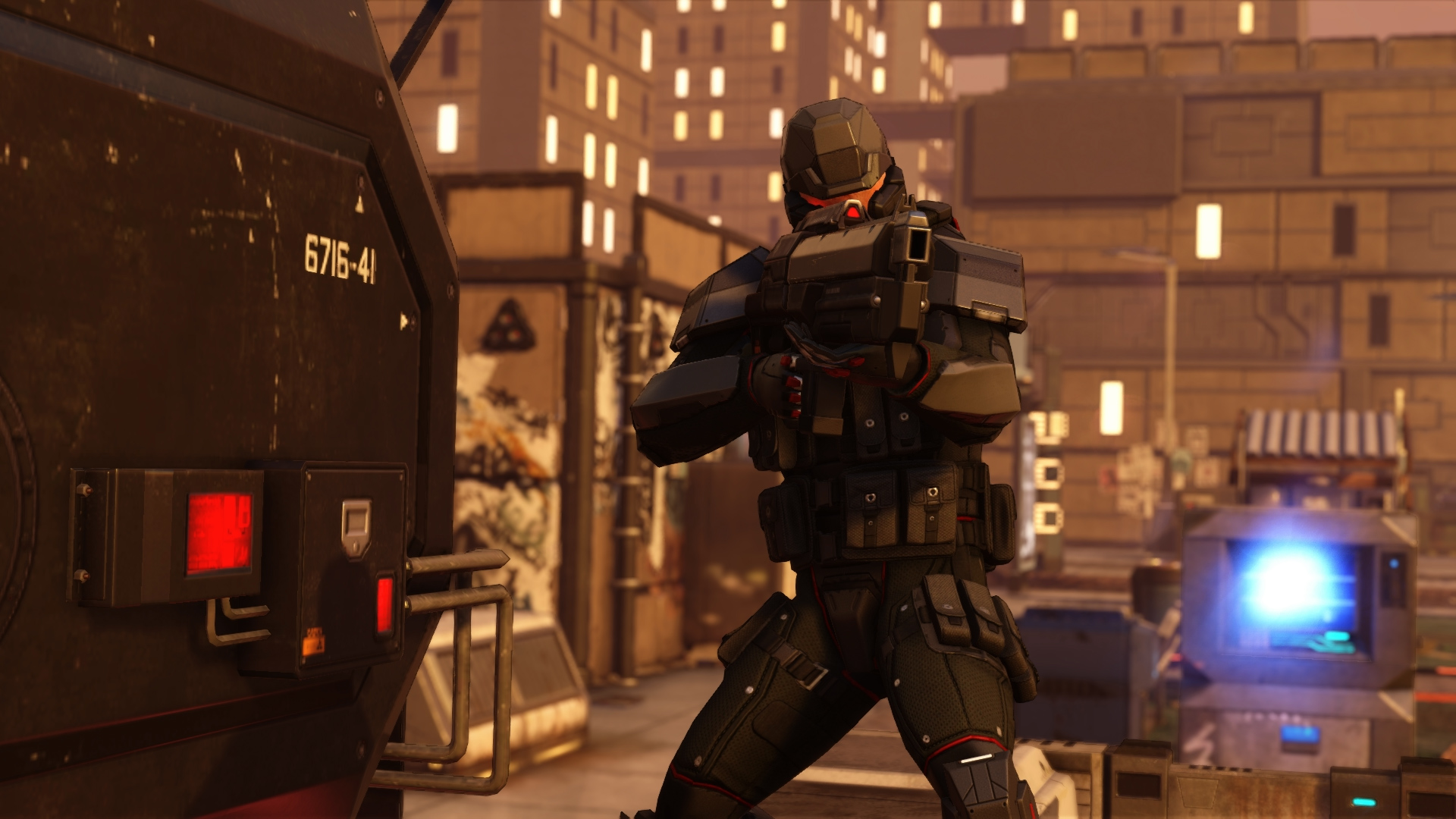
Many missions begin with the squad concealed, letting soldiers approach enemy patrols before combat starts. Firing, entering an enemy’s sight or making enough noise breaks concealment, so the opening movement is an opportunity to choose where and when the fight begins. Once discovered, the team must use cover, flanking routes, explosives and class abilities to deal with enemies while keeping its own members alive. Five core soldier classes have separate skill trees, allowing different combinations of close-range fighting, heavy weapons, marksmanship, technical support and specialist abilities. Soldiers gain ranks and new abilities through experience, but those who die are permanently lost from the roster. Wounds can keep survivors unavailable for later deployments, giving each risky encounter consequences that continue after the squad returns.
Between deployments, scientists and engineers turn captured knowledge and gathered supplies into new capabilities. Research unlocks weapons, armour and other projects; engineering builds or upgrades rooms aboard the Avenger and manufactures equipment. Assigning staff and choosing what to develop affect when particular tools become available, while a growing headquarters gives the resistance more options. The five classes can be outfitted for different roles, and soldiers can carry utility items suited to the mission. The Avenger’s rooms represent distinct parts of that development: research and engineering improve what XCOM can field, while other facilities train recruits or support strategic operations. These decisions link the tactical encounters to the larger campaign, since a new weapon or specialist tool can change how a squad approaches the next objective.
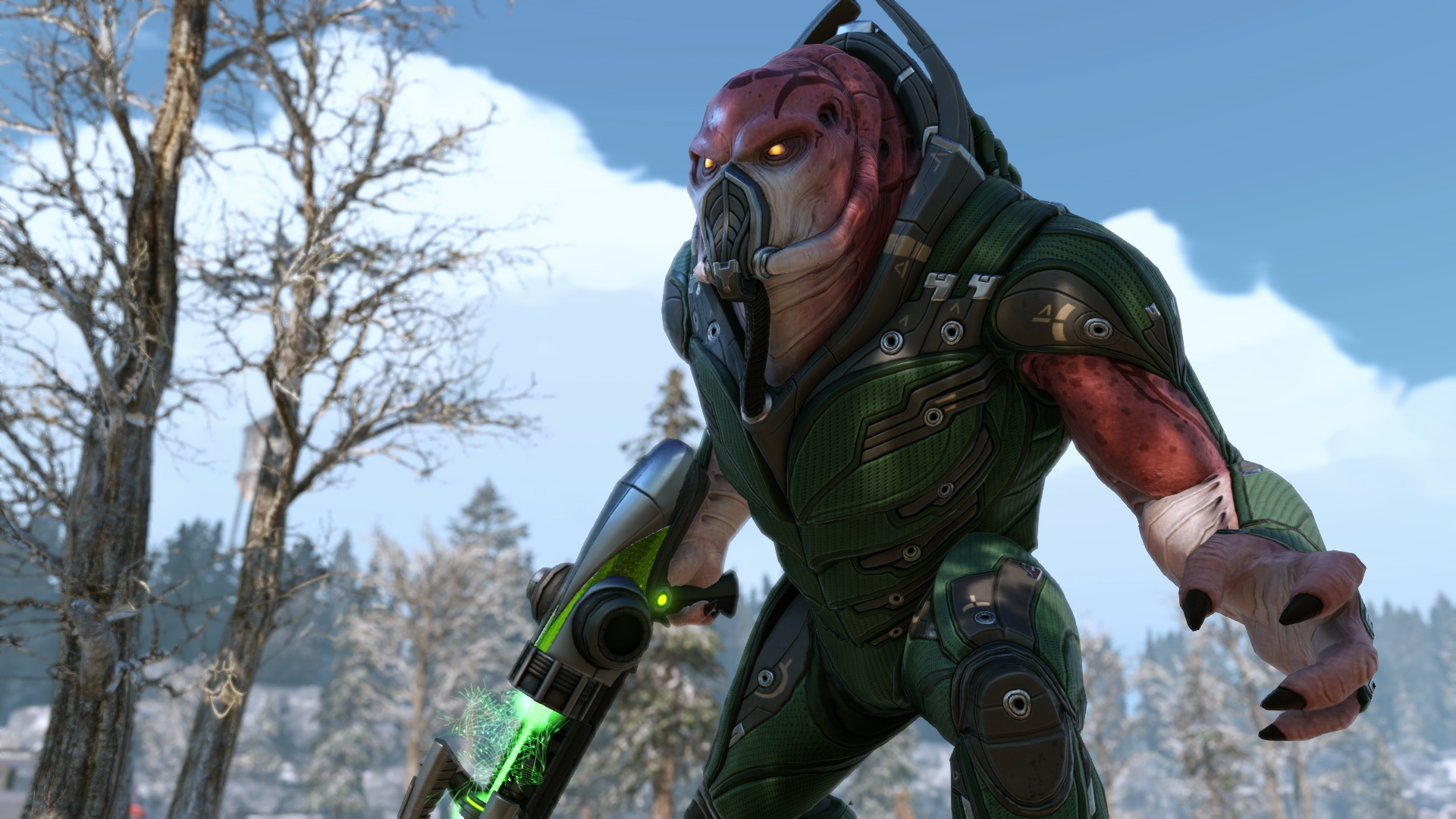
The enemy force combines ADVENT security troops with alien species serving the regime, and their abilities ask the squad to change its formation and priorities. Enemy groups use cover, weapons and special attacks, while some mission objects can be hacked to disable systems or turn machinery to XCOM’s advantage. Soldiers can also collect equipment and artifacts dropped during a fight, adding a reason to move toward a defeated enemy when the area is still dangerous. Rescue and extraction tasks make positioning matter beyond who can shoot whom: the squad may need to reach a person, carry a fallen comrade or call in an evacuation point and then hold a route long enough to leave. The changing objectives and map layouts combine the same underlying action economy in different tactical situations.
War of the Chosen expands XCOM 2 with the Chosen adversaries and the Reaper, Skirmisher and Templar resistance factions, but those additions sit outside the original campaign. In the base game, the Avenger, five soldier classes and a growing resistance network carry the effort against ADVENT. The Commander must decide which threats to answer, which technologies to pursue and which soldiers can afford to enter the next mission. Each deployment tests the force assembled between battles, while its outcome determines what personnel and resources remain. The campaign's tension comes from that connection: even a successful objective may cost a veteran soldier or supplies needed for the next opportunity.
- Developer
- Firaxis Games
- Genre
- Turn-based tactical strategy