
About WUCHANG: Fallen Feathers
Wuchang, a pirate warrior with no memory of her past, explores late Ming Dynasty Shu as Feathering transforms people into monsters. This Soulslike action RPG combines timing-based combat, weapon and spell builds, and an interconnected landscape of temples, villages and ruins where choices shape the story.
WUCHANG: Fallen Feathers is set in the land of Shu during the final years of China’s Ming Dynasty. The region is fractured by conflict between warring factions and threatened by Feathering, a mysterious illness that mutates people into monsters. Wuchang, a female pirate warrior, wakes with amnesia and finds herself afflicted by the same phenomenon. Her search for the truth about her past unfolds in a land already under pressure from plague, violence and supernatural change. The setting draws on Ming-era China while presenting a dark fantasy world of human communities, dangerous creatures and histories that have been partly lost.
Exploration takes Wuchang through an interconnected landscape rather than a chain of isolated arenas. Forgotten temples, cursed villages and shadowed ruins form a network of places to cross, investigate and revisit. Paths can reveal secrets, and shortcuts connect areas in ways that change how the player moves through Shu. This structure makes navigation part of the challenge: the player learns how locations relate to one another while facing enemies along the way. The environment provides context for the region’s crisis, from abandoned or corrupted settlements to ancient sites, while the routes between places support return journeys and new discoveries.
Combat is built around adapting to enemies through a mixture of melee attacks, spells and weapon techniques. Wuchang’s Skyborn Might system rewards careful timing by enabling enhanced techniques and special skills. Linking attacks into combinations asks the player to watch an opponent’s openings and choose when to commit to a sequence. The system emphasizes timing and response rather than using one fixed attack pattern in every encounter. Weapon choice and technique selection can change the feel of a fight, giving the player room to shape an approach for different threats and situations.
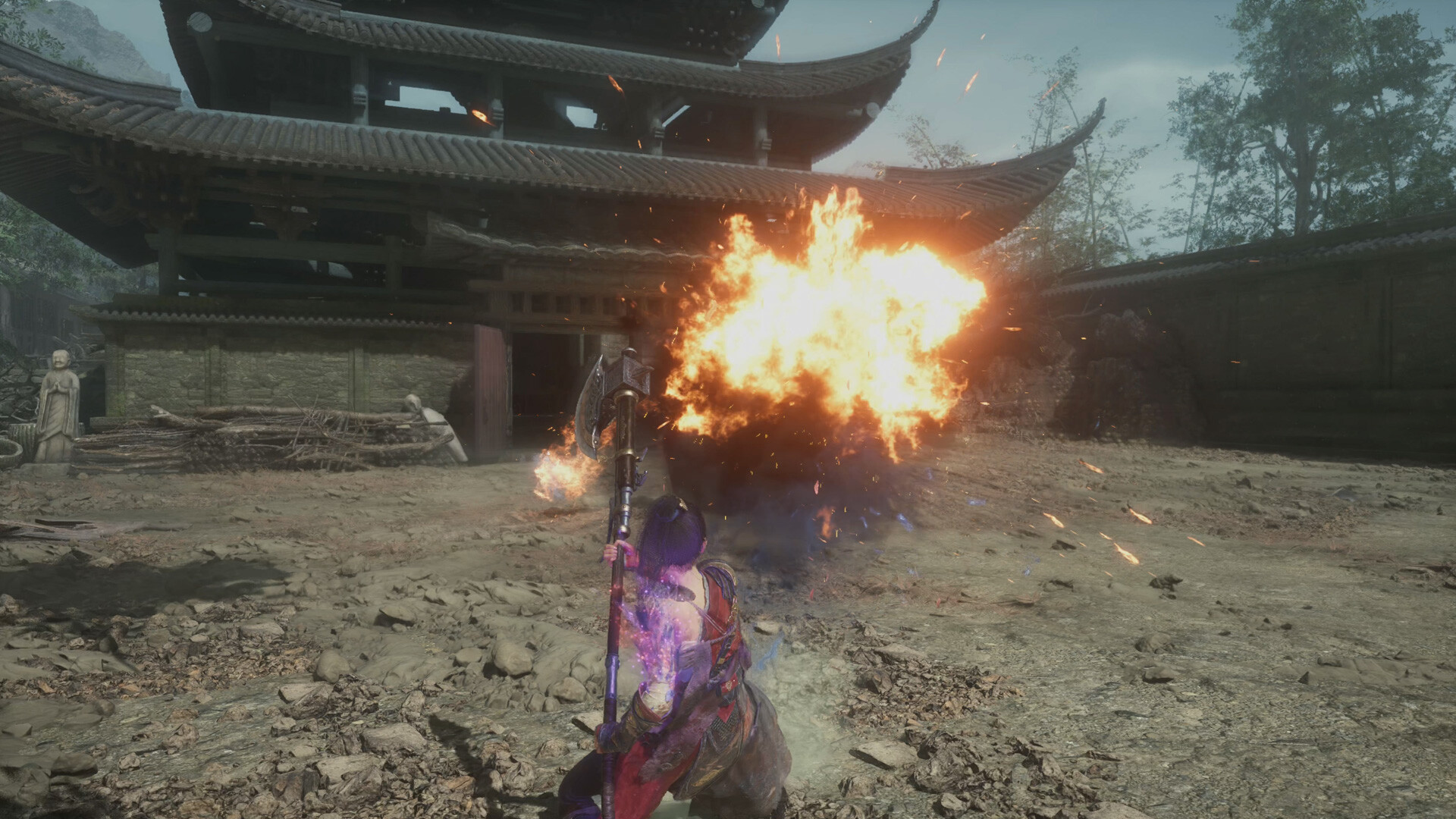
The player can expand Wuchang’s arsenal and abilities as the journey progresses. Weapons, ancient firearms and spells offer different ways to answer hostile creatures, while defeated foes can provide new skills. The Impetus Repository provides a place to allocate skill points and develop attributes, letting the player invest in abilities that support a preferred style. Outfits and accessories add further options for customizing Wuchang. These systems make character development a combination of tactical choices: which weapons to equip, which abilities to unlock, and how to distribute resources to make a build more effective in the encounters ahead.
Feathering is both a threat and a source of power. It causes people to mutate into monstrous forms, and Wuchang must contend with the illness in herself while travelling through a land affected by it. The game also lets her embrace its power to uncover more of the truth at the heart of the chaos. That dual role gives the affliction a place in the fiction and in the character’s capabilities. It complicates the idea of a clean boundary between the warrior and the forces she fights, while connecting her personal mystery to the wider condition of Shu. Weapons can also be augmented with enchantments, adding another way to tune a loadout for a chosen combat approach. The player can therefore adjust both the tools brought into a fight and the skills developed over time.
The Inner Demon system adds a cost to continued aggression and failure. The mark grows with each kill and death, increasing Wuchang’s attack power while making her more vulnerable. If it grows too far, the demon takes form as a dangerous opponent; defeating it is tied to recovering what has been gained. This creates a changing risk during play. Greater power can make the next fight more manageable, but the increased vulnerability raises the stakes of taking damage. The system asks the player to consider the accumulated state of the character as well as the immediate enemy, making each battle part of a longer sequence of decisions.
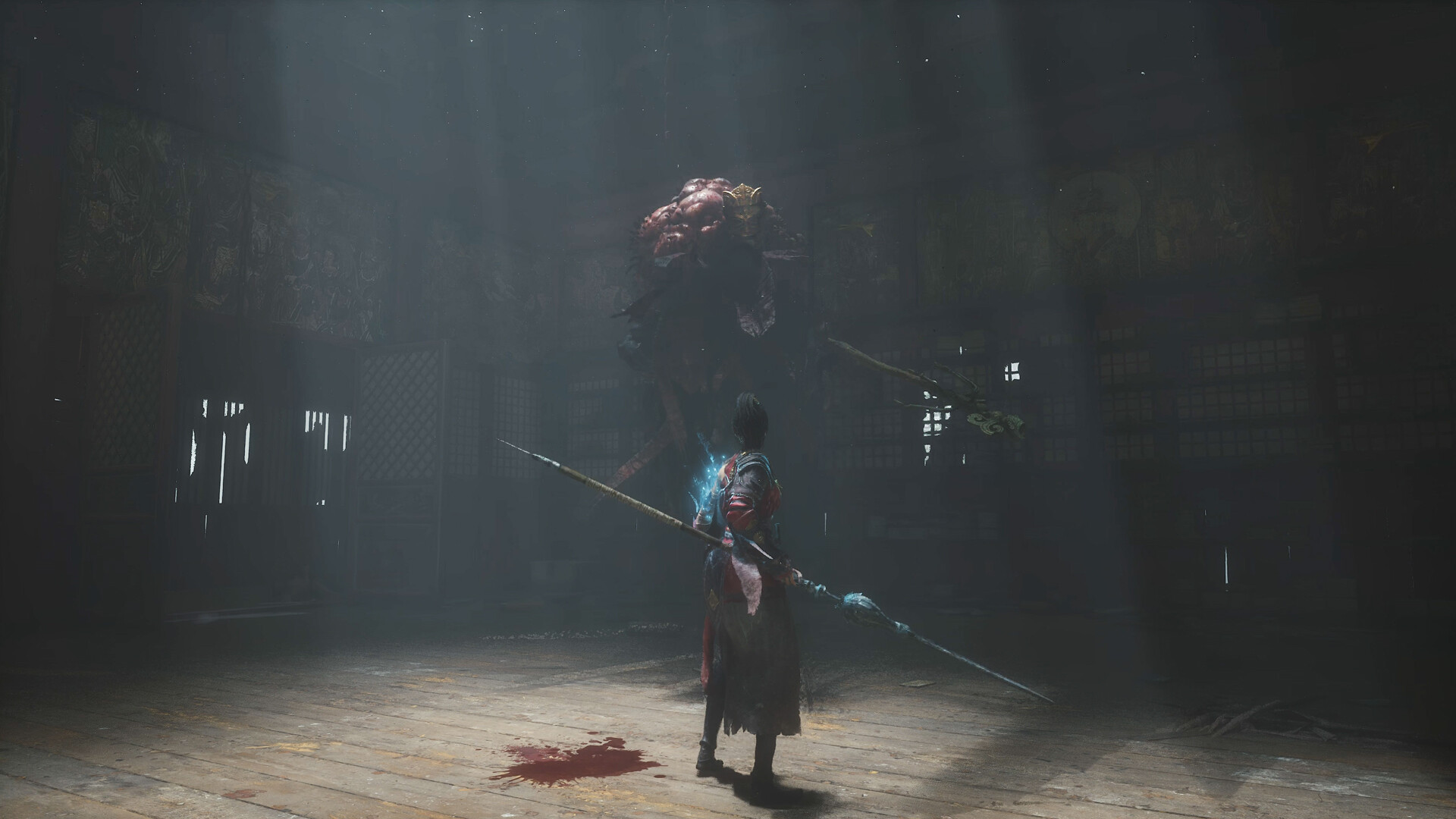
Boss encounters emphasize reading patterns and mastering combat under pressure. The enemies have distinct move sets and force Wuchang to respond to fast, threatening attacks. Combining careful timing, selected weapons and developed skills gives the player tools to meet these fights, but victory depends on learning how an opponent behaves. Exploration and combat feed into each other: finding routes, shortcuts and secrets helps the player understand the world and can lead toward new confrontations, while defeated bosses expand the character’s options. The game’s progression ties mastery to both the player’s decisions and the abilities gathered along the path.
Wuchang’s amnesia gives the expedition a personal question, while the crisis in Shu gives it a regional one. As she travels among temples, villages and ruins, she encounters the effects of Feathering and the forces shaped by factional conflict. Weapons, skills and the Inner Demon system make combat a process of balancing strength against risk; the connected world rewards attention to routes and hidden details. The story’s decisions influence its direction, though their specific consequences depend on play and are not summarized here. The game brings these elements together in a Soulslike action RPG about exploring a transformed land and seeking the truth behind Wuchang’s condition.
- Developer
- Leenzee
- Genre
- Soulslike action RPG