

About White Day: A Labyrinth Named School
Hee-min enters Yeondu High after hours to leave So-young a White Day gift, then finds himself sealed inside. Armed janitors stalk its halls, ghosts trouble its rooms, and every route depends on clues and puzzles. This Korean first-person horror remake mixes exploration, evasion, scarce supplies and branching conversations with other trapped students.
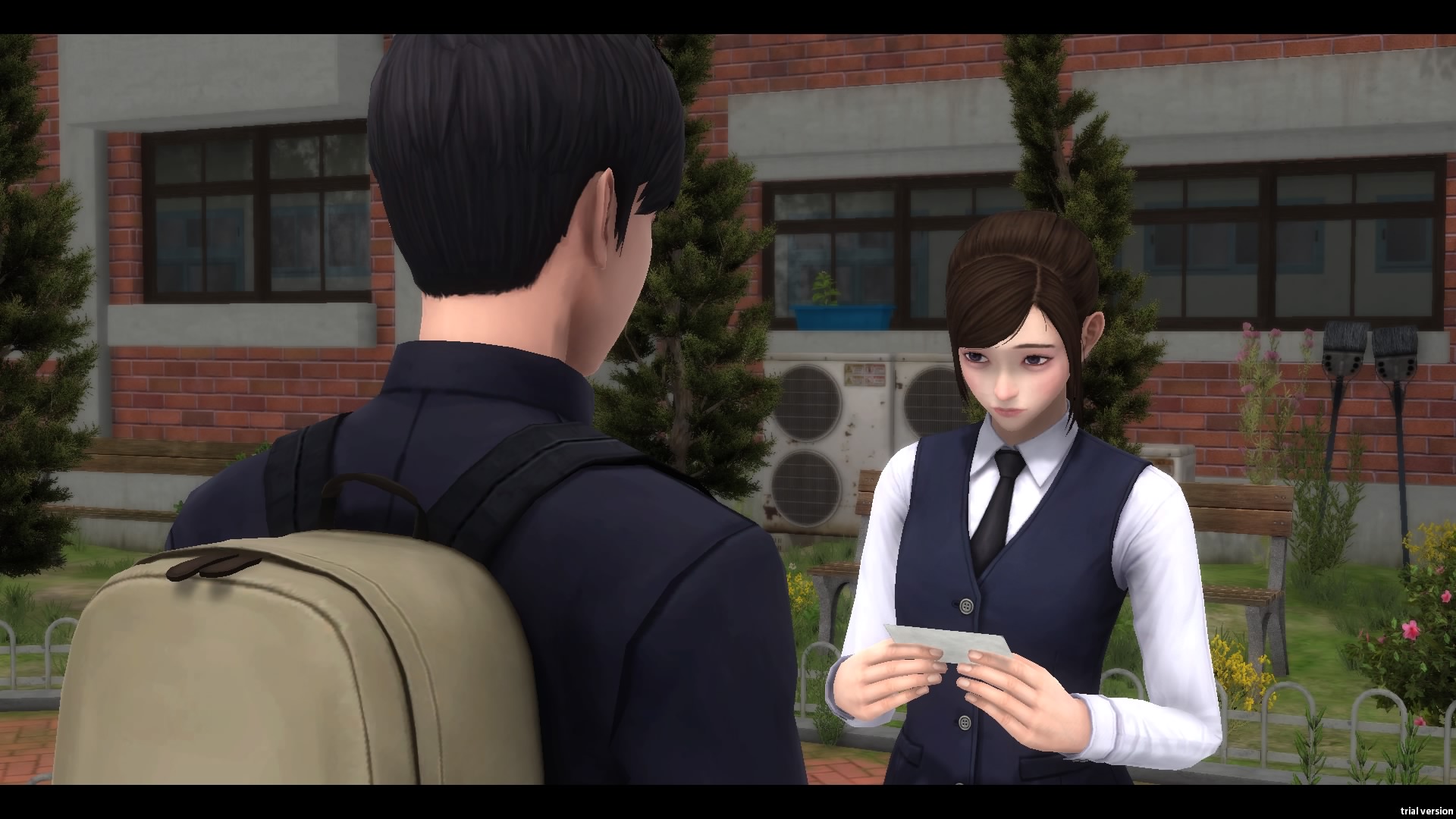
Lee Hee-min has a modest reason to visit Yeondu High after hours: he wants to leave sweets for Han So-young before White Day, the gift-giving holiday. When the school seals itself around him, that small plan gives way to a night of searching for an exit. Corridors are patrolled by janitors who do not treat his presence as a simple rule violation, and ghosts reveal that the building has a longer, darker history than its pupils ordinarily see. White Day: A Labyrinth Named School is the modern remake of a Korean horror game first released in 2001. It keeps the school as the whole of its world rather than sending the player from one unrelated haunted location to the next. Hee-min meets other students trapped inside, including So-young, and their accounts do not all point toward the same explanation. The initial romantic gesture remains part of the story, but the night is also about the people who have passed through Yeondu, what the school has hidden and how Hee-min treats those who may be relying on him.
The building is explored in first person, so a classroom is read from the doorway, the desk and the corners of its walls rather than as an abstract point on a map. Locked routes and puzzle objects turn movement through the school into an exercise in remembering. A document may hint at an earlier incident, contain a clue to a mechanism or explain why one part of the building feels unlike another. Solving a riddle can open a new section, but it can also change the player's understanding of what happened in the rooms already visited. Key items and magical seals are part of the route forward. The game does not always allow a solution to be memorised from a previous run: some puzzle answers can vary, making observation of the current clues more useful than assuming a single fixed sequence. Its exploration therefore asks for two kinds of attention at once. The player needs to learn the corridors well enough to travel between puzzles and needs to read enough of the school's records to see the reason those puzzles and hauntings belong here.
A janitor's approach can interrupt that search without warning. Hee-min has no conventional weapon with which to stand and fight, so survival means slipping out of sight, hiding and judging when a corridor is safe to cross. Lights, footsteps and other disturbances can betray his presence. A door that is merely a convenient shortcut while the hall is empty may become an exposed route when the janitor is nearby. This threat does more than produce a chase scene: it changes the circumstances under which a puzzle must be solved. A player trying to inspect a shelf or compare two notes may have to leave the room, wait and return with the building's layout still in mind. Other ghostly encounters punctuate the journey, sometimes tying a scare to the history found in documents. The absence of combat keeps the focus on what Hee-min can learn and where he can move. It also means that finding a safe place to pause can matter as much as finding the next object needed to unlock a door.
The remake retains survival-horror limits around its puzzles. Healing supplies are finite, carrying space demands choices and saving uses a resource rather than an unrestricted automatic checkpoint. These restrictions encourage a player to consider a return route before entering a newly opened part of Yeondu. Spending a save too early may feel different from saving after several rooms of progress, just as using a healing item to survive a janitor encounter reduces what remains for an unknown ghost. This is not a game of building an arsenal or gaining combat levels. It creates pressure through a sequence of smaller decisions about time, safety and information. Some encounters demand a quick response, while other puzzles permit a slower examination of the setting if the patrol has moved away. The contrast is important: a school that can be studied room by room feels more substantial than one that exists only for its frightening figures to appear, yet the possibility of pursuit stops that study from becoming wholly comfortable.
Hee-min's conversations with other students also affect the journey. He can select responses rather than merely receive a fixed account, and choices and actions help determine how relationships develop and which ending follows. So-young is more than the reason for his gift; students such as Sung-a and Ji-hyeon bring their own concerns and perspectives into the school. The same haunting can look different when a note is placed beside a character's explanation of what they know. Collectable ghost stories provide another layer, connecting apparitions to people rather than leaving them as anonymous obstacles. A player can pursue an immediate escape while still finding reasons to inspect a classroom that seems to be off the direct route. The publisher also identifies an additional Yoo Ji-min route in this remake. That scope matters when comparing the modern game with memories of the 2001 original: the newer edition revisits its premise, reworks its presentation and expands some ways of seeing the school's night, rather than being a simple resolution upgrade of a single fixed path.
Small objects make the school's danger manageable without removing it. A felt tip pen can be used at a bulletin board to save progress, so simply finding a safe room is not always the same as preserving what has been discovered. Tokens and vending machines provide another reason to search beyond the next mandatory key: a supply bought before a difficult return trip can make the difference between escaping a patrol and starting over. Easier modes provide more overt hints about the route and the janitor's proximity, whereas harder settings ask the player to rely more heavily on documents and memory. This changes how a newcomer reads the same classrooms. A note that looks like optional background on one setting may be a useful navigational clue on another. Some ghost encounters and side discoveries are optional, leaving room to approach Yeondu as a tense escape on a first visit and return later to understand more of its history. Those systems make revisiting purposeful without turning the About page into a list of solutions.
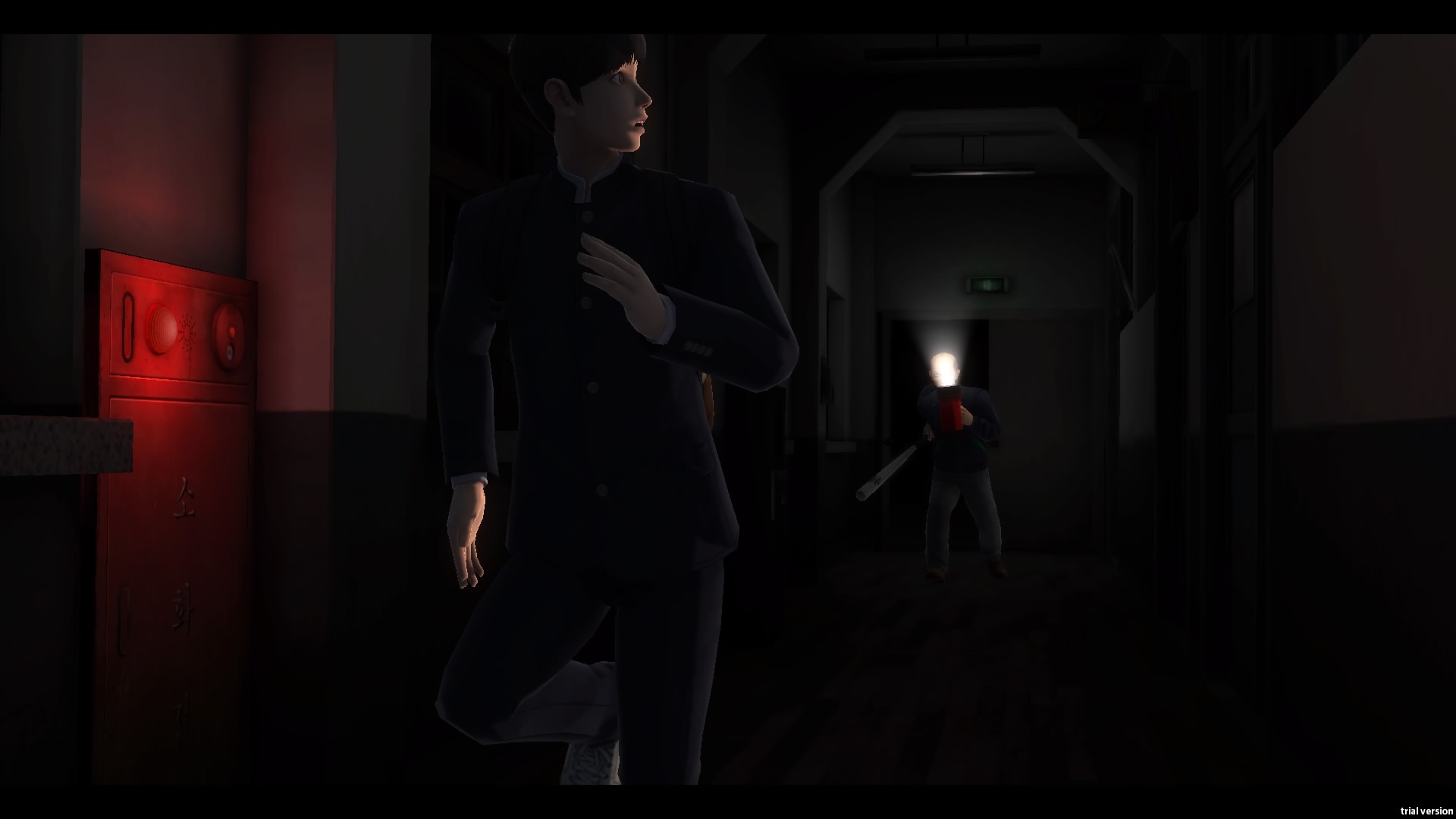
Yeondu's audio and visual changes bring the old first-person horror premise into the newer release, but the design still relies on a recognisable school building. The unease comes from shifting the meaning of ordinary features: a bank of lights can expose Hee-min, a classroom can conceal an old story, and a corridor can become a route shared with a hostile janitor. Difficulty settings change how severe some pressures become, while harder modes can impose additional time pressure and more ghost activity. There are multiple endings, but storefront and period accounts disagree about the precise total across editions, so the useful point for a newcomer is that relationships and actions can give a later visit a different course. This profile concerns the 2017 remake and its core story; later-platform costume bundles should not be assumed to be part of every PC purchase. White Day combines school exploration, variable puzzles, stealth and branching conversations in one location. To make it through the night, Hee-min must learn both the shape of Yeondu and the histories that have made it dangerous.
- Developer
- SONNORI Corp
- Genre
- First-person survival horror and puzzle adventure