
About Visage
Inside a large, changing house marked by past tragedies, the player explores rooms and corridors to find a way out and uncover what happened there. Dark entities stalk the defenseless protagonist, while fear attracts danger and threatens sanity. Progress depends on examining the environment, finding useful objects and deciding when light offers a safer path.
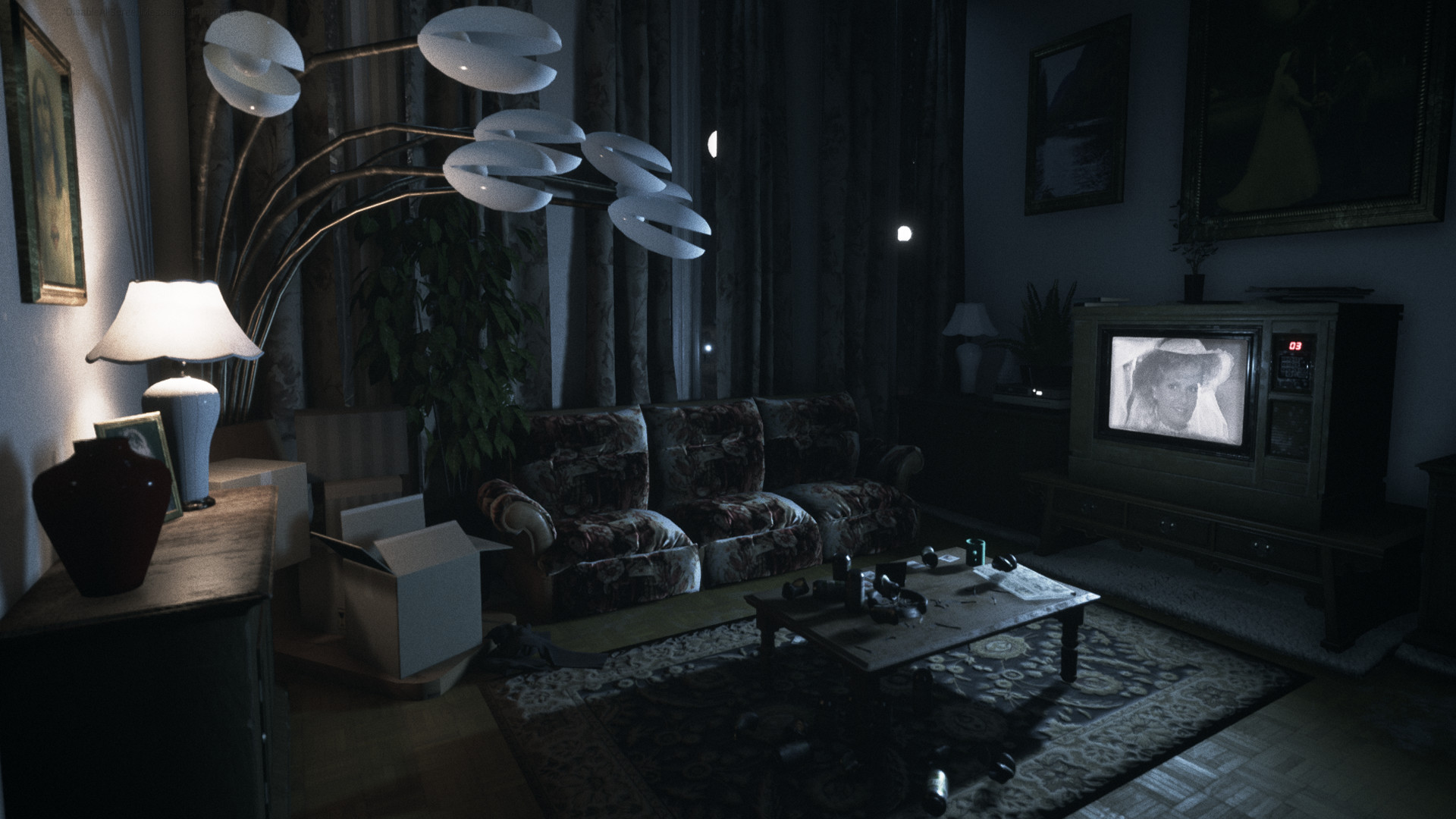
Visage is a first-person psychological horror game set inside a large house with a long record of violence, death and mental collapse. The player wanders its corridors and rooms, looking for a route out while piecing together traces of the families who once lived there. The house can feel recognisable and domestic, yet its layout and atmosphere shift into something uncanny. Its story is not delivered as a simple sequence of explanations: surreal images and small environmental details carry information, leaving the player to interpret how the rooms and their histories fit together. A creaking floor, a crack or a breath from a window can draw attention to a room before any entity appears.
Exploration is the foundation of play. The house contains gloomy passages, closed rooms, objects and possible routes, and the player must search carefully to discover what can be examined or used. Familiar spaces can become difficult to read as corridors stretch into maze-like arrangements and quiet details take on new significance. This slow pace gives ordinary movement a tense quality. A sound from another room or an unexpected change in the environment can alter how a previously safe area feels, so returning through the house means paying attention again rather than simply retracing a known route. The creaky, noisy house makes sounds part of exploration, guiding attention as much as visible objects or doors.
The narrative is structured around the house’s accumulated tragedies and the people connected to them. The player encounters fragments of earlier lives and events rather than receiving a detached historical account. Each room suggests that someone’s story happened there, and exploration gradually brings the player closer to those histories. The house acts as the link between these accounts: it preserves their traces while also making them immediate through disturbing visions and supernatural activity. The larger mystery concerns why the player is there and how the present experience relates to the deaths and suffering embedded in the home. SadSquare describes the full game as four chapters, each exploring a different horror subgenre beneath an overall surreal tone.
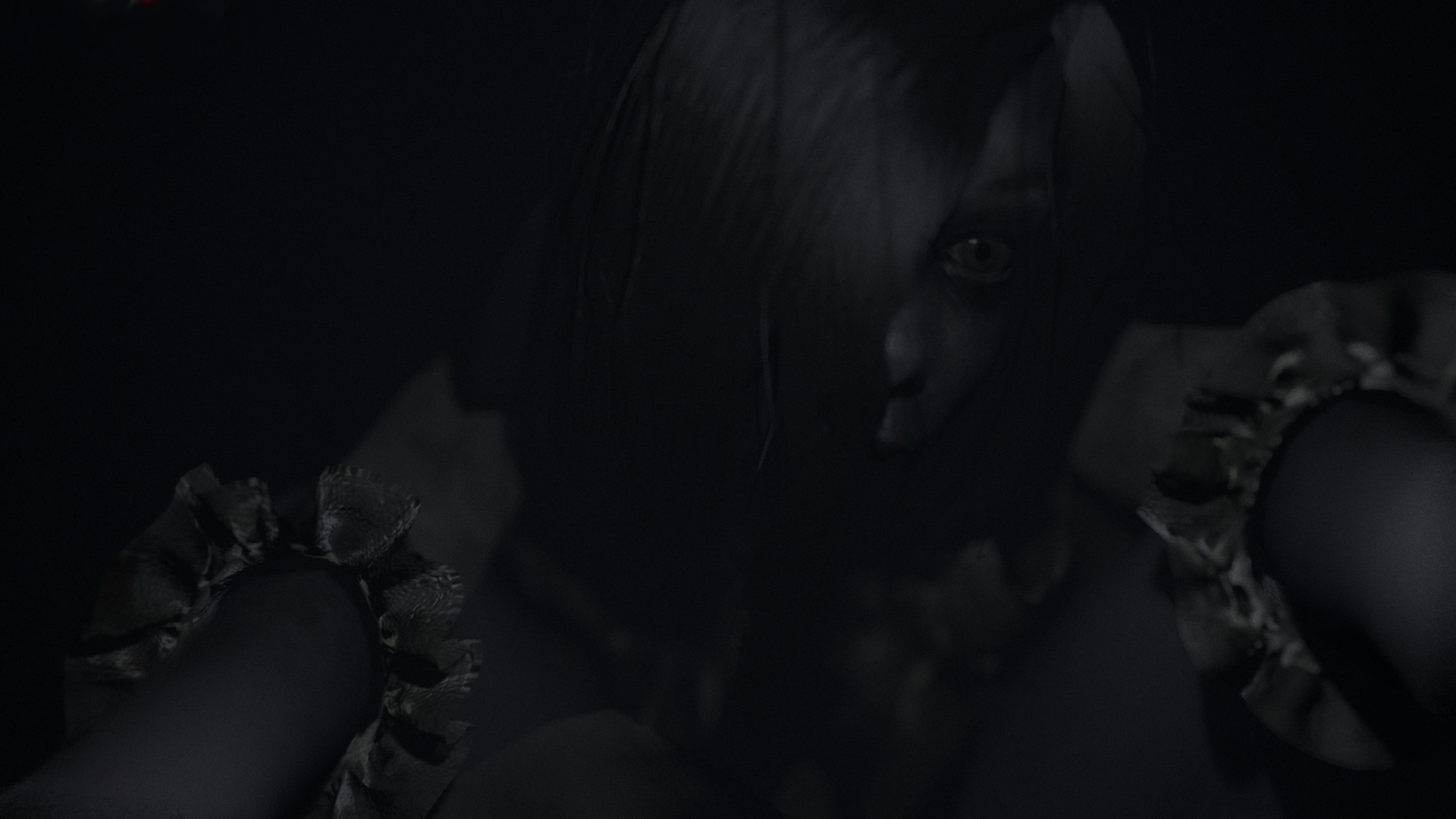
Dark entities make the house dangerous and unpredictable. The families who died there haunt the player, watching, following and interfering with perception before attempting to attack. The game does not frame this as combat: the player is defenseless and cannot rely on weapons to clear a room. Instead, survival depends on noticing changes, managing exposure to fear and searching for objects or environmental details that can help. Danger can come from the next doorway or a familiar corner, which keeps exploration cautious and makes information gathered from the surroundings valuable. The dead may watch, follow, distort perception or attack, making ordinary movement itself a risk. Death is not a simple escape from the house; survival and understanding remain tied to the player's choices.
Sanity and fear are connected to survival. Fear attracts the dark entities, while staying in the light can help the player maintain sanity. This gives lighting a practical role in how the player moves through the house. Darkness is part of the atmosphere, but remaining in it too long carries consequences; finding a safer illuminated space becomes one way to manage the pressure. The balance is not simply a meter to ignore while exploring. It encourages the player to weigh curiosity against the risk of becoming more vulnerable to the entities. Light is a survival tool in a house where terror draws entities closer, not simply a way to see the next room.
Objects and environmental interactions supply the tools for progress. The player can pick up key items, inspect rooms and look for things that might open a path or deepen the nightmare. A clue may be subtle, and an object’s importance may only become clear after the player has explored another area. The game’s slow progression asks for patience and careful attention to what has changed. Because the protagonist cannot defend themselves with weapons, solving the practical problem of where to go and what to use matters as much as avoiding immediate threats. Images, room details and objects can carry important information, and the game does not immediately explain every connection. Objects may point toward an escape route or draw the player further into the nightmare, leaving their value uncertain until the surrounding space is understood.
Visage builds its horror from a combination of familiar domestic space, distorted perception and unseen history. The house is not simply a backdrop; its layout, light, sound and objects communicate fragments of its past while also creating uncertainty about the present. The experience moves between calm exploration and sudden threat, with the player trying to understand the stories attached to the rooms without losing control of their fear. Its core loop remains deliberately investigative: explore, notice what has changed, find something useful and decide whether to press further into the house. The changing layout can return familiar rooms in altered forms, giving locations both practical and narrative significance.
- Developer
- SadSquare Studio
- Genre
- First-person psychological horror