
About Until Dawn
Eight friends return to an isolated lodge on Blackwood Mountain, a year after two members of their group disappeared. In this rebuilt version of Until Dawn, the player moves among the young adults, explores the mountain and makes choices that affect how their night unfolds, while quick-time events test reactions during moments of danger.
Until Dawn begins with a group of eight friends returning to an isolated lodge on Blackwood Mountain, a year after two members of their group vanished. The reunion places old relationships and unresolved memories inside a remote winter setting, then turns the mountain retreat into a night of escalating danger. The player takes control of different members of the group as the story shifts between them. That changing viewpoint is central to the structure: characters may be separated across the mountain, but an earlier conversation, decision or action can alter what another person faces later. The story’s slasher-horror setup stays focused on the group’s attempt to get through the night, with the mystery surrounding the mountain unfolding through scenes, discoveries and the decisions made along the way.
The playable cast is an ensemble rather than a single hero with a supporting team. Each section gives one character the immediate task of moving through a location, speaking with friends or reacting to a threat, while the consequences can reach beyond that person’s chapter. Conversations let the player set a tone, take a side or hold back; under pressure, a character may also have to choose how to respond before the moment passes. These choices shape relationships and later circumstances as well as the immediate scene. The game does not treat every line as equally decisive, but its branching narrative links selected actions into a larger web of possible events. The player’s version of the night is built from those accumulated choices rather than from a fixed sequence of identical outcomes.
The Butterfly Effect system makes those links visible through a record of decisions and their emerging consequences. Choices that seem small can establish a character’s attitude or change how a later situation is approached, while major decisions can place someone on a different path. The system presents consequences as possibilities rather than a complete forecast, so it helps explain that a choice matters without revealing every result in advance. Outcomes can affect who remains in danger and which events the group experiences before morning. Since the story supports many combinations of character fates, replaying chapters with different decisions can reveal scenes and relationships that a single route does not include. The structure rewards attention to what characters say and do, while leaving uncertainty around the full effect of each choice.
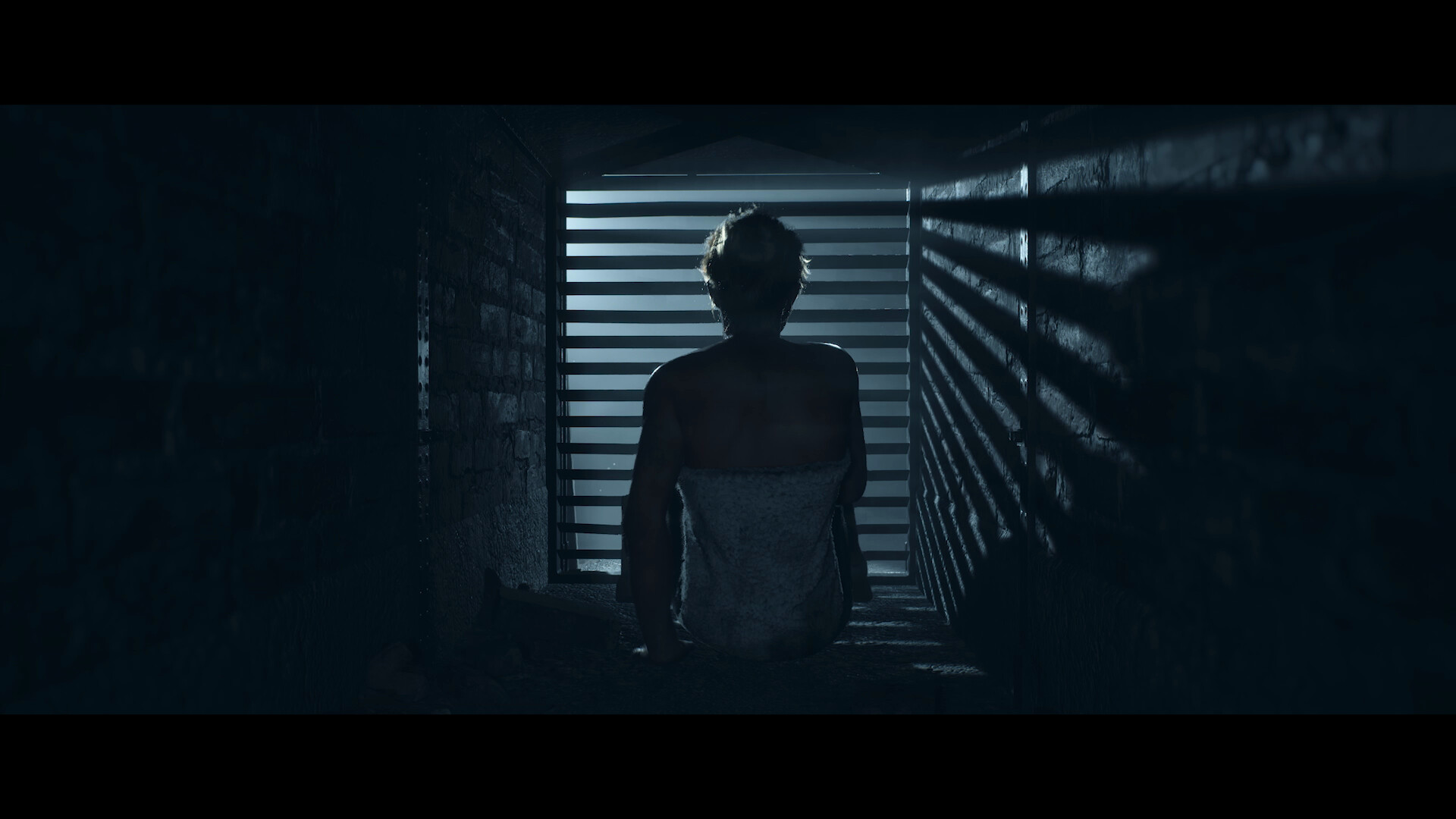
Exploration gives the player time to look closely at Blackwood Mountain between the more tightly directed scenes. Characters move through the lodge and surrounding locations, inspect objects and pick up clues that help connect the night’s events with the mountain’s history. Totems are small carved objects hidden through the chapters; each one offers a brief vision associated with a possible future event. Finding one does not simply solve a puzzle or unlock a weapon, but provides a fragment to consider as the story continues. Clues form several separate threads tied to the Washington family, earlier events on the mountain and the people involved in the current crisis. Reading and interpreting these discoveries adds context to the central mystery without pausing the narrative for a separate investigation mode.
When a scene turns physical, quick-time events ask for timely inputs that match prompts on screen. A missed input can change what happens to a character, so action scenes remain connected to the same consequence-driven structure as dialogue. Other tense moments use the Don’t Move mechanic, asking the player to keep the controller still while a character tries to avoid drawing attention. On PS5, the rebuilt version also offers Stay Calm as an alternative for this challenge, and its accessibility settings include simplified quick-time events and adjustable assists. These options affect how the inputs are handled, while the underlying scenes still ask the player to guide the group through moments where hesitation, movement or a wrong response can matter.
The 2024 release for PC and PS5 is rebuilt in Unreal Engine 5 by Ballistic Moon, with PlayStation Publishing as publisher. It updates character models, environments, props, lighting, effects and animation, and combines fixed cinematic views with a closer third-person camera. That camera gives the player more direct control while searching rooms and outdoor spaces, while fixed views remain part of the presentation for selected scenes. The edition also reworks the prologue’s pacing and expands the Washington family’s presence there. These changes belong to the 2024 version; the night’s central story and its network of consequential decisions remain the foundation. A new score and reauthored audio give this release a distinct presentation while its playable structure continues to alternate exploration, dialogue and high-pressure sequences.
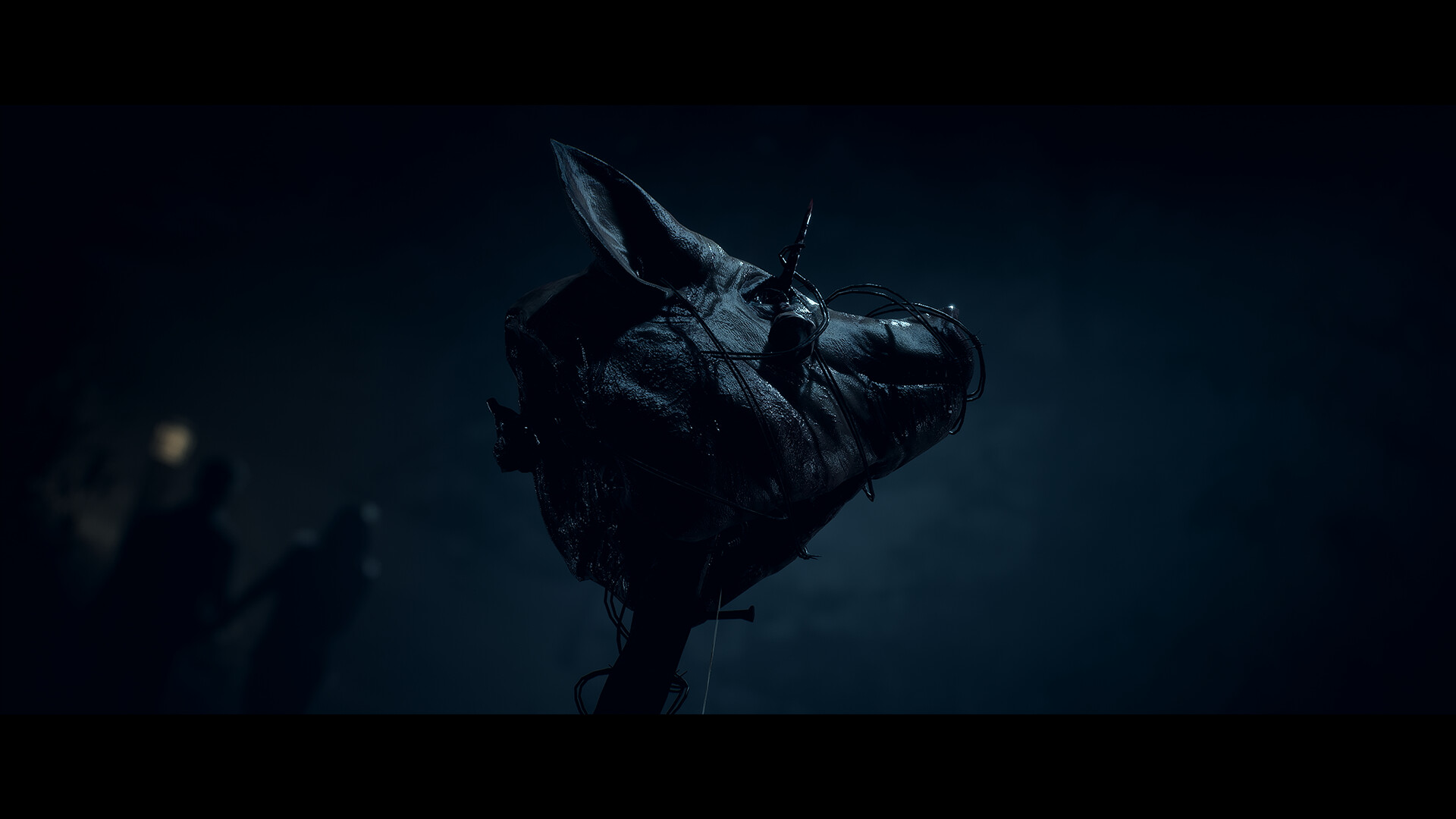
Collectibles and small spaces have also been revised for this version. The original totems have been relocated, so their discoveries are distributed differently across the mountain, and six new Hunger Totems show pivotal moments from the past rather than visions of possible future events. Newly added interactions and compact areas give explorers more of the environment to examine, while the clues still build separate threads around the mountain and the Washington family. The mix gives exploration a specific purpose: a detour can add context that changes how a character or event is understood, even when it does not redirect the immediate scene. Together with the altered camera and prologue, these additions distinguish this PC and PS5 rebuild from the 2015 release without displacing the original story’s branching framework.
- Developer
- Ballistic Moon (2024 rebuilt version); Supermassive Games (original 2015 game)
- Genre
- Narrative survival horror / adventure