
About Those Who Remain
Edward drives into Dormont after drinking, intending to end a secret affair and repair the damage to his family. The town’s lights fail, disappearances spread, and darkness becomes lethal. Explore two connected realities, manipulate light to find safe routes, solve puzzles and face choices that affect Edward’s fate across multiple endings.
Those Who Remain is a first-person psychological thriller set in Dormont, a small town where the lights go out and familiar reality begins to split. Edward arrives after several whiskeys, intending to end a secret affair and correct the mistakes threatening his home life. He stops at the Golden Oak Motel without knowing that the night will alter his understanding of the town and himself. Rumours of disappearances and an uneasy fear spread as darkness takes on a dangerous presence. The horrors that surface are connected to the deeds of Dormont’s residents, making Edward’s private wrongdoing part of a wider story about conscience and responsibility. Survival means navigating the town, while the narrative keeps returning to the choices and consequences that brought Edward there.
Light is the central practical rule of survival. Edward must manipulate light sources and clear paths through the encroaching darkness; to remain safe, he has to stay in illuminated spaces. This turns ordinary movement into a sequence of decisions about where protection ends and risk begins. A room can provide a temporary refuge, while the route beyond it may require finding a way to bring light forward. The player must read the environment and work out how to move through it rather than treating darkness as a visual filter. The threat occupies the spaces beyond a visible boundary, making illumination something to manage constantly. Dormont’s streets and interiors become connected by the question of how light can be extended, redirected or used to open a way through a dangerous area.
Dormont connects to a strange alternate dimension, and moving between the two realities is part of solving puzzles and uncovering the town’s mysteries. They are not merely separate levels: the relationship between them gives the player another way to interpret a space and its obstacles. A route or puzzle may require attention to what changes when Edward crosses between realities. That structure makes exploration investigative as well as spatial. The player looks for patterns and uses the connection between places to reach what would otherwise remain inaccessible. Solving these environmental problems opens more of the mystery beneath Dormont’s darkness. The altered reflection of reality makes familiar places feel unstable while preserving their connection to the town Edward entered. Crossing between worlds becomes one of the ways he can understand how Dormont has been transformed and find a route through it.
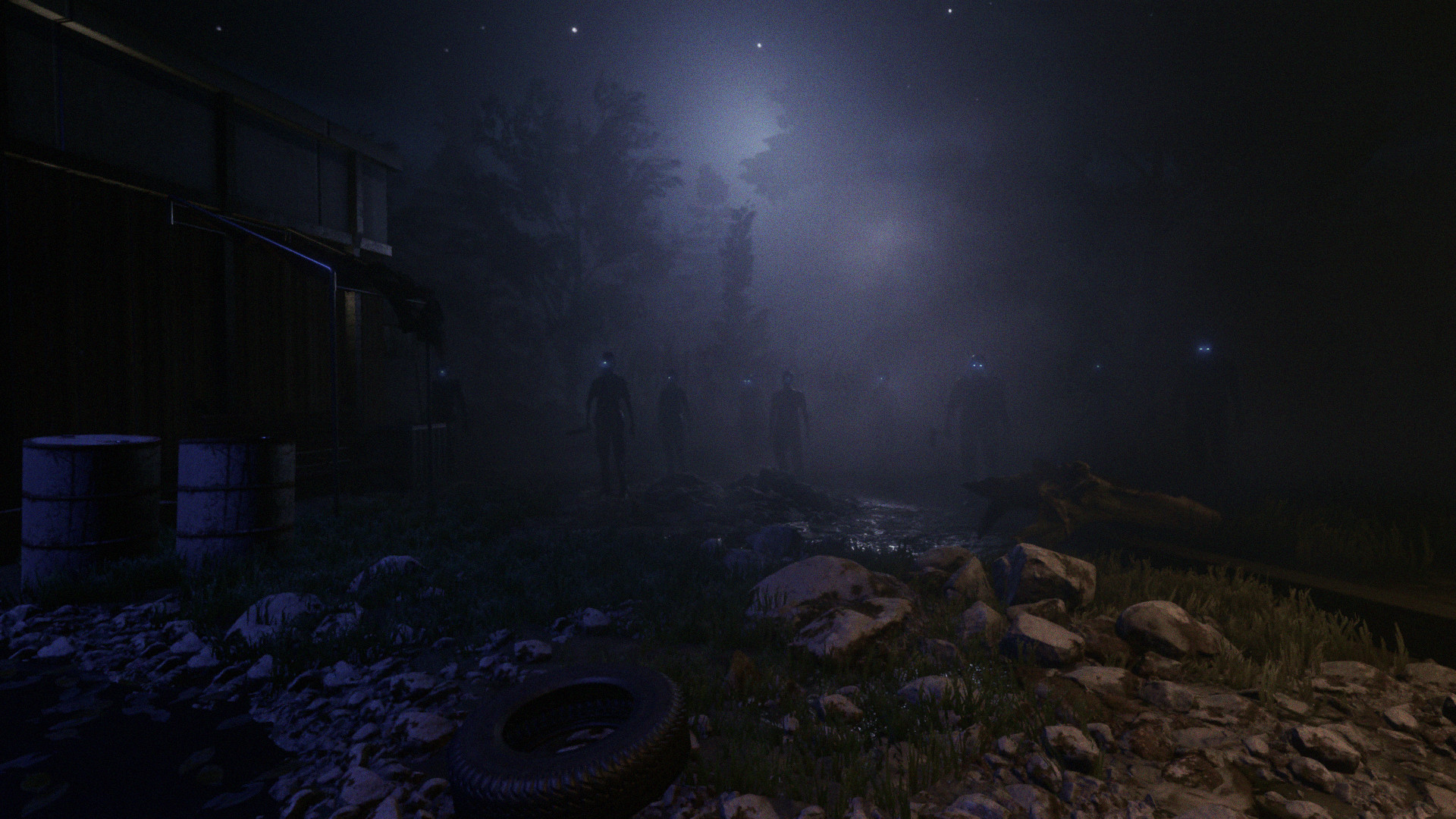
Moral choices give the investigation a personal dimension. Edward encounters lost souls and must decide whether to condemn or reprieve them; those decisions affect his fate across multiple endings. The choices ask the player to weigh what a person has done against what mercy or judgment might mean in the circumstances. This extends the opening premise: Edward has arrived hoping to end an affair and repair his mistakes, but the night places him in situations where responsibility cannot be settled by a single apology. His decisions connect the people and secrets he encounters to the outcome of his own story. The supernatural events work alongside questions of culpability, redemption and whether a person can change after causing harm. Dormont’s darkness makes the consequences immediate, but the choices also carry a moral weight beyond simply finding the safest path forward.
Dormont begins as a sleepy town and becomes a place where lights extinguish, disappearances circulate as whispers, and residents’ deeds become entangled with danger. Edward moves through the town as both an outsider to its wider crisis and a man with his own private reason for being there. That combination keeps the mystery from becoming only a puzzle about supernatural rules. Each place can pose a practical problem involving illumination or the alternate dimension, while also adding context to the people affected by the events. The first-person view makes these discoveries immediate, and the story-driven structure ties the route through Dormont to the unfolding narrative. As Edward moves between streets, interiors and the reflected world, the practical work of surviving also brings him closer to the human choices behind the town’s strange condition.
Those Who Remain brings together survival, exploration, environmental puzzles and moral decisions. Its defining mechanic asks Edward to use light as protection, while travel between connected dimensions creates new ways to examine and solve the town’s problems. The story places those systems inside a psychological thriller about a compromised protagonist who hopes to repair his life and instead faces consequences he cannot control. Decisions about the lost souls shape which ending Edward reaches, giving the player responsibility for more than simply finding a safe route. The overall experience is a supernatural journey through the mysteries of Dormont, structured around light and darkness and colored by questions about wrongdoing and judgment. It is a single-player adventure focused on surviving one unsettling night and deciding what Edward does when other people’s fates become part of his path.
- Developer
- Camel 101
- Genre
- First-person psychological thriller and adventure with horror, exploration and puzzles