
About The Vanishing of Ethan Carter
The Vanishing of Ethan Carter is a first-person mystery about occult-minded detective Paul Prospero, who travels to Red Creek Valley after receiving a disturbing letter from a missing boy. The original 2014 PC edition focuses on exploration and discovery without combat. Paul examines crime scenes, communicates with the dead and reconstructs events, while the investigation unfolds non-linearly across the valley.
Paul Prospero is an occult-minded detective who receives a disturbing letter from Ethan Carter, a boy who appears to be in grave danger. Paul travels to Red Creek Valley, Ethan’s home, and discovers that the boy has vanished after a brutal murder. The investigation soon points toward other deaths and a wider history in the valley. The game is a first-person story-driven mystery built around exploration and discovery, without combat or explosions. Paul’s ability to communicate with the dead gives the detective story a supernatural method, while the player’s observation supplies the work of finding and interpreting evidence. The central questions concern Ethan’s disappearance, the trail of corpses and what has taken root in the valley. The story reveals these strands through investigation rather than action encounters. Paul’s role as a private detective frames these events as a case to be investigated, while his occult outlook makes the supernatural an accepted part of how he searches. The letter gives him a personal reason to reach the valley, but the evidence there expands the scope of what he must understand.
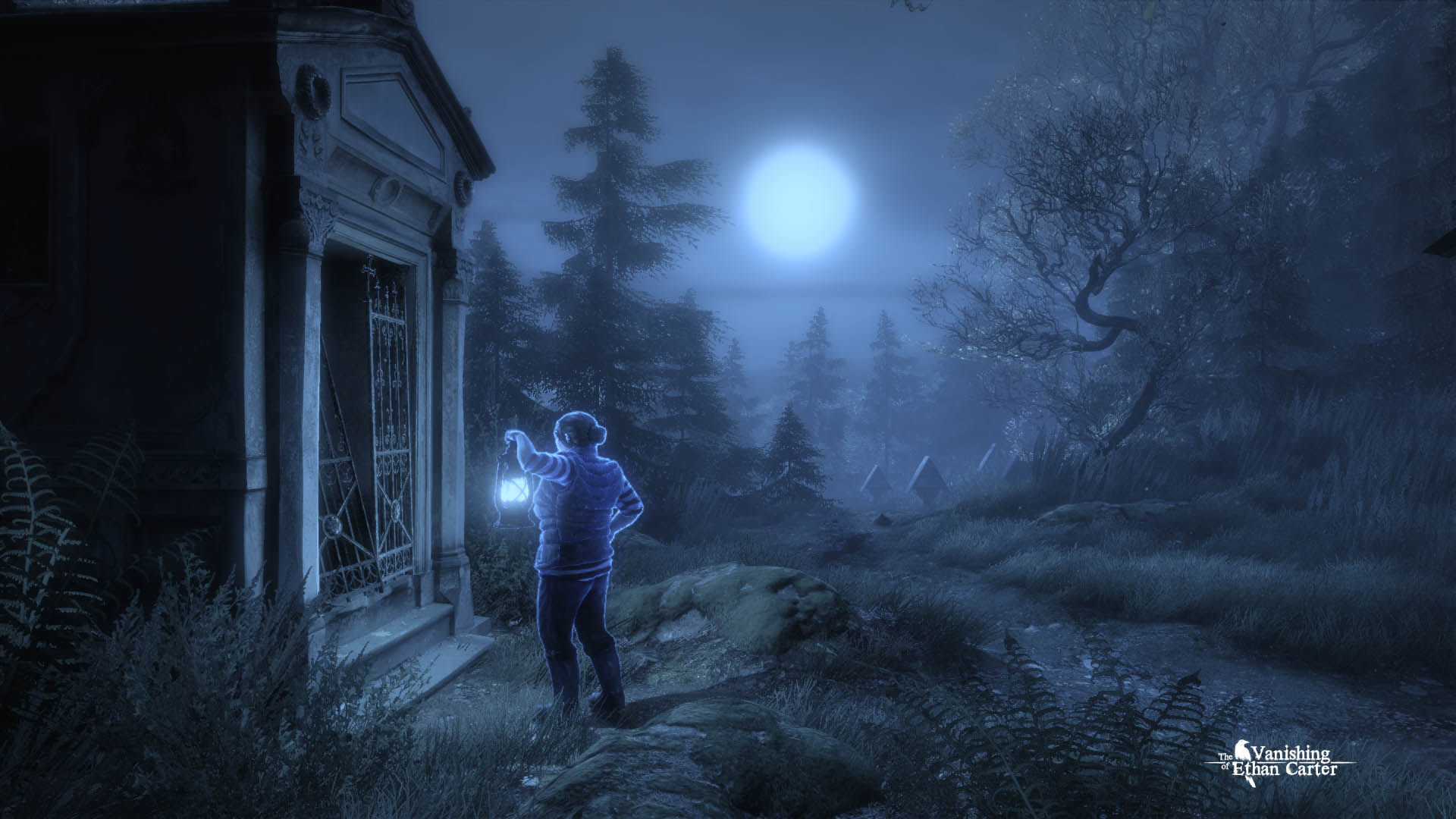
Red Creek Valley is an open landscape that the player can explore and interact with. Instead of progressing through a tightly ordered set of rooms, the player moves between sites connected to the case and decides what to inspect. The investigation unfolds non-linearly and at the player’s own pace, so discoveries can arrive in different sequences. The valley is more than a route between clues: its buildings, terrain and objects form the visual evidence around the mystery. The developers used photogrammetry to create detailed, near-photorealistic environments, giving the rural setting a tangible appearance that contrasts with the ancient force and supernatural events tied to it. Exploration asks the player to look closely at the space, find points of interest and consider how they relate to the ongoing search for Ethan. The player is free to leave one site and explore another, so the order of travel can reflect curiosity rather than a prescribed sequence. Photogrammetry helps the valley read as a coherent physical place, making environmental details part of the player’s search for clues.
Paul’s supernatural ability is central to investigating deaths. He can communicate with the dead and see how they died, giving the player access to information about the events behind the trail of corpses. That power does not solve the case by itself: the player still needs to observe the scene, gather clues and work out what those clues mean. The detective’s ability and the player’s attention therefore operate together. A supernatural encounter can reveal part of an event, while the surrounding location provides context to interpret it. This places the mystery in an investigative loop rather than a combat system. Paul’s skill lets the player approach evidence that would otherwise remain inaccessible, but understanding the connection between separate incidents depends on exploration and careful observation. The game asks the player to supply the interpretation rather than treating the supernatural vision as a complete explanation. Information about how someone died becomes useful when it is related to evidence found elsewhere in Red Creek Valley.
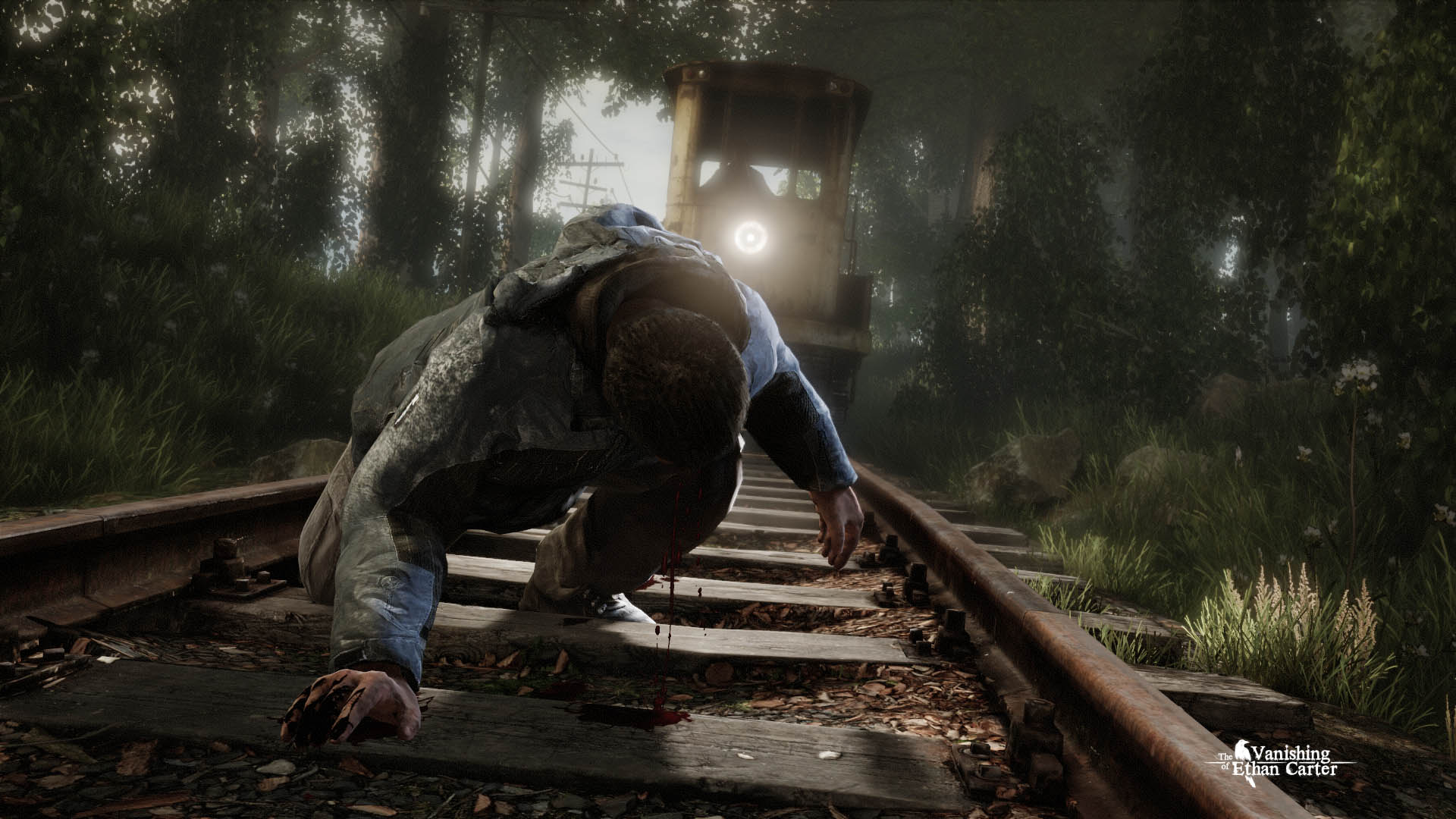
Crime scenes provide focused moments of reconstruction. Paul can use his ability to revisit how a death occurred, and the player studies the event to gather clues about its sequence. These scenes turn observation into an active task: details must be noticed and fitted together before they can contribute to the investigation. The resulting information links a local death to the larger questions around Ethan and the valley. The game does include mental challenges, but its design is not centered on elaborate puzzle chains. Reconstruction serves the story and atmosphere, letting players encounter the circumstances of a case and then return to the wider landscape with new evidence. Progress depends on what they notice and how they connect it, rather than defeating enemies or following combat objectives. This investigative format keeps the focus on reconstructing events instead of manipulating a large inventory of weapons or skills. What matters is noticing relationships between a death, its surroundings and other clues in the valley.
The non-linear structure supports an investigation shaped by curiosity. Players can follow leads as they find them and conduct the inquiry at their own pace, allowing separate discoveries to accumulate into a larger account of the valley. The story draws on early twentieth-century weird fiction, private-eye writing and horror, with influences including Raymond Chandler, Algernon Blackwood, Stefan Grabinski and H. P. Lovecraft. Its emphasis is on mood and the humanity of its characters as much as on the mystery’s supernatural elements. The tension comes from the contrast between a carefully rendered physical place and the strange history beneath it. As Paul searches, the player moves between evidence about individual deaths, clues about Ethan and indications of an older force. This combination gives exploration a narrative purpose without requiring a fixed order for every discovery. The result combines a detective’s search with supernatural fiction without turning the investigation into a conventional action sequence. The valley’s atmosphere, the scattered evidence and Paul’s ability all contribute to a story the player assembles while exploring.
The original 2014 PC edition was made in Unreal Engine 3. Steam also includes The Vanishing of Ethan Carter Redux, a separate Unreal Engine 4 remaster. Both tell the same story, but Redux has its own technical and flow changes. Redux also changes the save system, area streaming and end-game flow, while keeping the story and quests unchanged. Those changes belong to the separate remaster.
- Developer
- The Astronauts
- Genre
- First-person story-driven mystery and adventure