
About The Saboteur
In The Saboteur, Irish mechanic and race driver Sean Devlin works with the French Resistance in Nazi-occupied Paris. Move through an open city by climbing, driving, fighting and sneaking, then disrupt occupation forces through missions and free-roaming sabotage. Resistance activity changes the city’s appearance and can bring help when German forces pursue you.
The Saboteur is an open-world action adventure set in a stylised version of Paris under German occupation during the Second World War. Sean Devlin is an Irish race car driver and mechanic drawn into the French Resistance after a personal loss puts him on a path of revenge against Colonel Kurt Dierker. His work also brings him into contact with British intelligence and the wider underground. The story follows Sean’s effort to strike at the occupying forces, while the city around him shifts between fear and defiance. Paris is the central playground, with operations and missions extending into other parts of France. The narrative is framed around Sean’s resistance work rather than the experience of a conventional battlefield soldier. The player’s role combines that personal pursuit with the larger effort to disrupt Nazi control and help the French population resist.
Getting around Paris is part of the action. Sean can run and climb across buildings, move along rooftops, enter streets and alleys, and take control of cars and other vehicles. The city’s landmarks and dense blocks serve as both routes and mission spaces: some objectives send him high above the streets, while others require a fast drive through traffic or a careful approach on foot. Vehicles let the player cover ground and take part in races as well as reach operations. The layout supports several ways to approach a target, since a guarded facility can be reached through its perimeter, from a roofline, or by driving directly into trouble. Paris also accommodates brawls along the Champs-Élysées and a mission involving a sniper’s view from Notre Dame. These choices connect traversal to the game’s mix of action, stealth and sabotage.
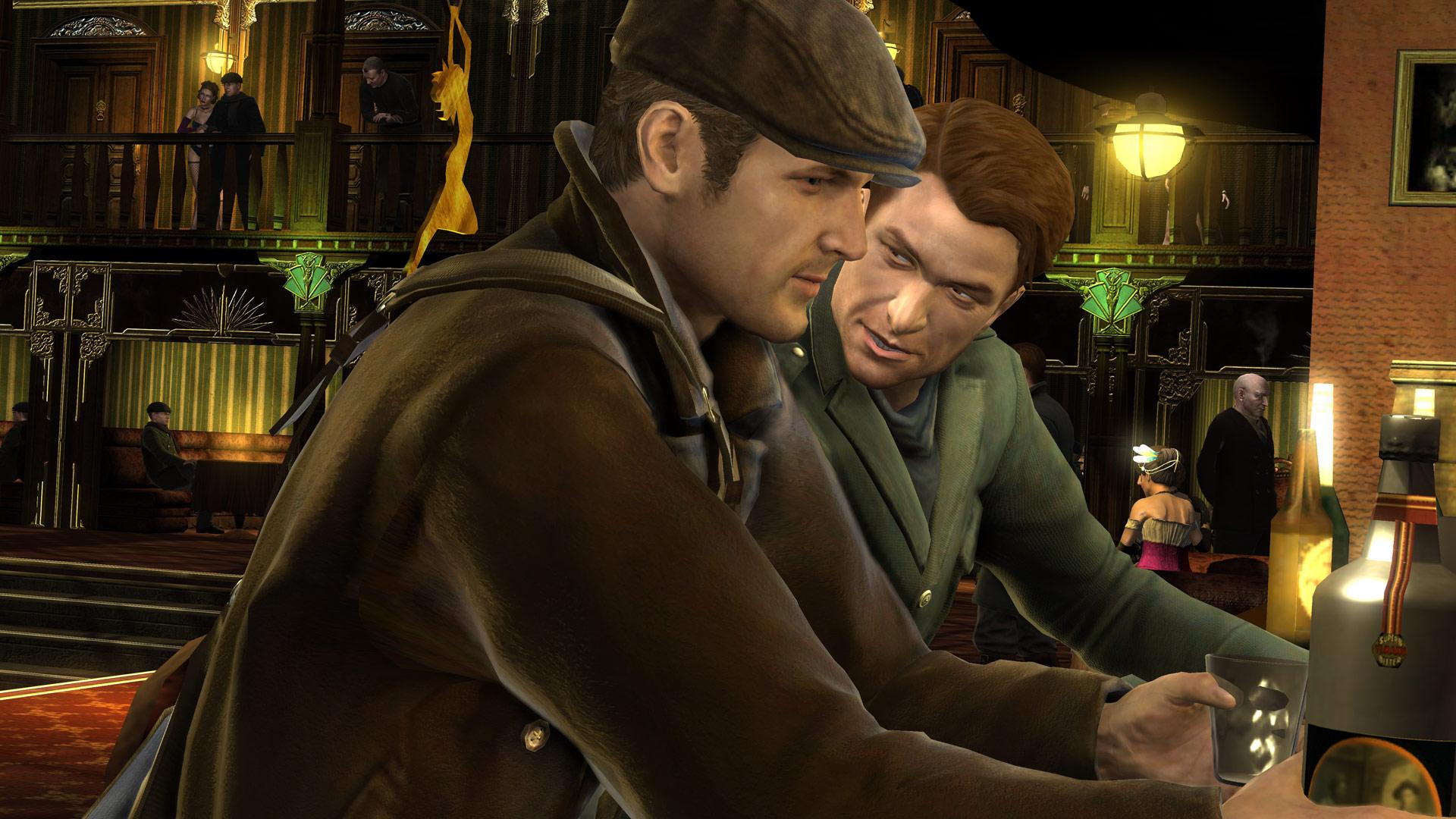
Missions ask Sean to penetrate enemy-held spaces and interfere with the machinery of occupation. He can use disguises, stealth attacks and distractions to limit attention, or bring firearms and explosives when a quieter approach breaks down. Targets include trains, bridges and enemy facilities, while other objectives involve climbing or using vehicles. Underground clubs and cabarets provide places to receive mission information, giving the resistance network a visible foothold in the city’s social spaces. The action can move from reconnaissance and infiltration into a direct fight, then into an escape as soldiers respond. Firearms, explosives and vehicle skills give different ways to handle the objective, and the route to it can matter as much as the final blast. This creates a practical loop of identifying an objective, choosing an entry and tool, carrying out the disruption, and getting clear of the resulting pressure.
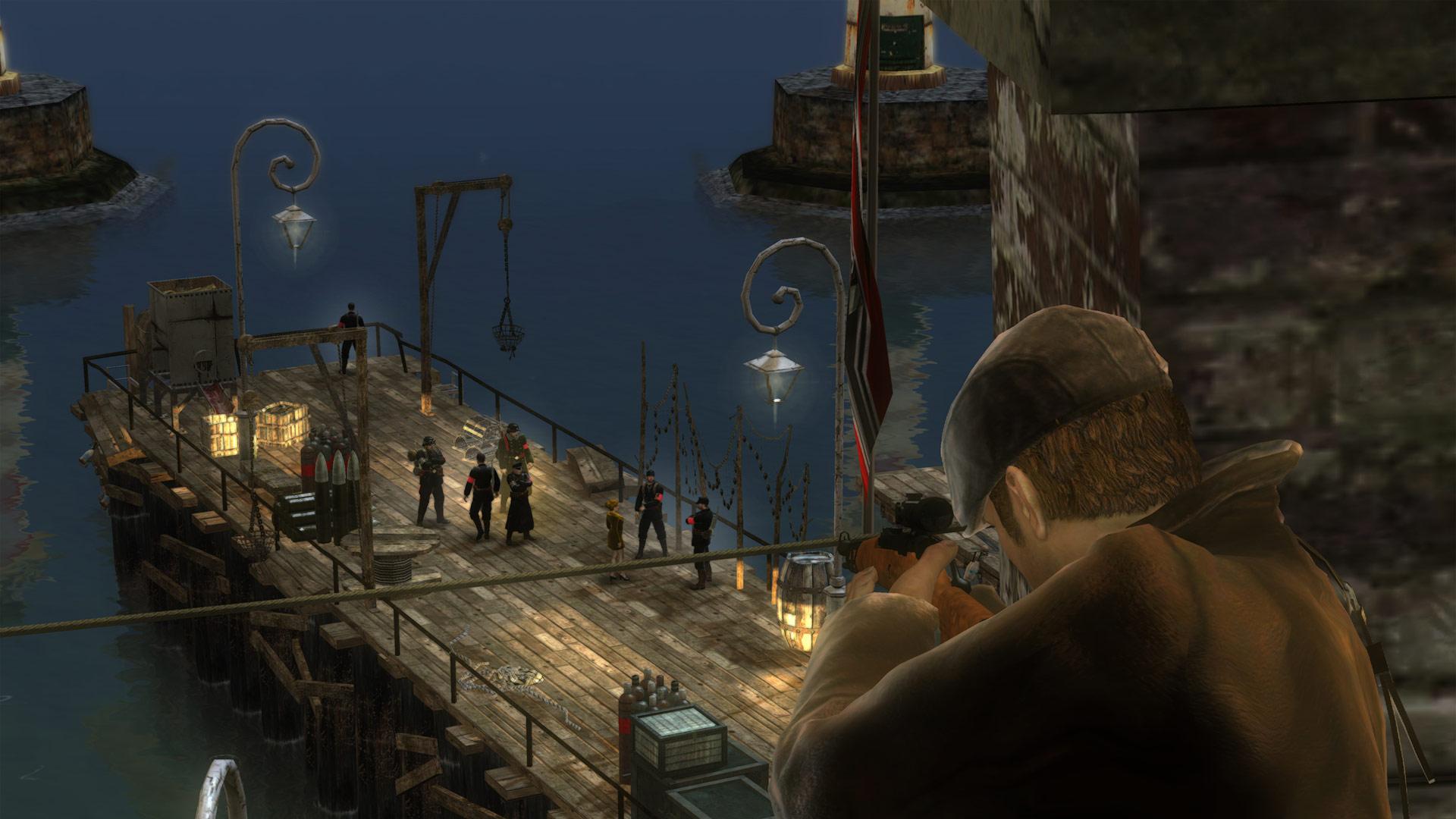
The occupation is also represented through destructible installations scattered through the world. Pandemic’s lead designer describes targets such as sniper towers, anti-aircraft guns, tanks, propaganda speakers, searchlights and radar dishes. Destroying these objects earns contraband, the game’s spendable currency, and their removal persists; taking out a sniper position before a later mission can reduce the danger in that area. Attacking in view of German troops can raise suspicion, trigger a whistle and bring reinforcements. When an alarm is active, Sean can leave the alerted area or use hiding places, including rooftop shacks and public conveniences, to let it cool down. This means a quick explosive attack can become an extended escape, while a concealed approach may avoid alerting the surrounding force. Free-roaming destruction therefore has a cost as well as a reward, and can change the conditions of a later operation.
The city’s visual state tracks the effect of resistance. Occupied districts appear largely in black and white, with colour returning as acts of sabotage and resistance inspire people. The shift is more than a change in palette: the publisher describes a population that becomes willing to fight back, and Steam’s game description notes that townspeople can intervene in fights or help Sean escape pursuing Germans. The Underground can also provide practical support through resistance strikes, including a getaway car, weapon delivery or distraction. This support links local resistance to concrete tactical choices: Sean can request help that suits a hurried departure, a firefight or a diversion. These responses make local resistance visible in the streets and give Sean options when a mission becomes a pursuit. The same system ties individual actions to a broader change in how the city looks and behaves.
Sean develops through perks earned by doing specific kinds of work. The lead designer explains that destroying installations can improve how quickly he plants explosives, while repeated use of particular firearms can improve handling; scoped-rifle use can reduce aim drift. Perks have multiple tiers, with later tiers asking for more focused objectives. Some rewards improve an existing ability, while others unlock a new action, such as planting a bomb in a moving car before jumping clear. Contraband from sabotage can be spent at black-market shops on weapons, ammunition capacity and equipment for the Resistance. The available stock includes pistols, shotguns, machine guns, rifles, sniper rifles and explosives, alongside upgrades rather than weapons alone. Better-equipped allies can then help in areas where people are ready to fight. This progression connects optional destruction, combat practice and purchases to the tools available for later missions.
- Developer
- Pandemic Studios
- Genre
- Action-adventure; open-world third-person action