
About The Park
As evening falls at Atlantic Island Park, Lorraine searches its decaying attractions for her missing son, Callum. This short first-person psychological horror story focuses on exploration and narrative instead of combat. Rides, unsettling incidents and the park’s troubled history gradually connect the search to Lorraine’s own story.
The Park is a first-person psychological horror adventure set over an evening at Atlantic Island Park. Lorraine arrives with her son Callum, but a lost teddy bear and his disappearance turn a day out into a search through the attraction. As the sun sets, she explores the park’s deteriorating rides and tries to find him. The game centers on this personal, immediate goal while gradually bringing the park’s darker history into view. Its structure emphasizes exploration and storytelling rather than combat or action. The player stays close to Lorraine’s perspective as the ordinary language of amusement parks—rides, souvenirs and family outings—becomes difficult to separate from fear and uncertainty. The missing child gives the journey a clear direction even as the meaning of what Lorraine encounters becomes less straightforward.
Atlantic Island Park has its own history before Lorraine begins searching for Callum. The amusement park opened in 1977 under the direction of Nathaniel Winter, an eccentric businessman who imagined the site as a place for happiness and childhood excitement. Its past, however, became associated with tragedy and drama. Accidents, killings and reported hauntings contributed to its reputation, and local concern about further harm hangs over the location. That history is part of the environment Lorraine must cross, not a separate account removed from her present situation. The park’s cheerful purpose and troubled reputation create a tension that informs the setting: attractions built to entertain visitors have become landmarks in a place remembered for disturbing events.
The park is explored on foot in a first-person view, with the search carrying Lorraine through attractions including a Ferris wheel, bumper cars and a rollercoaster. These rides give the setting its recognizable amusement-park shape, but they do not function as uncomplicated entertainment. The description warns that some seem to have a life of their own, tying the park’s machinery to the horror tone. Exploration supplies the main way forward: the player moves through spaces, follows the search and encounters details that connect the present to the site’s past. The game does not frame its rides as competitive challenges or a collection of minigames. They are part of a narrative landscape that Lorraine must navigate while trying to locate her son.
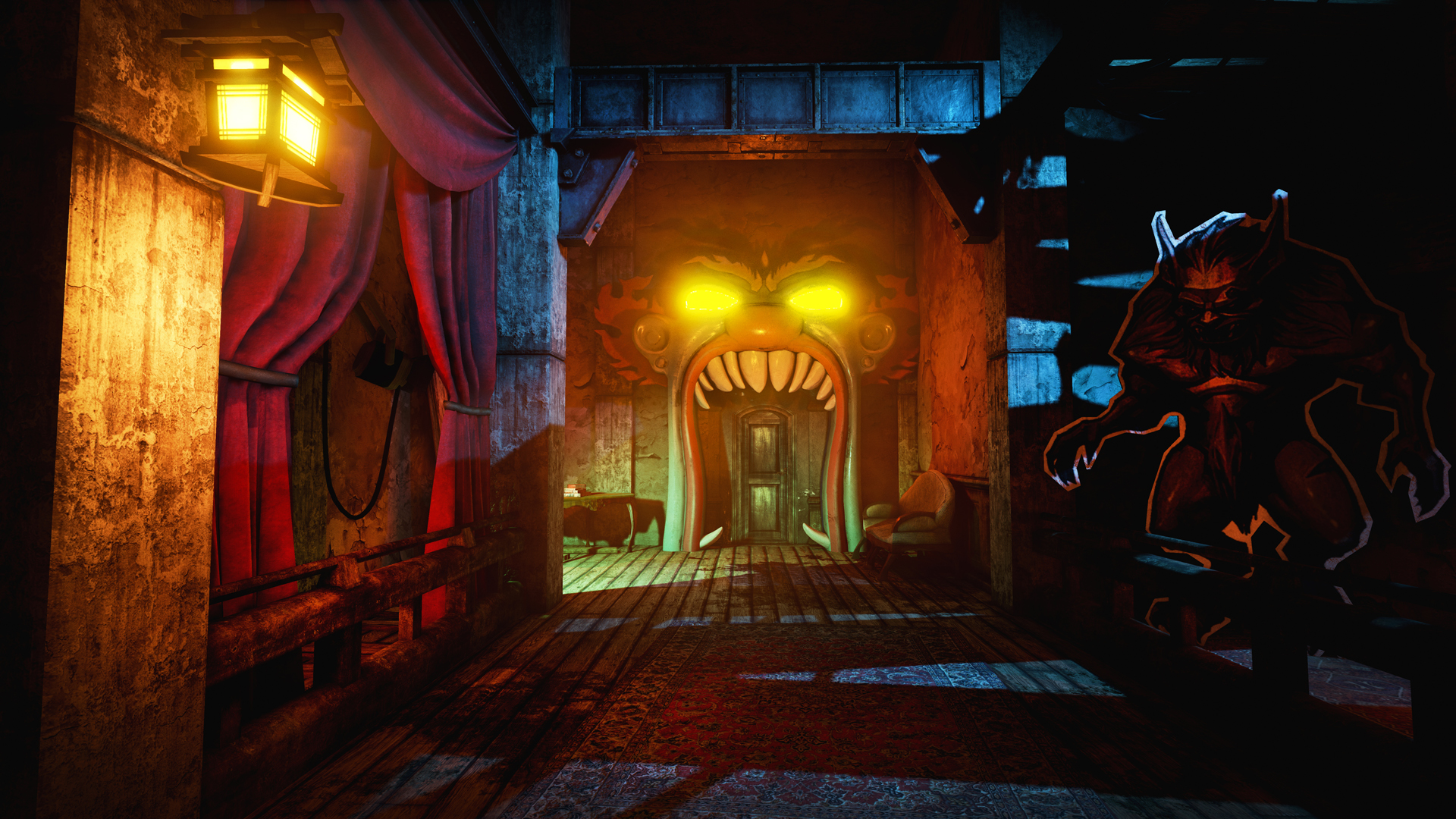
The Park is a compact experience, lasting roughly one to two hours. That scale keeps the focus on a single dramatic situation and one central location. Instead of building a long campaign around multiple characters or combat systems, The Park follows Lorraine through a compressed stretch of time as daylight fades. The setting and story carry the experience: the player learns about the park by moving through it and sees the attractions in relation to Lorraine’s search. The result is a horror adventure organized around place, mood and narrative progression. Its short form supports a concentrated account of a mother confronting a frightening situation, while the park’s past provides a second thread for interpreting what the environment contains.
Lorraine’s perspective is central to how the story is presented. The player follows a woman facing the loss of her child and uncovers both her story and the park’s history. Panic and paranoia are part of the experience as night falls, so the search has a psychological dimension beyond simply reaching a destination. The game presents the events through Lorraine’s movement and the information revealed along the way, keeping the player close to her uncertainty. Her search for Callum gives the narrative its emotional direction, while the park’s history leaves questions around the places she encounters. This framing preserves the mystery while clarifying the situation that drives the exploration.
The Park’s horror grows from the contrast between a family attraction and the histories attached to it. A lost toy and a missing child belong to an ordinary visit, while the location’s stories of accidents, violence and hauntings make the search feel increasingly unsafe. The rides embody that change in tone: familiar structures remain visible, yet the possibility that they behave in uncanny ways unsettles their usual purpose. The game’s emphasis on exploration means the player encounters this shift through the environment rather than through a combat system. There is no action-focused arsenal at the center of the experience. Attention stays on what Lorraine finds, where the search leads and how the park’s atmosphere affects the interpretation of each place.
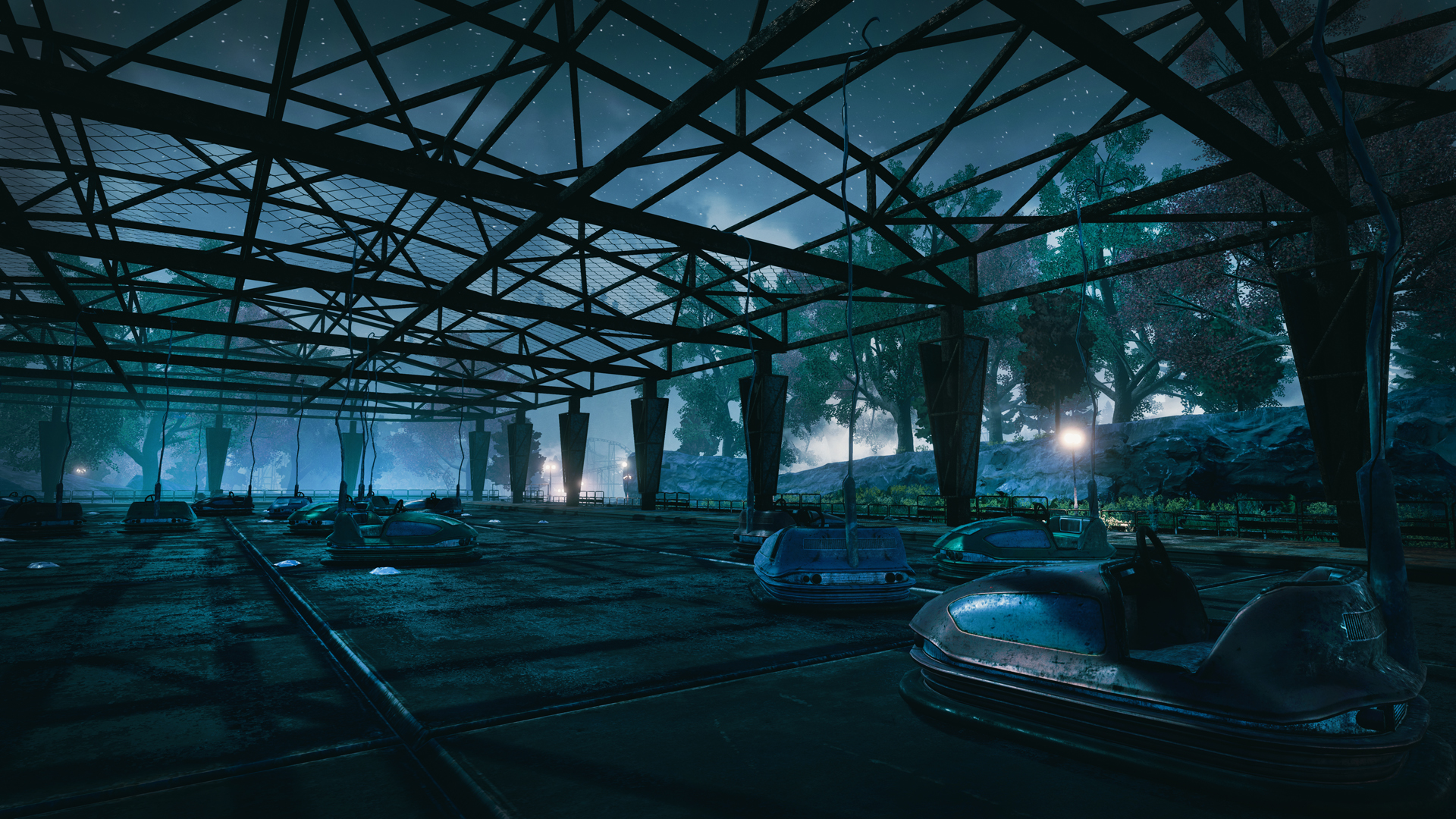
By keeping its scale narrow, The Park connects a personal search with the identity of a single unsettling location. Lorraine’s effort to find Callum gives the player a concrete reason to move through Atlantic Island Park, while the site’s past adds context to the places she encounters. The experience combines first-person exploration, psychological horror and a story centered on family, memory and fear. A dark secret lies behind the park’s history and the events that Lorraine faces there. Its defining elements are the fading daylight, the decaying attractions, the troubled history and Lorraine’s point of view. The game’s short, narrative-led approach keeps those elements together in one focused journey through a place built to promise fun but marked by tragedy.
- Developer
- Funcom
- Genre
- First-person psychological horror adventure focused on exploration and storytelling