
About The Painscreek Killings
As journalist Janet, you enter the abandoned town of Painscreek to investigate its past and the killing of Vivian Roberts. Search homes and public spaces, collect documents and photograph important clues, then connect details through observation and logical deduction. The investigation gives you room to choose where to go, without quest markers or a hint system directing each step.
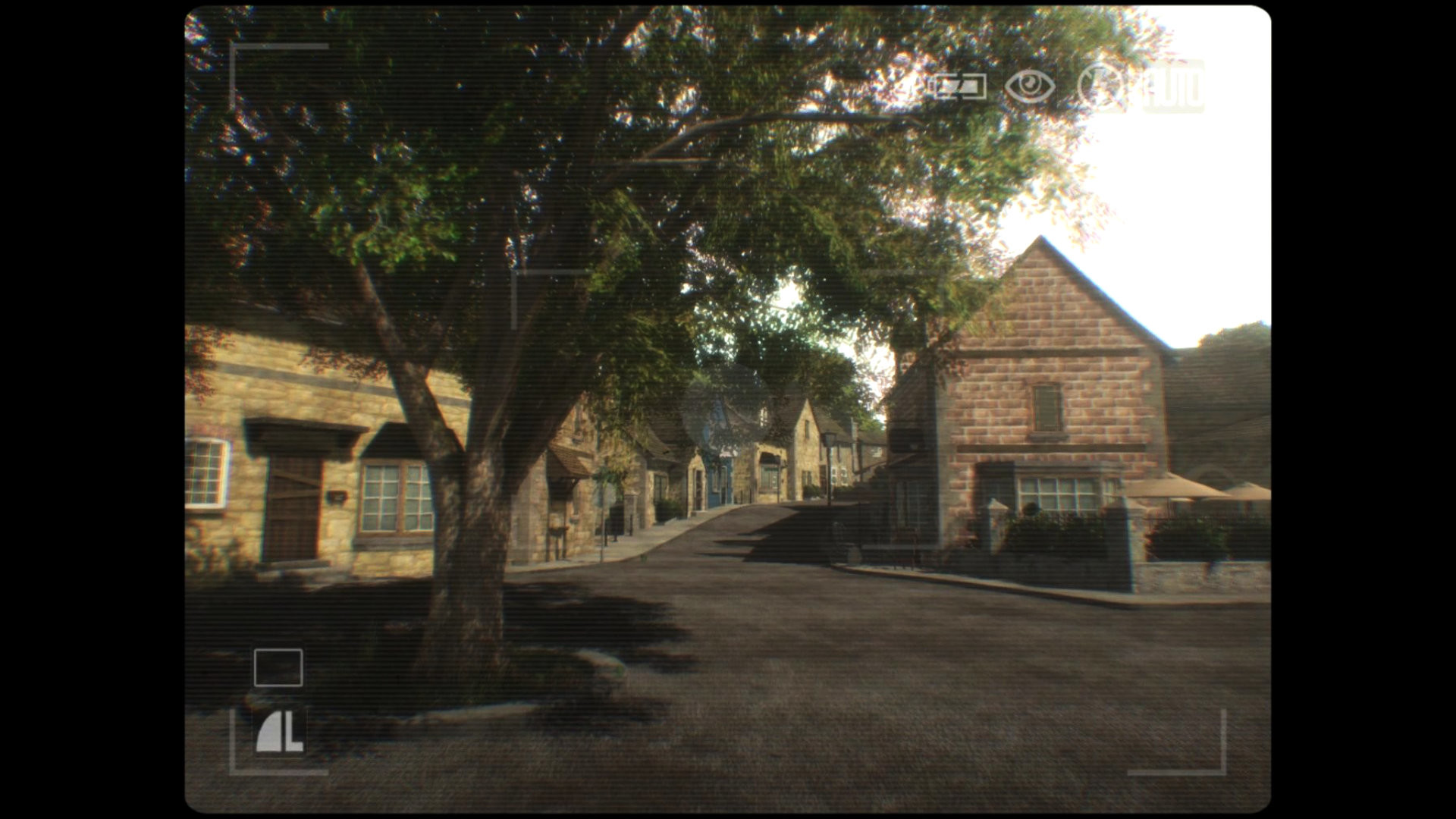
The Painscreek Killings casts the player as Janet, a young journalist sent by her editor to investigate why a once-lively town was abandoned. Reports of deaths among the townspeople provide the starting point, and Janet arrives expecting material for a story. The inquiry grows into an effort to establish what happened to Vivian Roberts and uncover secrets the town left behind. Painscreek is the main space of investigation: its homes and other locations preserve traces of the people who lived there, while the absence of residents means that evidence often has to speak in place of a witness. The game is a first-person murder mystery built around exploring the town, finding clues and reasoning through their connections. Its central task is to make sense of a cold case by piecing together details rather than being told the answer as events unfold.
Exploration is free-roaming within a semi-open town. The game encourages the player to follow clues and hints toward places that seem relevant, with no quest markers or hint system to specify the next destination. This changes how progress works: the player has to remember what has been seen, decide which leads deserve attention and notice when a document points toward a new location or person. The town can be explored according to the investigation’s developing logic rather than through a fixed sequence of map objectives. That openness asks for patient observation. A detail encountered in one part of Painscreek may become meaningful only after another document or object supplies context. Revisiting a place with a better understanding of the case can help clarify its role, so movement through the town and the process of forming a theory reinforce each other. Small details can redirect the inquiry, so the player must decide when a clue is conclusive and when it needs corroboration.
The investigation relies on collecting evidence and recording information. Janet can take notes and photograph important clues, creating tools for keeping track of details that might otherwise blur together. Documents, hints and objects can reveal facts about the town and its inhabitants, but finding them is only the first step. The player must compare pieces of evidence, notice relationships and decide what they imply about the killings. This is why the game’s investigative work resembles a real inquiry more than a guided adventure: the journal and camera support a process of thought rather than automatically turning each clue into a solved objective. The player is responsible for connecting the dots and for distinguishing a useful lead from an incidental detail. As evidence accumulates, the goal is to construct a coherent account of the crime and of the community surrounding it.
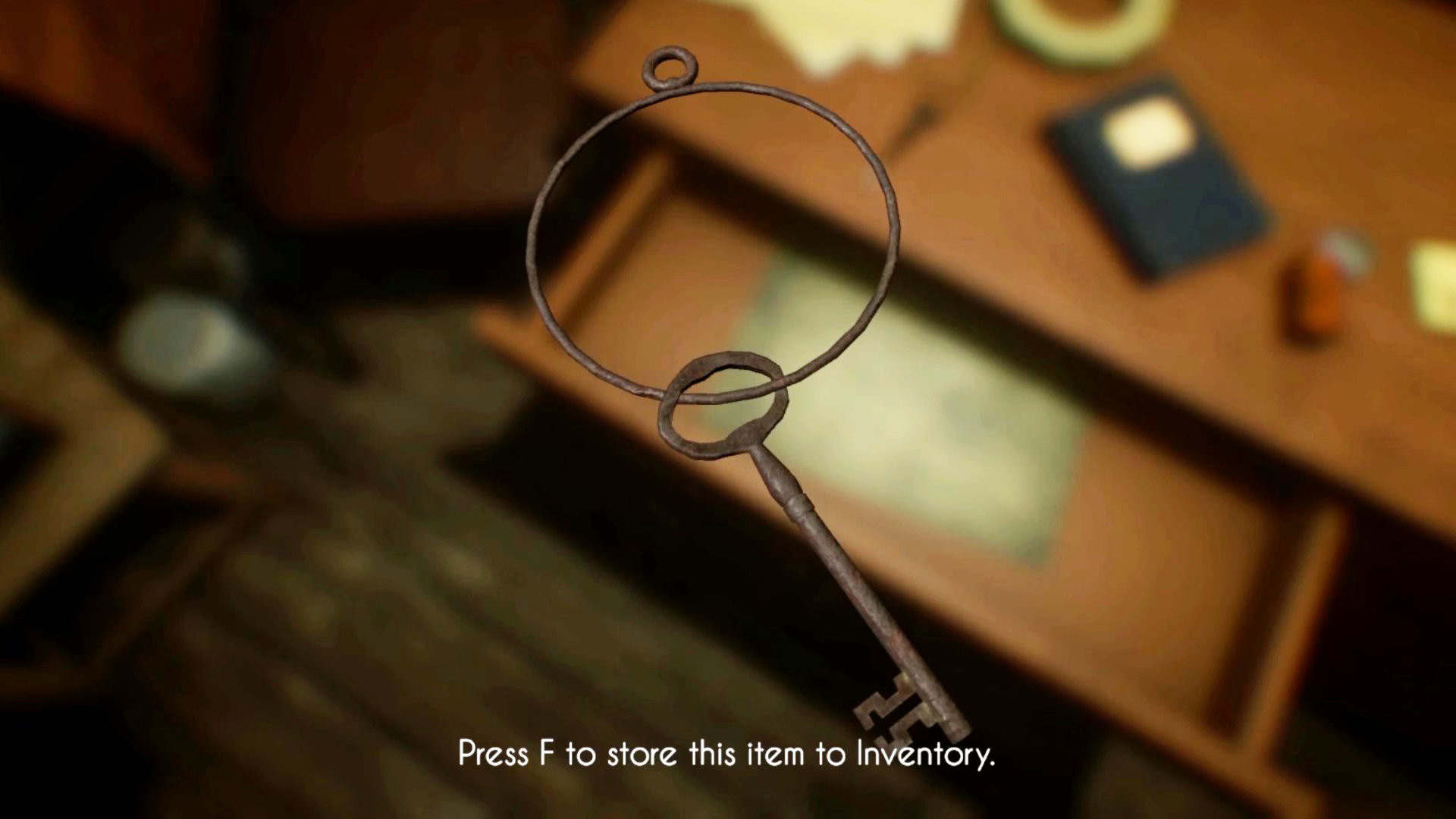
Logical puzzles are integrated into that search. Observation and deduction are needed to get past obstacles and interpret information, while the game avoids hand-holding through explicit prompts. A puzzle can ask the player to apply a fact discovered elsewhere, making careful reading and recall part of solving it. The lack of a built-in hint system means that a stalled investigation calls for another look at gathered evidence or a different line of exploration. This structure keeps the player in the role of investigator: progress follows from noticing something, testing an idea and using the result to reach another piece of the town. The emphasis is on reasoning through available clues rather than on reflex challenges. The mystery’s difficulty comes from assembling a chain of information whose significance may not be apparent at the first encounter.
Painscreek’s abandonment gives the investigation an environmental dimension. The player searches the traces left by people who are no longer present, using rooms, records and personal items to reconstruct relationships and events. The town’s history is not delivered through a continuous stream of conversations; it is pieced together through what remains and through the connections among those remains. Notes and photographs help Janet retain details that might otherwise be separated by distance or time. A record found in one building may clarify a name, relationship or event mentioned elsewhere, making comparison central to the search. The player’s initial reporting assignment provides a reason to enter the town, while the evidence gradually makes the murder investigation more personal and consequential. Careful exploration matters because the next useful lead may be found in an unexpected place, not through an objective indicator directing Janet from one scene to another.
Janet begins with an assignment to report on Painscreek’s abandonment, but the evidence draws her toward the circumstances surrounding Vivian Roberts’s death. The player gathers documents, records observations and photographs clues, then uses those materials to decide where the inquiry should go next. Since there are no quest markers or hint system, progress depends on recalling names and details, checking how one discovery relates to another and returning to leads that remain unresolved. Logical puzzles make observation and deduction part of moving through the town. The case is not handed over as a sequence of answers: Janet’s reporting task supplies the reason to investigate, while the player has to assemble a supported account from what Painscreek’s former residents left behind.
- Developer
- EQ Studios
- Genre
- Murder mystery investigation adventure with exploration and logical puzzles