
About The Mortuary Assistant
At River Fields Mortuary, apprentice Rebecca Owens arrives for a late shift expecting routine embalming work. Instead, she must complete her duties while identifying a demon, resisting its attempts to possess her, and piecing together a story that develops over multiple nights and playthroughs.
The Mortuary Assistant begins with Rebecca Owens taking an apprenticeship at River Fields Mortuary after completing a degree in mortuary sciences. She has already spent months learning the work: assisting the mortician, caring for the deceased, and becoming familiar with embalming. A late-night call brings her back to handle several bodies. The shift starts within the ordinary expectations of her job, but the bodies and the mortuary are bound up with something supernatural, and Rebecca discovers that she cannot simply leave. The contrast between a professional routine and a growing demonic threat supplies the game’s central setup: the work still has to be done even as the place becomes unsafe.
The player’s responsibilities are practical as well as supernatural. Rebecca performs embalming tasks, handles other jobs around the mortuary, and follows the process of caring for the dead. These activities give the night a concrete structure: the bodies need attention, the work has steps, and the player must move between the tasks that belong to an assistant’s shift. Demonic activity interrupts that routine and can make familiar spaces feel uncertain. The game’s horror depends on keeping those demands together rather than abandoning the job as soon as something strange occurs. Rebecca has to continue working while paying attention to signs that the threat is escalating and to the clues that might help identify what is happening.
Occult research becomes part of the work when Rebecca realizes a demon is involved. The player practices rituals to identify demonic entities, uses tools to investigate, and pieces together clues needed to banish the presence. The objective is not simply to escape a haunting: the demon must be identified and dealt with before it can claim Rebecca. This adds an investigative layer to embalming, because the player has to notice events around the mortuary and interpret them rather than treating every apparition as an isolated scare. The exact sequence of discoveries can differ between runs, so learning the rules and gathering evidence are ongoing tasks instead of a one-time tutorial followed by an unchanged routine.
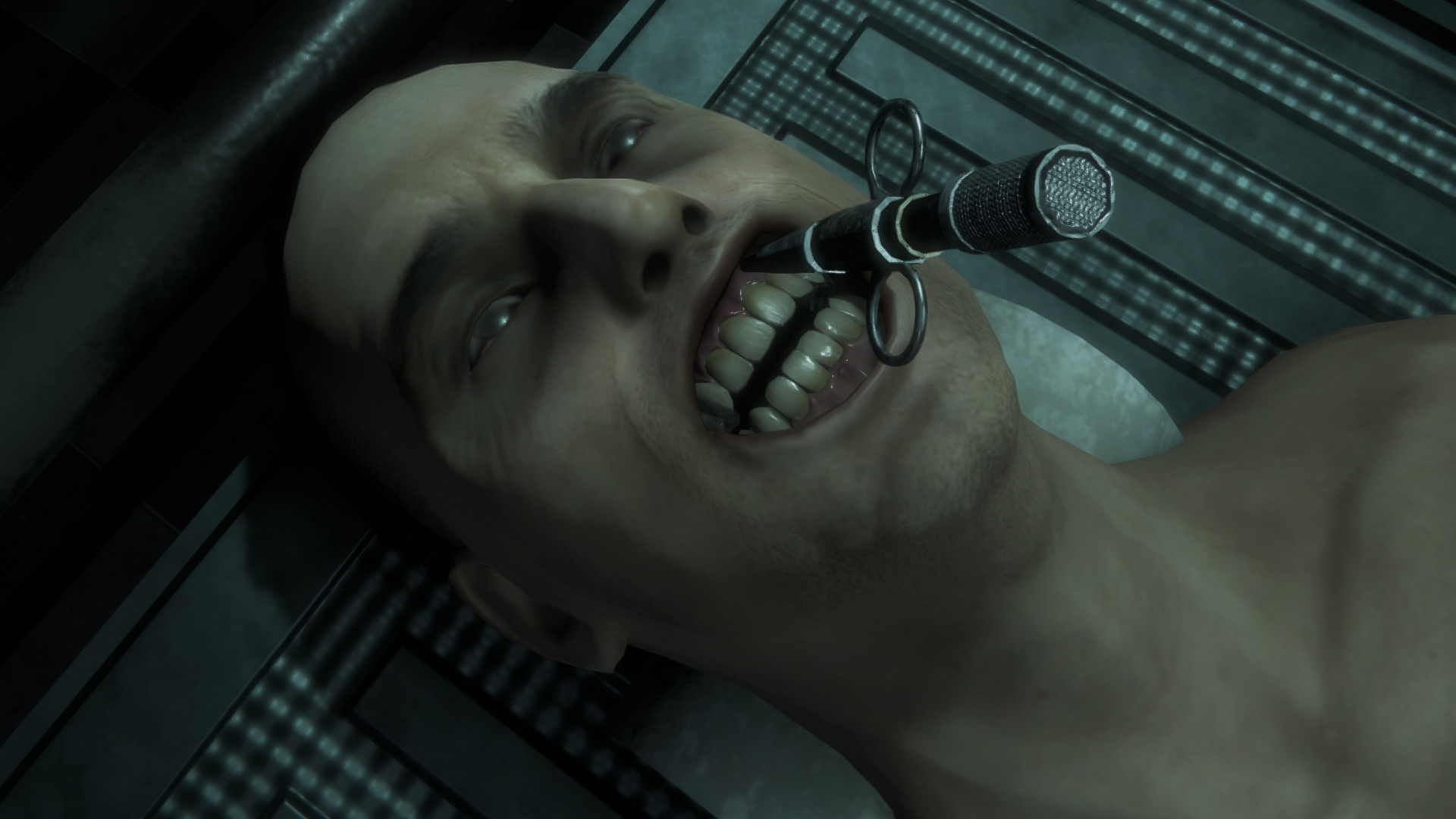
The bodies are central to both halves of the experience. They are the subjects of Rebecca’s professional duties and part of the danger surrounding the night shift. The player must keep up with the embalming work while working out which supernatural force is present and how to stop it. The game’s premise connects these responsibilities without suggesting that routine care alone will resolve the haunting. Rebecca’s knowledge of mortuary work explains why she is there and what she is expected to do; her growing understanding of the occult threat adds a second kind of procedure. The tension comes from moving between recognizable job tasks and a situation whose rules must be learned through observation, research, and decisions under pressure.
River Fields also has a history of its own. The story asks the player to uncover Rebecca’s past, the mortuary’s haunting, and a secret beneath the surface of the current events. Rather than presenting every answer in a single uninterrupted shift, it unfolds across multiple playthroughs. Each demon banished reveals another piece of the larger puzzle, allowing repeated nights to build context around Rebecca and the place where she works. This structure makes replay part of the narrative design: another run can offer a different combination of events and further information. The ongoing story is therefore connected to the task loop, because learning more about the mortuary gives the player a broader understanding of why the shift has become dangerous.
A changing haunt system makes the work less predictable. The developer and publisher describe different playthroughs as containing randomized scares and new corpses to embalm, while the story adds new pieces over successive runs. That variation affects how the player approaches a night: a previously familiar room or routine may not produce the same sequence of events, and the player must remain alert while completing the work. The design does not turn every shift into an identical checklist. Instead, embalming supplies a stable professional framework while the timing and form of supernatural disruptions vary. The player’s goal is to carry out the mortuary duties, identify the demon, and perform the actions needed to banish it without losing Rebecca to possession.
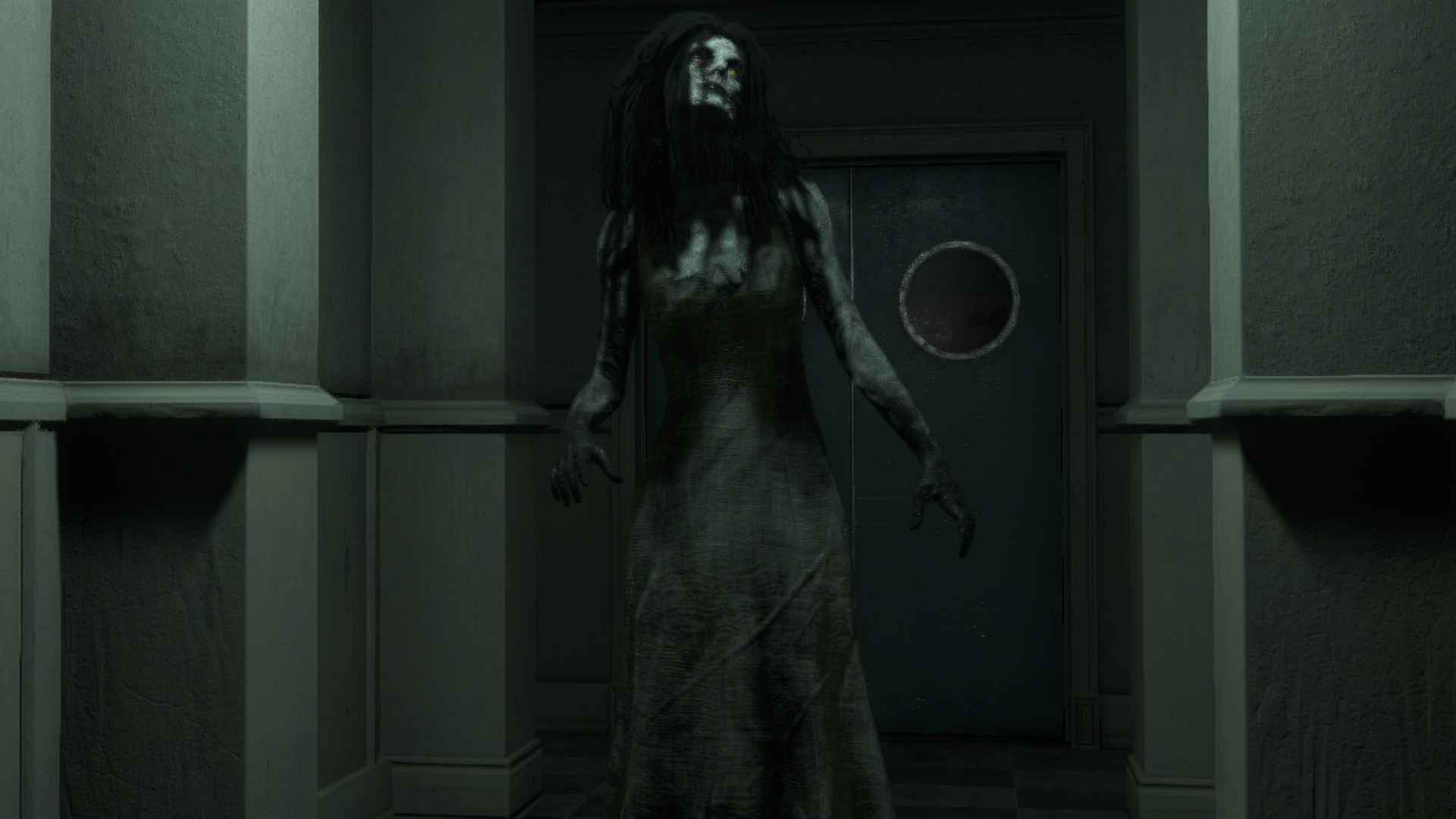
Rebecca’s relationship with the mortician, Raymond, frames her work at River Fields, while the phone call that summons her into the late shift marks the point where routine changes into a crisis. The mortuary becomes the main setting for the story and the place where professional knowledge, clues, and threats intersect. The player handles the available tasks, pays attention to occult signs, and searches the environment for information that can help make sense of the haunting. Those actions keep the experience grounded in Rebecca’s role: she is an apprentice with a job to do, not an investigator arriving with specialized paranormal equipment. Her understanding grows through the shift and across later attempts.
The Mortuary Assistant is a first-person horror and simulation experience about work under supernatural pressure. Its core loop joins embalming and mortuary duties with identifying a demon, researching the occult, and banishing the threat. The story of Rebecca Owens and River Fields Mortuary develops over multiple playthroughs, with each successful banishment contributing a further piece. The player moves between routine care and investigation while unpredictable hauntings challenge the safety of familiar spaces. That combination gives the game its distinctive premise: a night shift cannot be treated as ordinary employment, but the ordinary tasks remain part of surviving it.
- Developer
- DarkStone Digital
- Genre
- First-person horror, adventure, and simulation