
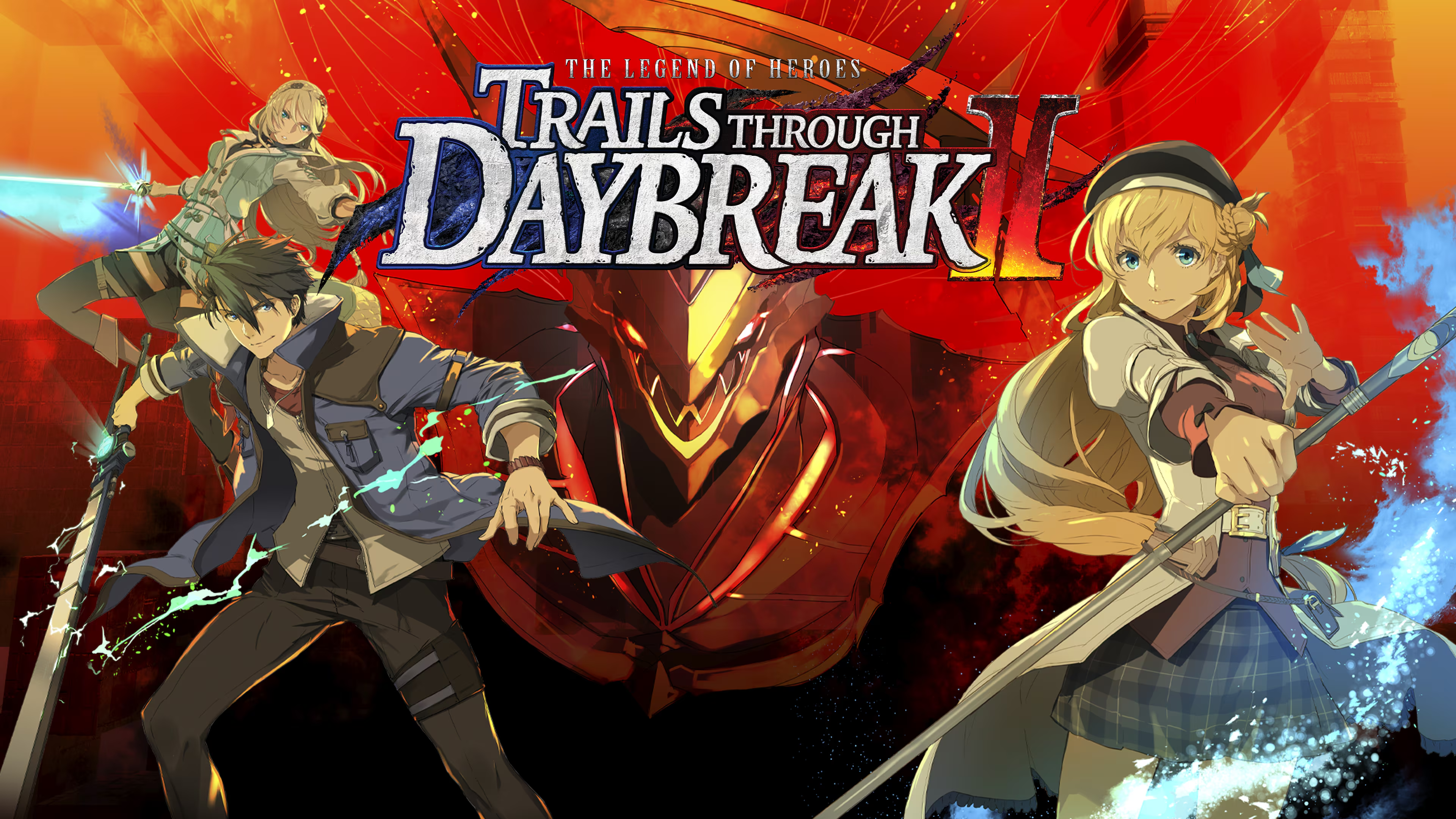
About The Legend of Heroes: Trails through Daybreak II
After a crimson beast is linked to a string of murders in Calvard, spriggan Van Arkride takes on a new investigation while Agnès Claudel continues searching for the final Genesis. Travel with Arkride Solutions and other allies, switch between real-time field combat and tactical command battles, and pursue optional cases, minigames, and the Märchen Garten.
The story begins after the criminal organization Almata has been defeated and Calvard has returned to an uneasy peace. That calm breaks when a Central Intelligence Department special forces unit is found murdered and a mysterious crimson beast is reported nearby. Spriggan Van Arkride, a fixer who accepts work that sits between lawful and unlawful, is drawn back into the case after an unexpected visitor arrives. Arkride Solutions had temporarily gone its separate ways following the struggle with Almata, leaving Van in a quieter office until this new case brings old contacts back into motion. The investigation runs alongside Agnès Claudel’s continuing search for the eighth Genesis, one of a set of prototype orbal devices she inherited from her great-grandfather. The people around them do not all share the same aims: officials seek the truth, while criminal groups and other interested parties see an opportunity in the disorder. Agnès is an Aramis Academy student who has found seven of the eight Geneses. Mare, the holo core in Van’s combat orbment, helps him take the armored Grendel form. Those connections bring the artifact search back alongside Van’s investigative work. The sequel resumes relationships and unresolved threads from the first Trails through Daybreak.
Calvard is a modernizing republic in Zemuria, shaped by a recent technological boom and by a long history of immigration. Orbal devices are part of ordinary life as well as combat, and the nation’s varied communities give the investigation a changing backdrop. The game adds the northern port city of Messeldam, known for its connection to filmmaking, while returning players encounter the capital Edith and other regions established in the earlier Calvard adventure. Towns, roads, and field areas connect story chapters, with local residents, shops, and requests giving each stop activity beyond the main case. Van’s work as a spriggan provides a reason to meet people on different sides of the law: one job may concern an everyday problem, another can lead into criminal affairs. Agnès, Elaine Auclair, and the wider Arkride Solutions circle bring their own priorities to the investigation. Their journeys intersect as the team follows leads, handles local requests, and moves between the republic’s distinct urban and regional settings.
The campaign is divided into acts containing several chapters. Van and his collaborators sometimes split up to handle events in different parts of Calvard at the same time, and the player can choose the order of available chapters within an act. Each selection follows a different group of characters and shows that portion of the developing situation; finishing a chosen chapter moves the story onward. This structure changes who the player controls and whose perspective is foregrounded, rather than keeping the entire cast together on one route. Some missions are also built around a character’s particular skill. For example, Mare can be controlled directly while hacking an orbal network, while Swin can follow a person without being noticed. Alongside these set pieces, the party investigates locations, speaks with residents, and takes optional spriggan requests. Choices made during some requests also contribute to Van’s Law, Gray, and Chaos alignment points, tying the fixer role to decisions about how he handles a case. The activities make the work feel like a network of parallel cases and character threads, with the player deciding which available lead to follow first.
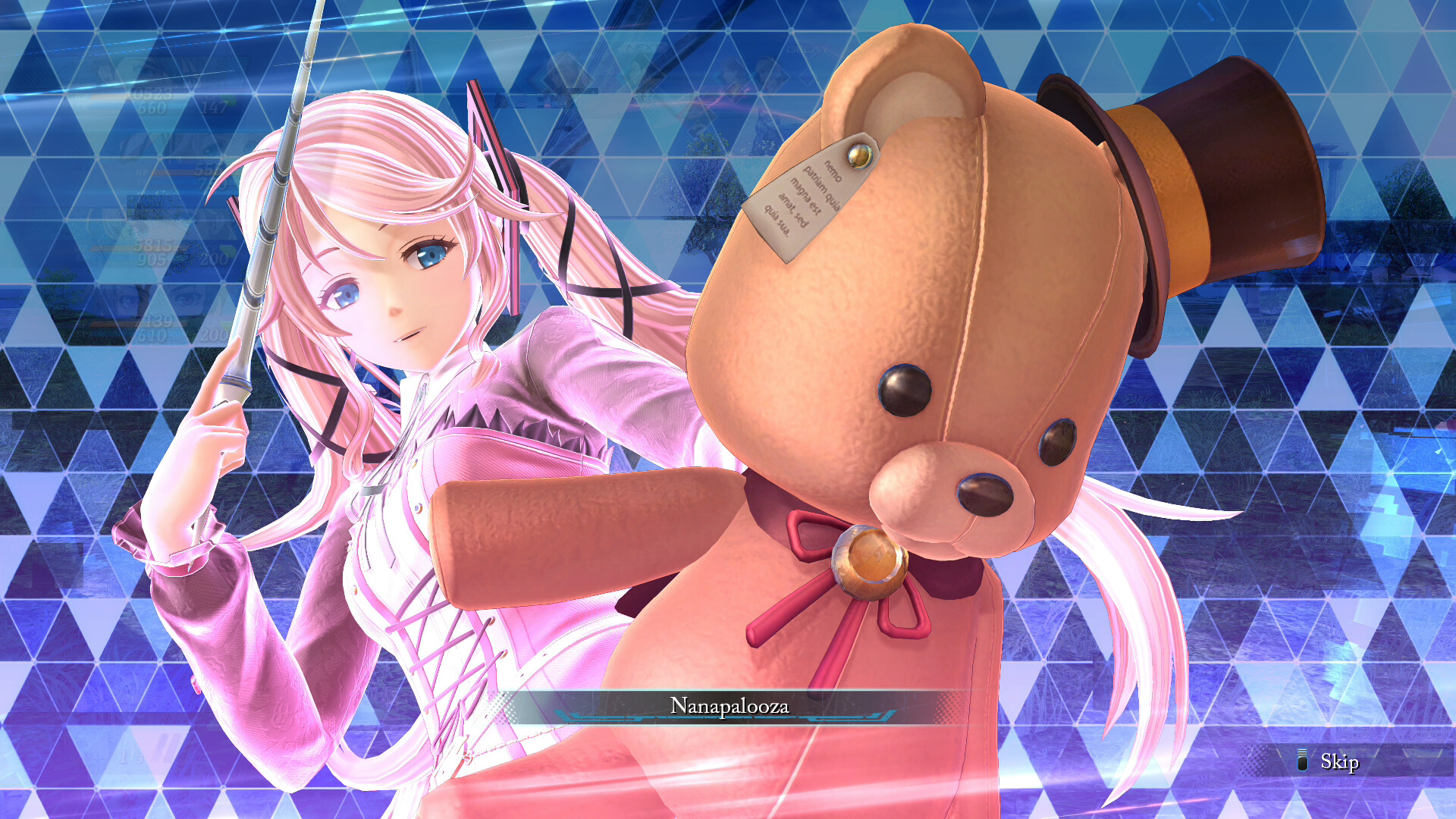
Combat keeps the series’ hybrid approach: ordinary field encounters can be fought in real time, and the player can move into command battles for more deliberate party tactics. In field combat, the active character attacks and dodges directly, letting the player respond to enemy telegraphs and openings. A successful perfect dodge creates a Cross Charge prompt; taking it switches in another party member, who delivers a charge attack and receives a temporary attack increase. This makes evasion an opportunity to bring a second fighter into the exchange instead of only avoiding damage. Enemies can also be stunned, creating a transition point into the more structured battle system. The two modes support different situations: field fighting keeps movement immediate, while command combat gives more space to plan a sequence of abilities and coordinate the group. Switching styles is an available choice, so a player can use action controls for a quick encounter or call up the tactical layer when positioning and party composition matter more.
Command battles use a turn order and let the player direct a party of up to four active characters across the battlefield. Movement matters because attacks, crafts, and arts have ranges or areas of effect, and party members can support one another through SCLM links. Daybreak II adds EX Chains: after the necessary conditions are met, striking a stunned enemy with a normal attack or craft can trigger linked characters to attack together, also catching nearby foes. The Xipha combat orbment provides another layer of character development. Quartz fitted into orbment slots can strengthen the user and enable arts, while core and slot arrangements shape how a character contributes. The same equipment decisions feed into both combat modes, so a build prepared for a command battle still informs the character used in the field. Battle rewards and items support ongoing equipment adjustment, while the changing cast in different chapters encourages players to revisit setups as party members rotate in and out.
The optional Märchen Garten offers a separate virtual dungeon route for building and testing a chosen party. Its floors are generated in varied configurations, and clearing them yields shards that can be exchanged for randomized items and skill stones that strengthen party abilities. Those rewards feed back into the main adventure, while the floor challenges provide a separate reason to try different formations. The Garten also gives access to allies who may not be available together during a particular story chapter, making it a place to experiment with combinations beyond the current narrative group. Shorter diversions break up investigation and combat: fishing returns, and new minigames include network hacking and basketball challenges. Other missions use character-specific mechanics, such as stealthy tailing, rather than simply sending the full party into another fight. These activities can provide additional rewards and variety, while remaining distinct from the central investigation. The combination of requests, minigames, and the Garten gives players optional ways to spend time between major story events, whether they want another battle challenge, a different mechanical task, or an opportunity to improve the roster.
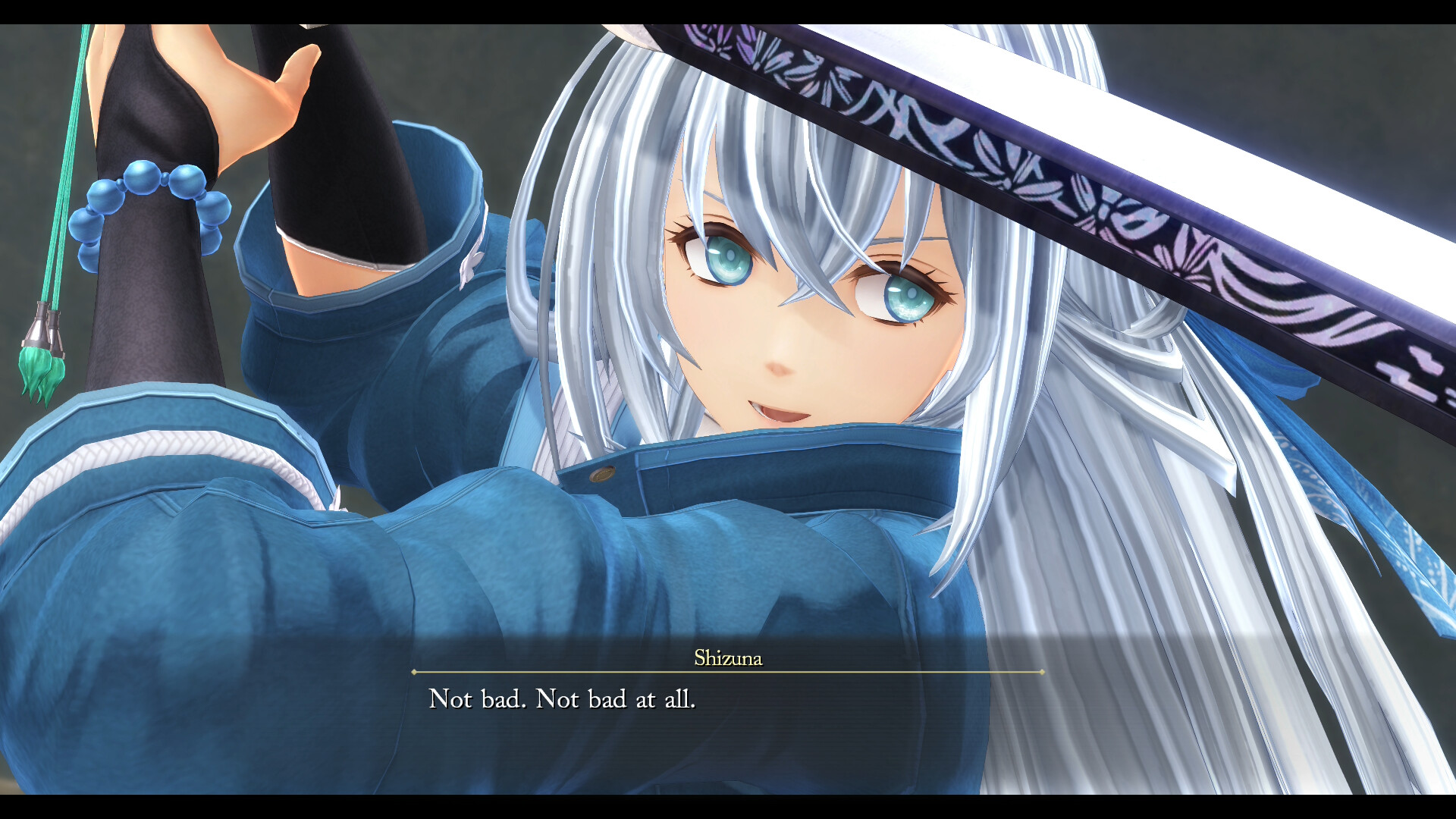
The presentation pairs character-focused scenes with illustrated portraits, voiced dialogue, animated battles, and a soundtrack that supports both quieter conversations and combat. The game’s setting places familiar fantasy technologies alongside a contemporary urban atmosphere: orbal cars, communications equipment, and network systems belong naturally in Calvard’s cities, while the Märchen Garten shifts into a constructed virtual space. Its story assumes familiarity with the first Trails through Daybreak, and its returning characters connect it to the wider Trails series. The 2025 PC release offers the core adventure separately from Deluxe and larger bundles. Those bundles add accessories, Holo Core voice options, attire, music and item packs; these extras change customization and supplies rather than forming separate story campaigns. English and Japanese voices, interface text and subtitles are available on PC. Across the investigation, the same orbal technology that equips the party also shapes its cities, communications and virtual diversions, connecting combat systems to the republic’s everyday life.
- Developer
- Nihon Falcom Corporation; PH3 GmbH is also listed for the Steam PC edition
- Genre
- Story RPG / action, adventure, RPG (Steam listing)