
About The Last Door: Season 2 - Collector's Edition
Psychiatrist Dr. John Wakefield searches for his vanished client Jeremiah Devitt across four Victorian horror episodes. Examine locations, question characters and solve point-and-click puzzles as clues lead from English institutions and manors toward an isolated island and the Veil. The Collector’s Edition gathers Season Two with bonus content and Carlos Viola’s original score.
The Last Door: Season 2 - Collector’s Edition puts Dr. John Wakefield in the lead role. Wakefield is psychiatrist to Jeremiah Devitt, whose disappearance starts the search; Devitt is the missing client, not the character controlled through this season. Wakefield begins with professional reasons to find him, then encounters evidence that pushes the investigation into forbidden knowledge, the Veil and a wider conspiracy. The change in viewpoint lets the season revisit the series’ Victorian supernatural world while making a different kind of investigator the centre of the story. Johan Kaufmann, Wakefield’s colleague and mentor, accompanies important parts of the search, and his research helps connect the individual places to the questions surrounding Devitt. This is the complete Season Two package on Steam, gathering four episodes and its Collector’s Edition extras. Season One provides context for Devitt’s relationship to Wakefield, but the story here follows the psychiatrist’s attempt to locate him and understand the forces that have taken the inquiry beyond ordinary clinical explanation.
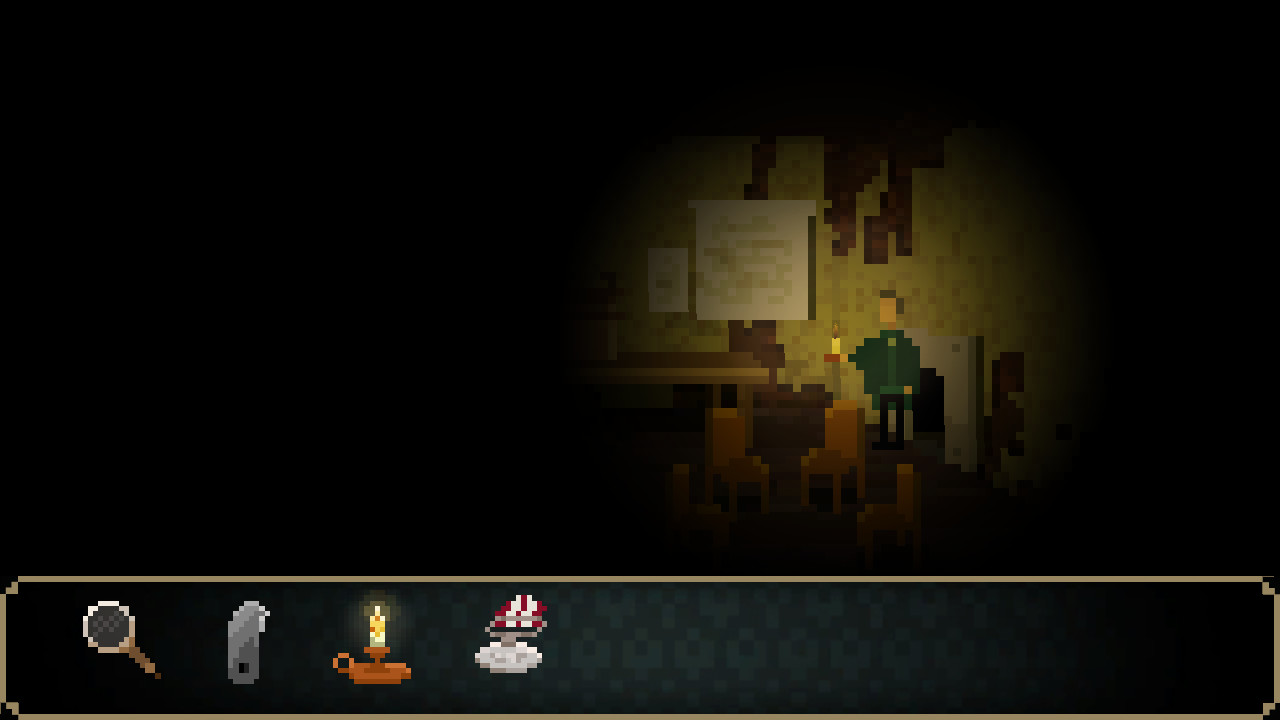
The point-and-click format makes looking and interpreting the primary actions. Wakefield moves between illustrated screens, examines objects and environmental details, questions characters, and uses collected items where they become relevant. The puzzles ask the player to connect those observations across scenes rather than solve a combat encounter or develop a character build. Episode chapters open up distinct areas of the search, and within a chosen place the player inspects rooms and follows accessible exits. That structure gives the investigation a geographic layer: returning to a previously visited place can matter when new information changes what the player should look for there. The interface keeps the emphasis on context, since a household object, letter or environmental clue can be useful because of where Wakefield found it and what a conversation has revealed. Progress comes from accumulating and interpreting clues across the four chapters, with each new room or conversation changing what Wakefield understands about the search. Characters’ observations and written material supply context that the player can carry from one location to another.
The season changes its investigative setting from chapter to chapter. The Playwright introduces the search around Devitt and the organisation whose name becomes central to Wakefield’s inquiry. My Dearest Visitor follows the trail toward Alexandre Du Pré through the research associated with Professor Adam Wright and Johan Kaufmann; the chapter draws Wakefield into an unfamiliar mansion setting. Game Critics describes the season’s four chapters as different areas and short stories, each adding people and answers to the larger mystery. The official store listing names mental asylums, abandoned manors and opium dens among the settings, while a review also identifies isolated pagan islands as part of Wakefield’s route. These are distinct spaces with different social and physical clues: an institution, a private residence, a drug den and a remote island do not offer the same kinds of conversations or evidence. Their sequence makes Wakefield’s movement beyond England part of the investigation’s expanding scale. A room’s objects and the people encountered in it can explain one local problem while also linking the episode to the continuing search.
Episode three, The Reunion, takes Wakefield to the Irish island of Éilís Mór, where he is looking for an ancient sanctuary connected to the mystery of the Last Door. The place changes the investigation from following a paper trail through English properties to questioning island residents and learning what local traditions mean. Reviews characterize this chapter’s setting as pagan and isolated; the game’s own structure still presents it through point-and-click scenes, conversations and objects to examine. The final episode, Beyond the Curtain, carries the investigation into the Veil, a setting that no longer follows the ordinary geography of Wakefield’s earlier travels. A review calls attention to the contrast between the season’s familiar locations and a final chapter set in a space between worlds. These chapter shifts are more specific than a simple list of haunted interiors: Wakefield moves from the people and evidence connected to Devitt, through a remote community with its own account of the mystery, and into an otherworldly environment tied to the season’s central Door. The story widens by changing where evidence can be found and what kind of explanation might fit it.
The four-episode order lets the player build an account from repeated encounters rather than from a single isolated case. The Playwright, My Dearest Visitor, The Reunion and Beyond the Curtain are the named chapters in the Collector’s Edition; the first three are identified in developer material as the season’s story developed, and the fourth completes the set. Across them, Wakefield’s inquiry links Devitt, Kaufmann’s work, Professor Wright’s research and the secret organisation known as the Playwright. That chain gives letters, research materials and conversations a role beyond local puzzle clues: they can change the player’s understanding of why the next place matters. The route also includes puzzles that require the player to remember information from elsewhere. A review describes a forest-maze puzzle involving runes and a memory or note-taking challenge, while another discusses a mansion puzzle whose switches link indoor rooms and an outdoor garden. Those examples show how a solution can depend on retaining a pattern or revisiting a location, not merely spotting a key in the current screen. The player must work out those patterns from the locations and clues encountered in the episode.
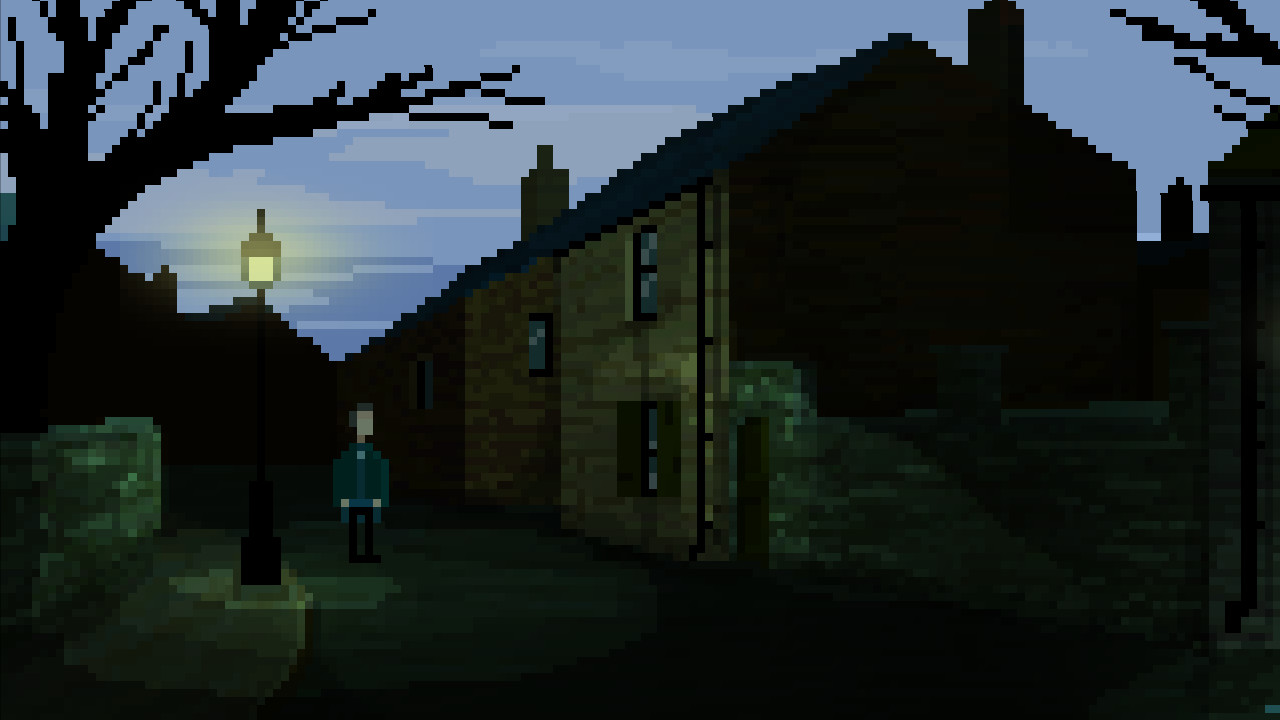
The presentation combines low-resolution pixel art with sound design that supplies information and atmosphere. Game Critics notes that the small character sprites leave room for imagination while still conveying expressive movement, and that environmental audio can suggest activity beyond what the screen directly shows. A second review points to ambient sound and a dark, surreal plot as important parts of the season’s effect. Carlos Viola composed the original score for Season Two, while the publisher describes upgraded art and effects alongside the low-resolution style. The contrast is central to how the locations work: rooms are represented with sparse pixels, but their meaning can be shaped by what the player hears, reads or discovers there. An abandoned interior, a mansion or an island village can feel narratively dense without detailed rendering, because small objects and fragments of dialogue direct attention to specific histories. The Collector’s Edition includes bonus content, but the score and visual style discussed here belong to the Season Two game itself; separately listed soundtrack content is not being counted as an in-game mechanic or episode.
The Collector’s Edition brings Wakefield’s four Season Two episodes together, beginning with Devitt’s disappearance and ending beyond the familiar geography of the earlier chapters. The Playwright, My Dearest Visitor, The Reunion and Beyond the Curtain form one investigation, but each gives Wakefield a different place to read and different people to question. An English institution and a manor give way to the island of Éilís Mór and then the Veil, so the mystery grows in scale while its point-and-click method remains recognizably the same. The edition includes extra material alongside the complete story; Carlos Viola’s score and the upgraded effects accompany the playable episodes. Wakefield’s professional connection to Devitt remains the reason he enters the case, while Kaufmann and the others he meets bring their own research, memories and warnings to it. What begins as the search for a client becomes a confrontation with the ideas and experiments that gave the Last Door its name. The four-chapter format lets each setting add evidence to that larger question.
- Developer
- The Game Kitchen
- Genre
- Point-and-click Victorian-era horror adventure with environmental puzzles