
About The Last Door - Collector's Edition
In Victorian England, Jeremiah Devitt receives a cryptic letter from his old schoolmate Anthony Beechworth and travels to investigate. The first-season Collector’s Edition follows this mystery across four point-and-click episodes, where exploration, object puzzles and discoveries about the past connect isolated settings. It is Season One; Season Two is a separate sequel.
The story begins with a message that makes an old friendship feel newly urgent. Jeremiah Devitt receives a letter from Anthony Beechworth, a former schoolmate whose words contain a hidden, cryptic warning. Devitt travels to an abandoned manor to find out what has happened, and this first investigation opens onto questions about a secret tied to their youth. The setting is Victorian England, but the game’s focus is not on public history or city life in general: it is on private correspondence, memory and the unsettling implications of what people have chosen to conceal. The story develops through a chain of meetings, places and discoveries rather than through a detective case board or a large cast of competing factions. Devitt is the player’s point of contact with these spaces, and the narrative keeps him moving from one disturbing location to another as the original message acquires wider meaning. The horror is built around an unseen, ancient presence and the human actions that brush against it. The opening premise therefore has two linked questions: what prompted Beechworth to write, and what from the two men’s shared past makes the letter matter now?
The Steam app 284390 packages the first season as four episodes. Each episode has its own immediate setting and local objective, while the questions raised by Devitt’s correspondence and earlier life carry the larger story between them. That episodic construction changes the scale of progression: an episode can establish a contained place to explore and a short-term problem, then leave the player with new context for the next chapter. The locations vary, including an abandoned manor, decaying urban interiors and underground passages, so the series moves through distinct corners of Victorian England instead of a single connected map. The narrative draws on occult horror and psychological uncertainty, but the focus remains on people, records and physical spaces that can be inspected. Characters encountered along the way may be difficult to read, and their words or behavior become part of the atmosphere as well as clues to what has happened. The complete first-season collection adds scenes and puzzles to the episodes and includes unlockable bonuses. The four-episode first season ends before the separate Season Two begins, giving Devitt's initial journey its own sequence of discoveries and unanswered questions.
Exploration uses a classic point-and-click format. The player examines the current screen, selects objects and characters, and moves through doors or other exits to adjacent spaces. A room may contain a few conspicuous objects whose purpose is not immediately clear; inspecting them provides descriptions and can reveal how they relate to the immediate task. The game’s lamp and magnifying glass are part of Devitt’s investigative toolkit, helping him deal with dark environments and scrutinize details as he searches. Neither tool turns exploration into free movement or a combat system. Instead, the player progresses by looking closely, testing interactions and recognizing which detail belongs to the current puzzle. Individual episodes keep the relevant area and objective relatively compact, so exploration tends to circle around a small set of rooms and the evidence within them. Returning to a previously visited screen is part of that process, though the edition’s streamlined room transitions can skip transitions already attempted. The emphasis is on noticing what a location contains and understanding how its objects or people relate, rather than surveying a broad landscape or navigating a map full of optional regions.
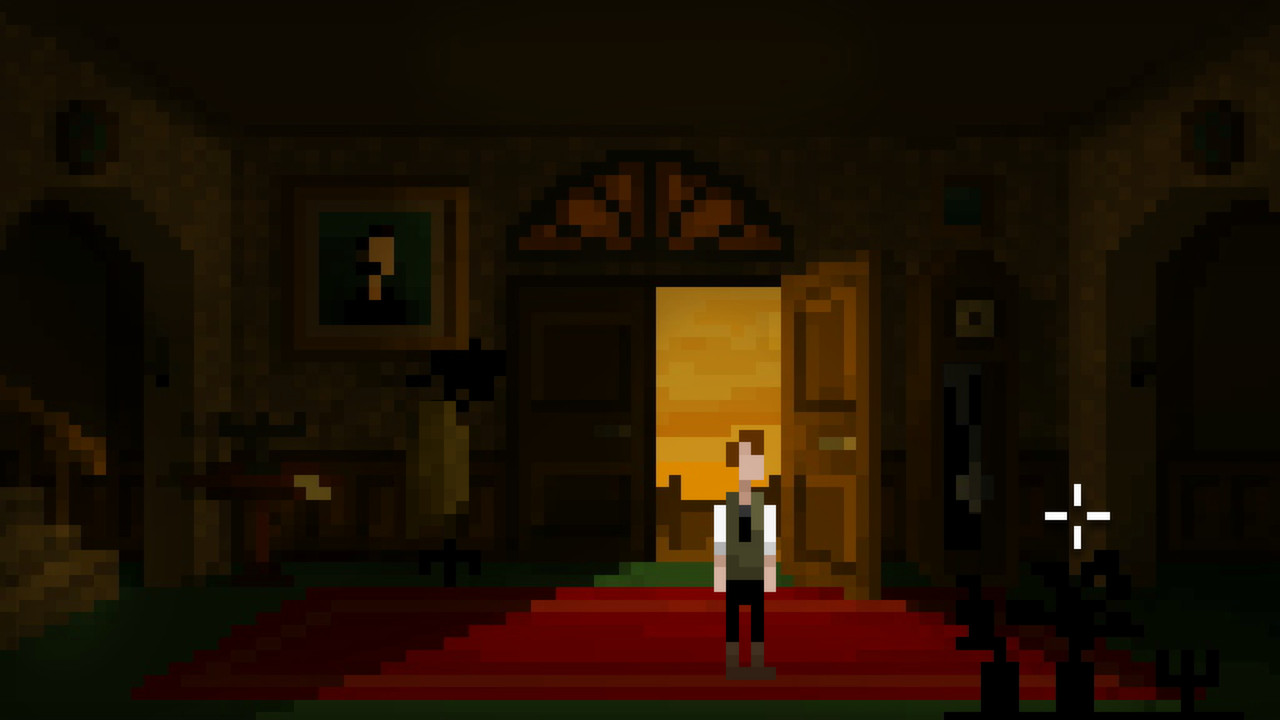
Inventory puzzles give collected objects a practical role in moving between locked spaces and unanswered questions. Devitt can pick up items and use them on features of the environment or combine them when their functions fit together. Inspection and interaction are handled through a unified command, while the puzzle logic is generally framed around nearby objects and the immediate setting. This keeps a chapter’s problem-solving legible: an implement found in one room may solve an obstacle in the next, and the player can follow the chain of cause and effect without keeping track of a sprawling inventory across the entire season. The four episodes provide separate local goals, but completing a puzzle also changes what Devitt knows about the wider mystery. The collection’s additional scenes and puzzles extend the original episode material, while its unlockable bonuses sit alongside the main adventure rather than replacing its chapter structure. The adventure's sense of progress comes from understanding a location and the history behind it, rather than improving Devitt's statistics or equipment. Progress comes through finding the right object, understanding the scene, and reaching the next narrative beat. The player’s decisions are expressed through investigation and use of objects, not through a branching dialogue system with established alternate campaign routes.
Movement is deliberately restrained. Devitt does not traverse a three-dimensional environment under direct control; navigation is screen-to-screen, with a click taking him through an available exit. This means the visual layout of each room and the placement of interactive details carry much of the navigational work. The sequence of rooms also shapes pacing: the player can pause to inspect an unfamiliar scene, then move on once its relevant interaction has been understood. Previously attempted transitions can be skipped, which reduces repeated travel through spaces when an episode sends the player back along a known route. The same compact approach applies to the game’s threats. The source material describes a point-and-click horror adventure centered on investigation and puzzles, not a conventional combat game, and no combat or movement challenge is claimed here. Danger is communicated through the story, the state of a location and what Devitt encounters there. That choice suits a protagonist whose main tools are observation and a few practical objects. A dark passage or locked door creates a question about what lies beyond it, and answering that question advances the scene-based journey without requiring reflex-based movement.
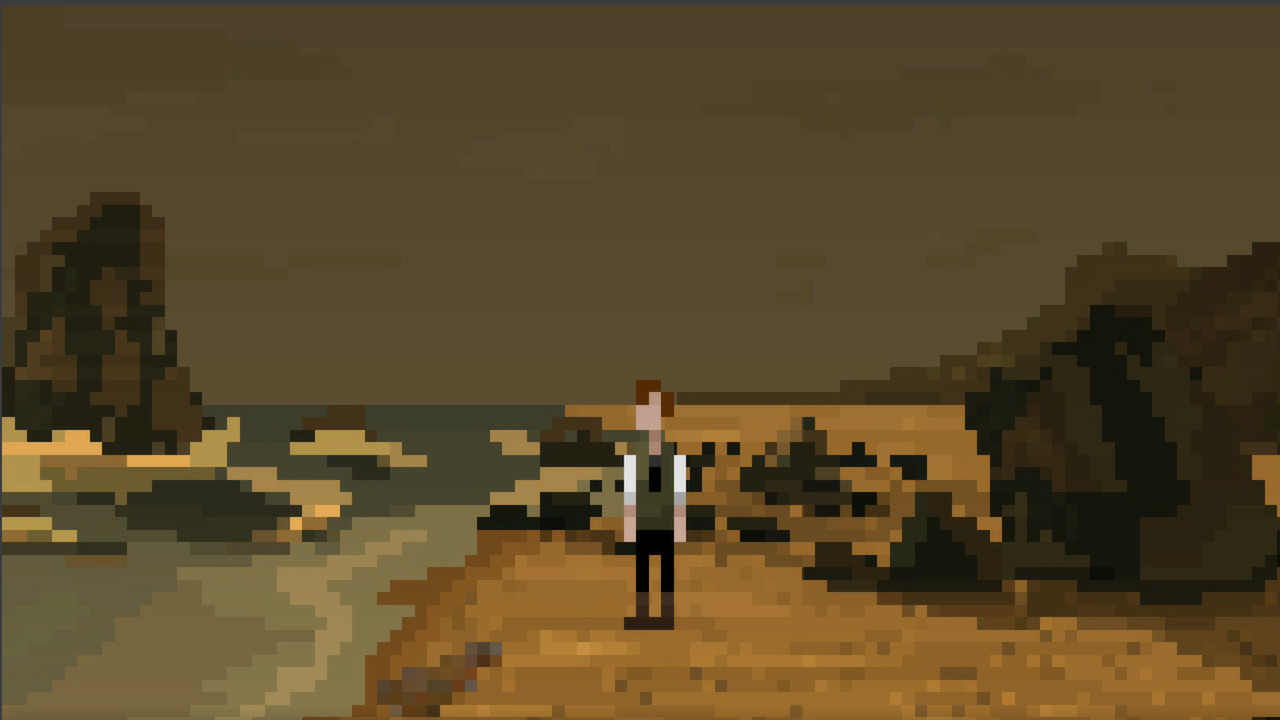
The visual and audio presentation gives the game its particular form of unease. The environments and characters are rendered in deliberately low-resolution pixel art, so shapes can remain indistinct until the player examines them or brings their attention closer. That limited detail leaves visual gaps for the imagination while making a lamp, doorway or odd silhouette stand out against a dark room. The edition describes enhanced graphics and remastered sound compared with the earlier episodic releases, and it adds new scenes and puzzles. Sound is part of how a location feels: music can recede, and subtle effects can make a quiet space feel occupied even when nothing immediately appears. The game’s horror relies on implication, strange behavior and the sense that a larger force exists beyond the current room, rather than on a continuous stream of action. Its Victorian settings—old houses, neglected tenements and underground warrens—give the episodes different textures, while the same pixel style connects them. The restrained presentation makes looking and listening active parts of exploration: a location is both a puzzle space and a source of clues about the mood and events surrounding Devitt.
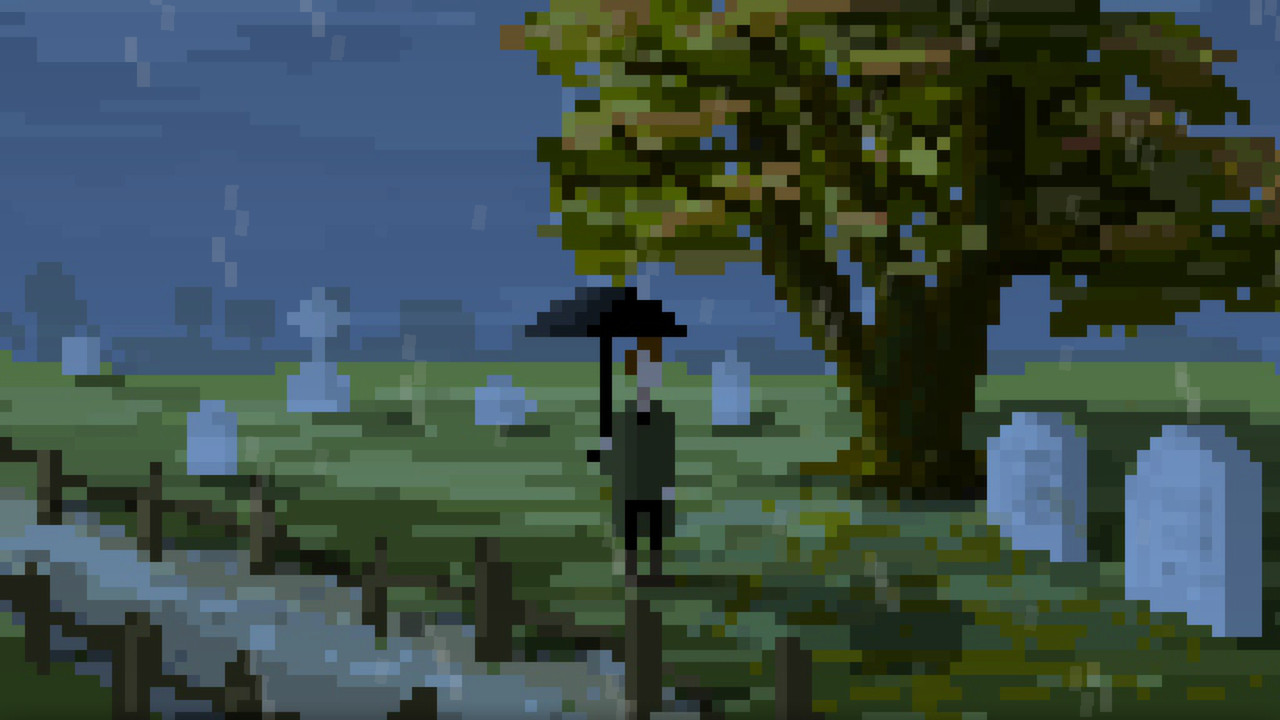
The first season gathers four episodes around Devitt's response to Beechworth's warning and the secret that connects their past to the places he explores. The Collector's Edition adds scenes and puzzles, remasters the sound and includes extras, while retaining the deliberately indistinct pixel look that makes a dark doorway or unexplained shape unsettling. Its slow, screen-by-screen investigation leaves space for a letter, an object or a brief sound to alter the meaning of a room. A puzzle solved in one location moves Devitt forward, but it can also sharpen the larger question raised by the original message. This edition is the four-episode Season One package. Season Two continues the mystery as a separate game, so its revelations and locations are not needed to understand the opening journey. Here, the combination of limited sight, careful listening and practical object puzzles carries Devitt from an old friend's letter into a wider occult horror.
- Developer
- The Game Kitchen
- Genre
- Point-and-click horror adventure