
About The Last Campfire
The Last Campfire follows Ember, a lost soul seeking meaning and a way home through a puzzling world. She meets other lost souls, some forlorn, and chooses whom to help. New skills, a world-changing flute and a boat that opens earlier routes shape her exploration toward the last campfire.
The Last Campfire begins with Ember, a lost soul in a charming but dark world. The journey is framed around loss, hope and empathy, with a simple aim that opens into a wider encounter with the world's inhabitants. As Ember travels, the route brings her to other lost souls; some have become forlorn after losing their way. They are not simply scenery around a sequence of puzzles. The player chooses whom to help, and whom to leave behind, giving the journey a human decision alongside its physical challenges. This choice makes the story's concern with empathy part of the action: moving forward means meeting characters whose needs may call for attention, even when Ember has her own way home to find.
The world is built around exploration threaded with puzzles. Travelling through it teaches Ember new skills, and those abilities let her take on more difficult challenges as the journey progresses. The increasing demands connect learning to movement through the world: a skill gained along the way changes what kinds of obstacles Ember can face. The puzzles therefore sit within a broader route rather than forming an unrelated set of rooms. Encounters and places give context to the journey, while the challenges ask the player to work with what Ember has learned. This gradual expansion of what she can do gives the adventure a clear sense of development, with the path outward also becoming a path toward greater capability.
Two tools make the changing world especially tangible. Ember finds a flute that can manipulate the world around her, turning music into a way to affect the environment and approach its puzzles. Later, a boat lets her sail back through parts of the world she could not reach before. That return journey changes how earlier spaces function: places already encountered may connect to routes that were previously out of reach. The boat makes exploration recursive, as progress opens ways to look back and travel through the world differently. Together, the flute and boat give the journey more shape than a one-way trek. One changes the surroundings directly; the other expands where Ember can go, linking new abilities to fresh routes and challenges.
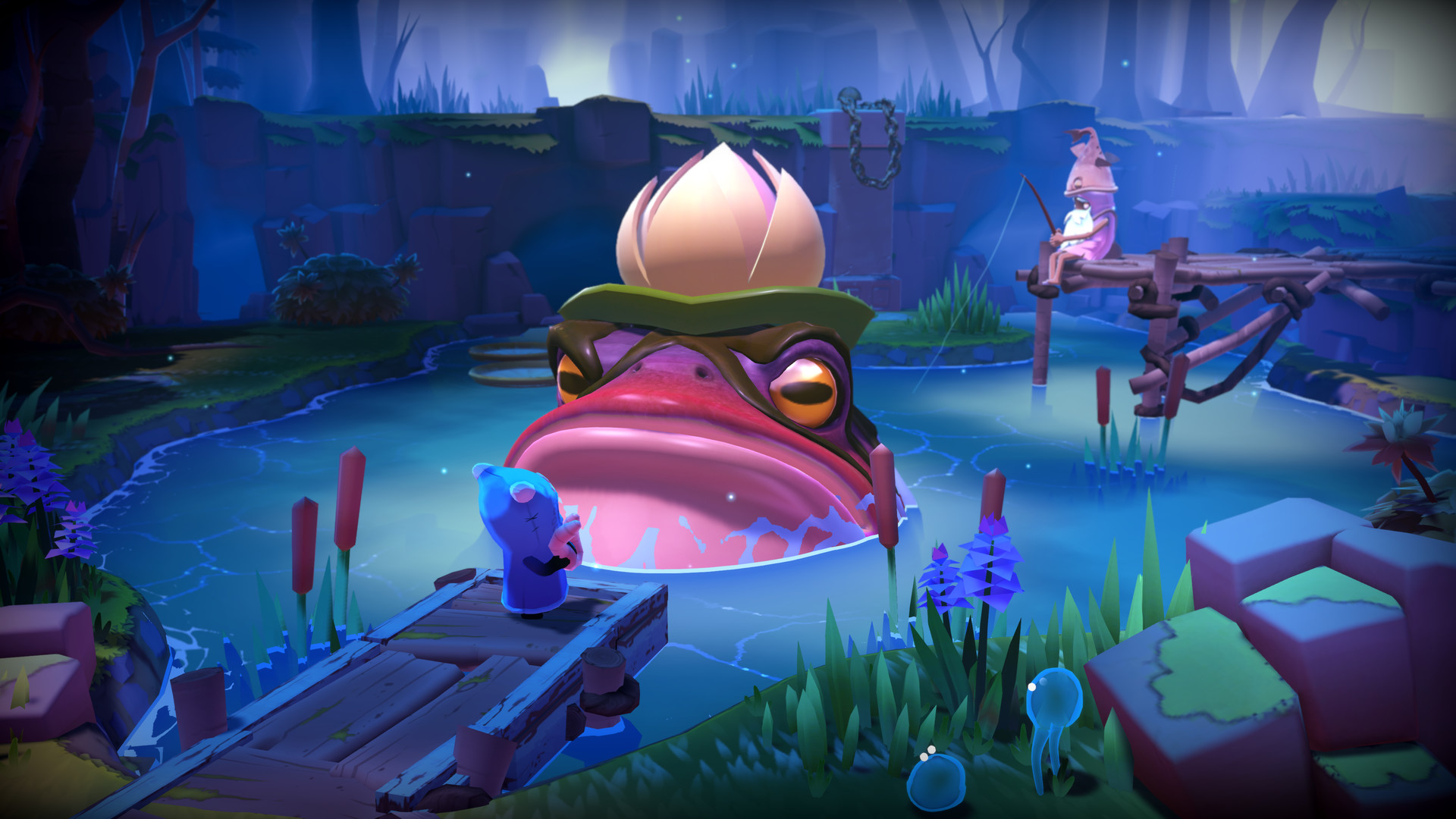
The souls Ember meets have their own histories, and the world contains strange, mysterious characters whose lore reaches back long before her arrival. Some may be helped; others must be left behind. That mixture gives the landscape a sense of life that extends beyond the protagonist's immediate needs. The player can also use an explore mode to take in the world and talk with its inhabitants, with space to attend to the setting outside the pressure of difficult challenges. Exploration is thus more than a means of reaching the next puzzle. It can mean learning about the people who inhabit a place, following pieces of the world’s older stories or simply spending time among the strange details that make the journey feel like a forgotten tale.
The campfire gives this wandering a shared direction. The premise describes Ember as searching for meaning and a way home, while hope is something to find and carry toward lighting the last campfire. The goal is clear, but it sits within a story about how people respond to being lost: Ember faces her own uncertainty while encountering others who have lost their way. Choosing whom to help gives that theme a practical expression, while the puzzles and new skills provide the means to continue travelling. The adventure holds these threads together without needing the destination to explain every encounter in advance. Its emotional focus comes from the relationship between movement, hope and attention to other souls along the route.
The presentation reinforces the sense of a tale being discovered as it is travelled. The world is meant to feel like a forgotten storybook or lost myth, and a narrator tells Ember's story while she passes through it. That framing places the puzzles, conversations and choices inside a narrated journey rather than a silent series of tasks. A narrator's voice accompanies the path; the inhabitants bring their own lore; and the player decides where to spend attention. The result is a story-led adventure that balances forward movement with opportunities to pause, explore and talk. It follows Ember through a mysterious world, but the choices about whom to help and the places opened by new skills shape how that passage feels.
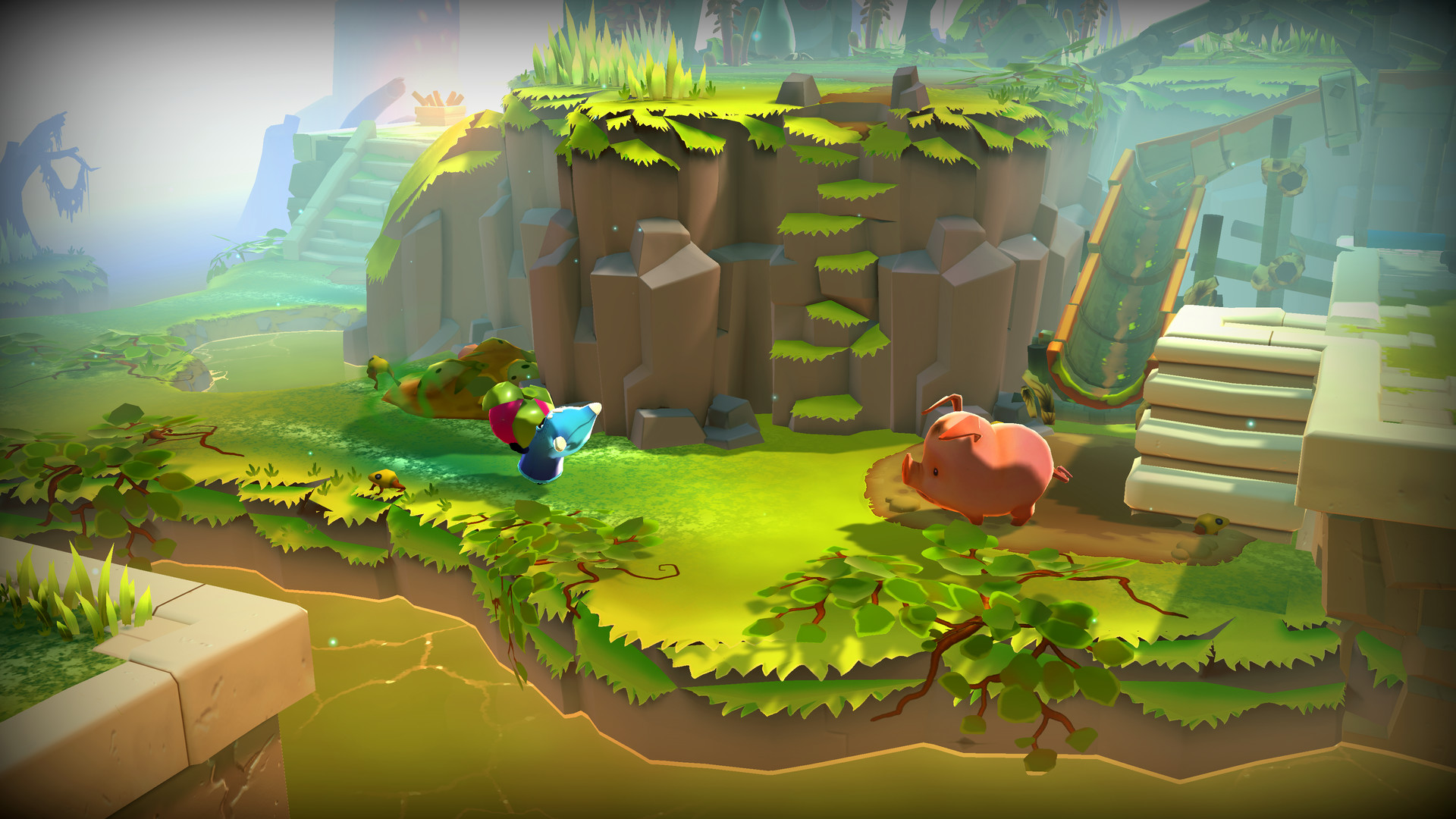
The Last Campfire brings together environmental puzzles, character encounters and a narrated fable. Learning new skills raises the challenges Ember can tackle, the flute lets her affect the world around her, and the boat reconnects her with areas she could not previously reach. Alongside that progression, the souls she meets give the journey its emotional stakes: some can be helped, while others remain beyond her reach. Explore mode makes room to wander and speak with inhabitants, and the narrator sustains the storybook quality of the whole. At the centre is a lost soul looking for home, moving through an unfamiliar world while carrying hope toward the last campfire.
- Developer
- Hello Games
- Genre
- Adventure with puzzle-focused exploration