
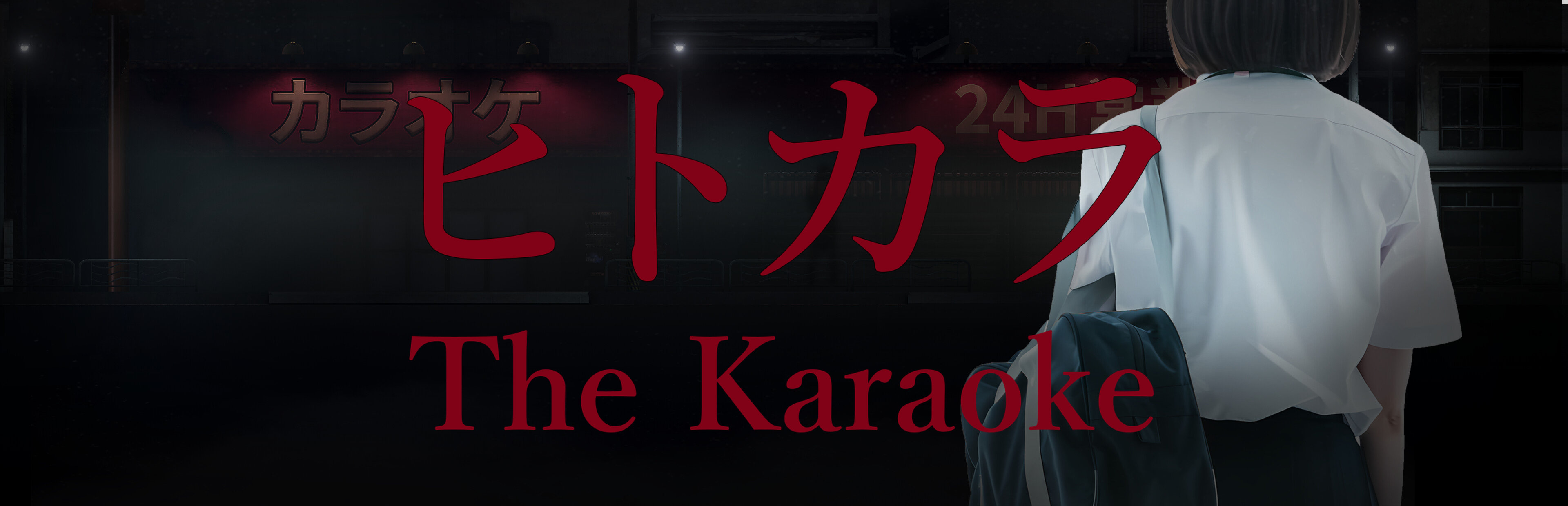
About The Karaoke
After basketball practice, Mira expects to sing with her friend Moeka, but a delay leaves her alone at a karaoke venue. Songs, orders and phone calls give way to a threat inside the building. The Karaoke is Chilla's Art's 2023 first-person horror story, with rhythm-game moments and six endings shaped by actions beyond the microphone.
The Karaoke begins with two school friends expecting an ordinary evening after basketball practice. Mira and Moeka are going to sing together, a small reward after spending time in the gym. The coach appears as they are finishing, and the situation changes before the girls even reach the karaoke venue. Moeka is held back while Mira travels on ahead. That separation gives the game's title a second meaning: Mira may have to spend the whole evening singing alone. She reaches the venue while Moeka remains elsewhere, so their planned reunion cannot be taken for granted. Chilla's Art starts from a recognisable set of places, moving from a school gym and changing area to a night street and the bright sign outside a private-room venue. Nothing about that route requires an abandoned building or a supernatural curse. Its unease comes from the question of why the friend who planned to come along is still at school, and from Mira's limited ability to find out what is happening there once she has left.
The early school scenes establish Moeka as somebody with whom Mira shares a routine, not merely a name to be mentioned by telephone later. Basketball practice places the girls together in a gym, with a coach whose authority over students is part of their everyday life. Changing clothes, getting to the bicycles and deciding when to leave all belong to the practical end of a school day. When Moeka does not accompany Mira, the change has weight because the player has seen the plan they made together. Mira's trip through the dark to the karaoke venue is still a trip toward something pleasant, but it is no longer the trip she expected. A vehicle parked outside and the venue's around-the-clock sign make the destination visible from the street. Inside, a front desk and private singing rooms give the outing a routine sequence: enter, arrange a room, choose songs and wait for a friend who may arrive late. These ordinary stages are needed before the calls from Moeka can make the separation feel serious.
The room initially offers what Mira came for. A tablet lets her select songs, and singing becomes a rhythm-game activity rather than a simple interaction prompt. The player follows the music on screen while Mira remains in a small private space. Drinks and food can be ordered, introducing staff and deliveries to the room without making the whole building freely visible. A karaoke room is designed to separate one group from the next, which is useful for singing but less reassuring when Mira is on her own and expecting contact from Moeka. The game can turn a pause between songs into time to check a phone or reconsider a call. A player who has been following musical cues now has to pay attention to the person's voice at the other end of the line. The tension depends on that change in attention. Karaoke is a real playable part of the evening, not only a sign on the building, yet continuing to sing does not make what is happening outside the room disappear.
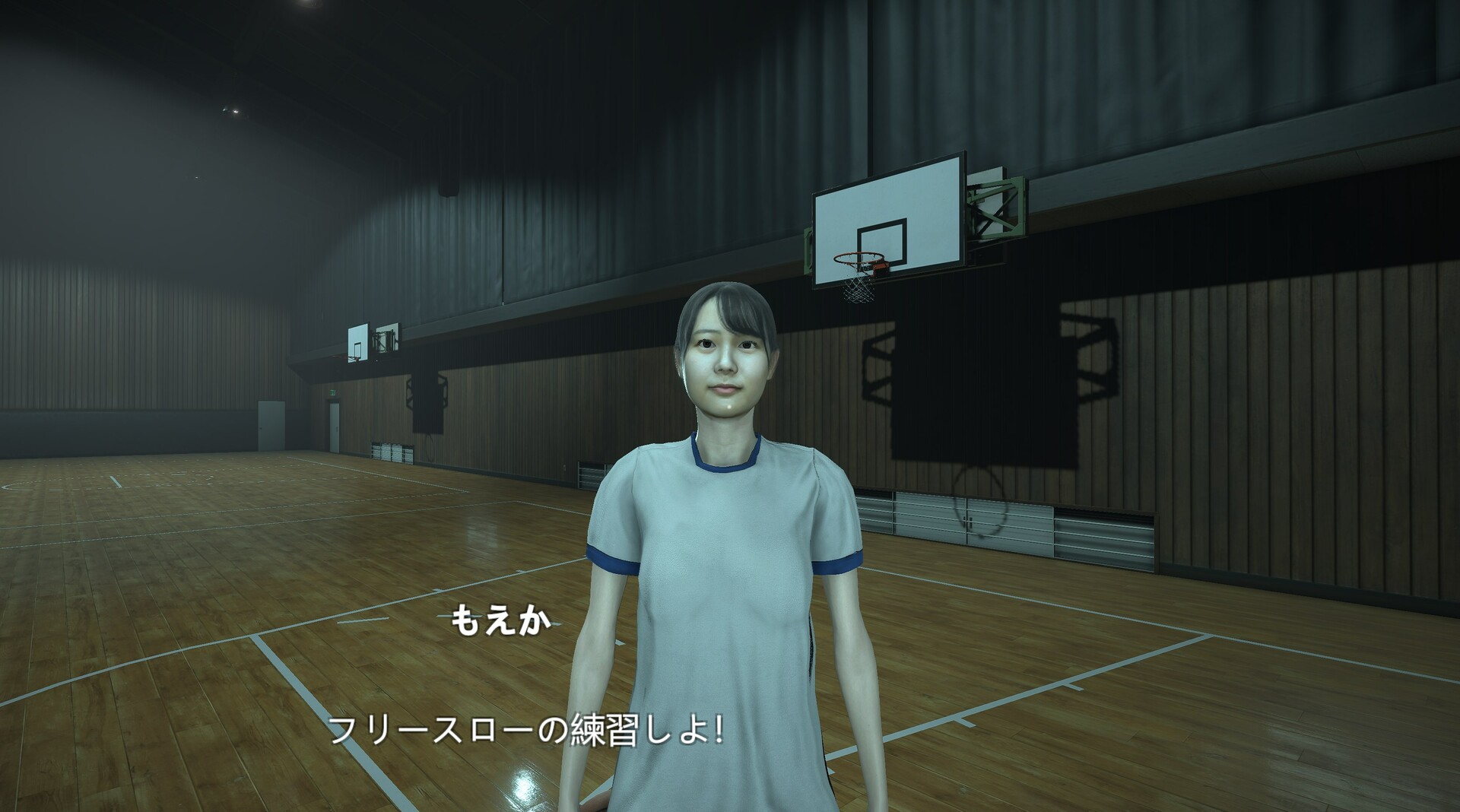
Moeka's calls provide the clearest connection between Mira's relatively enclosed evening and the school she left behind. At first, an explanation for being late might fit an ordinary delay after practice. Later contact makes that reading difficult to sustain. The friend who should be in the next seat is somewhere else, and Mira receives only fragments of what she is experiencing. The player cannot see every event at school as it happens; the phone carries fear, interrupted speech and information that arrives too late to keep the original plan intact. This makes the device more important than a conventional objective marker. It joins two places that the protagonist cannot occupy at once. Mira must decide how to respond to news from Moeka while also dealing with her own surroundings in the karaoke building. The story concerns the vulnerability of teenage girls around adults who can exploit trust and authority. The developer warns of sexual assault and trauma among the game's themes; its threat should be understood as human harm, without turning that harm into a lurid attraction.
The venue changes as the evening progresses. Its rooms and corridors are first part of a commercial space where Mira can order refreshments and sing privately. Later they become places to search for a way through, avoid a pursuer or use an object at the right time. Knowing that the front desk exists or that a corridor leads past other rooms becomes more consequential when simply staying in the assigned room is no longer enough. The player moves in first person, so a doorway, a turn or a person approaching at the far end of a hall must be read from Mira's position. This is not an arena built for repeated battles. It is a karaoke venue whose ordinary layout becomes a problem under pressure. The same design that protects patrons' privacy also means that another person may be out of sight until the player needs to know where they are. The movement from singing to navigating the building is a change in purpose, not a jump to an unrelated game mode.
Chilla's Art gives The Karaoke six endings, and the number matters because the evening can conclude in more than one way. The player is not simply choosing a final response from a menu after all danger has passed. Paying attention to the earlier school and venue spaces, and to what happens during the later urgent stretch, can alter what Mira learns or does. An overview need not give away the exact object, route or timing for each conclusion. It is enough to know that the game rewards noticing more than the next song on the tablet, and that its branches concern the people caught in this situation rather than a high-score ladder. Automatic saves at checkpoints support that compact structure. A first route tells a complete version of the night; further exploration can reveal how a different action changes its outcome. The rhythm sequences are therefore part of a story with consequences, rather than an endless song catalogue whose only goal is to improve a performance score.
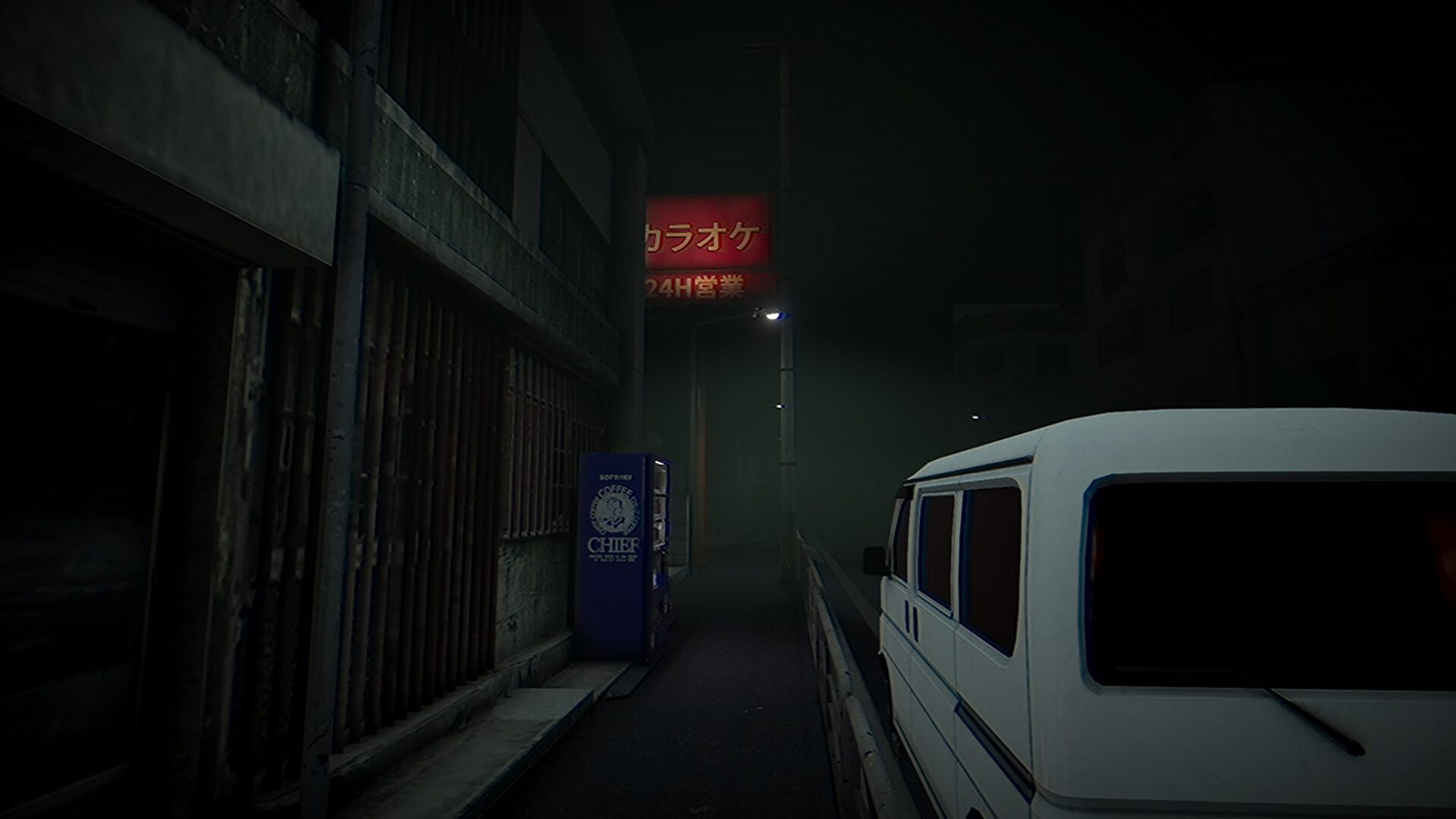
The 2023 PC release places lively music activity against an increasingly uncomfortable setting. The school gym and the karaoke sign are easy to identify in the game's official stills, but the sense of place depends just as much on the transition between them: late practice, a missing companion and a room that Mira occupies by herself. Chilla's Art uses a VHS and CRT-inspired image treatment, with noise, bleeding and jitter that can make ordinary interiors feel worn or unstable. Music gives the player something specific to do, while calls and footsteps make listening outside that activity equally important. The result is a short horror story about how a planned social evening can become isolating when one friend is delayed and the other has only a phone for information. The Karaoke is distinct from a full singing simulator and from a broad survival game. Its songs, staff, school relationship, six possible endings and later need to move through the venue all belong to the same night. Knowing that structure helps set expectations without revealing which path Mira and Moeka should take.
- Developer
- Chilla's Art
- Genre
- First-person Japanese psychological horror with karaoke rhythm scenes