
About The Hundred Line -Last Defense Academy-
After monsters shatter Takumi Sumino's ordinary life in a sealed Tokyo residential complex, a mysterious being named Sirei sends him to Last Defense Academy. There, Takumi and fourteen other students must protect the school for one hundred days, balancing relationships and preparation with tactical battles against the invaders.
Takumi Sumino begins as an ordinary teenager in the Tokyo Residential Complex, a carefully maintained metropolis built from clusters of apartment buildings and public facilities. Its enormous ceiling uses artificial lights to imitate the passage of day and night, while shelters are built beneath the streets to protect residents from danger. Takumi's routine with his family and childhood friends collapses when strange attackers descend on the complex. A creature who calls itself Sirei gives him access to Hemoanima, a power that lets him escape the immediate crisis, then compels him to transfer to Last Defense Academy. The abrupt move trades familiar streets for an isolated school ringed by otherworldly flame. From that point, the central question is how Takumi and his new classmates can survive a mission whose stakes reach far beyond the campus.
Sirei gathers fifteen students at the academy and tells them they must defend it from the School Invaders for one hundred days to save humanity. The invaders are strange creatures intent on entering the school, where something important is hidden; the nature of that objective remains a mystery. The Academy is described as humanity's last line of defense, positioned outside the residential complex and enclosed by undying flames. Those flames never go out and incinerate living matter that touches them, making the perimeter both a barrier and a defining danger of the setting. The students are not simply attending classes in a strange place: they have been turned into a unit responsible for preventing the invaders from reaching whatever the school contains. The story's countdown gives ordinary choices a looming context, while the game's mysteries invite attention to the school and the people assembled inside it.
The game moves between two linked modes of play. During school-life sections, each day advances the story and gives Takumi opportunities to learn about the academy and his fellow students. In defense sections, the unit faces incoming invaders in tactical role-playing battles. The contrast sets conversation, discovery and preparation against a more direct test of the students' abilities. Takumi's decisions shape his future, and their consequences can be difficult to predict; individual routes and outcomes remain undisclosed. The broad structure makes the hundred days more than a calendar attached to a single battle loop: the narrative asks players to spend time understanding an unfamiliar place and its residents, then shifts to the urgent task of protecting it.
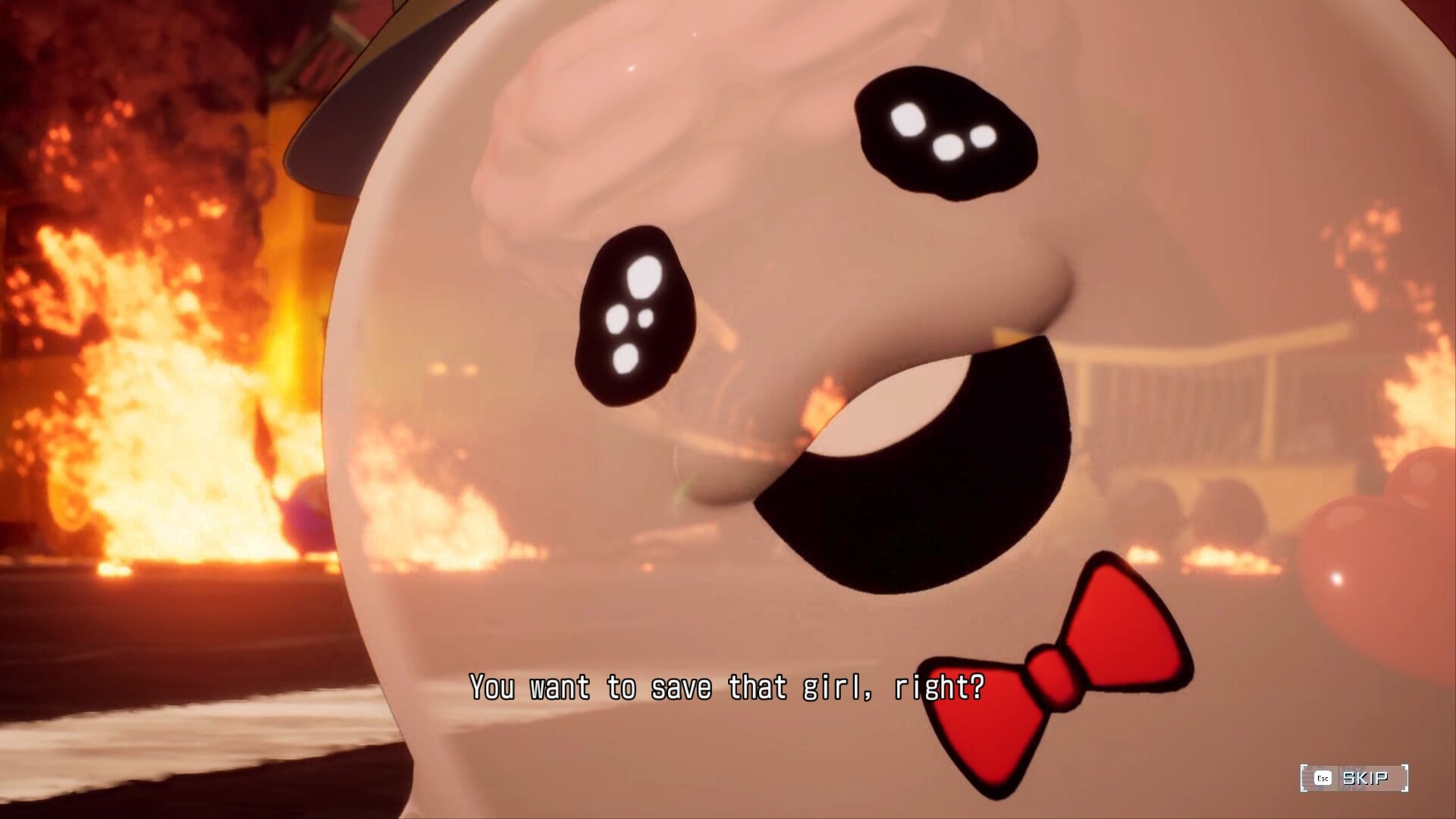
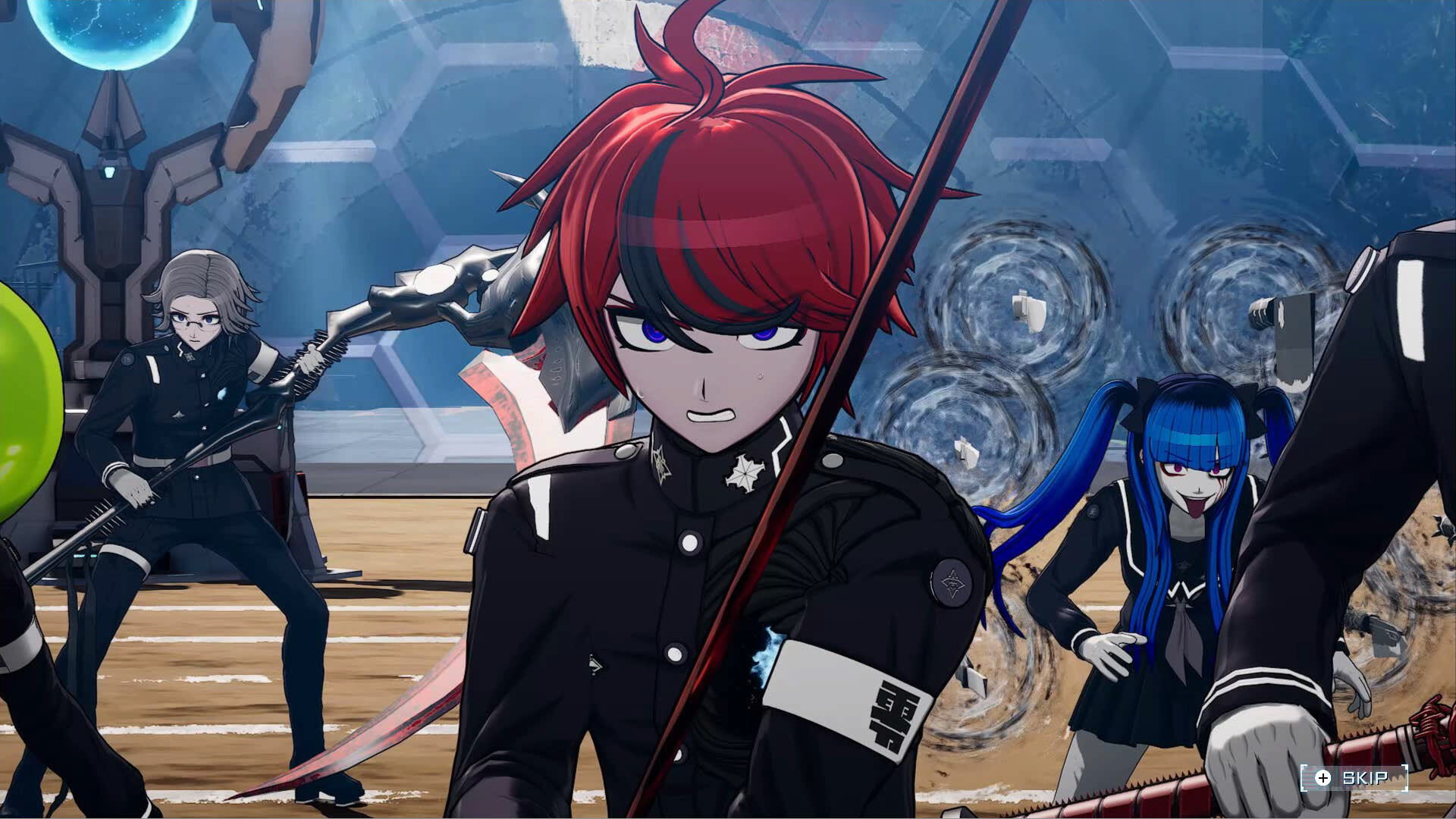
Hemoanima connects the premise to the students' combat roles. In the Academy, Hemoanima is a mysterious energy and the only known force capable of harming the invaders. When activated, it takes the form of Class Armor and Class Weapons, which differ for each member of the Special Defense Unit and enable that student's Specialist Skills. Sirei introduces the power to Takumi during the attack on his home, and the Infuser, formally called the Hematomorphic Infusion Blade, is the means by which a unit member receives it: being stabbed with the blade replaces the person's blood with Hemoanima. The strange, bodily cost and the personalised equipment give the combat system a place in the fiction rather than presenting abilities as generic upgrades. The broad relationship between a character, their weapon and their skill is clear, while individual skills and their tactical interactions emerge in battle.
Between attacks, free time lets players decide how to use a limited stretch of the day. Downtime activities include upgrading Class Weapons and interacting with classmates. These options point in different directions: weapon improvements prepare for defense, while conversations build familiarity with the people sharing the academy. The school-life section also advances the story and gradually unlocks features, including exploration and gift-making. That gradual opening means preparation is part of progression rather than a menu of every activity from the start. The design's central tension is legible even without reducing it to a rigid schedule: time spent learning about a classmate or improving equipment is time being used before the next incoming threat. The student cast gives those choices a human focus before the next attack reaches the school.
Exploration extends beyond the school's walls into wilderness and ruins, where Takumi can collect materials. During free time, step cards let players plan movement around the map strategically and gather more materials. Those resources feed into crafting gifts for the other students, making exploration and social activity parts of one loop: venture out, collect items, then bring something back to a new friend. The students also uncover hidden truths as they explore the academy itself, distinguishing narrative investigation on campus from material-gathering excursions outside it. At a broad level, then, the game alternates between getting to know the cast and managing the threat at the perimeter, with exploration supporting both discovery and gift-making. This gives the daily structure several scales: conversations with a single student, planned movement across a map, and battles where the whole unit protects the academy.
- Developer
- Too Kyo Games and Media.Vision Inc.
- Genre
- Adventure and visual novel with tactical RPG defensive battles