
About The Dark Pictures Anthology: The Devil in Me
A documentary crew accepts an invitation to a modern replica of H.H. Holmes’ Murder Castle, hoping to secure material for their show. Inside the isolated World’s Fair Hotel, the five crew members discover they are being watched and drawn into lethal tests. Choices, timed actions, exploration and character-specific tools shape their escape and who survives.
The Dark Pictures Anthology: The Devil in Me is a standalone cinematic horror story about a documentary crew invited to film at a modern replica of H.H. Holmes’ Murder Castle. The small production company Lonnit Entertainment needs a compelling final episode, and the World’s Fair Hotel appears to offer an unusual setting for its series on serial killers. Once inside, the crew finds that the invitation has placed them under observation and that the hotel’s rooms are part of a much more dangerous arrangement. The playable cast is the production team rather than a group of unrelated visitors: presenter Kate Wilder, director Charlie Lonnit, cameraman Mark Nestor, key grip Jamie Tiergan and sound engineer Erin Keenan. Their work and personal relationships shape how they face the escalating situation.
The story moves among the five crew members as they search rooms, corridors and service areas for a way out and try to understand the building around them. Their jobs give them distinct points of contact with the hotel: Mark is used to documenting what the team discovers, Erin listens for sounds beyond a wall, and Jamie’s lighting and electrical role connects her to equipment and circuits. Kate and Charlie bring the pressures of presenting and producing the episode into moments where the group must decide who to trust or protect. The crew can be separated, and each character can live or die according to the route the story takes. As in other Dark Pictures entries, the cast’s changing circumstances alter who is available in later scenes.
Exploration is more active than simply walking between cinematics. Characters can run, jump, climb, squeeze through gaps, balance across narrow surfaces and push or pull objects to open routes or reach higher places. These actions help the hotel function as a connected environment: a blocked passage may require moving an object, while a ledge or gap can change which way a character can continue. Searching rooms also reveals documents, clues and other details that help explain the hotel’s history and the crew’s situation. The camera can be moved freely while exploring, so inspecting the surrounding space is part of finding objects and paths. These movement options give the crew ways to investigate and traverse the setting, but they do not turn the hotel into an unrestricted open world.
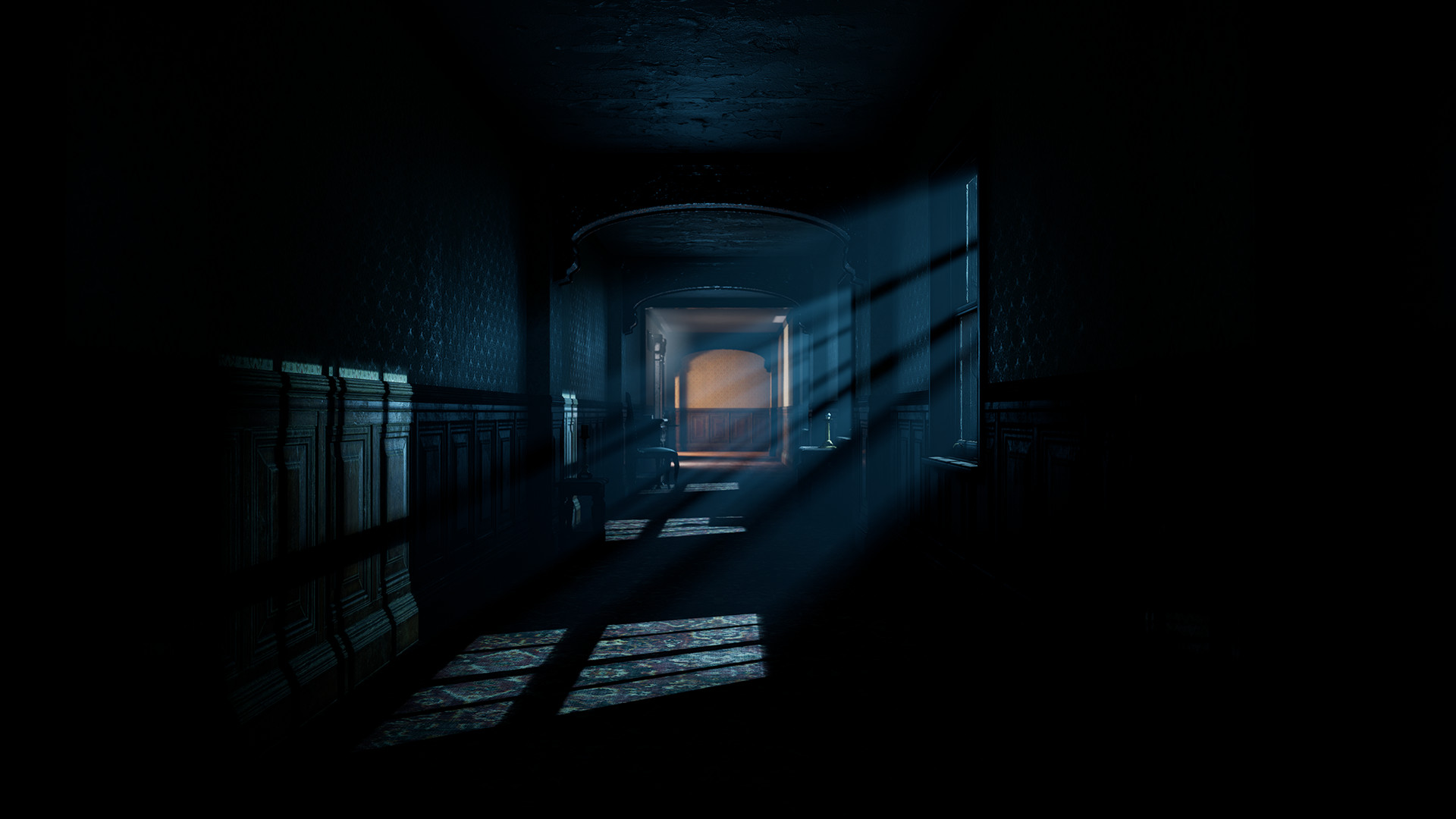
Each character has a simple inventory of tools, including equipment linked to their job. Erin’s directional microphone can help her hear through walls; Mark carries a camera for recording evidence; Jamie has a multimeter for electrical work; Charlie’s business card can open some drawer latches; and Kate’s pencil can reveal writing pressed into a torn piece of paper. Their uses are contextual rather than a universal toolbox: an item may help with a particular clue, obstacle or decision when the relevant character is present. Tools can also be changed, lost, broken or handed to someone else, and the game connects some of these choices to the branching narrative. Checking what a person carries therefore matters as the crew divides and faces different spaces.
The hotel’s puzzles ask players to pay attention to the environment as well as the inventory. The crew may need to locate a code hidden in the surroundings, trace and untangle the wiring in an old fuse box, or work out a route through a maze. Other obstacles involve repositioning objects or using a character’s tool to inspect something inaccessible. The new exploration systems sit beside the series’ familiar decision scenes and quick-time events, where a short timed input can determine whether someone gets through an immediate danger. Choices sometimes arrive with little time to weigh competing risks, and a failed action can remove a character from the remaining story. Puzzles, movement and timed choices thus feed into the same survival narrative rather than a separate combat progression system.
The crew’s interactions are part of the branching structure. Kate’s recent separation from Mark, Jamie’s feelings for Erin and Charlie’s authority as the company’s owner create tensions that surface during decisions about cooperation and sacrifice. A response can affect how characters relate to one another, while high-pressure encounters can decide whether a person remains with the group. Passing a locked door or crossing a gap can depend on which crew member takes the risk and whether another person will help them through. Since playable characters can die and the narrative continues with whoever remains, different decisions can change later scenes, available character interactions and the group’s shape.
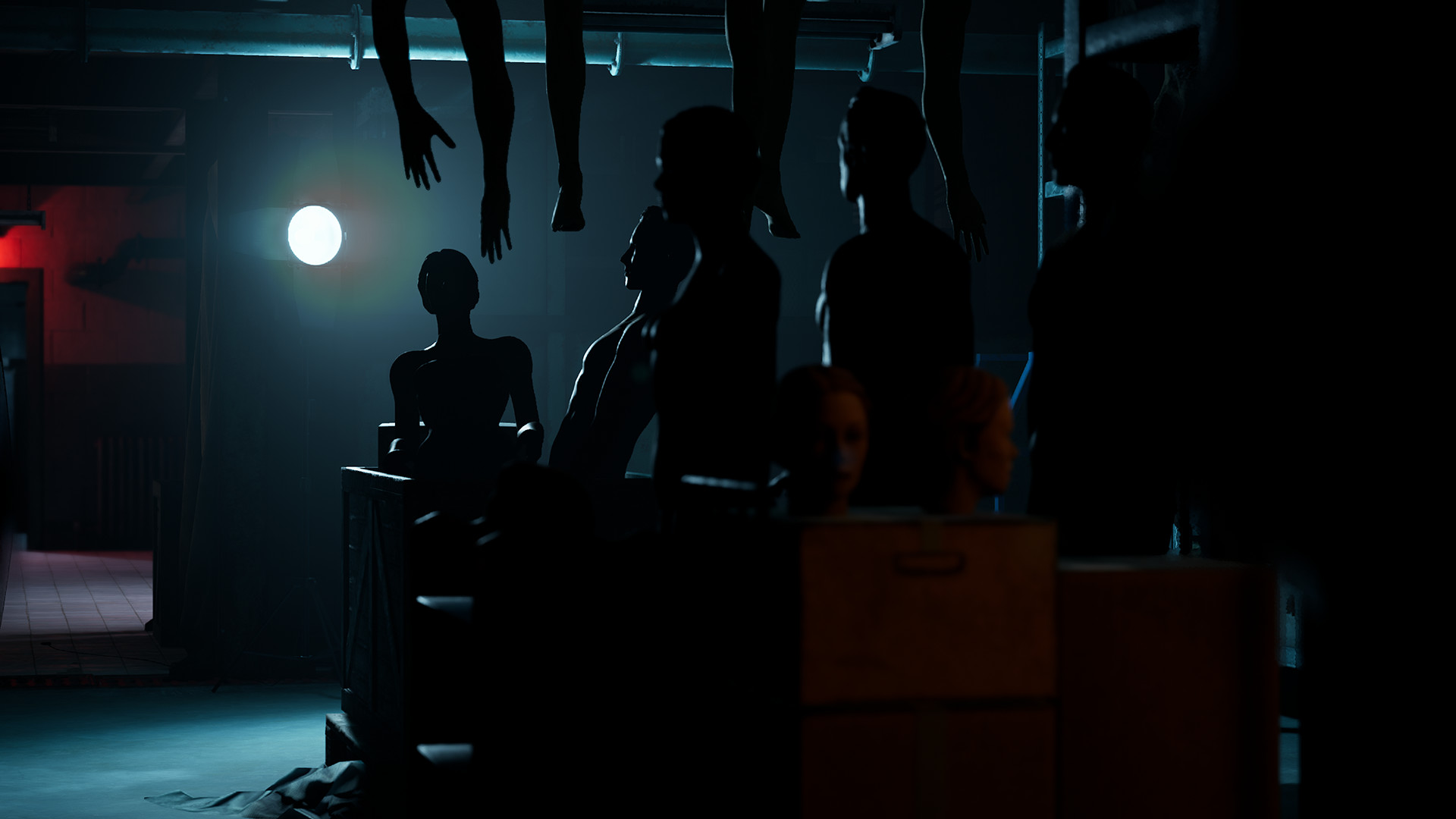
The Devil in Me can be played alone, online with another player in Shared Story, or locally in the five-player Movie Night mode, where players pass the controller and take responsibility for characters. These options carry the same story and survival decisions into different social arrangements. A later Curator’s Cut adds scenes from alternate character perspectives and new choices, giving a completed main-story playthrough another way to approach the narrative. As the fourth game in the anthology and the Season One finale, The Devil in Me still tells its own story and introduces a new cast; it does not require knowledge of House of Ashes or the earlier standalone games. Its distinctive focus is the hotel’s exploration, character inventories and traversal, layered over branching choices and timed survival scenes.
- Developer
- Supermassive Games
- Genre
- Adventure; cinematic branching horror