
About The Dark Pictures Anthology: Man of Medan
Five friends head out for a recreational dive in the South Pacific, but a storm and a violent encounter lead them to the abandoned SS Ourang Medan. The Dark Pictures Anthology: Man of Medan is a branching horror adventure where exploration, dialogue, timed actions and decisions shape the group’s relationships and who survives.
The trip begins as a holiday rather than an expedition. Alex and his brother Brad join Alex’s girlfriend Julia and her brother Conrad aboard a boat captained by Fliss. A dive to a sunken aircraft is meant to be the group’s adventure, but a confrontation at sea sends them into the orbit of the SS Ourang Medan, an abandoned vessel with a disturbing reputation. The change from open water to a decaying ship gives the story its central pressure: the five friends are cut off from familiar surroundings and must decide whether to trust one another while trying to understand what has happened there.
The story also opens with a short maritime episode set decades before the dive trip. Two US servicemen return from shore leave to a military vessel and find themselves caught in a frightening encounter at sea. This earlier playable sequence introduces character control, dialogue decisions and QTEs before the modern group takes over, but it follows a different pair of people in a different crisis. The change in period gives the anthology story an older thread alongside the friends’ present-day expedition. The Curator frames the game as one entry in a collection of separate horror tales, speaking to the player around the central story.
The playable group is not a single hero with supporting companions. Alex, Brad, Julia, Conrad and Fliss each take turns at the centre of scenes, and their existing relationships shape how they interpret a crisis. Alex and Julia are a couple; Brad is Alex’s younger brother; Conrad’s confidence can clash with other people’s caution; and Fliss approaches the group as both captain and outsider. Dialogue choices let the player answer with different tones or remain silent. Those exchanges can change how characters regard each other, affect which lines or scenes follow, and influence the decisions available when the group is under pressure.
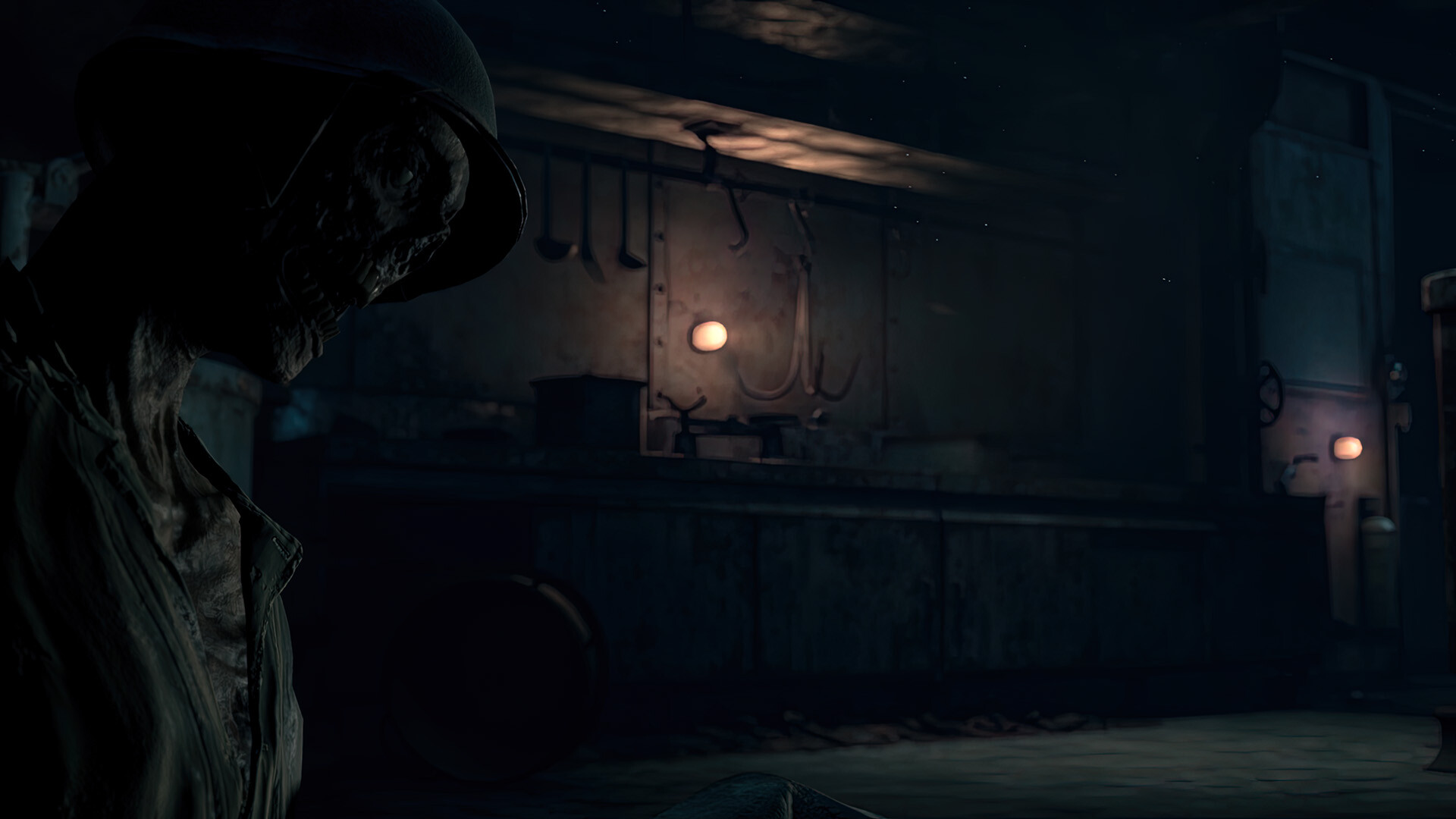
Exploration alternates with tightly directed cinematic scenes. In walkable sections, the player guides a character through rooms and passageways, examines objects, and finds clues that add context to the ship and the people connected to it. Some discoveries are framed as photographs that hint at possible futures; they offer a glimpse rather than a full explanation, and their meaning depends on later events. The ship itself is a shifting environment of narrow corridors, cabins and work spaces. Looking around before moving on can reveal another clue or detail, while advancing the story brings the characters into new encounters.
When danger interrupts exploration, quick-time events ask for a timed button press or another short response. A successful prompt can keep a character moving or defending themselves, while a mistake can change what happens next. Not every event is a simple test of reflexes: choices made earlier can determine who is present, what they know, and how a later scene unfolds. The upgraded PC edition adds difficulty settings, warnings before QTEs, revised interface and interaction cues, and faster walking, giving players more control over how demanding the action prompts feel.
The game tracks decisions across a branching structure rather than funneling every group through an identical sequence. A choice can alter a relationship, reveal or conceal information, change who reaches a later scene, or put a character at risk. The result is a story whose cast is not guaranteed to remain intact. The player is asked to weigh incomplete information against immediate danger, and a confident response is not automatically a safe one. Decisions and discoveries can also affect what the characters believe about the ship, so the group’s understanding develops through the same route that determines its survival.
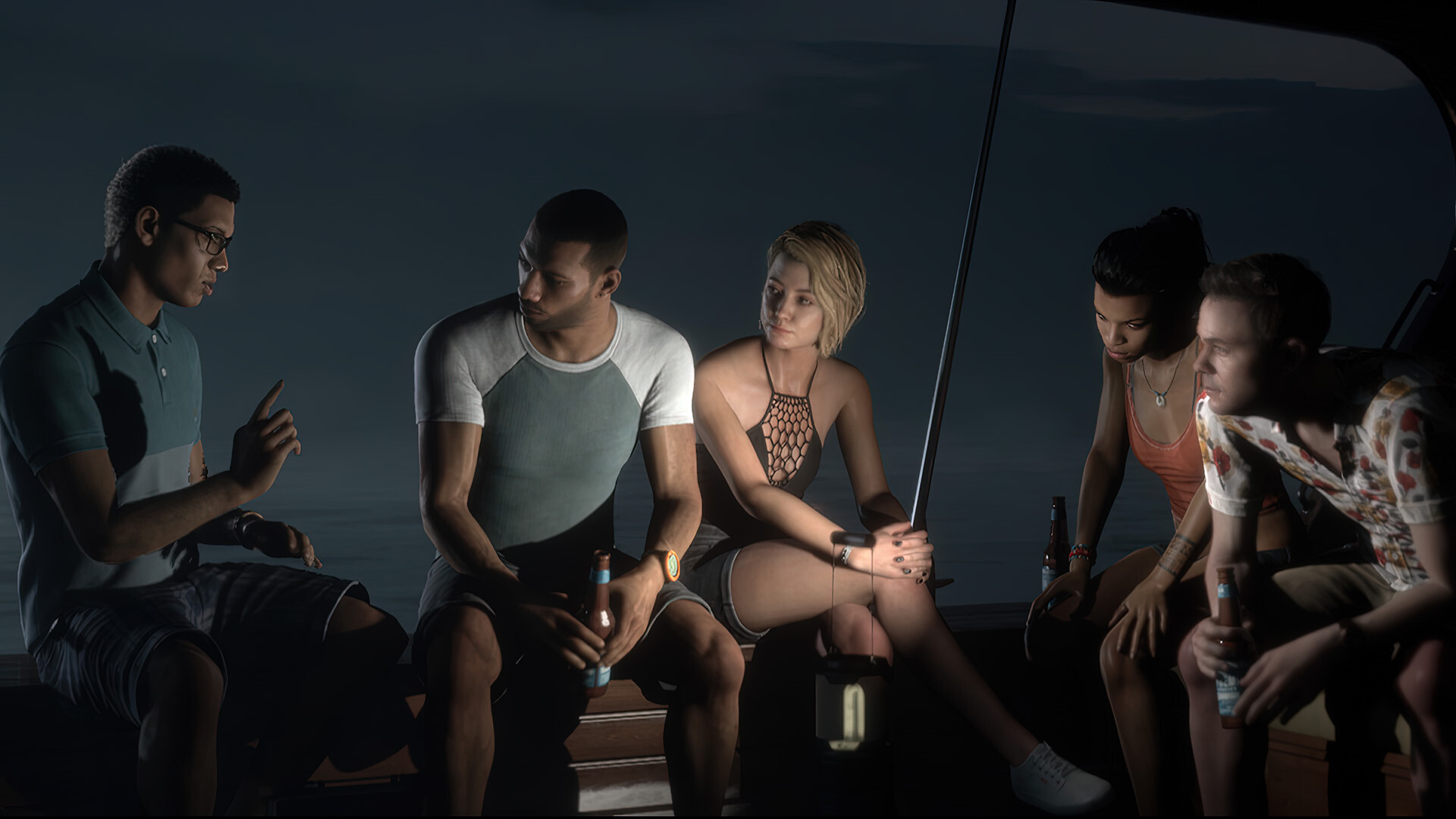
Man of Medan can be played alone or shared with other people in two different ways. Shared Story pairs two players online and gives each person control of characters in a connected version of the narrative; the players may experience different scenes, so their information can diverge. Movie Night is an offline pass-the-controller mode for up to five players, with characters assigned among the group. Both options make decisions a shared activity, while solo play keeps one player responsible for the whole cast. The game’s perspective shifts matter especially in co-op, where each person may have to describe details the other did not see.
After completing the main story, the Curator’s Cut adds another way to revisit it. This version presents extra scenes from other characters’ perspectives and includes decisions that were not available in the initial route, letting a replay disclose more of the same events without turning the game into a different anthology entry. Together, the single-player story, online Shared Story, offline Movie Night and Curator’s Cut put the focus on the same five-person crisis from different angles. The core activity remains moving through scenes, inspecting the environment, choosing how people respond and handling the prompts that arrive when a quiet investigation becomes a struggle to survive.
- Developer
- Supermassive Games
- Genre
- Adventure; cinematic branching horror