
About The Dark Pictures Anthology: Little Hope
After a bus crash leaves four college students and their professor stranded, an impenetrable fog cuts off the abandoned New England town of Little Hope. The group must navigate its streets and ruins while visions tied to the town’s seventeenth-century witch trials pursue them. Choices, exploration and timed responses shape the characters’ changing story.
Little Hope begins with a group forced off its intended route and into a town that will not let them leave. Four college students and their professor become stranded among empty streets and derelict buildings, with dense fog blocking the roads beyond the settlement. Night brings apparitions that pursue the group, and the town’s past presses into the present through visions connected to the seventeenth-century Andover Witch Trials. The story moves between the survivors’ immediate effort to escape and images of an older community gripped by accusations and fear. Its central question is how the group will respond when neither the landscape nor the figures appearing in it can be trusted.
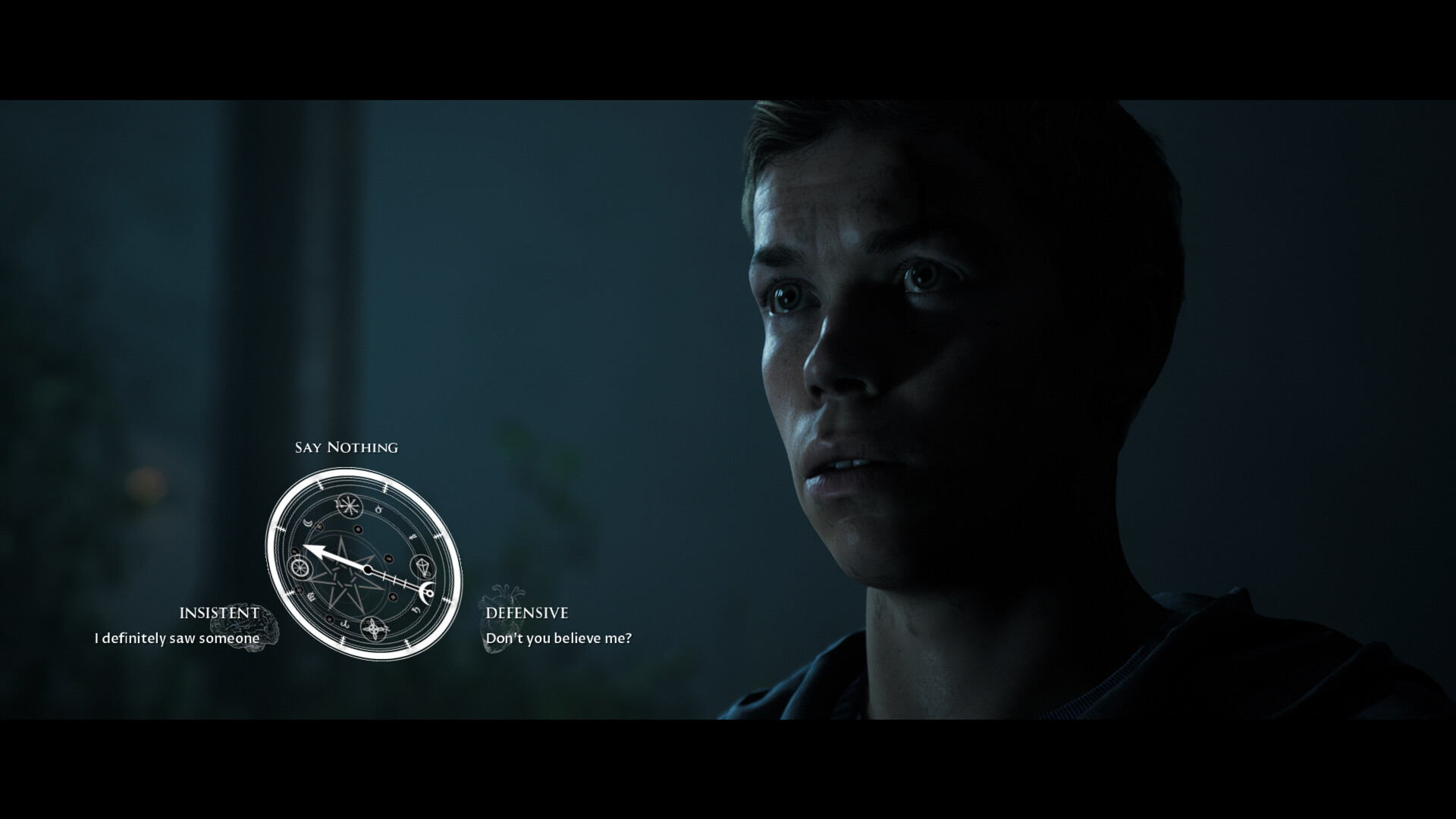
The five people at the centre are students Andrew, Angela, Taylor and Daniel, alongside their professor John. Each can become the focus of a playable scene, so the player’s attention moves across the group rather than staying with one protagonist. Angela is a more mature student than her classmates; Andrew begins shy, and Daniel seems particularly interested in impressing Taylor. John teaches creative writing, but his position as instructor does not remove the group’s disagreements or fears when they make decisions under pressure. Dialogue options establish how someone reacts: a character may answer bluntly, try to reassure a companion, or hold back. These exchanges can change relationships and the personality traits shown for each person, shaping later conversations and how the group handles a crisis.
Exploration gives the player room to look around between scenes of pursuit. Characters walk through Little Hope’s roads, rooms and public buildings, with the camera and movement allowing them to examine the immediate surroundings and interact with objects. A church, industrial spaces and the town’s abandoned buildings offer different traces of the lives that passed through them. Inspecting a found object can surface a written clue or another piece of context; optional collectibles add details without converting the journey into a conventional combat or inventory game. The fog also gives exploration a boundary: routes that appear open can bring the group back into danger or redirect it toward another part of town. A visually distinct continue prompt is separate from ordinary object interactions, allowing a player to finish searching before choosing to leave an area. That small pacing control matters when the next story beat is close at hand and the clues are scattered through a room.
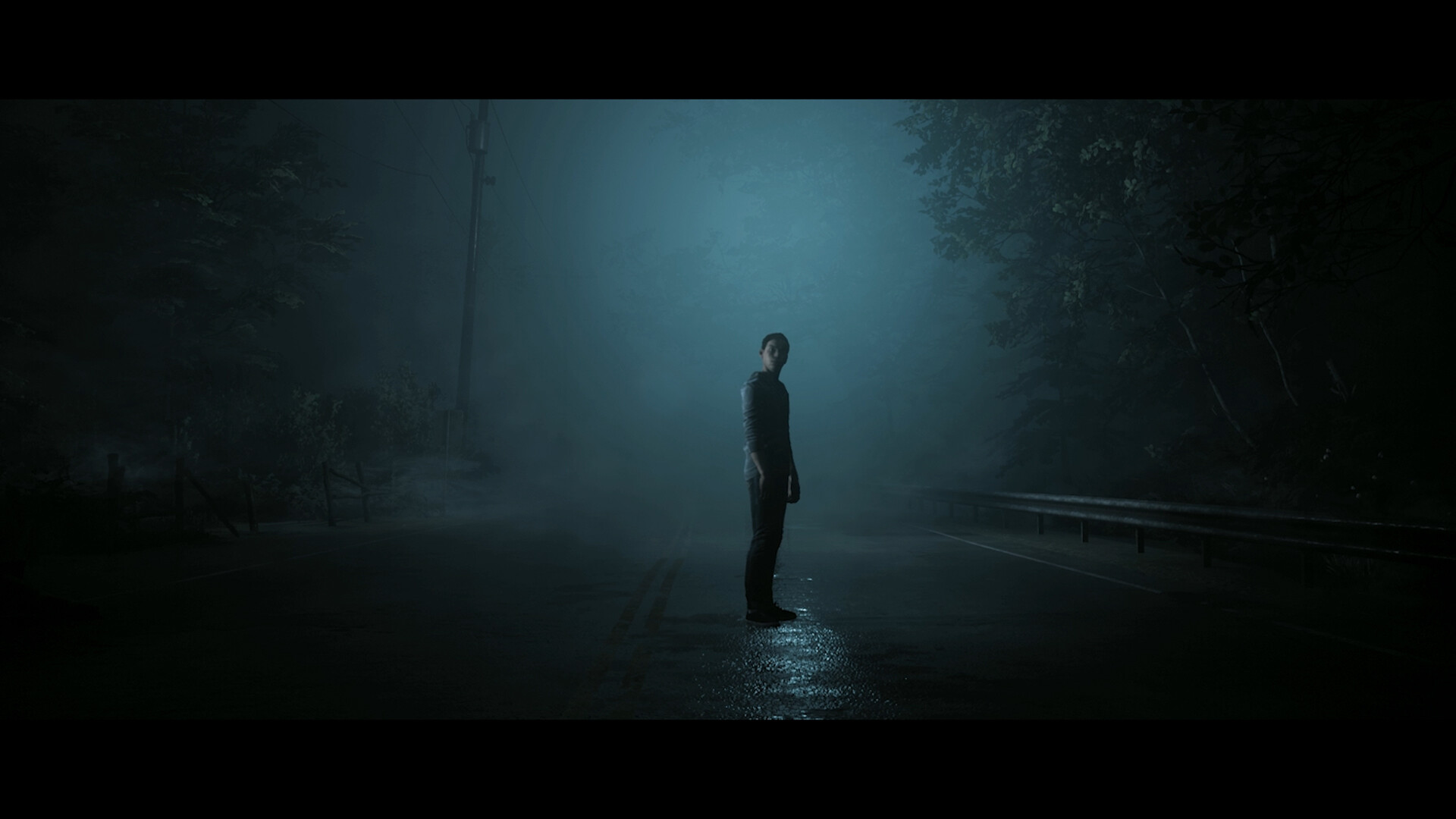
The historical visions give the town a second register. The story evokes the fear and public accusation associated with witch trials, while present-day characters encounter apparitions that echo that history. These scenes add pressure to ordinary decisions: what a character sees, believes, or tells the others can affect how a moment is understood. The narrative lets players assemble context from conversations, visual clues and the circumstances around each encounter, rather than presenting a complete explanation before the group has to act. The tension comes from holding those impressions alongside a practical task—finding the next route, staying together or deciding whether to intervene when someone is in danger.
Quick-time events take over when a character must react physically. On-screen warnings now appear before the timed input and indicate the type of action expected, such as jumping, attacking or shooting, giving the player a moment to prepare. Other tense sequences use a heartbeat-style prompt in which a button press must be timed to continue quietly. A failed response can alter a scene or place a character at greater risk, but earlier decisions also matter; a later situation may depend on who is present and how the group reached it. The PC update adds difficulty settings, QTE warnings, improved interaction cues, faster walking and accessibility options such as subtitle sizing.
Little Hope’s branching story gives dialogue and action lasting context. Choices are reflected in relationships and in traits such as Fearful or Reckless. When a trait becomes locked in a character profile, it signals that a pattern of decisions has hardened; those traits can have consequences later, although the exact stakes are not laid out as a route-by-route checklist. The character menu lets the player review these traits alongside relationships, giving a running view of how the group is changing. A choice may affect which scene follows, what a character says, or whether somebody is positioned to help when the group splits up. Outcomes are not reduced to a simple good-or-bad dialogue score.
The game supports solo play, online Shared Story for two players and Movie Night for up to five players offline. In Shared Story, each person can control characters in separate but connected scenes, so they may witness different parts of an encounter and have to communicate what they know. Movie Night assigns characters among a group and passes the controller when a playable scene changes hands. Both modes place the same group decisions in a social setting, while single-player gives one person control of the whole cast. After the main story is complete, the Curator’s Cut adds scenes and decisions from alternate character perspectives, giving a later run another view of the same night without exposing the mystery here.
- Developer
- Supermassive Games
- Genre
- Adventure; cinematic branching horror