
About The Caligula Effect 2
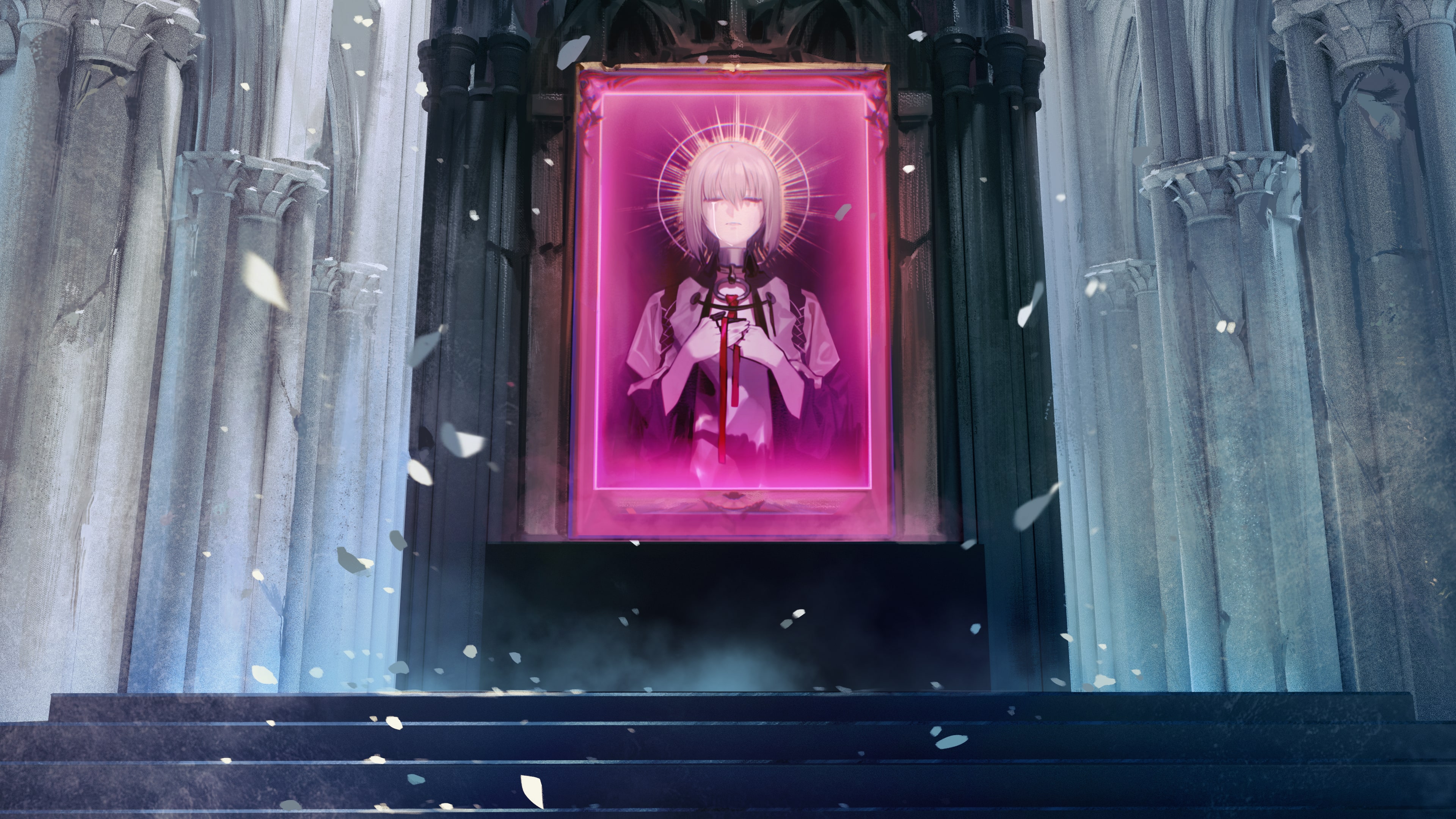
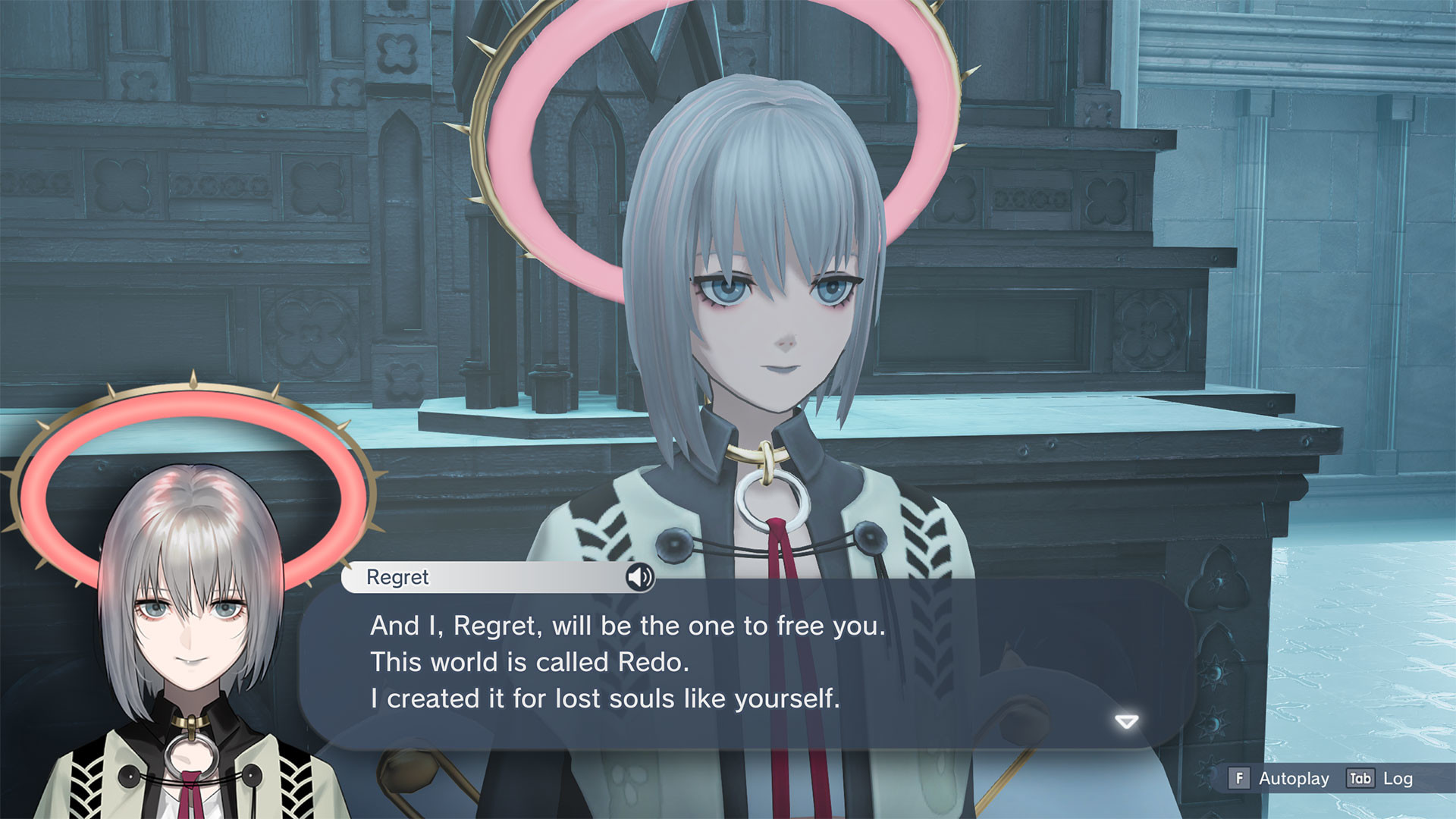
The Caligula Effect 2 is a role-playing game set in Redo, a virtual world shaped by people’s regrets and ruled by the virtuadoll Regret. After awakening to the truth, the protagonist joins χ and the Go-Home Club in a journey through Redo’s districts and dungeons, combining turn-based battles with the Imaginary Chain planning system.
Redo offers its residents an appealing second version of life: a virtual world created by the virtuadoll Regret from the wish to undo painful choices. Her songs draw people into this constructed reality, where they can live as versions of themselves who took different paths. The protagonist begins as a student in Redo, but gradually recognizes that the world is artificial. χ, another virtuadoll who opposes Regret’s project, becomes the protagonist’s ally; together they establish the Go-Home Club with people who have also become aware of the outside world. Their aim is to escape Redo and return to reality, even though the club members have reasons to fear what awaits there. The story uses this conflict to ask why someone might choose a comforting revision of the past over a difficult present. The game is a sequel in The Caligula Effect series, with its own protagonist, club and Redo crisis. Its central cast and setting introduce a new route into the series’ virtual-world premise rather than retelling the original game’s events. In the US, the game is listed for PS4 and is playable on PS5, while the PC edition is available on Steam.
The Go-Home Club is made up of students whose lives in Redo have been rewritten around past regrets. Their outward, “redone” identities are connected to what they wish had happened differently, while the circumstances they left behind are gradually explored through character scenarios. Those stories add personal stakes to the club’s escape plan: returning home means facing the experiences that made Redo attractive in the first place. The conflict also has an opposing cast. Regret’s Obbligato Musicians help maintain her world and stand in the club’s way, with figures including the dutiful android Machina, the reserved musician Pandora, the popular MU-kun and the secretive student musician #QP. Each is presented as part of Redo’s musical order, not simply as another student the club can recruit. The protagonist’s gender and name can be customized, and χ is a constant presence in the struggle against Regret. The main narrative moves by chapters through the conflict with the musicians, while character scenarios add focused context about the club’s members. The gap between each member’s desired Redo identity and the person waiting in reality gives those character episodes their tension: leaving the simulation may mean giving up a life that finally feels bearable.
Exploration moves between the school-and-city life of Redo and larger areas that function as chapter dungeons. The club travels through connected rooms and passages, encounters enemies, and advances by clearing events or activating mechanisms that open the way forward. The objective in a chapter area is to continue toward the musician opposing the club, while the route also contains optional encounters and objects. Residents appear within these spaces, and some can become hostile Digiheads; defeating them returns them to normal. Crystals and other pickups found in the areas supply items, money or Stigmas, tying exploration to the equipment and character-growth systems. This gives a dungeon visit several jobs at once: it advances the current chapter, offers battles for party development, and can provide resources for later customization. The environment’s route is therefore more than a corridor between story scenes, even though progression remains chapter-based rather than an open-world expedition. The school setting and Redo’s city provide the everyday surface of the simulation, while the dungeons and their mechanisms expose the spaces the club must cross to reach its opponents. The areas have connected rooms and multiple levels, and their paths are punctuated by events and interactive mechanisms.
Combat is turn-based, but its defining planning tool is the Imaginary Chain. After choosing an action, the player can preview how it is expected to resolve, then coordinate the party’s moves around that forecast. The sequence gives the player a chance to see whether attacks will connect as intended and to adjust their timing before committing to the turn. Characters use their own Catharsis Effects, and arranging these techniques into a chain makes the order and interaction of actions central to a fight. The result is a tactical rhythm built around prediction: choose what each ally will do, inspect the projected outcome, and revise the plan to improve the combination or cover a vulnerable situation. This also helps distinguish the system from a turn-based menu where commands resolve without showing their likely effect. A manual option lets the player select actions for the party each turn; an automatic option delegates other members’ actions while the player chooses for the protagonist. Battles also build toward χ-Jack, a temporary power that changes the party’s battle conditions through χ’s song, making the selected track and the moment it becomes available part of combat planning.
Progression connects battles, equipment and relationships. Stigmas are the club members’ equipment and are grouped by their emphasis: attack, defense or amplification effects. In addition to stat changes and other benefits, they can teach passive skills. Those skills are learned by gathering stars through combat until the required amount is reached, after which a character can equip the ability. Each character can equip up to six passives at a time, so a learned ability competes for a slot with other effects when assembling a build for a coming dungeon or boss. This creates a choice between changing a character’s Stigma setup and shaping the set of learned effects they bring into a fight. Outside battle, Causality Link presents connections among Redo’s residents and leads to requests from people around the city. Talking to residents can raise affinity and open quests that involve finding or speaking with others; some dialogue challenges can be influenced by the passive abilities the party has equipped. The Go-Home Club members also gain affinity through their participation in the battle party, and their character scenarios progress through conversations and responses. WIRE, the group’s chat feature, lets the player read messages and ask allies questions; additional questions can come from quests or stronger affinity. Together, these systems make optional conversations useful for learning about Redo’s inhabitants and the club, while tying social activity to quests, skills and party development rather than treating it as a separate calendar simulation.
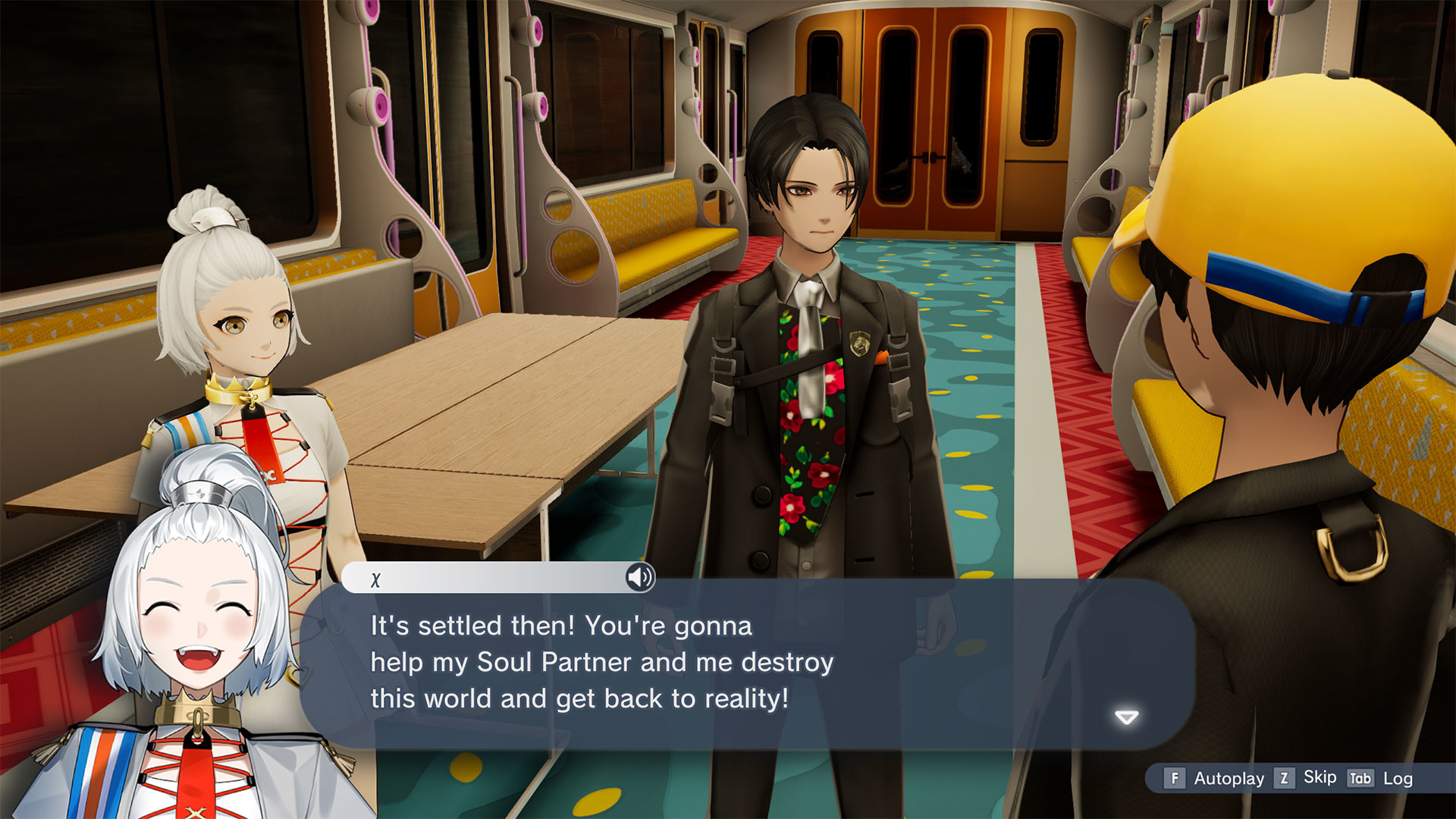
The χ Express is the club’s train-based base between chapters. It brings the members together and serves as a practical hub: the player can speak with χ to buy and sell items or Stigmas, revisit previously explored locations, and access character events. Choosing to head home from the train closes out the chapter and moves the story toward its next segment, giving this place a clear role in the game’s structure as well as its fiction. A jukebox on board lets players select vocal tracks as background music until they change locations. Music also has a combat function. Regret’s songs are associated with the areas shaped by her musicians, while χ-Jack brings χ’s performance into a battle and grants the club temporary effects; the song selected changes the benefit, and developing χ’s abilities can improve the technique. Some crystals and Causality Link missions yield Ki points that strengthen χ-Jack. These details make the train, songs and virtuadolls part of the same cycle: explore Redo, collect resources, return to the club’s mobile base, and prepare for the next chapter. In the US PC edition, English interface and subtitles accompany Japanese full audio; PS4 offers Japanese voice with English screen text.
- Developer
- historia Inc. and FURYU Corporation
- Genre
- Role-playing game; turn-based battles