
About The Bureau: XCOM Declassified
In 1962, Bureau special agent William Carter leads a covert response to an alien incursion that threatens the United States. Fight from cover in a third-person shooter, slow the action to direct two squadmates, and develop agents with class abilities as The Bureau investigates attacks and tries to keep the public unaware of the enemy.
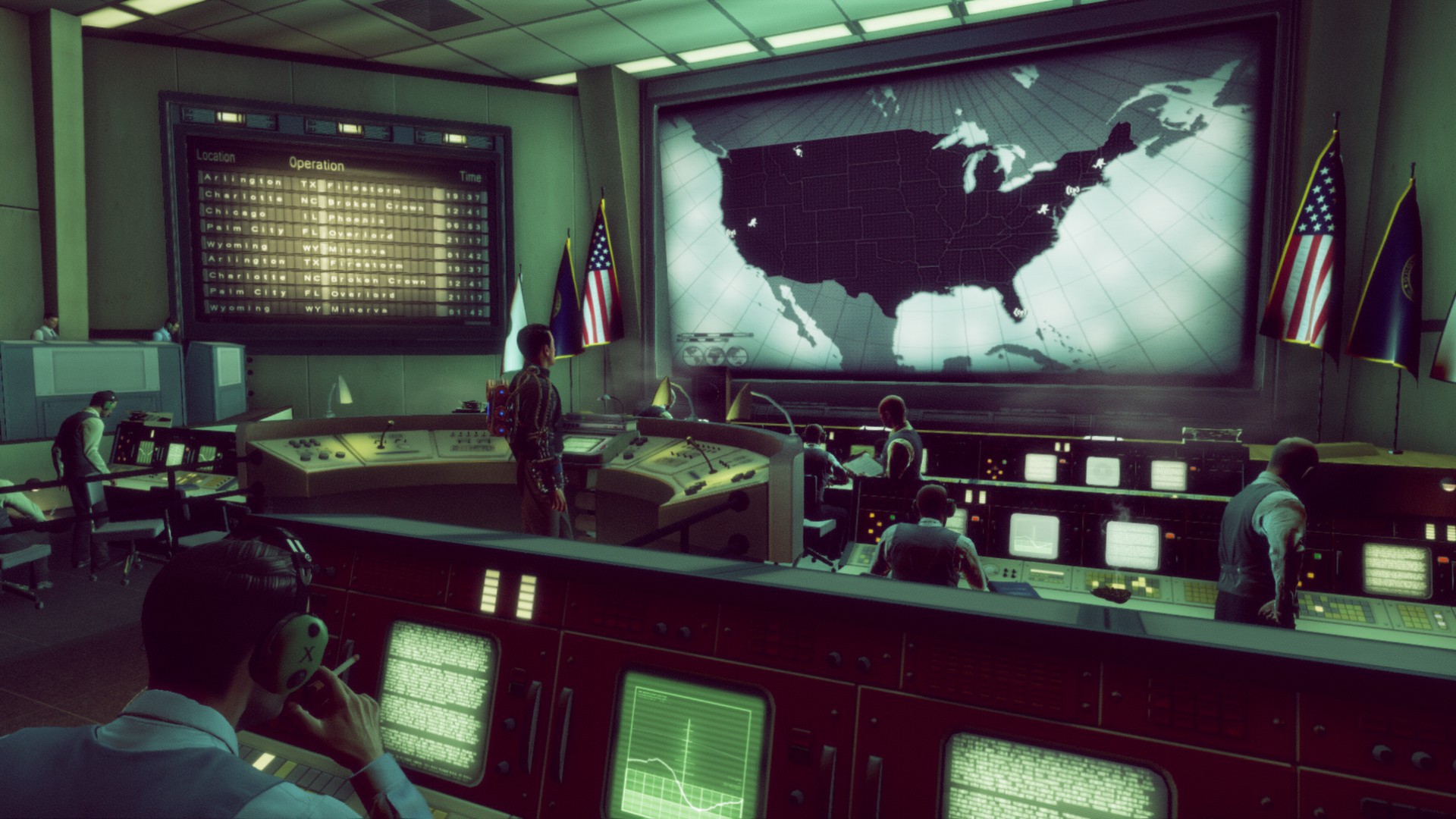
The Bureau: XCOM Declassified is set in an alternate 1962, when Cold War anxiety is overtaken by attacks from an extraterrestrial force known as the Outsiders. Special Agent William Carter works for a secret government unit originally formed to defend the United States against the Soviet Union. As the nature of the new threat becomes clear, the Bureau must redirect its purpose toward investigating the attacks and protecting the country. Carter is both the field operative and squad leader: he moves and fires directly, while two agents accompany him into missions. The story frames XCOM as a clandestine organization in its early days, before it becomes the better-known extraterrestrial defense force of the wider series.
Combat combines third-person shooting with orders issued through Battle Focus. Carter can move between cover, aim and fire, but entering Battle Focus slows the action so the player can direct the two squadmates. Orders include moving to a selected position, taking cover and using a class ability; the squad can be assigned to engage particular threats as well. Cover and positioning matter because a safer firing angle or a route around an enemy can change how a firefight develops. Elevated positions and flanking can improve attacks, while grenades and enemy explosives make a fixed defensive position vulnerable. Battle Focus therefore creates short planning windows inside otherwise real-time encounters rather than turning missions into a sequence of conventional turns.
Each agent belongs to a combat class with abilities that shape how the squad handles a fight. The classes offer different ways to disrupt or damage enemies. A mine can detonate when an opponent approaches, while a Pulse Wave can knock enemies away from their positions. Other abilities create openings, add battlefield control or help Carter and the squad deal with a concentrated threat. Ability cooldowns mean that a command used now may not be ready for the next wave, so the player weighs immediate danger against what may follow. Combining one agent’s crowd control with another’s attack can turn a dangerous group into a set of manageable targets. At headquarters, Carter can select from recruitable agents, so the roster provides a choice of who enters each operation.
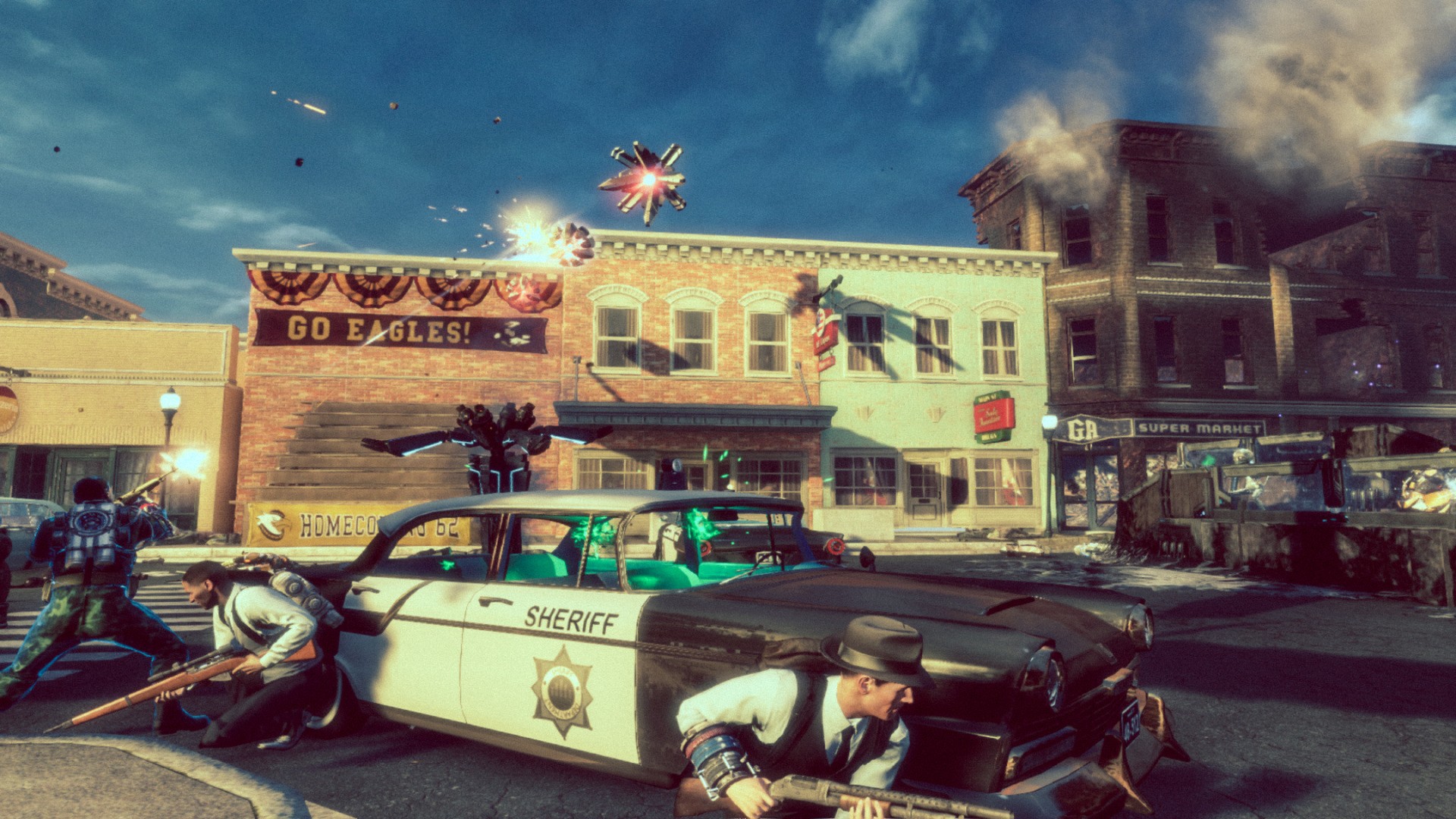
Mission firefights ask the player to alternate between direct weapon handling and squad direction. Carter can use conventional firearms and alien technology, while the agents’ skills supply options that guns alone do not: mines can punish an enemy that advances, a turret can establish another firing point, and a knockback ability can break a cluster or interrupt pressure. Battle Focus allows the player to select where an agent moves or where an ability is placed, then return to shooting as the plan unfolds. Enemies still act during this slowed state, so an order must respond to the battlefield rather than pause it completely. Staying alone and trading shots is risky; the squad’s positioning, weapon fire and abilities are intended to work together.
Progression carries agents from one operation to the next. Carter and his squadmates gain experience and ranks, unlocking further abilities and improving their options in combat. A player can decide which skills to develop, then bring those choices into later missions; the same class can support more than one tactical approach depending on its selected abilities. This growth gives the squad a continuing identity beyond the agents’ starting equipment. It also makes survival matter: a fallen agent has a short window in which Carter can revive them, and an agent who is not rescued is permanently lost from the roster. Replacing a developed operative with a new recruit changes the resources available to the squad, so recovery and command decisions have consequences beyond the current encounter.
The missions unfold across locations in 1960s America, from residential areas to college towns and government facilities. Familiar Cold War institutions sit beside the Bureau’s secret laboratories and the Outsiders’ advanced technology, creating a conflict in which an ordinary-looking setting may hide an alien attack or a classified response. Carter’s unit must also prevent the existence of the invasion from becoming public knowledge, making information control part of its purpose. The campaign follows the organization’s effort to identify and resist the new enemy while keeping panic at bay. Its central tension comes from fighting an unfamiliar war with a small field team, limited time to direct them, and a government apparatus that has not yet been built for the threat it faces. The campaign is structured around field operations rather than a continuously advancing world map: time does not pass between missions, and there is no requirement to manage the defenses or political status of multiple countries. That keeps the focus on Carter’s local decisions, the agents he brings into an operation, and the consequences of each firefight. A mission can be lost, but the campaign is not a global defense simulation where each failure ends the war.
- Developer
- 2K Marin
- Genre
- Third-person tactical shooter