
About The Bridge Curse Road to Salvation
Six Tunghu University students test a story about a female ghost haunting the campus bridge, then find that the night will not let them simply walk away. This Taiwanese first-person horror adventure shifts between their viewpoints as they search university buildings, solve item puzzles and hide from spirits while piecing together the curse.
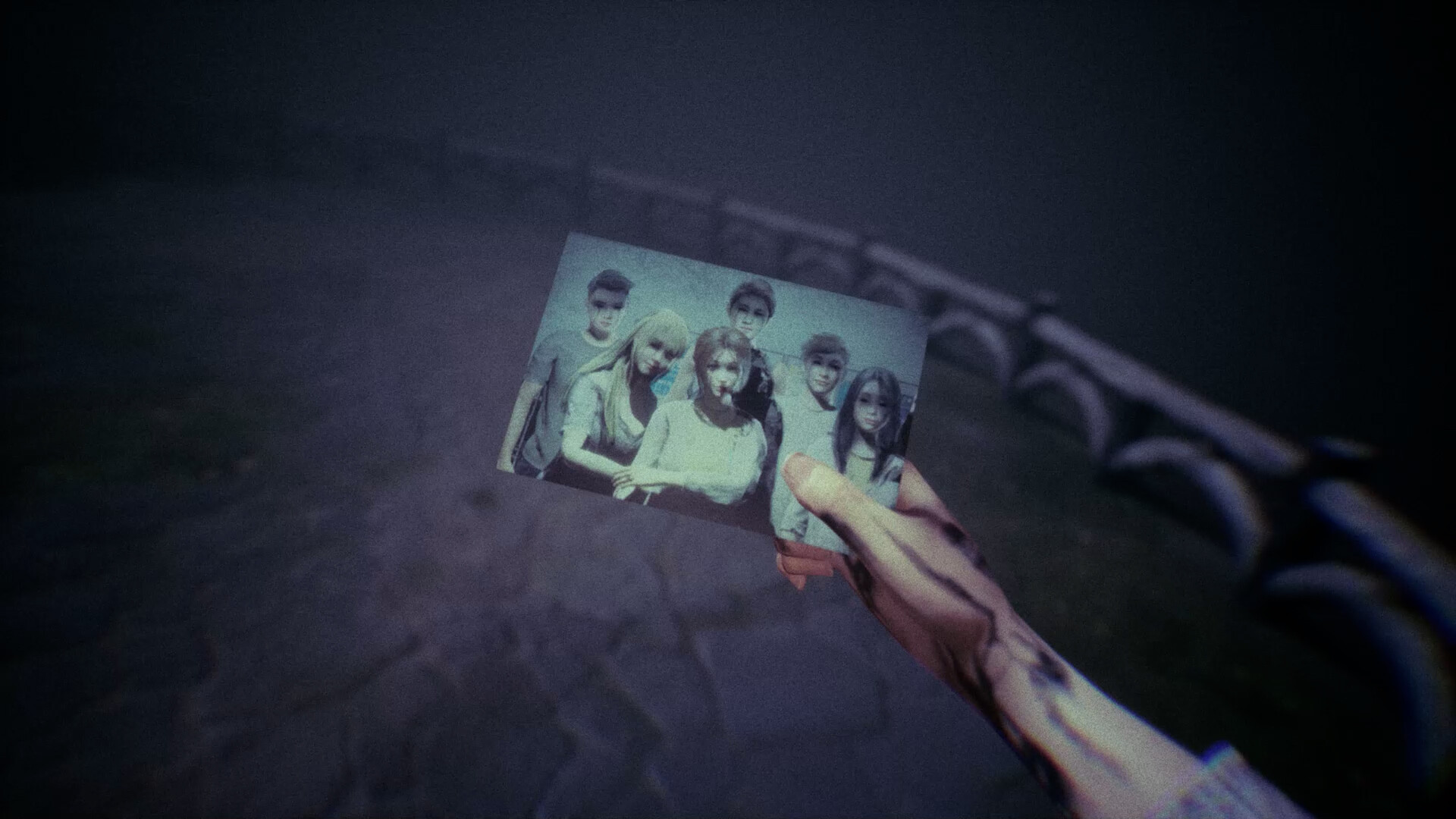
A bridge on the grounds of Tunghu University carries a story that students know well enough to dare one another to test it. Six college friends approach the legend as a challenge, but their attempt to confront the tale brings the haunting into the rest of the campus. The Bridge Curse: Road to Salvation begins with the gap between a student activity and the consequences that follow it. What could have been a short excursion after dark becomes a night spent asking what happened at the bridge, what the ghost wants and which of the group might make it out. The university is not a single backdrop for an isolated chase. Its dormitories, classrooms, security rooms and nearby outdoor spaces become parts of an investigation. Each area has its everyday purpose, yet the curse gives it a second meaning: a notice or personal possession may be a clue, and a familiar corridor can suddenly be occupied by something the students were willing to dismiss when the challenge began.
The story is told in first person through different members of the group. Moving to another student's viewpoint changes more than the voice speaking in a cutscene. It can put the player in a different area of the university with a different immediate problem, while information gathered in an earlier chapter continues to shape the larger mystery. Contemporary phones are part of how the students stay connected. Group-chat messages, objectives and records turn their devices into a running account of what is happening after the original challenge. That detail grounds the supernatural plot in the habits of university friends who expected to document an evening together. As the group is separated, a new message or a discovered note can alter the meaning of an earlier exchange. Their contrasting responses to fear also help the six-person premise work as a story rather than a line of interchangeable people waiting to be chased. The bridge legend links them, but the chapters let the player see how each deals with its aftermath. That division also means a discovery may remain unexplained when a chapter ends, inviting the player to reconsider it from another student viewpoint rather than receiving one complete account at once.
Searching is deliberate. A room can contain an item needed for a later task, a piece of background that explains the campus or a clue to an object puzzle. Inspecting an object closely may reveal how it fits with another item or why a detail on it matters. Some puzzles ask for gathered pieces to be placed or combined in an order, while others rely on reading a map or following information found elsewhere. This makes the campus an interconnected place rather than a succession of doors opened by arbitrary keys. The player's phone keeps a record of discoveries, and a chapter's objective supplies a sense of direction without turning every search into a single glowing marker. An exploration sequence may take in a cluttered dorm room, a classroom and a security office before the route becomes clear. The same spaces can also hold optional collectables associated with a particular chapter. Those items give a reason to pay attention beyond the minimum route, while chapter select offers a way to revisit missed material later.
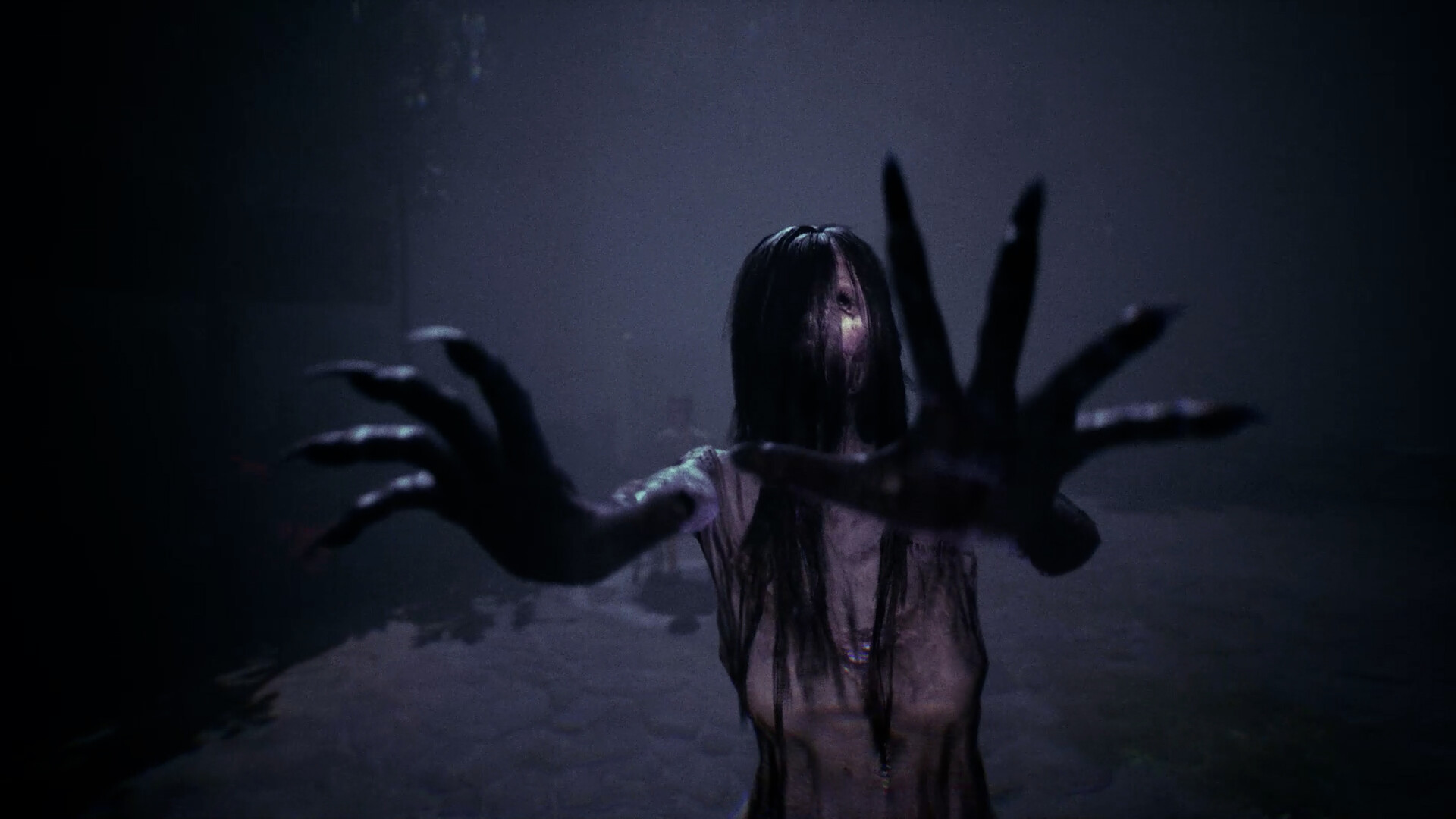
When the ghost is near, investigation gives way to stealth. There is no ordinary weapon with which a student can settle the encounter. The player watches lines of sight, listens, moves more quietly by crouching and chooses when to leave cover. A locker or another hiding place can provide a temporary refuge, but entering one under observation is no guarantee of safety. This changes the practical value of learning a building's layout. A route that is efficient while the corridor is empty may expose the student to an apparition during a chase, whereas an awkward detour may offer cover and time to think. Some set pieces ask the player to finish a task while danger draws close, making the environment itself part of the pressure. The game alternates those urgent moments with slower searching and conversation. Its challenge is not to increase attack power until the haunting can be defeated; it is to gather enough information and find an escape route while keeping the current student out of the ghost's reach.
The haunting does not operate only as a jump scare disconnected from the rest of the plot. The characters are trying to work out a curse that was supposedly present before their own ill-judged test, and the things they find around Tunghu help place that event in a longer story. This lets a mundane detail such as a dormitory object or phone message sit beside a supernatural threat. A record can explain why somebody chose to go to a particular place, but finding it may require entering the very building where the group fears the ghost will appear. The game is also adapted from The Bridge Curse film, though the interactive version follows its own sequence of searches, puzzles and playable viewpoints. Knowledge of the film is not the prerequisite for understanding what the students are doing. Their immediate goals, changing messages and discoveries provide the route through the university's fictional incident. The About account can explain that shape without giving away how the group finally addresses the curse.
There is a strong sense of a modern Taiwanese campus in the presentation. The cursed bridge, the busy student social world that precedes the haunting, and the practical geography of university buildings give the horror an identity beyond dark rooms. The cinematic first-person view keeps the player close to the current student's perspective, so a classroom door is encountered as a possible shelter or danger rather than an icon on a distant map. The later console release advertises full English voiceovers, a platform-specific presentation detail that should not be assumed for every version of the original PC launch. The game also uses phones and contemporary communication without turning them into the supernatural weapon that defines some other camera-based horror games. Here, the phone is principally a record and connection to classmates. Survival still depends on reading the space, collecting evidence and judging when to hide. That distinction makes Road to Salvation its own variation on campus horror.
A newcomer should know which Bridge Curse entry this is. Road to Salvation is the original game about the Tunghu bridge challenge and six students. The later The Bridge Curse 2: The Extrication moves to a different university building and a different set of viewpoints; it is not the second half of this game's purchase. A digital art book may appear in bundles or as separately sold content, but it is not necessary to understand the central night. The structure of Road to Salvation remains focused on a single escalating incident: a staged test of a legend, an investigation spread across the campus, and several students trying to survive what they have disturbed. Its rewards are the gradual reconstruction of that incident and the way a place the characters know as a university becomes difficult to trust. Anyone entering for the first time can expect exploration, light item reasoning and stretches of careful evasion, all tied to the story of the bridge rather than a combat campaign.
- Developer
- SOFTSTAR ENTERTAINMENT
- Genre
- First-person supernatural stealth horror and puzzle adventure