
About The Bridge Curse 2: The Extrication
Wen Hua University's film club plans a Carnival of Horror inside the supposedly haunted Da Ren building. The camera-ready stunt gives way to a real night of pursuit, puzzles and buried campus history. Four viewpoints, including a reporter's, carry this first-person sequel through rooms where sound, hiding places and occasional sacred objects matter.
The film club at Wen Hua University believes the Da Ren building has a story powerful enough to draw an audience. It stages a Carnival of Horror there, hoping to turn decades of campus rumours into a filmed event and attract new members. In The Bridge Curse 2: The Extrication, the decision to enter that building takes the group beyond performance. The students begin recording in a place whose ghost stories may have a source, and the boundary between a planned scare and an immediate threat becomes impossible to maintain. Da Ren is the centre of the journey: corridors, rooms and hidden routes steadily reveal a history larger than the club's stunt. The game also gives a viewpoint to Sue Lian, a reporter looking for her own story about Wen Hua. Her reason for entering differs from the students' desire to film, so the central mystery can be approached as both a personal survival problem and an investigation into why the building has acquired its reputation.
Four playable perspectives carry the story through Wen Hua. Moving among them provides information that one frightened student could not reasonably possess alone, and the different starting positions change which part of Da Ren the player must learn first. A room seen as a film location may later become a place to search for evidence; a corridor that seemed merely unfamiliar may connect several separate characters' paths. The structure also keeps the larger conspiracy from being delivered in one explanatory speech. Documents, objects and conversations gradually bring the university's past into the present, while each viewpoint has a reason to ask only some of the questions. The sequel stands apart from the original Road to Salvation, which centres on six students and a bridge legend at Tunghu University. Wen Hua and Da Ren provide a new focal point, and the central plot can be followed on its own even if small references reward someone who knows the earlier game.
Exploration takes place in first person, close to the shelves, doors and corners that can conceal both clues and pursuers. A school map helps the player understand how routes through the building connect. Key items and readable documents turn rooms into more than places to hide: something found during one chapter may explain a recurring symbol, suggest how to use an object or point toward a part of Da Ren the club did not intend to visit. Interactive objects often require further examination before their purpose is clear. The game also includes collectables that sit outside the shortest story path, making careful search useful when there is enough room to do it safely. That need for attention is balanced against the building's hostility. The player cannot treat every display as a harmless museum exhibit while a ghost roams the nearby hall. A clue has to be read in time, remembered and sometimes brought back to another part of the university before its meaning becomes actionable.
Puzzles vary the rhythm between searches and hunts. Some ask the player to derive a combination from nearby evidence; others involve moving or aligning parts of a mechanism, recognising a pattern or working with the building itself. Their place in the story is more specific than an arbitrary locked door: the solution can reveal another layer of what the film club awakened or let a character pass through an area shaped by the old mystery. Not every supernatural encounter follows the ordinary rule of escaping a pursuer, either. Some set pieces impose their own condition or task that must be understood before the character can survive. That variation keeps the ghosts from becoming identical obstacles with different appearances. The player may have time to think through one object puzzle and then have to apply a much quicker kind of observation when the building changes its rules. A useful overview can describe those systems without giving away codes, routes or the resolution of a particular haunting. The film club has entered Da Ren to turn an old mystery into a spectacle, yet solving these smaller problems requires the opposite of spectacle: close attention to inscriptions, arrangements and the practical use of found objects. A puzzle therefore does two jobs. It slows the character long enough for a room to become more than a passageway, and it makes the next discovered fact feel earned through interaction with the building. That is especially significant when another viewpoint later casts the same clue in a different light.
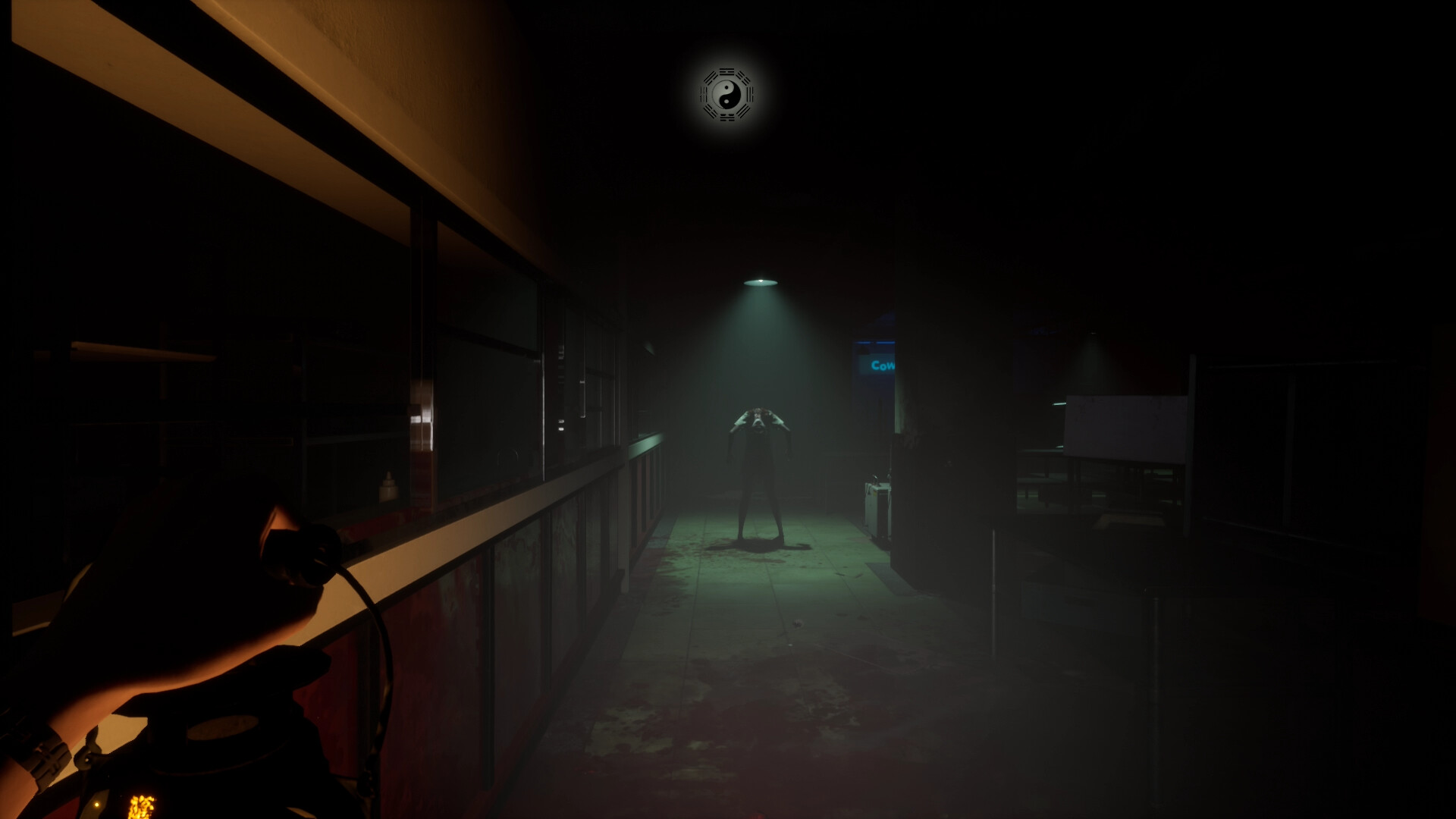
Stealth remains central when an apparition gives chase. Movement can make noise, so running toward an apparent exit is not always safer than crouching and judging where the pursuer is headed. Hiding buys time when a ghost has lost sight of the character, but a refuge is not a permanent answer to the puzzle of leaving the room. The game gives some characters access to an Anima Lantern, a sacred object that can reveal concealed details, push back darkness and provide a limited defensive opening. It is neither standard equipment for every viewpoint nor a substitute for learning an escape route. Its charge and availability make it a resource to use with purpose. A lit clue can illuminate the plot as well as a pathway, while the same light may be valuable when a pursuer comes too close. This gives the sequel a tool distinct from the phones and evasion that shape much of the first game's experience, without converting Da Ren into an action battleground.
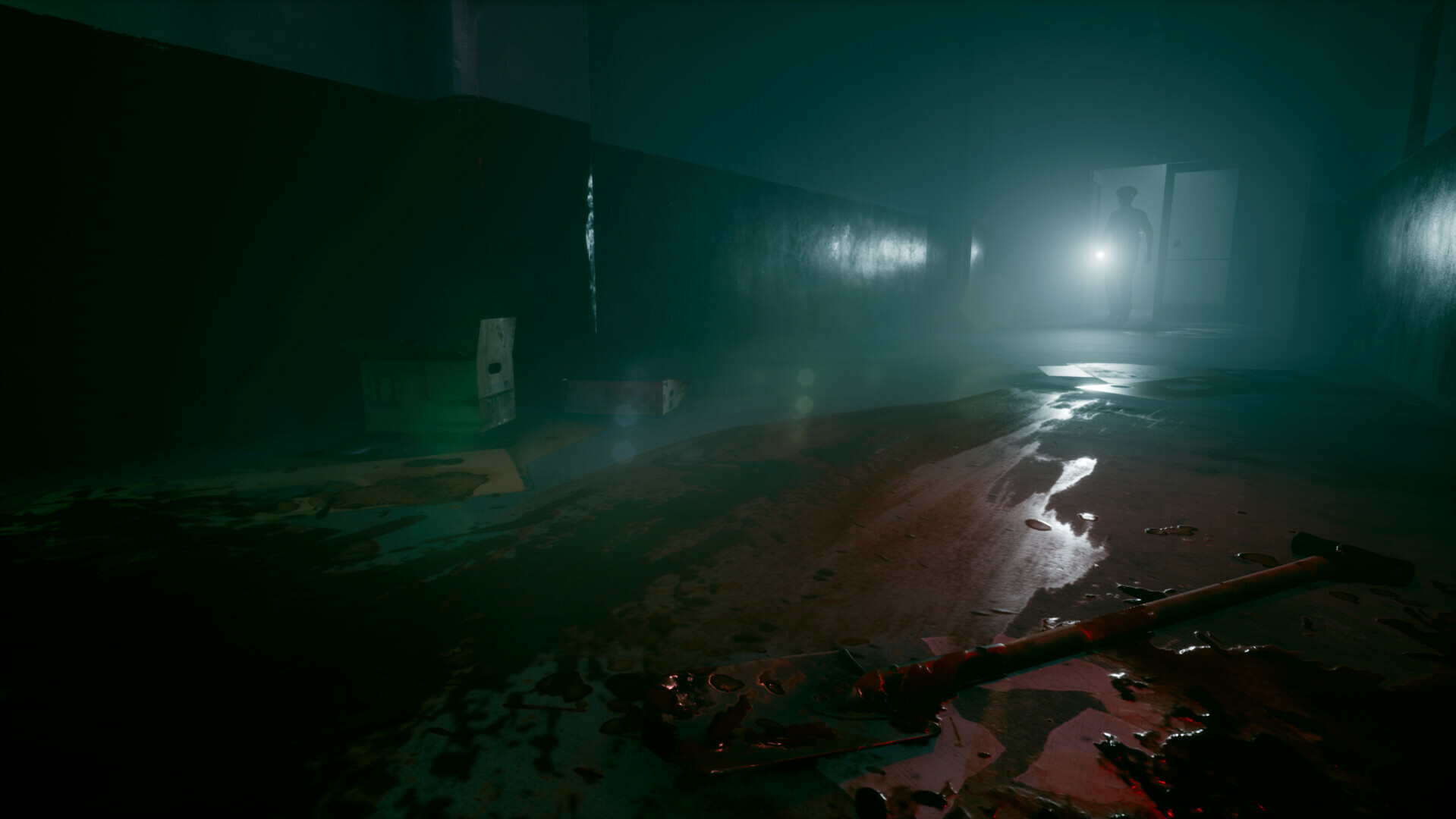
The building's cast of threats has distinct identities. The publisher names the Mad Ballerina and the strange Sergeant Huang among those encountered while navigating Wen Hua. Their presence suggests that the campus stories are not interchangeable whispers attached to a single generic ghost. The film-club premise also gives the presentation an uneasy self-awareness: characters arrive expecting to manufacture fear on camera, only to find that filming cannot control what the camera captures. Winding corridors, rooms that need to be revisited and events that briefly seize attention help the player feel the distance between a planned attraction and a dangerous building. Dialogue and cinematic scenes interrupt exploration when the plot requires another perspective or a connection between discoveries. The result is a horror adventure rooted in a particular university location and a particular attempt to exploit its legend, rather than a sequence of unrelated haunted-house vignettes.
The Extrication originally arrived on PC in 2024 and later on consoles. The core game is separate from the digital art book and soundtrack listed beside it, and its position as the second Bridge Curse title should not cause a newcomer to confuse its setting with Tunghu's bridge. It is useful to approach this one as a search for what Da Ren hides: the four viewpoints, map, notes and item puzzles help build that answer, while the ghosts repeatedly force a decision about when to keep looking and when to escape. Its narrative is interested in how a group presents a haunting for an audience, and what happens when the past refuses to remain an entertaining story. The player learns by tracing the building, noticing the differences between the characters' accounts and using the tools available in each chapter. The experience asks for patience during investigation and quick judgment during pursuit, with both skills tied to the same haunted place.
- Developer
- SOFTSTAR ENTERTAINMENT
- Genre
- First-person supernatural survival horror and puzzle adventure