
About The Beast Inside
Set in 1979, The Beast Inside follows CIA cryptanalyst Adam and his wife Emma to a woodland home where he hopes to work on a Cold War code. A diary by former resident Nicolas Hyde links Adam’s story with events in the nineteenth century, drawing both men into a first-person horror adventure of clues, riddles, danger and combat.
The Beast Inside begins in Boston in 1979, where CIA cryptanalyst Adam leaves the city with his wife, Emma, for a house in the countryside. He wants a quieter place to work on a military code whose solution could affect the Cold War. The woodland property looks remote enough to offer that privacy, but the couple soon discover that its isolation conceals a history of violence and secrets. In the attic, Adam finds a diary associated with Nicolas Hyde, a former resident who lived in the nineteenth century. Reading it opens a second narrative, and the game moves between Adam and Nicolas as their experiences begin to touch. Their stories belong to different periods, yet the same house and family legacy bind them together.
The game is a first-person, story-driven horror adventure in which exploration and investigation carry much of the progression. Adam and Nicolas are controlled as separate protagonists rather than as one character moving through a continuous timeline. Each has a period, setting and immediate problem of his own, and the player learns about those situations by moving through rooms, examining objects and following clues. The diary serves as a bridge between the two stories: its entries provide a perspective on the past while Adam’s present-day discoveries give those words a physical context. The structure lets a detail found in one era change how a place or event in the other is understood, while keeping the exact shape of the connection for the story to reveal.
Adam’s chapters connect his professional assignment to the danger unfolding around the house. He has come to the countryside to concentrate on cryptanalysis, work involving patterns and coded information, but the property refuses to remain a neutral workplace. Rooms, furnishings and documents supply details to investigate, and objects can become clues to what happened before Adam arrived. The surroundings were built using photogrammetry and scanned objects, so the domestic spaces and their contents are central to how the setting is presented. Instead of receiving every piece of context in a single explanation, the player explores the estate and its grounds, gathers information and gradually assembles a picture of the Hyde lineage and its forgotten domain, Blackstone.
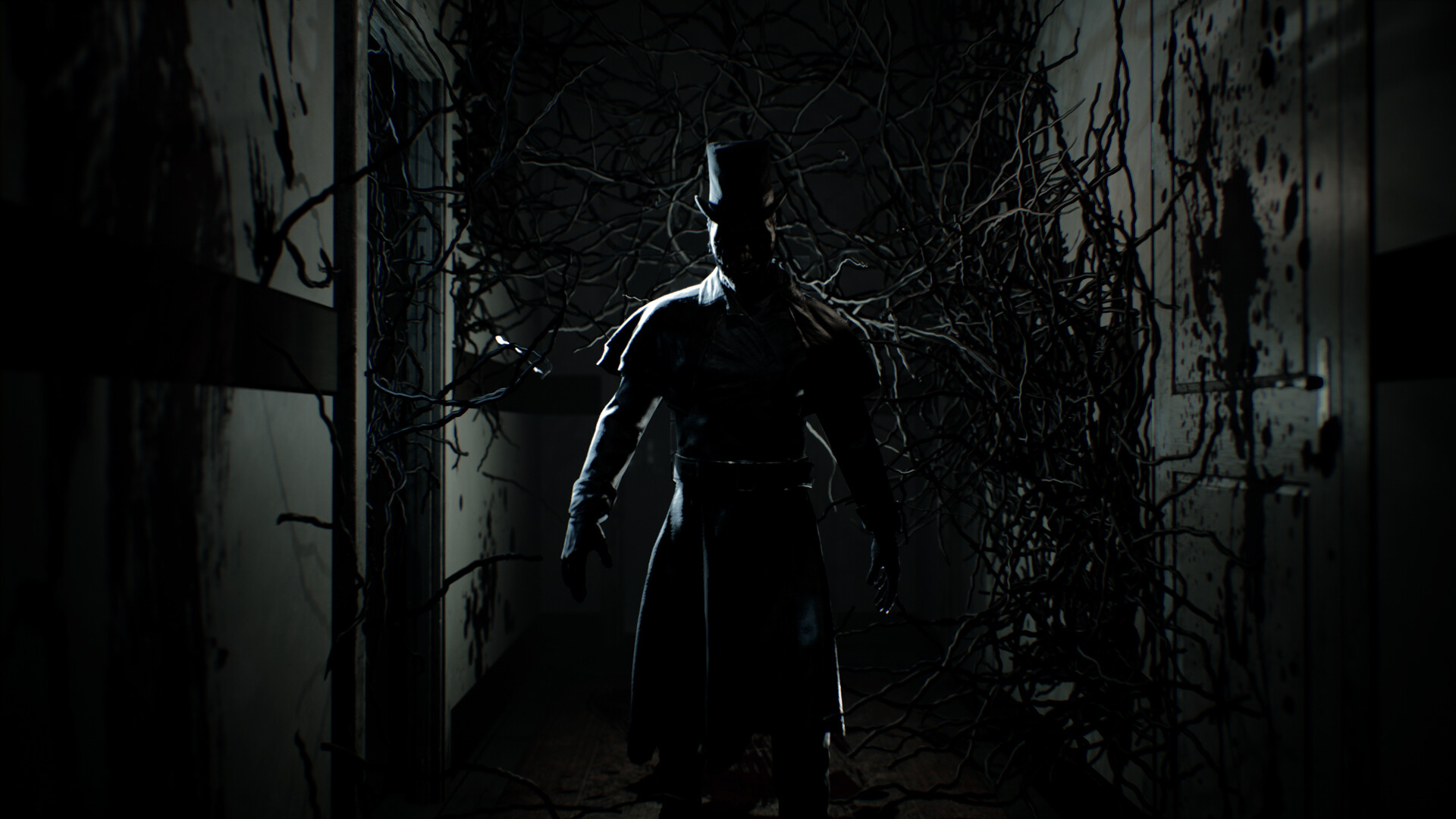
Nicolas’s sections move the narrative into the nineteenth century and place the player inside the history Adam encounters through the diary. The two men’s chapters have different immediate contexts, but each asks the player to interpret a dangerous environment and continue through it. Nicolas’s account is not simply a background document: he is a playable protagonist with his own sequence of events, and his choices and circumstances become part of the larger mystery. Moving between periods gives the story a parallel rhythm. A location, name or written clue can connect the timelines, while the gap between what Adam knows and what Nicolas experienced leaves room for uncertainty. The plot is built around discovering how these accounts overlap, without treating either period as a detached side story.
Progress alternates between searching, solving riddles and surviving threats. Exploration means checking rooms and surrounding spaces for clues, useful objects and paths onward. Puzzles ask the player to reason from what is present: a written detail or an object may help explain how to proceed, and some challenges depend on making sense of the history being uncovered. The game also uses moments of direct danger, so investigation does not remain an uninterrupted sequence of quiet rooms. Its horror sections can put the protagonist in immediate peril, changing the pace from careful observation to urgent response. This variation links the mystery to physical survival: the player learns what happened at Blackstone while navigating the consequences in each timeline.
Combat is part of that survival layer. The Steam description identifies a revolver as a weapon Adam can use to fight through dangerous situations; ammunition and the moment to act matter more than treating every encounter as a conventional action battle. Threats make movement through the house and its surroundings feel consequential, while the first-person view keeps the player close to what is immediately visible. Other sequences lean on avoiding danger, following a route or responding to a sudden threat. These changes in pace serve the story’s horror framing: the player can spend time reading a room and then be forced to act when the situation changes. The balance between exploration, riddles and combat gives the two time periods a shared survival-adventure structure.
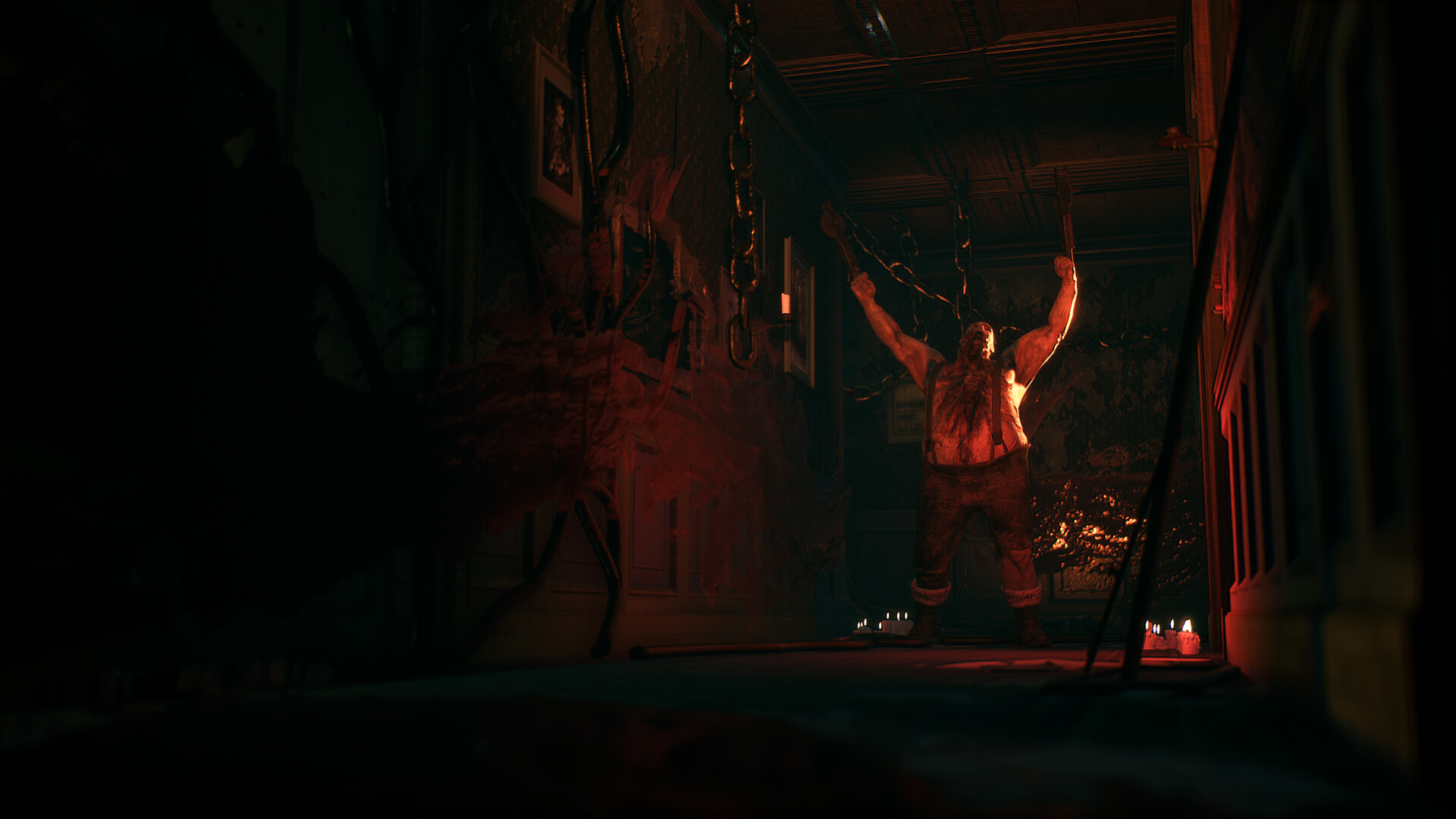
The mystery builds around personal tragedy, long-buried secrets and the relationship between the two protagonists’ histories. Adam’s work for the CIA provides a specific 1979 context, while Nicolas’s diary introduces a much older account rooted in the same place. Emma is central to the stakes of Adam’s move, and the danger surrounding the property reaches beyond his professional task. The story asks the player to decide how to interpret what the diary reveals and how much trust to place in competing accounts. Clues gathered during exploration make the house feel like evidence as well as a setting. As the two narratives approach one another, the player’s understanding changes with each new discovery, and the final outcome is shaped by decisions in the story.
- Developer
- Illusion Ray
- Genre
- First-person story-driven horror adventure with survival and puzzle elements