

About Tales of Zestiria
Tales of Zestiria follows Sorey, a young ruin explorer raised among invisible seraphim, as he becomes the Shepherd and travels through a continent troubled by war and Malevolence. Its broad field areas lead into real-time battles built around artes, elemental partners and armatization, while equipment skills and discoveries give the journey a second layer of planning.
Sorey grows up in Elysia, a secluded grove inhabited by seraphim, beings most people cannot see. His ability to perceive them makes his friendship with Mikleo entirely ordinary to him, even though it would be extraordinary elsewhere. The two spend their time reading old records and exploring ruins, fascinated by accounts of an age when humans and seraphim lived together. Their discovery of Alisha, an injured traveller from the human world, breaks that isolation. Alisha is a princess of Highland, but her political standing offers little protection against the unrest beyond Elysia. She is searching for the Shepherd, a figure from legend who can confront the Malevolence spreading across the land. Sorey’s decision to help her draws him into that role and out among people who neither see his companions nor understand the dangers those companions describe. The opening gives the journey a particular tension: his curiosity about the old world meets a present shaped by human conflict, invisible beings and creatures called hellions. The wider story follows what becoming the Shepherd asks of Sorey as much as it follows the immediate effort to stop the darkness.
The continent is more than a chain of battle arenas. Towns and settlements give Sorey places to meet people and hear the effects of the conflict between rival nations, while roads, open fields, ruins and dungeons lead toward the next part of the journey. Field areas are unusually broad for a Tales game, but the structure is still a directed role-playing adventure rather than an unrestricted open world. Exploration can turn up treasure, stat-raising herbs, optional dungeons and discoveries that prompt conversations between the party. Those skits matter because they let Mikleo, Alisha, Lailah and later companions respond to places and events in smaller moments between major scenes. The party’s different viewpoints also keep the human and seraphim sides of the setting in contact. An old ruin is interesting to Sorey and Mikleo as a record of a lost relationship; to someone caught in the current war, what the Shepherd can do now is more urgent. Map actions associated with the seraphim give exploration a practical side, so changing companions can affect how the group moves through or interacts with the environment. The result is a journey that asks players to look across a field for something worth investigating, then return to the larger route with a little more knowledge of the place and the people travelling through it.
Encounters move directly from the surrounding environment into real-time combat instead of cutting to a wholly separate battle screen. Four characters can participate at once, and the controlled fighter can move, attack, guard, step away from danger and issue commands to allies. Attacks are organised as artes: martial techniques form quick physical sequences, hidden artes add different attacks for human characters, and seraphic artes bring spells into the mix. Their timing, range and chaining give the player choices beyond simply pressing the same button until an enemy falls. The spirit-chain resource is spent by attacking and recovered through pauses or defensive actions, which makes guarding and sidestepping part of the offensive rhythm. Enemies also have elemental strengths and weaknesses. Reading their information and changing an attack or partner accordingly can matter more than repeating a familiar combo. Because the battle happens in the location where the encounter began, the surrounding space remains part of the fight. These connected systems make the ordinary encounter a small test of positioning, resource recovery, arte selection and the current party rather than a detached interruption of the walk between story scenes.
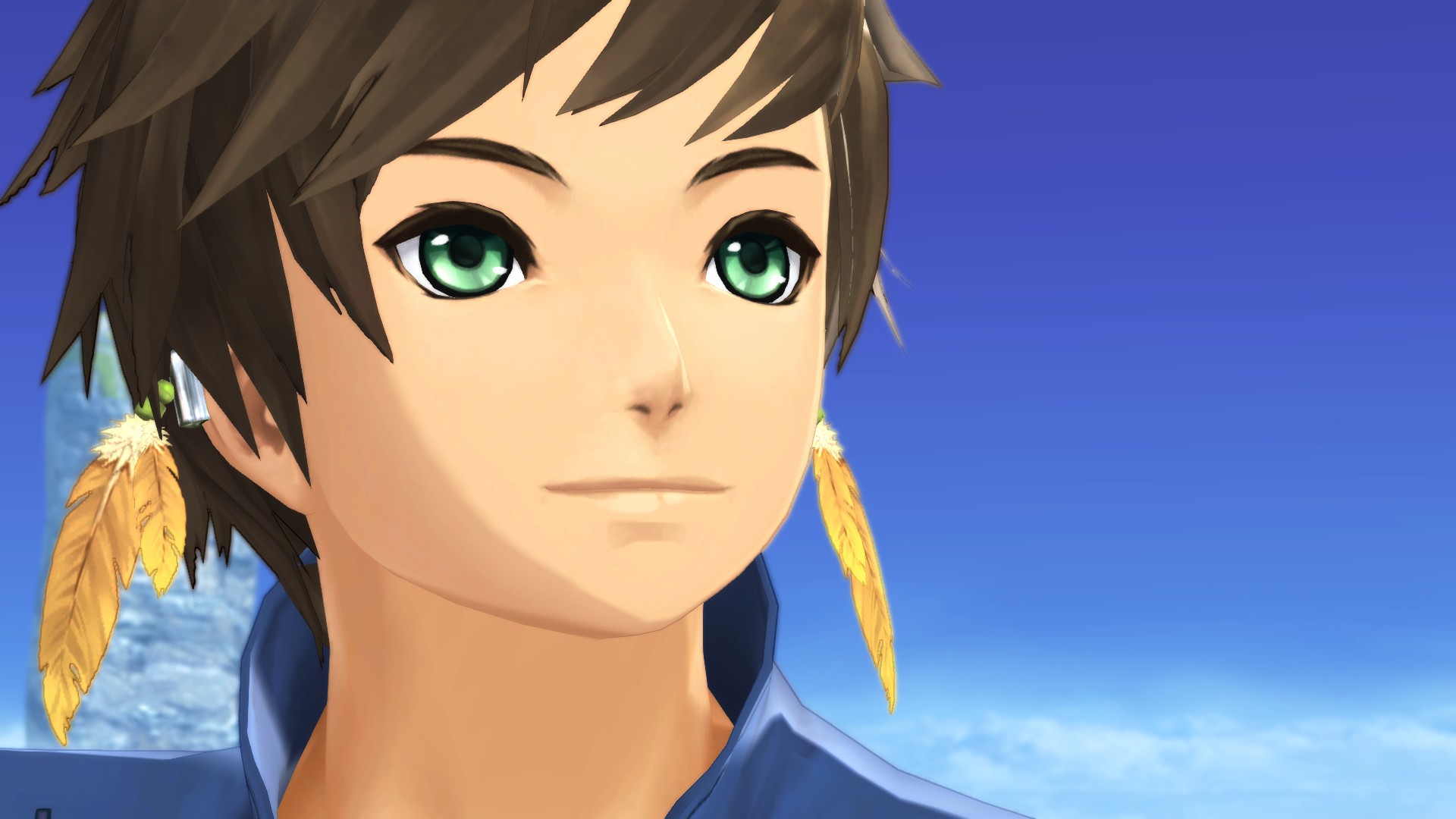
Armatization is the combat system’s most distinctive extension of the story’s bond between humans and seraphim. The Shepherd can fuse with a seraphic partner during a fight, changing the combined character’s form, attacks and elemental options. Lailah, Mikleo, Edna and the other seraphim therefore represent more than a reserve of extra party members: the current partner can determine what kind of fused response is available when an enemy resists the party’s usual approach. Fusion also changes the use of battle resources and recovery, so remaining armatized is a decision to weigh against fighting as separate characters. The party can switch seraphic partners during combat, making adaptation possible without treating the initial lineup as permanent for the entire encounter. A boss with a troublesome affinity, a crowd pressing in, or a moment when healing is needed can each make a different form useful. This is not a separate minigame layered over normal combat. It is an extension of the same arte, elemental and defensive systems, and it turns the relationship between the human and seraphic cast into a battle mechanic players can actively manage.
Progression is tied closely to equipment. Weapons and other gear alter statistics, but pieces can also carry skills that contribute to a character’s wider skill sheet. Combining the right skills can activate additional bonuses, so comparing two pieces of gear involves more than checking which has the larger attack number. Equipment of the same name can be fused, strengthening the item while passing along or changing its skill possibilities. That means a familiar weapon may remain useful as material for a later combination, and a newly found item may be valuable because of a particular skill rather than its immediate raw strength. Shops, treasure and enemy drops all feed this cycle. It can take some inspection to see how an individual item fits a character’s whole loadout, especially when changing one piece removes a combination elsewhere on the grid. Titles, support abilities and battle actions add further ways to shape the party between encounters, although they do not replace the central decisions about artes, partners and equipment. Zestiria’s preparation loop is therefore about assembling a working set of people and gear for the problems ahead, then noticing what a new discovery permits before committing it to the roster.
The group around Sorey gives that mechanical structure a human shape. Mikleo shares his interest in history but will challenge his assumptions; Lailah knows more about the Shepherd’s task and the hellions; Alisha has to weigh the needs of her kingdom against the wider crisis. Edna, Dezel, Zaveid and Rose enter with their own reasons for travelling or fighting, so the cast is not simply a list of elemental powers. The game tells its larger story through voiced events, character portraits, animated scenes and the shorter exchanges that can be viewed while travelling. Its original Japanese voices and English voice track are both available in the PC release, while ufotable produced the animated opening and cut-scenes. Those presentation choices help distinguish a private party conversation from a public confrontation or a piece of old lore. The plot reaches across national politics, the spread of Malevolence and the question of whether people and seraphim can understand one another again, but the overview need not reveal the later answers. Much of the appeal of the setup lies in watching a young explorer confront a world whose reality is more complicated than the records he loved in Elysia.
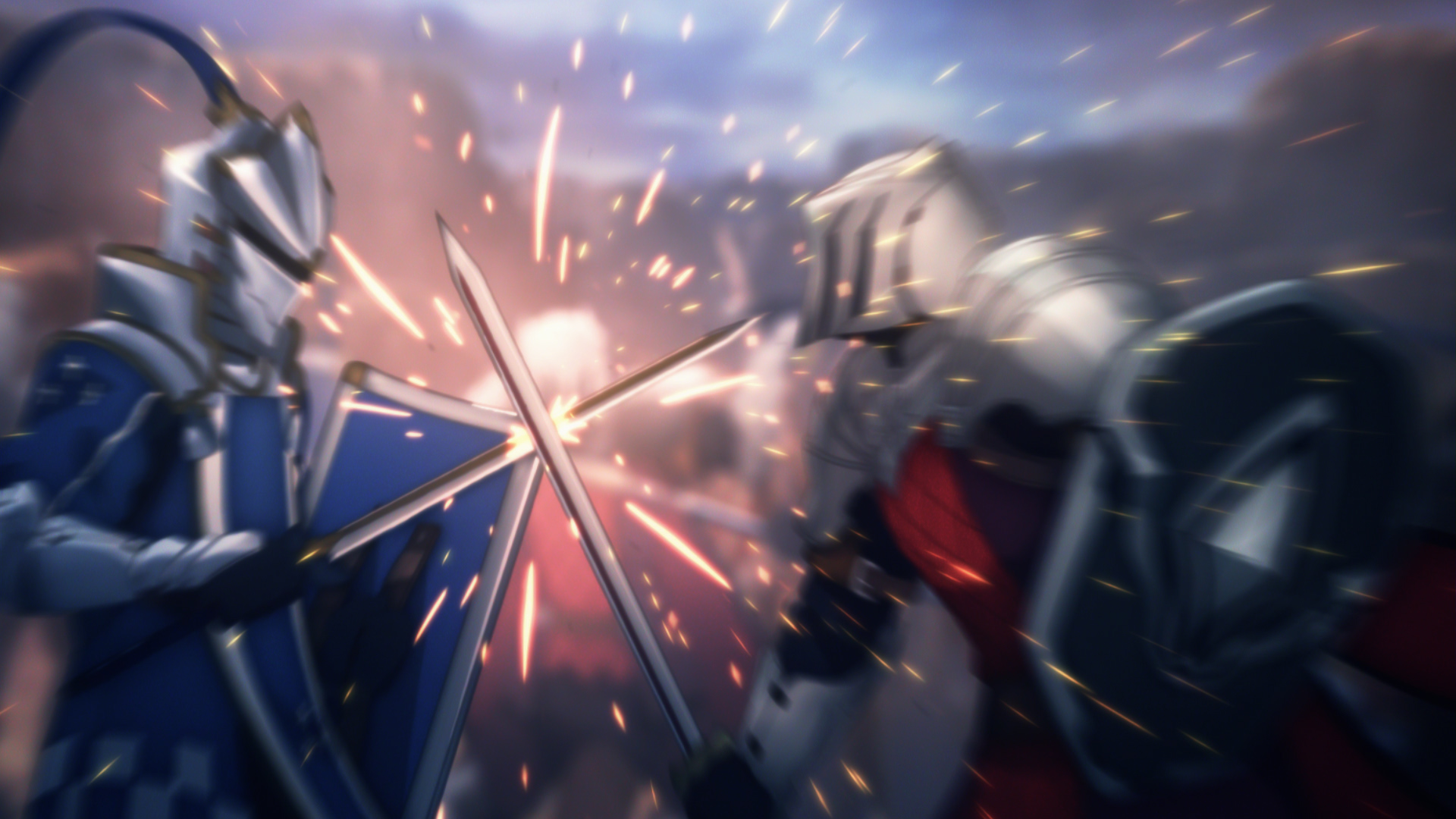
Tales of Zestiria was released for PlayStation 3, PlayStation 4 and PC, with the PC listing identifying Bandai Namco Studios as developer and Bandai Namco Entertainment as publisher. The main game is the Shepherd’s journey described here. Additional downloadable content is listed separately, including an extra chapter centred on Alisha and sets of costumes or items; those should not be mistaken for episodes automatically included in every edition of the base game. The PC store also lists local shared-screen multiplayer, although the adventure’s story still follows Sorey and his party. For a new reader, the clearest way into the game is through the connection between its three recurring activities: investigate a broad fantasy world and its older ruins, respond to encounters with real-time artes and elemental fusion, then reconsider equipment and party arrangements before continuing. The setting explains why the seraphim matter, the battles give their presence immediate consequence, and the journey keeps returning to what the Shepherd can do for people who may never see the allies beside him.
- Developer
- Bandai Namco Studios Inc.
- Genre
- Action role-playing game