
About Still Wakes the Deep
In 1975, disaster strikes the Beira D oil rig off Scotland. As worker Cameron “Caz” McLeary, the player navigates the storm-damaged structure, searches for the crew, and tries to survive an unknowable presence aboard the rig, moving through flooding interiors and exposed decks without weapons or supernatural powers.
Still Wakes the Deep places its story on the Beira D, an offshore oil rig in the North Sea off the coast of Scotland. The year is 1975, and the rig is a working industrial structure rather than a remote fantasy setting. Cameron “Caz” McLeary is one of its workers. When disaster hits during a vicious storm, the platform becomes an unstable maze of damaged walkways, flooded corridors, and exposed outer decks. Communications are severed and the usual ways out are gone. Caz has to make his way through the rig while trying to find the people he worked with and understand how much of the structure can still be crossed safely.
The threat aboard the Beira D is presented as an unknowable horror, and the game keeps Caz’s perspective close to the immediate effort to stay alive. The ordinary familiarity of the workplace changes as the emergency spreads. Corridors and decks that once connected work areas now become dangerous routes, while darkness, weather, and damage make it difficult to know what waits beyond the next obstruction. Rather than placing the player in control of a heavily equipped investigator, the story follows an oil worker whose priority is escape and whose concern for the rest of the crew remains part of the journey. The danger is both the inexplicable presence on the rig and the failing environment around it.
Movement is the core of play. Caz runs, climbs, and swims as he travels through different sections of the structure, using available paths to get around hazards and reach other people. Flooding changes which routes can be used, and the storm makes the outer decks exposed and perilous. The game describes a collapsing rig that evolves throughout the story, so the setting is not just a backdrop viewed from a safe distance. Its changing conditions shape how the player moves through it. A passage may require careful traversal, a climb may connect separated levels, and water can turn an interior route into a swimming section. The practical aim is to keep moving through an environment that is becoming less reliable.
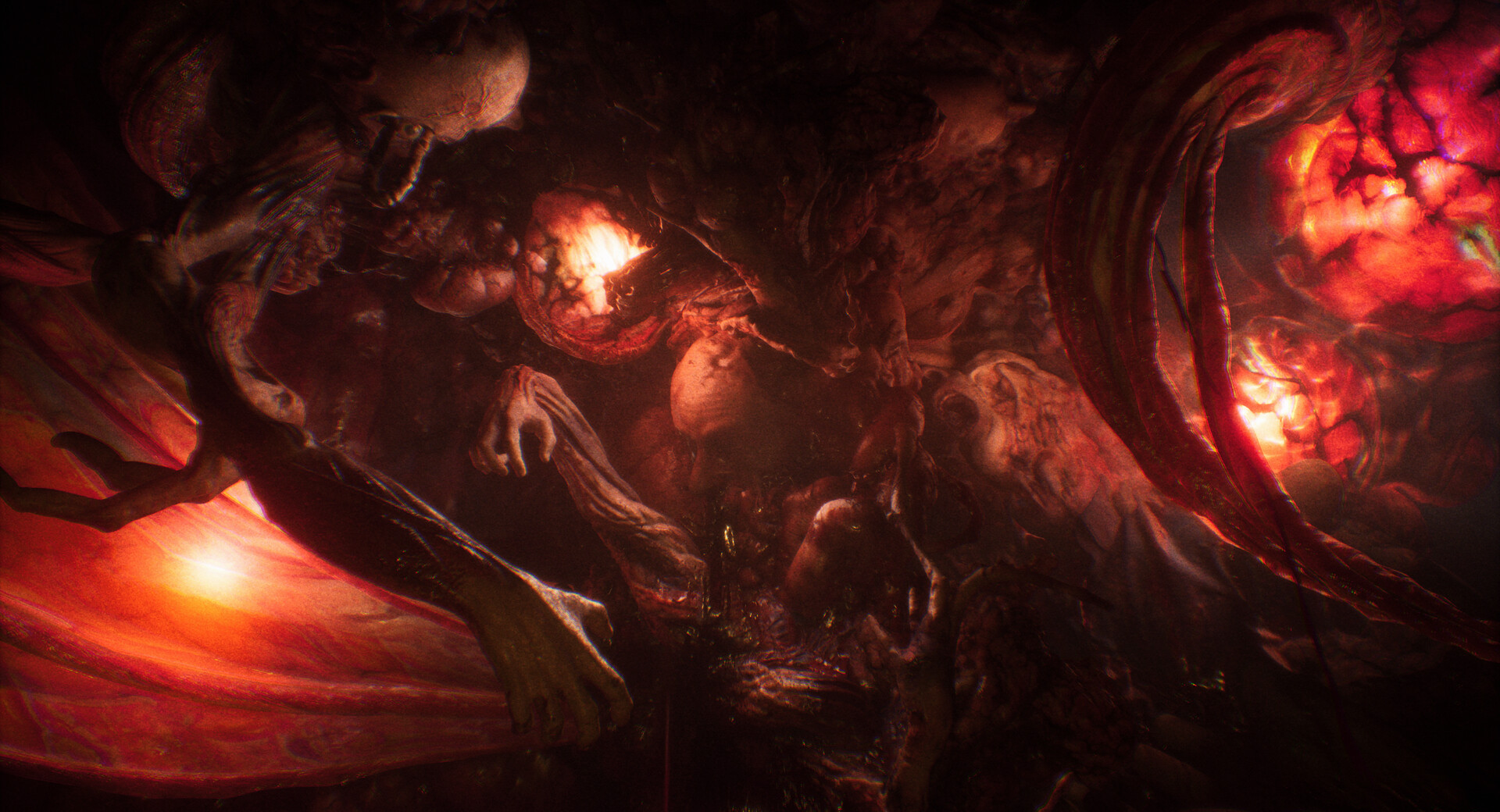
Caz has no weapons or special powers to rely on. Survival depends on wits and determination, with the player responding to the immediate layout of the rig rather than defeating threats through combat. The absence of weapons shapes encounters with the horror: the priority is to avoid danger, find a route through it, and continue toward the crew or a way out. This limited set of actions suits the character’s situation as an offshore worker caught in a disaster. He has to make decisions while under pressure, using movement and observation to negotiate a place that has become hostile. The design keeps the focus on vulnerability and escape instead of building a combat system around the protagonist.
The crew gives the disaster a human dimension. Caz searches for colleagues and tries to help them survive, while the wider story holds onto his hope of seeing his family again. The workers are not simply markers along a level route; they belong to the everyday community of the rig that the crisis has broken apart. Their voices, work spaces, and presence make the platform feel inhabited before and during the emergency. The game’s narrative approach brings these relationships into the movement through the structure, connecting each passage to the people Caz may be able to reach. His task is framed as more than finding a distant exit: it is a struggle to preserve connections when the familiar place and its routines have been torn away.
The tone combines industrial disaster with first-person narrative horror. The North Sea is both a striking landscape and a constant danger, while the metal rig offers little comfort once the storm and the unknown presence compromise it. Audio, writing, and performance support the feeling of a place inhabited by a specific crew rather than an abstract horror maze. Scottish voices and the 1970s setting give the workers a grounded social context, and the environment changes as the crisis advances. An optional Story Mode can reduce the threat for players who want to follow Caz’s journey with less pressure from pursuit. The main story remains focused on his effort to survive the rig and reach the people he can still help.
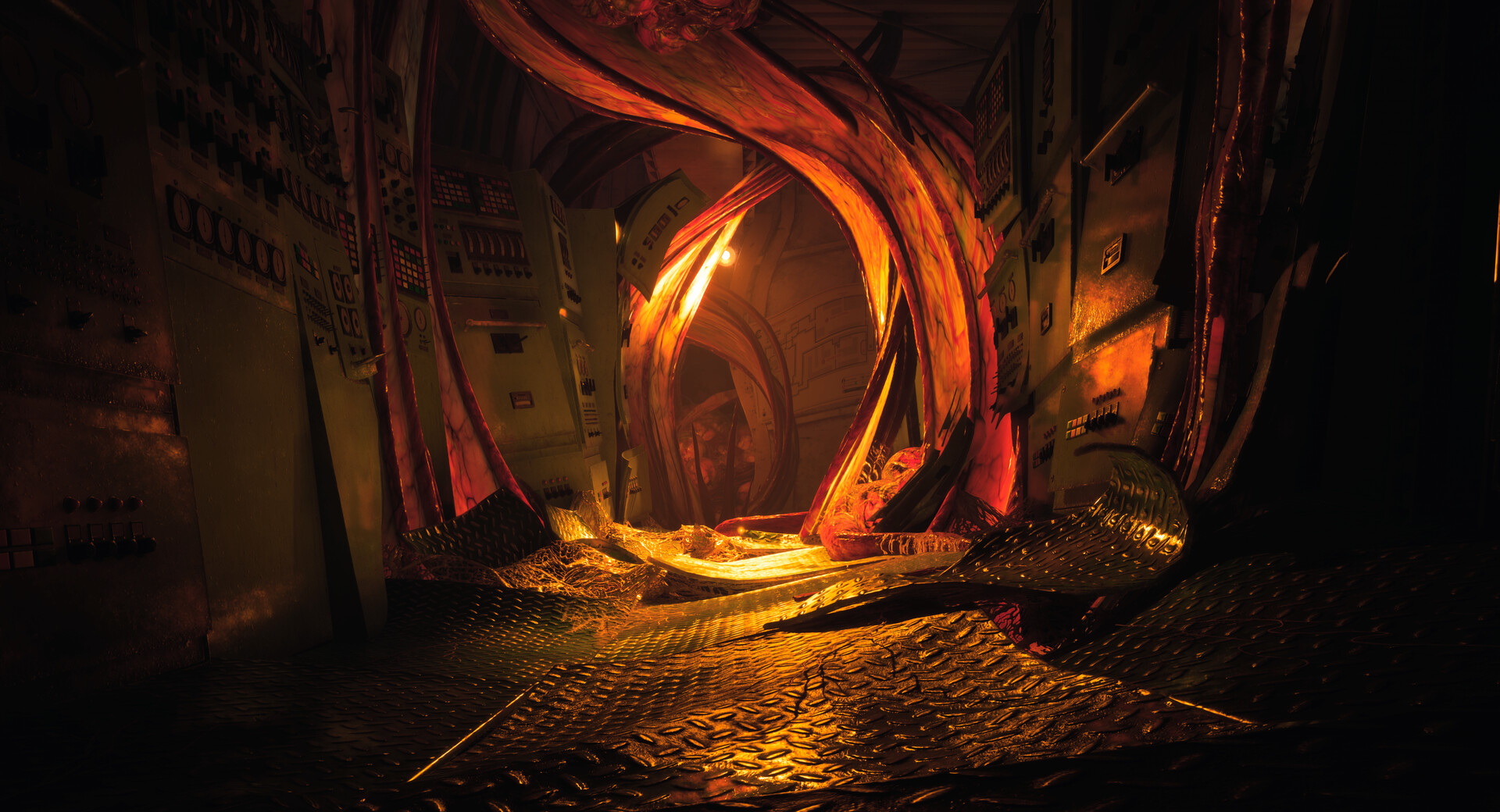
Still Wakes the Deep’s structure follows the collapse of a familiar workplace into a dangerous route across sea, steel, and water. The player moves through the Beira D by running, climbing, and swimming, searching for crew members and finding ways around a relentless threat. With communication cut off, exits lost, and no weapons or powers, each safe passage depends on reading the place and acting under pressure. The story keeps its scope with Caz and the crew as they confront the disaster, avoiding a shift into military action or supernatural power fantasy. It is a contained narrative about survival on an offshore platform, where the weather, the damaged architecture, and the horror aboard all narrow the options available to an ordinary worker.
- Developer
- The Chinese Room
- Genre
- First-person narrative horror; survival horror