
About Starfield
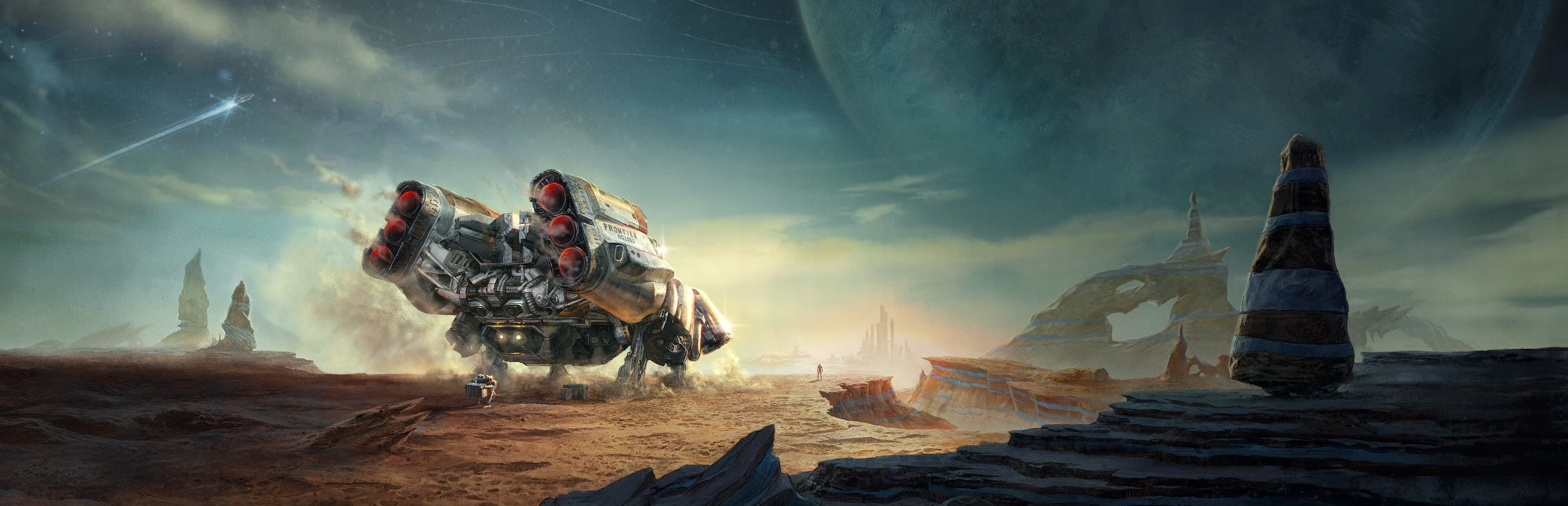
Starfield is a role-playing adventure set among the Settled Systems in 2330. As a customizable explorer recruited by Constellation, search for mysterious artifacts, take on faction missions, explore planets, and develop a character through skills, equipment, ship upgrades and optional outpost construction.
Starfield places a customizable character in the Settled Systems, a human frontier spread across star systems and inhabited worlds. After encountering an unusual Artifact, the player becomes involved with Constellation, a group of explorers searching for these objects and what they reveal about the universe. The main story provides a thread through that mystery, but it is only one way to spend time among the stars. Cities such as New Atlantis and Akila City anchor distinct communities, while remote planets, research facilities and hostile sites invite investigation. Traveling between missions can involve scanning environments, collecting resources, speaking with crew and deciding which lead to follow next. The setting supports a mixture of personal role-playing, exploration and combat rather than locking every activity to a single campaign route.
Character creation gives that role a starting shape through appearance, a Background and optional Traits. A Background establishes a prior profession and grants initial skills, so a character might begin with a useful advantage for combat, science, piloting or social situations. Traits add benefits with trade-offs, and they can affect how the character is received or what options open up. As the character advances, skill points unlock capabilities across physical, social, combat, science and technology areas; many skills improve through use-related challenges after their initial rank. This structure makes progression more than an increase in health or damage. A player can invest in weapon handling, persuasion, research or ship systems, then choose later skills that broaden or reinforce that direction. Dialogue and mission solutions can reflect those choices, giving the protagonist’s build a role in how certain problems are approached.
Constellation’s artifact investigation forms the central quest, while the Settled Systems contain faction storylines with their own organizations and priorities. The United Colonies and Freestar Collective reflect different political histories, and the Crimson Fleet offers missions built around smuggling, theft and piracy. Joining a faction opens a chain of assignments, characters and locations, so the player can move between the central mystery and other parts of galactic society. Mission boards also offer smaller tasks such as bounties, deliveries and ship-related jobs. On planetary visits, the scanner identifies resources and points of interest; surveying a world can mean examining terrain, flora and fauna as well as entering structures and confronting whoever occupies them. Exploration can therefore supply credits, equipment, information and raw materials at once, with each destination offering a different reason to leave the ship.
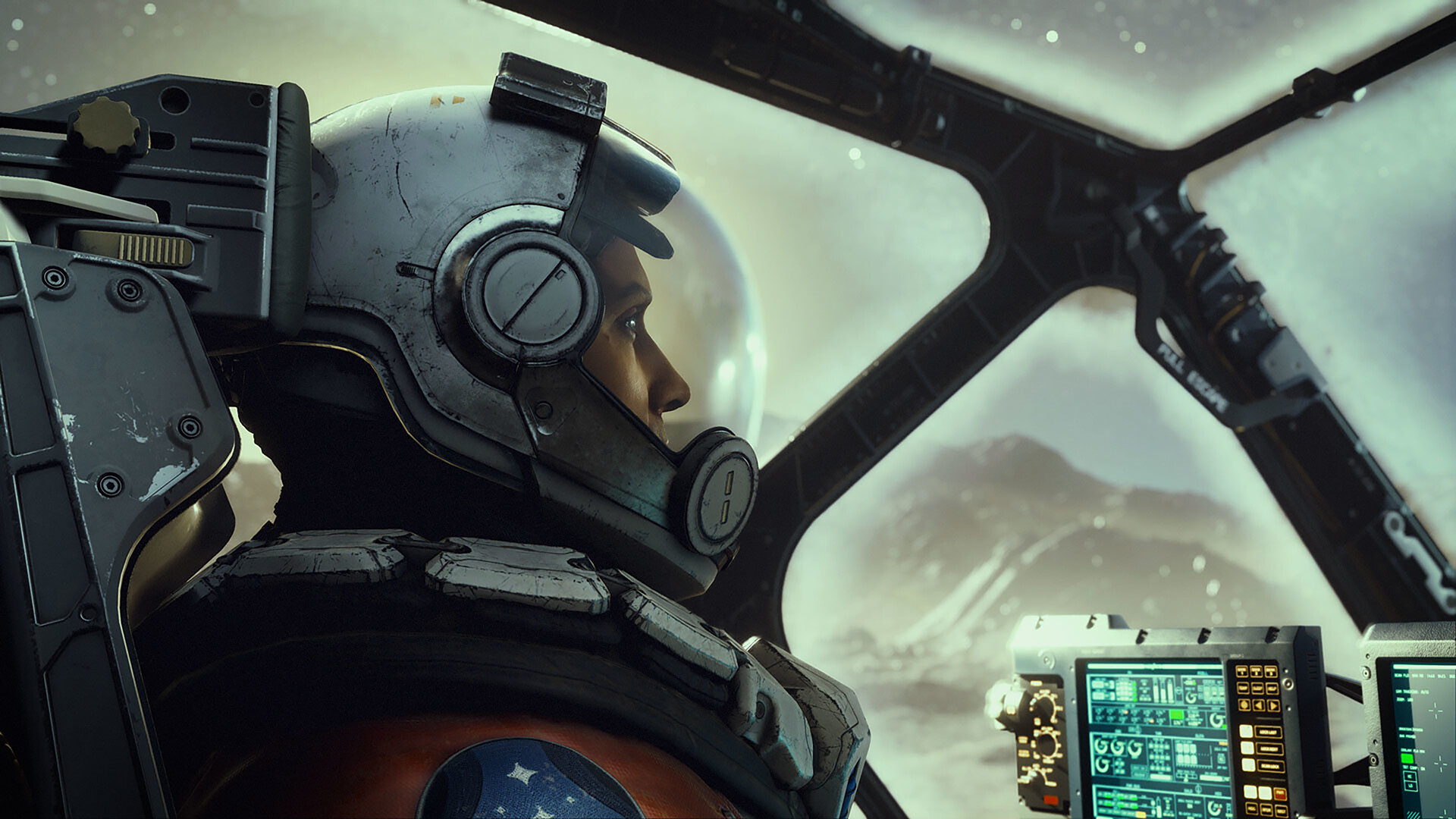
Combat alternates between first-person or third-person firefights on foot and ship battles in space. On the ground, firearms, melee weapons, grenades, armour and boost packs support different ranges and movement choices. Skills can improve weapon categories, stealth, physical resilience or combat techniques, while weapon and suit modifications tune equipment for a chosen approach. Ammunition, healing and carried weight encourage the player to decide what to take and when to return to a safe location. Enemies occupy abandoned facilities, settlements and other mission spaces, where cover, elevation and movement affect the exchange. In zero-gravity areas, movement and orientation change, adding another layer to encounters. Combat is only one answer to some situations: dialogue, stealth or faction relationships can redirect how a mission unfolds, depending on the character’s abilities and decisions.
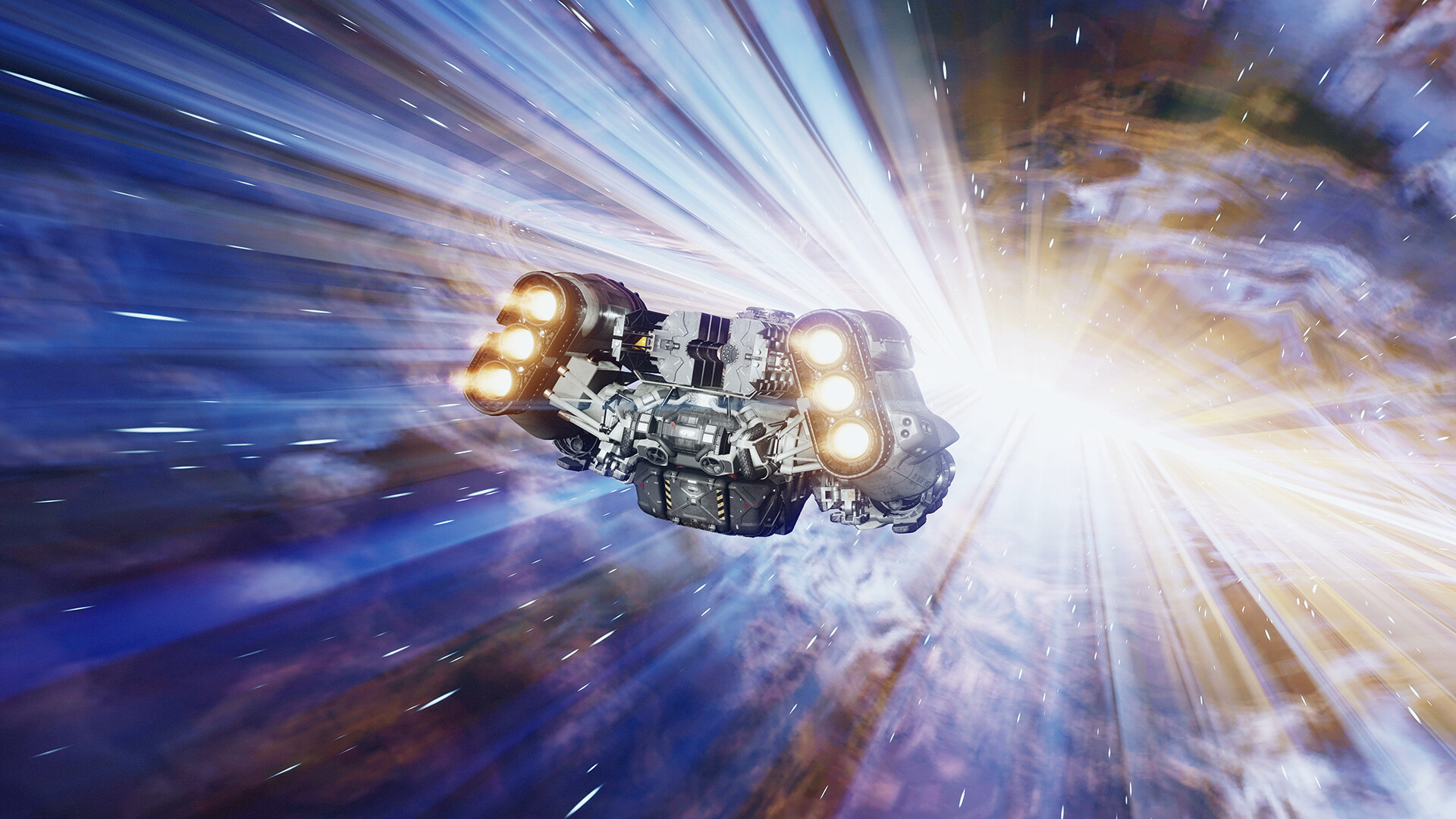
The ship is both transport and a mobile combat platform. Players can purchase or capture vessels, recruit crew, and modify a ship through components that affect its weapons, engines, shields, cargo capacity and living space. A vessel must balance these parts within its structural limits, so redesigning it can change how it handles travel, hauling or ship-to-ship combat. Piloting and ship-design skills open access to stronger capabilities as the character develops. Space encounters may involve hostile ships, civilian traffic, docking opportunities or mission objectives, and boarding can bring exploration and close combat into the same activity. Ships also store equipment and provide a place for companions and workbenches. This makes a ship change consequential beyond its appearance: it shapes how the player moves through space, what supplies can be carried and how prepared they are for a fight. When an enemy vessel is disabled, boarding can turn a ship encounter into an interior fight and a chance to take control of the craft.
Outposts provide an optional base-building and resource-management loop. A scanner helps locate deposits on a planet or moon; an outpost beacon establishes a build area where powered extractors can gather what is available nearby. Storage containers hold output, and cargo links can move resources between outposts, turning a collection of small sites into a supply network. Habitats and workstations support crafting and research, while assigned crew can contribute through their skills. Research projects consume materials to unlock weapon, spacesuit, medical, food or outpost recipes, linking planetary exploration to character and equipment improvement. These systems complement the quest and combat loops without being mandatory for every character. A player can concentrate on faction stories and exploration, or invest in production, ship design and crafting to make a more specialized path through the Settled Systems.
Three decisions at character creation, a ship you rebuild, outposts to link together, and two paid stories on top of a free update that changed how you get around a system.
The character is three decisions you name out loud
Character creation comes down to how you look, your Background and your Traits. The store treats those as the foundation of a run rather than a wall of numbers to push around, and it offers four pictures of who you might be: an experienced explorer, a charming diplomat, a stealthy cyber runner, or something else entirely.
That framing is doing useful work. In a galaxy with more than a thousand planets, knowing who your captain is becomes the thing that gives the map some direction, and deciding it early is one way to keep an enormous sandbox from turning into a list of errands.
A free update changed how you travel
The Free Lanes update, which the developer says is free for every player, added the ability to travel between planets inside a star system in Cruise Mode, with everything you could do while docked or in orbit still available while you travel.
That means decorating your ship, talking to your crew and using the workbenches are all still available while you are actually travelling rather than parked. Autopilot slows you down when you arrive, so a long flight is not a test of reflexes, and new points of interest appear dynamically along the way so you can redirect toward one or keep going.
The update also added new space encounters and raised how often they happen, and some of them pull you out of Cruise Mode automatically, so travelling is livelier than it was.
Gear has a new currency
Free Lanes also reworked how you improve things. A new resource called X-Tech turns up on bosses and in chests and ship wreckage, and it is the currency for pushing weapons, gear and ships further.
Legendary effects are where the rules changed most. You can reroll a legendary effect for X-Tech and credits for five attempts, and if the modifier you want has still not appeared by then, the full list opens up and you simply pick it. The new rank 4 legendary effects work the other way around: once an item is a rank-three legendary you pay credits and X-Tech and choose the effect outright, and some of them change how a weapon behaves rather than just how hard it hits.
Two new quality tiers sit above Advanced, named Superior and Exceptional. Ships gained a buildable optimization terminal that spends X-Tech on systems such as shields, weapons, engines and grav drive, and gear gained an upgrade-module slot that pushes a single stat. That is a lot of new dials for anyone who enjoys tuning a loadout.
Outposts get a shared container
Outposts were always a chain: extract materials, link them by cargo, invest them into research that unlocks better crafting, with logistics as the friction. A new container you can install at an outpost shares items and resources between them, so whatever you drop in one is accessible at any other outpost that also has a shared container.
A new Database gathers everything you have learned in one place, including locations you have visited, recipes you have gathered and where to find the resources you have researched, and it lets you favourite planets you keep returning to. A new land vehicle built for verticality also makes reaching the high ground less of a chore.
New Game Plus keeps some of your gear
Starfield's ending has always offered a new beginning, and the device that makes it less of a reset is the Quantum Entanglement Device. You build it in the Lodge once the Armillary has been assembled from all the Artifacts, and it lets you bring some of your favourite items into the next playthrough, with its capacity expanded using Quantum Essence.
The same essence can rank up the Starborn powers you have already unlocked without leaving your current playthrough and hunting down more temples. Neither system carries everything, but stepping through the Unity no longer means arriving at the next run empty-handed.
What you pay for on top
Two paid stories sit above the base game. Shattered Space takes the investigation to House Va'ruun's hidden homeworld, and Terran Armada is a story DLC about a faction of military deserters who have built an army of robots to unite humanity by force, along with new locations, technology and weapons.
The Digital Premium Edition bundles the base game with both stories, 1,000 Creation Credits, the Constellation skin pack and access to the digital artbook and soundtrack, and a Premium Edition Upgrade exists for anyone who already owns the base game. Creations are bought with Creation Credits in the in-game Creations menu, and the developer counts more than a thousand of them from Bethesda and verified creators, covering new weapons, spacesuits, missions and even reworked systems. Not every one costs credits, either: some Creations, like the free Doom-themed At Hell's Gate mini-quest, cost nothing.
On platforms, the game arrived on PC and Xbox, and it has since come to PlayStation 5 as well. The base game alone is a very large role-playing game, so the expansions are a question of how much more story you want rather than a gate on the rest of it.
Should you play it
Yes, if you want a science-fiction role-playing game that rewards picking a direction and committing to it. The free update added travel, gearing and outpost systems without asking for anything in return, and none of that is behind a paywall.
Two things to decide first. Work out who your character is before you start, because the galaxy will not do it for you. And decide up front whether you want the stories, since both paid expansions are optional additions rather than required pieces of the campaign.
Go deeper with V4mp
- Developer
- Bethesda Game Studios
- Genre
- RPG
Explore Starfield further
Explore the wiki for detailed reference pages on the game's world, systems, items and locations.