
About Slender: The Arrival
Slender: The Arrival expands the original Eight Pages concept into a first-person survival-horror story set across isolated locations where the player searches for clues and tries to avoid Slender Man. The 10th Anniversary Update adds a visual overhaul, redesigned pickups and readables, subtitles and a separate new chapter called Nightmare.
Slender: The Arrival is a first-person survival-horror game that expands the short experimental premise of Slender: The Eight Pages into a larger story with new characters and locations. The player explores alone, following a trail of clues through places where the presence of Slender Man turns ordinary movement into a risk. The narrative is conveyed through the environments, objects that can be found and readable material rather than through a constant stream of exposition. This structure makes the player’s attention part of the story: looking for information also means entering unfamiliar spaces and spending time where the threat may appear. The game is built around uncertainty, pursuit and the effort to keep moving through a sequence of isolated settings. The 10th Anniversary Update is a separate presentation of the original release, with additional content described below.
The original release’s connection to The Eight Pages is both thematic and mechanical. The earlier game was a short experience about building tension while searching for pages; The Arrival reimagines and expands that approach with a brand-new storyline and additional characters. Searching remains an important action, but it sits within a longer progression through distinct environments rather than a single brief premise. Pickups and readable clues offer information as the player explores, and the act of finding them requires attention to the space around the character. The game’s first-person viewpoint keeps that search close to the player’s limited field of vision. It also means that a clue, a route and a potential threat compete for attention, so exploration is tied directly to suspense rather than presented as a detached collection menu.
The story’s environments move the experience away from one repeated forest search and into a series of different locations. The Arrival expands the premise with a developed story and new characters; its chapters place the player in spaces associated with the investigation and the people connected to it. Settings such as a house, woodland and more isolated areas each change what the player can see and how exposed a route feels. The common thread is not a single puzzle system but the need to move through each place, find the next clue and keep going when the space becomes threatening. The contrast between familiar buildings and open, dark outdoor areas supports the game’s central uncertainty: the player is looking for an explanation while never fully controlling the environment being searched.
Slender Man supplies the main form of pursuit. The player is not equipped to approach the encounters as a conventional action game, so survival depends on managing distance, visibility and movement through the environment. Running can help leave an exposed area, while turning to look, searching for an object or choosing the wrong route can increase the time spent in danger. The threat may interrupt exploration without warning, making familiar goals feel different once the player knows something is nearby. This tension works with the limited first-person view: the player must decide where to look and where to move without having a complete picture of the space. The game’s pressure comes from trying to complete the current objective while avoiding a presence that is stronger than the isolated character.
Objects and written clues provide a second layer to movement through each chapter. They give the player reasons to inspect rooms, paths and landmarks instead of moving directly toward an exit. A readable can provide context about a person or event, while a pickup can be one of the concrete tasks that moves the chapter forward. These discoveries build an account of the characters and the danger surrounding them, but they do not remove uncertainty from the moment-to-moment experience. The search for information still takes place in locations where the player can be pursued. This balance between investigating and staying safe connects narrative and play: the player learns by going further into the same spaces that make retreat feel necessary. The story can be followed through its clues without describing its final revelations here.
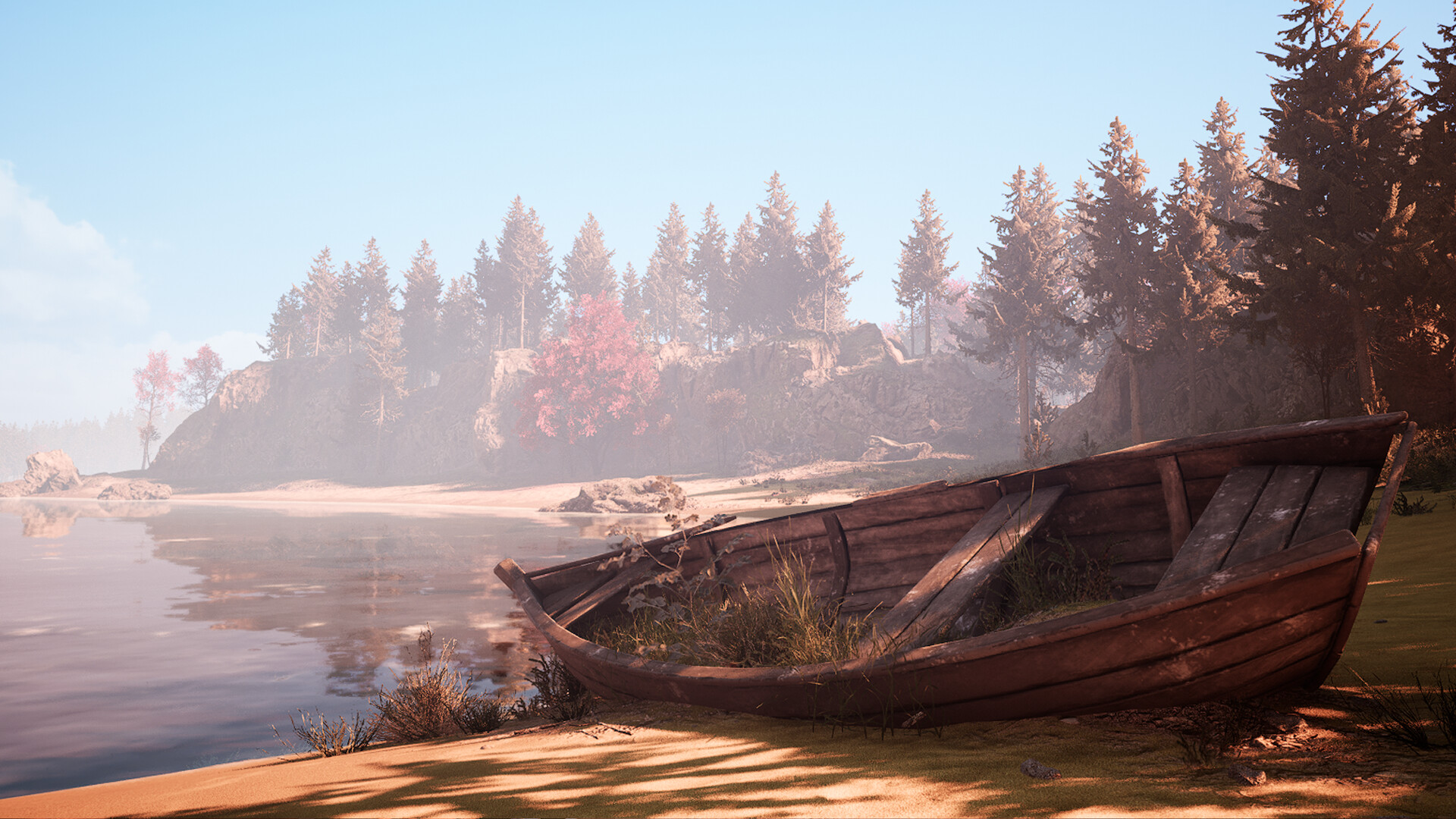
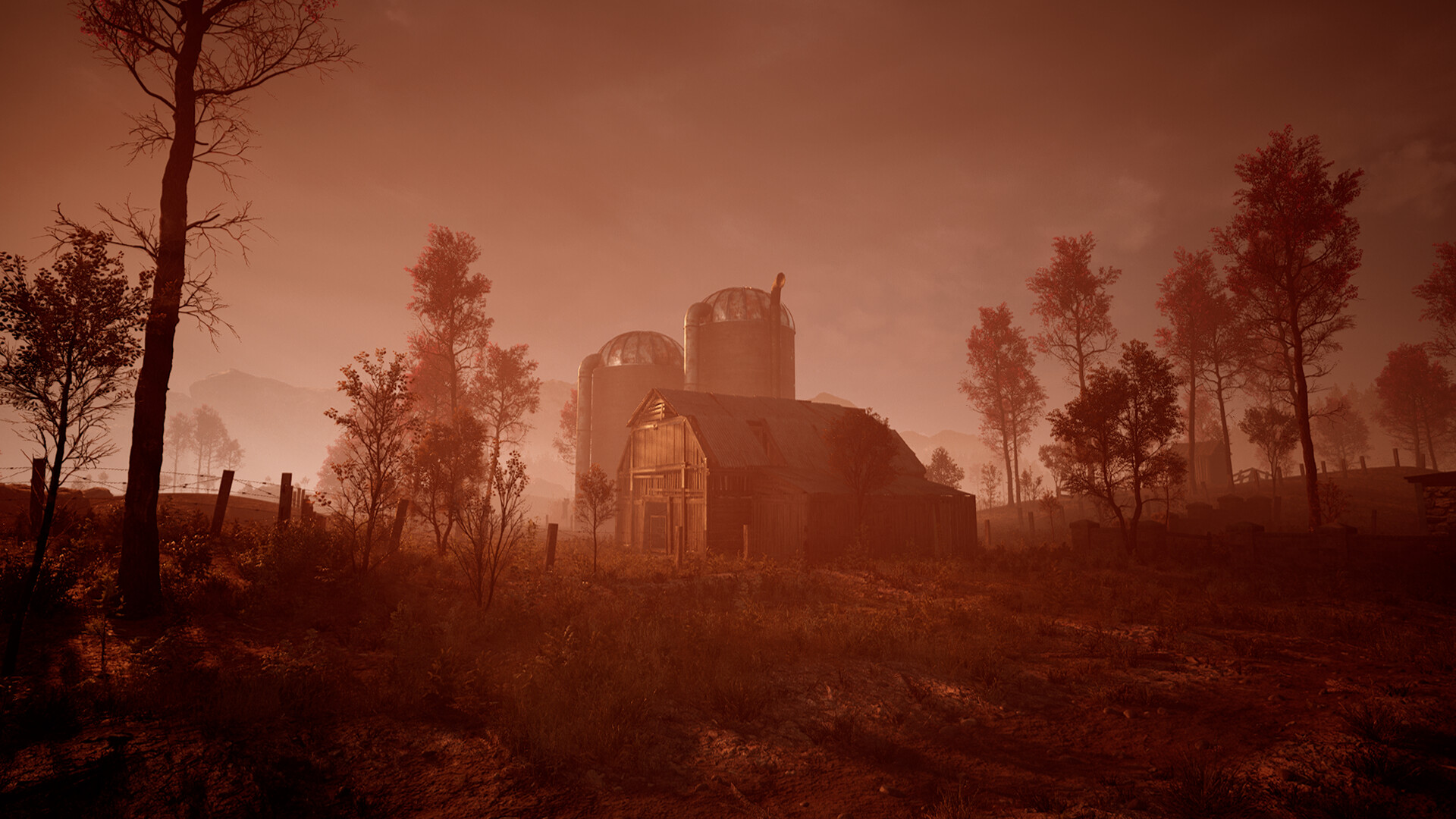
The 10th Anniversary Update is a distinct presentation of the 2013 game, not simply a description of how every original version looked. It is a complete visual overhaul, and Steam provides a way to switch between the original version and the updated release. It re-renders shadows, materials, models and encounters, redesigns pickups and readable items, and adds subtitles in multiple languages. The update also introduced a new chapter called Nightmare, which follows Charlie Matheson’s father; it is additional story content rather than part of the original version’s chapter sequence. Players using the updated release can therefore encounter an extra piece of the Matheson story alongside the earlier chapters, while the option to switch versions preserves access to the original presentation. The changed lighting and environmental detail alter the appearance of familiar spaces, but the underlying journey remains one of searching, reading and evading pursuit.
- Developer
- Blue Isle Studios
- Genre
- First-person survival horror