
About Slay the Princess — The Pristine Cut
A voice sends you to a cabin in the woods to kill its imprisoned Princess, claiming she will end the world. She disputes that account. This fully voiced, branching psychological horror visual novel makes belief and response shape the story. The Pristine Cut adds three chapters, expanded routes, an ending and a progress gallery.
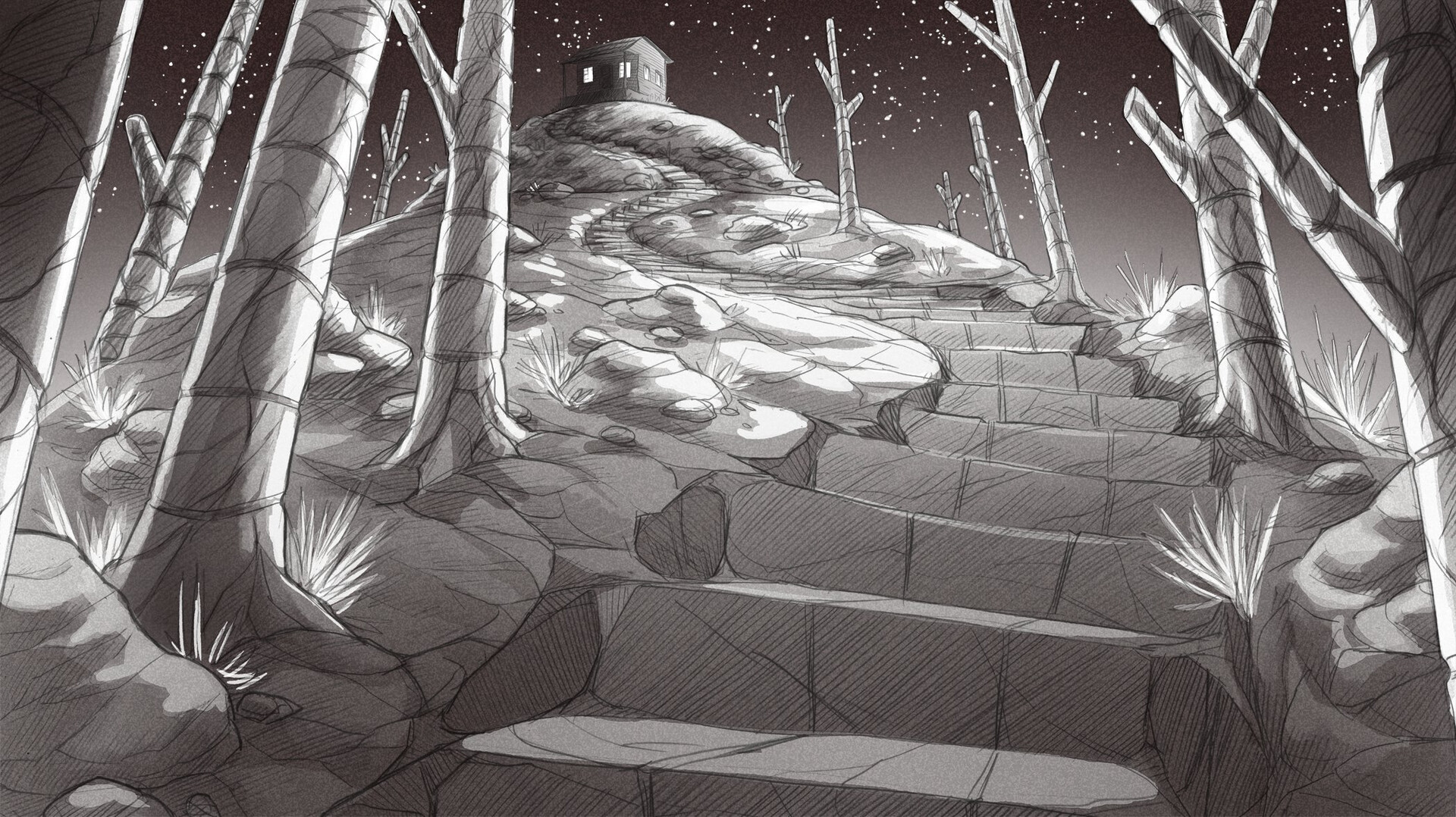
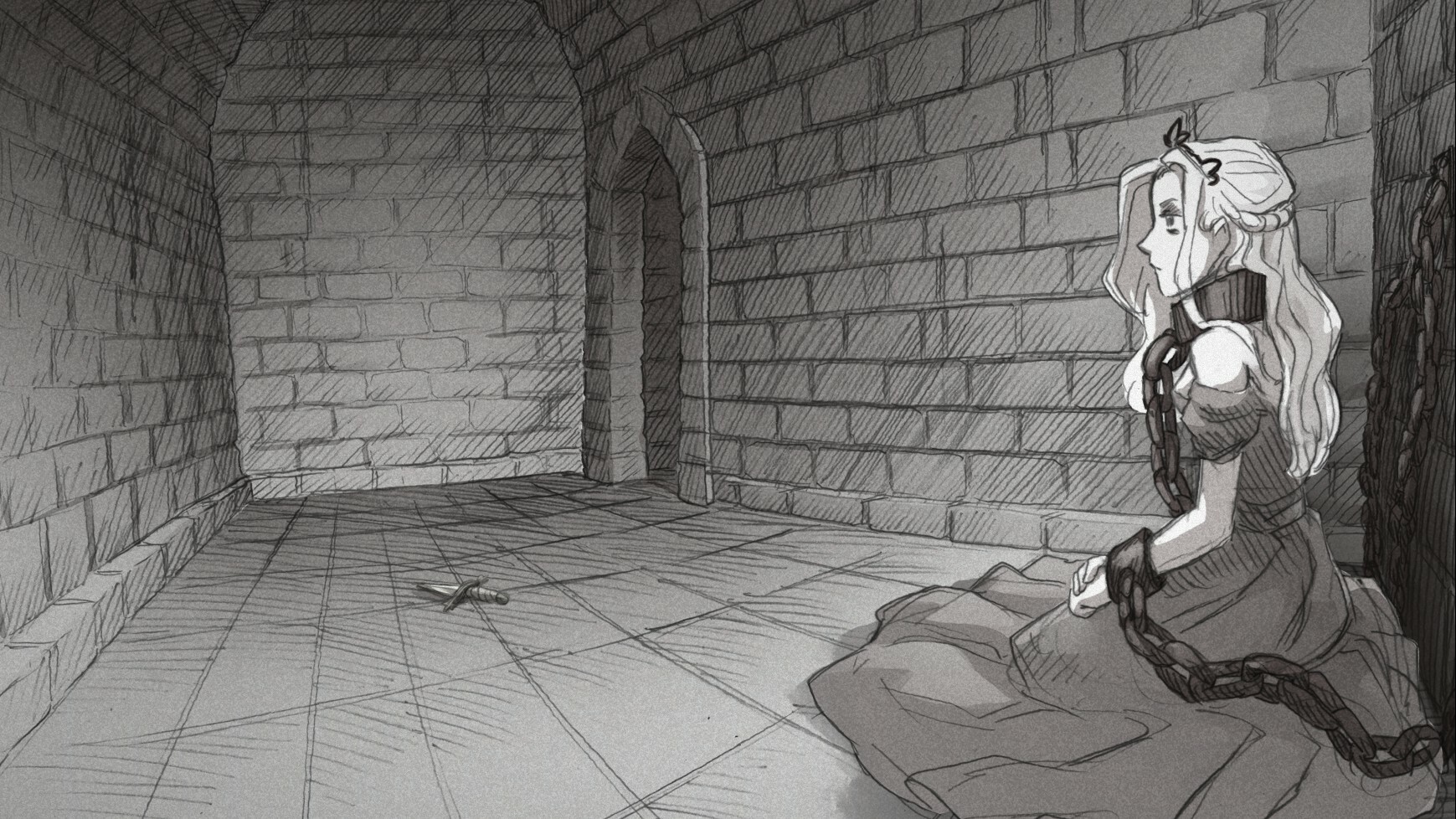
The journey begins on a path through the woods and leads to a cabin with a Princess held in its basement. A voice insists that she must be killed to prevent the end of the world, while the Princess has her own reasons for resisting and asks you to question the instruction. The central problem is immediate, but the game makes the source of that urgency uncertain: the voice may be right, the Princess may be telling the truth, or neither account may explain what is happening. You take the role of the person sent to the cabin, deciding what to believe and how to respond as the confrontation develops. The premise stays focused on this task, turning a simple command into a psychological horror story about trust, perception and consequence. The stakes are presented through these conflicting claims, so even the goal itself becomes something to examine.
Play is built around reading and choosing responses in a fully voiced, branching visual novel. The player moves through the forest and cabin, examines the situation, speaks with the Princess and answers the voice that accompanies the journey. Decisions include whether to follow the instruction, engage with the Princess’s arguments, or challenge the assumptions behind the task. These are story choices rather than combat commands or a separate set of character statistics: what you say and what you believe shape the route and the people encountered within it. The dialogue is voiced by Jonathan Sims and Nichole Goodnight, with Sims also voicing the narrator and other voices in the protagonist’s head. Their competing perspectives give conversations a dramatic role in how each scene is understood. The presentation pairs this voice work with traditionally hand-pencilled character sprites and backgrounds.
The story’s structure makes a failed attempt or death part of its progression. After the protagonist dies, the journey starts again with differences: the cabin, the Princess and the voices in the protagonist’s head can change, while the narrator is the one figure who does not remember what happened. This repeated return gives choices a continuing effect across encounters instead of treating each visit as an isolated branch. You carry knowledge of previous events into a new version of the situation, then decide whether to repeat a response or try another approach. The game uses these altered visits to reveal new versions of the central conflict and to change what the player can learn about the people involved. The specific outcomes depend on the path taken, so the overall narrative is assembled through successive choices and returns. The shifts also make memory itself part of the dramatic situation, since most characters retain events that the narrator does not.
The Princess is the central character and changes with the direction of the story. The press materials describe how the player’s reactions and beliefs can shift her into dramatically different forms, from an ordinary princess to a towering demon or something more nightmarish. These are not presented as a roster of selectable characters or separate combat opponents; they are story developments tied to the way the encounter unfolds. The other recurring presence is the narrator, whose instruction frames the initial objective and whose persistence creates tension when the Princess disputes it. The voices in the protagonist’s head also vary between returns. Together, these figures make the player’s interpretation an active part of the narrative: what seems threatening, credible or possible can change as the situation and the Princess change. There is no single fixed account to accept without weighing what each voice says.
The Pristine Cut is the expanded edition of the original Slay the Princess, and its additions sit within the same choice-driven horror story. The Steam description lists three new chapters, expanded versions of familiar routes named The Den, The Apotheosis and The Fury, and a new ending. It also describes over 35 percent more content overall, with more than 1,200 newly hand-pencilled frames and more than 2,500 additional lines of fully voiced dialogue. These additions expand the branching narrative rather than introducing a separate mode or a different protagonist. Because routes respond to the player’s choices, the added material is encountered through the story’s branching structure. The new frames and dialogue extend the same hand-drawn, performed presentation as the original narrative.
A gallery provides a way to track progress, revisit exploits and uncover hidden secrets, adding a record of the player’s journey alongside the narrative itself. The game’s visual presentation uses hand-pencilled backgrounds and character art, and the expanded edition adds further frames drawn by Abby Howard. Its structure encourages returning to the cabin with different assumptions, because a choice can lead to another version of the Princess, another conversation or a new branch in the story. The main activity remains interpreting dialogue and choosing how to act, rather than mastering a combat system or collecting equipment. The Pristine Cut brings its new chapters, route expansions and ending into that same loop, while the gallery gives players a place to follow what their accumulated decisions have uncovered.
- Developer
- Black Tabby Games
- Genre
- Choice-driven psychological horror visual novel / roleplaying game