
About SIGNALIS
In SIGNALIS, technician Replika Elster awakens from cryostasis after a spacecraft crash and searches a cold, unfamiliar world for her lost partner. Exploration, riddles, and scarce supplies lead through a derelict vessel and a failing government facility, where the boundaries between memory, identity, and reality begin to shift.
SIGNALIS is a science-fiction survival horror adventure set in a future where humanity has spread across the solar system under the authoritarian Eusan regime. The state relies on surveillance and propaganda, and its society includes Replikas: humanoid beings designed to resemble people and assigned work as technicians, civil servants, or armed Protektors. The world’s retro-futurist technology and severe public institutions give everyday objects a utilitarian character, while fragments of writing and environmental details hint at lives shaped by political control. Rather than opening with a complete explanation of this setting, the story lets Elster encounter it in pieces. The player moves through abandoned spaces, reads documents, and finds clues that gradually place the immediate search inside a wider and stranger history.
The player controls Elster, a technician-class Replika who wakes from cryostasis in a damaged vessel. Stranded on a cold planet, she begins looking for a lost partner and for answers connected to dreams she cannot fully recover. Her route leads from the wreck toward a remote facility whose inhabitants have met an unexplained fate. The story keeps its focus close to Elster’s attempt to understand what happened and to continue searching, while surrounding her with a growing sense that the world does not obey ordinary rules. People, records, and locations provide partial accounts rather than a single reliable explanation. This unfolding structure makes observation part of the narrative: a room’s arrangement, an unfamiliar device, or a brief exchange can change how a previous clue feels without immediately resolving the larger mystery.
Exploration links the major spaces together. Elster searches rooms and corridors for keys, notes, useful objects, and routes that are blocked until she has learned or collected something relevant. Doors, mechanisms, and security systems turn navigation into a continuing puzzle: the player must remember which obstacles remain and connect clues found in one area to devices elsewhere. Returning through familiar rooms is part of this structure, because newly acquired information or an item can make an earlier dead end useful. The game’s shifting environments complicate that mental map. What begins as a practical search through a wreck and facility increasingly takes place in surreal, distorted spaces, so the player has to attend both to physical landmarks and to details that suggest a location has changed in an unsettling way.
Riddles ask for close reading of the environment and the written material gathered along the way. Notes can contain instructions, codes, or contextual details that make a machine or locked passage understandable; objects may need to be used in combination with a particular fixture. Instead of treating documents as background decoration, the game makes them part of the player’s toolkit. The useful clue may be a sequence, a description, or a relationship between symbols that has to be carried from one room to another. Some obstacles are solved by locating the right object, while others depend on interpreting what has already been seen. These tasks sit beside the story’s deliberate uncertainty: local problems can have concrete answers even while the broader events, memories, and identities surrounding Elster remain difficult to pin down.
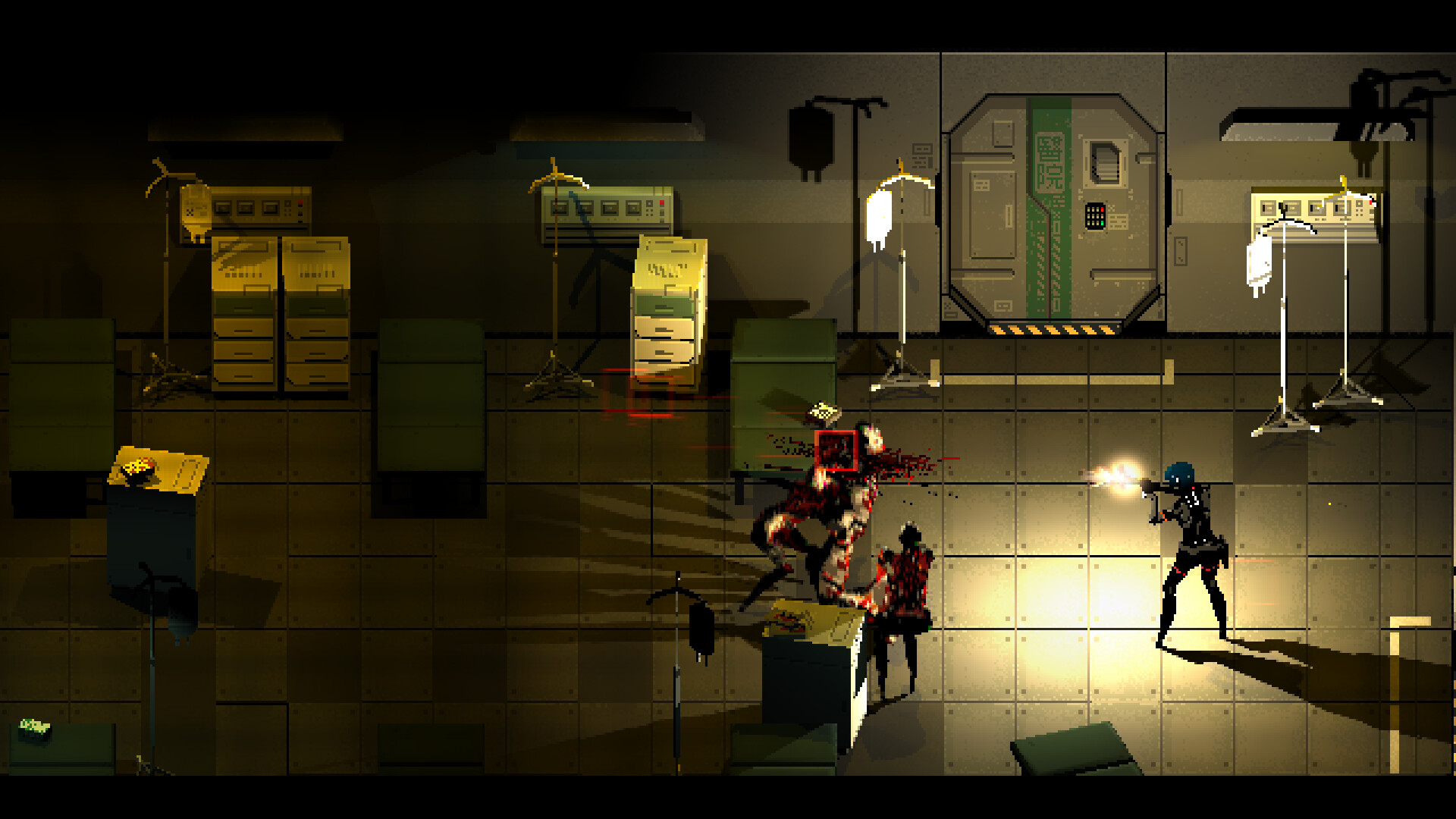
Hostile encounters add a second cost to moving through the facility. Elster can fight nightmarish creatures, but ammunition and carrying space are limited, so confrontation is a decision rather than a default response to every threat. Weapons and their supplies take room that could otherwise hold keys, puzzle items, or healing resources. The player therefore weighs whether to spend ammunition to make a passage safer, take a risk by moving past danger, or return later with a different loadout. Searching for supplies and managing the items Elster carries become inseparable from route planning. A trip through a known corridor may be useful if it leads to a needed object, but it can also expose her to threats again. The game uses this pressure to keep exploration cautious and deliberate.
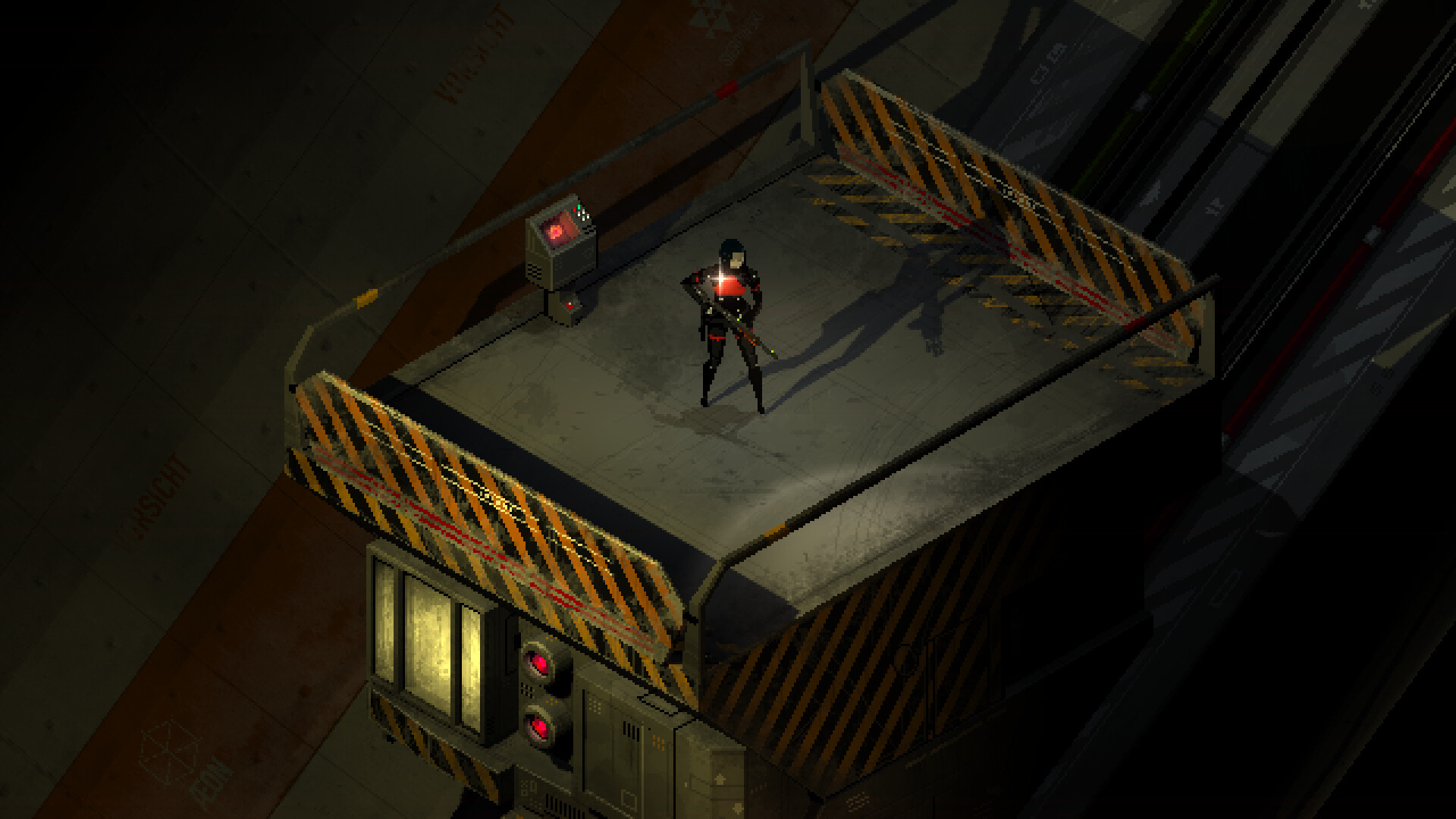
The experience brings these systems together around a tale of memory, identity, and the unknown. The player alternates between interpreting documents, searching connected spaces, solving mechanical and symbolic problems, and deciding how to handle creatures that obstruct the way. The presentation mixes pixel-art characters and interfaces with three-dimensional environments, dramatic lighting, and cinematic science-fiction imagery. Its world can feel bureaucratic and material in one moment, then dreamlike and unstable in the next. Elster’s search supplies a clear immediate purpose, while the surrounding clues resist a simple account of what is happening. SIGNALIS is a single-player survival horror game whose central activity is to keep moving through that uncertainty: preserve what is useful, learn how places fit together, and follow a personal search into increasingly unfamiliar territory. The player’s notes and remembered routes become as important as the objects carried, because information can solve an obstacle without taking up scarce physical space. This creates a steady rhythm between close inspection, careful preparation, and returning to a junction with a better understanding of what it connects.
- Developer
- rose-engine
- Genre
- Single-player science-fiction survival horror adventure