
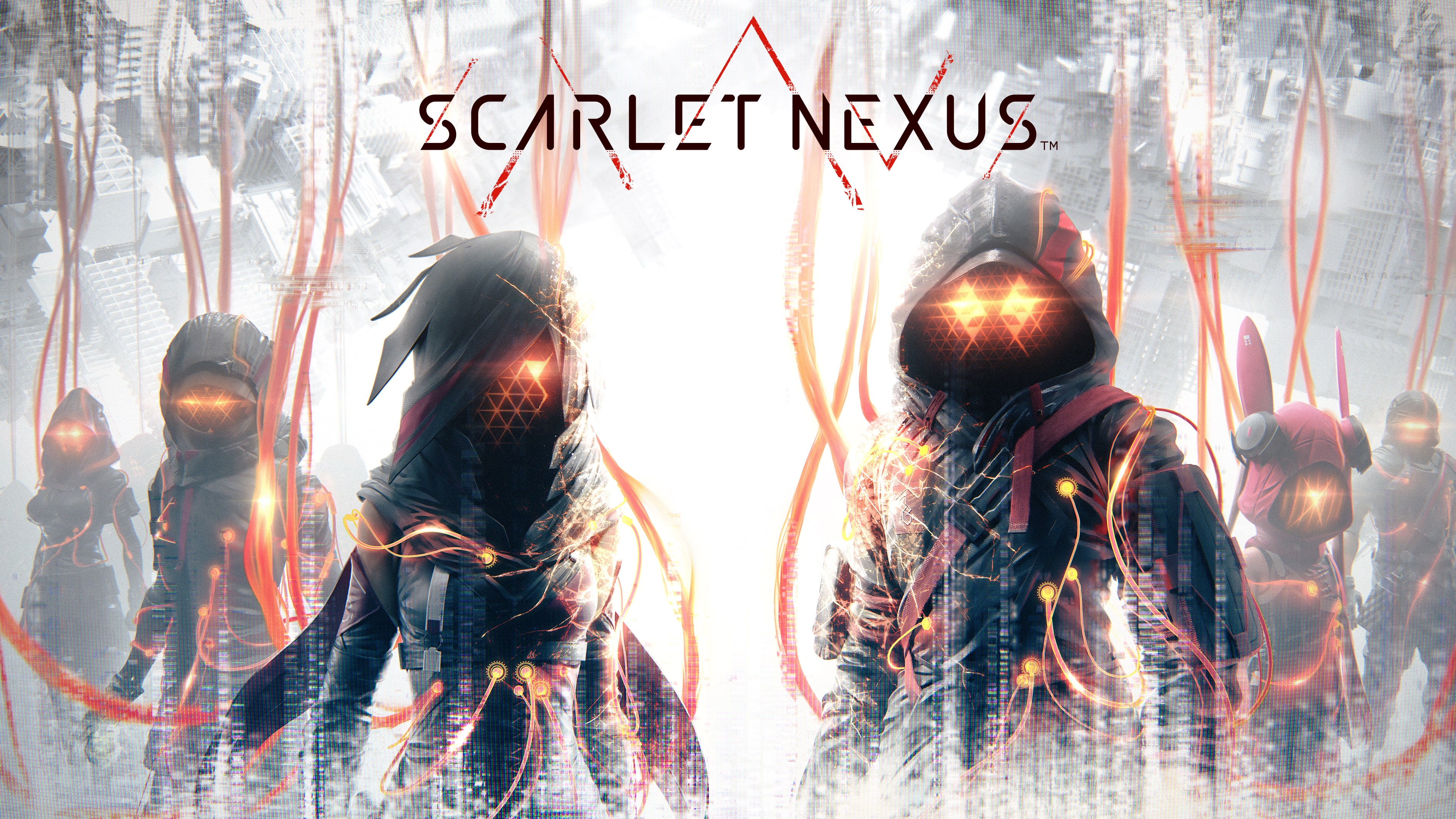
About Scarlet Nexus
In a futuristic Japan reshaped by psychic abilities, recruits Yuito Sumeragi and Kasane Randall join the Other Suppression Force to fight the brain-hungry Others. Choose one protagonist for a full story route, wield psychokinesis and borrowed team powers in real-time battles, and build bonds that strengthen combat support.
SCARLET NEXUS is set in a future where a hormone discovered in the human brain grants some people extrasensory abilities. Technology and psychic talent have become part of daily life, but the change brings a threat: monstrous beings called Others descend from the sky and seek human brains. Conventional weapons are not enough against them, so people with strong abilities are recruited into the Other Suppression Force, or OSF. Its soldiers defend settlements while operating inside a society that depends on psionics and treats their powers as military resources. The story follows two new OSF recruits from sharply different positions. Yuito Sumeragi is the son of a politically powerful family connected to New Himuka’s founding, while Kasane Randall is an exceptionally capable scout already known within the force. Both can use psychokinesis, but their personalities, relationships and understanding of events differ. The setting mixes a recognisable Japanese urban landscape with futuristic interfaces, communications technology and uncanny enemies. The Others’ designs stand apart from the human characters, making them look like intrusions into an otherwise orderly world. The game gradually reveals information through the perspective of whichever recruit the player selected, so the political and personal mysteries are encountered as part of that character’s experience rather than through an omniscient narrator.
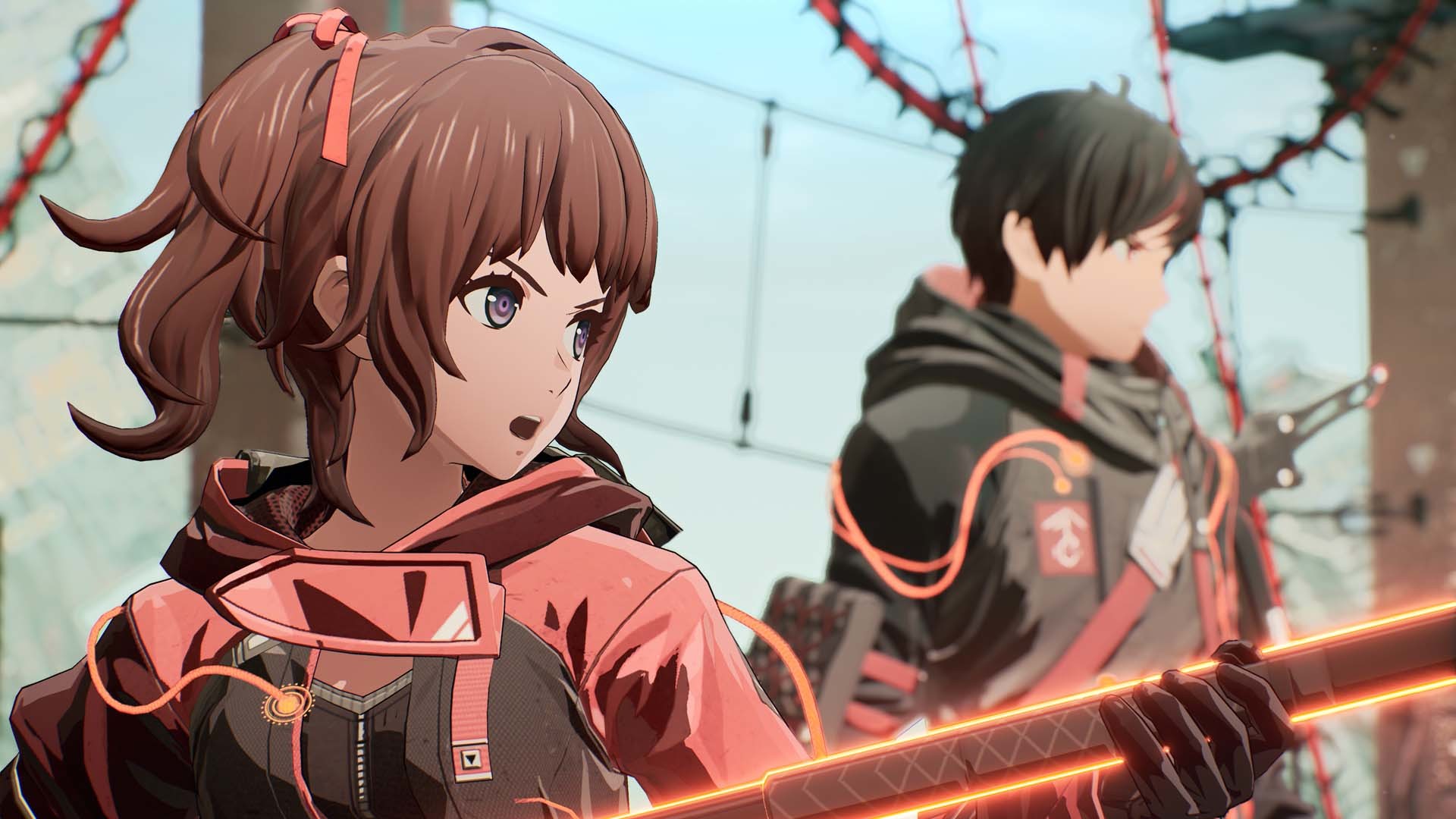
Yuito and Kasane bring different roles and knowledge to the OSF, and their routes introduce the squad from distinct perspectives. Yuito’s family history connects him to New Himuka’s political establishment; Kasane is a gifted scout whose existing reputation and personal ties shape her entry into the conflict. The soldiers they meet contribute powers that have practical uses in combat and traversal. Pyrokinesis can add fire damage, invisibility can support safer movement, hypervelocity speeds actions, duplication multiplies objects for psychokinesis, clairvoyance reveals enemy details, electrokinesis supplies electricity, and teleportation closes distance. These abilities give each ally a recognizable contribution beyond dialogue. The selected lead’s relationships and knowledge also shape which scenes the player sees, while the two viewpoints gradually interweave around shared events. Squad conversations provide a quieter counterpoint to OSF missions and public crises, letting the player learn about companions whose powers become part of the team’s tactics. The result is a story told through one recruit at a time, with the cast’s abilities serving both the political conflict and the moment-to-moment action.
The campaign’s spaces combine mission areas, routes through a futuristic Japanese environment and safe locations where the squad can regroup. Exploration is structured around moving through these areas, reaching the next encounter and noticing objects or traces that make a location feel connected to the Others. The team’s psychic abilities can also interact with particular environmental objects: glowing walls, doors or devices may respond when the appropriate Struggle Arms System power is active. Returning to a location can reveal changes because the Others move objects, and those altered arrangements may lead to rewards. This gives revisits a small investigative dimension alongside the forward movement of the story. The Hideout serves as the party’s pause between operations. Here, the protagonist can speak with companions, advance available Bond Episodes and give gifts. Conversations differ depending on whether Yuito or Kasane is present, and the balance of dialogue, traversal and battle follows the selected lead’s route. The Hideout provides a familiar return point between missions, where the squad can talk and the player can follow whichever Bond Episodes have become available.
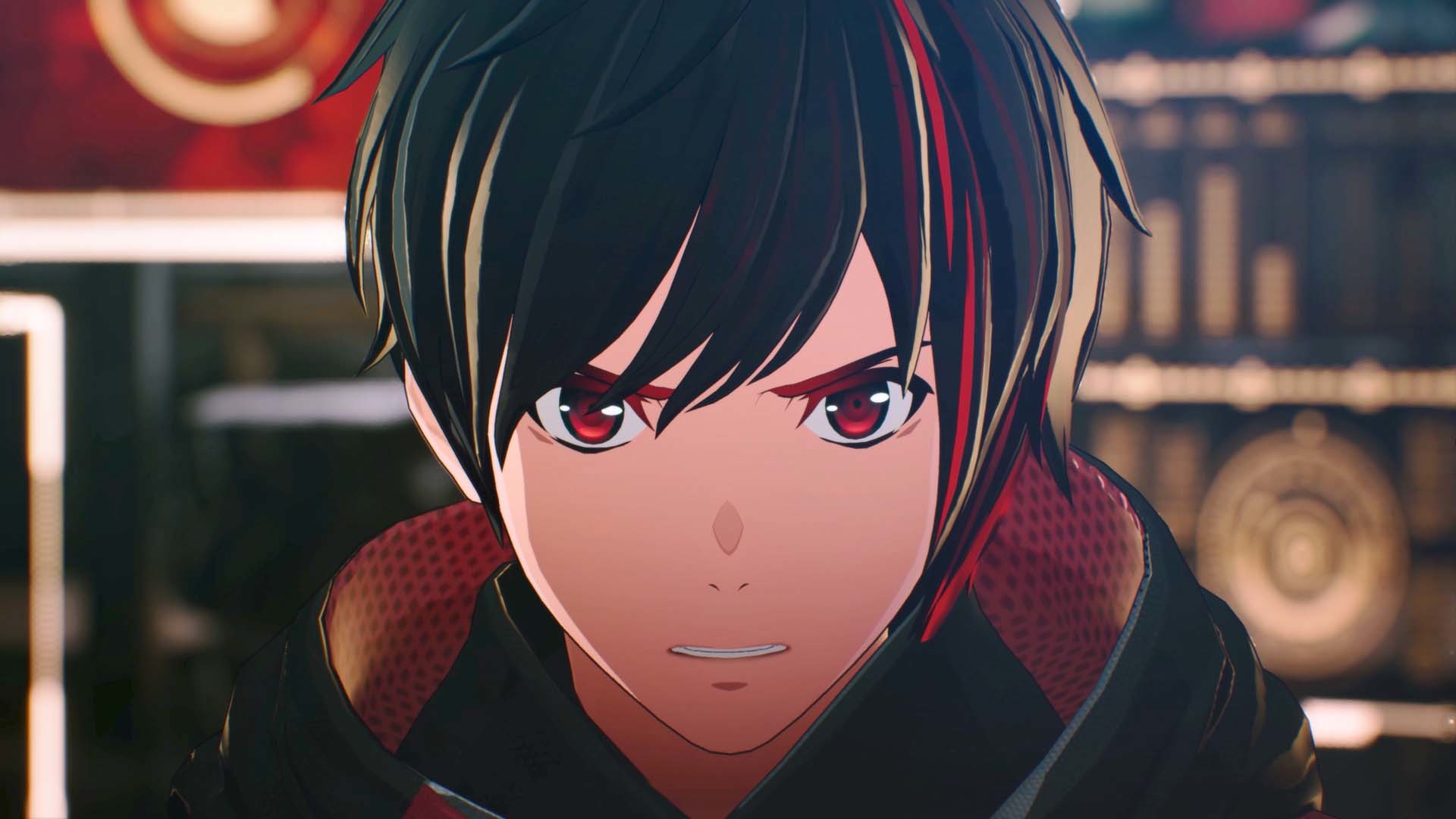
Combat is real-time and built around combining ordinary weapon strikes with psychokinesis. The protagonist can lift and throw pieces of the surroundings, using debris and other objects as part of attack strings rather than treating the battlefield as scenery. Linking a psychokinetic attack to a weapon hit creates a follow-up, while larger objects can deal more impact and help stagger an Other at a greater cost. Dodging provides the main defensive response: a well-timed perfect dodge briefly slows time and opens a counterattack. It also creates room to restore psychokinesis and use items. Different Others have attack patterns and weaknesses, which the game records in its library so the player can adjust tactics rather than relying only on repeated strikes. Enemy attacks can inflict status ailments, and plug-in equipment can provide resistance. The central layer is SAS, the Struggle Arms System, which temporarily links the protagonist to an ally’s power. Borrowed abilities can exploit an enemy weakness, help avoid attacks or interact with certain environmental objects, but the connection lasts for a limited time and then recharges. Specific abilities change the encounter in different ways: invisibility allows safer exploration and support actions, hypervelocity speeds movement, teleportation improves evasion and closes distance, and duplication multiplies objects used in psychokinetic attacks. Managing those temporary powers makes party composition relevant during encounters. A companion’s ability can change how the player approaches a specific enemy or obstacle, while the protagonist’s own psychokinesis remains the foundation for turning nearby materials into attacks.
Character development connects the Brain Map with relationships and equipment. Experience earned through the campaign opens combat options on the protagonist’s ability map, while Bond Episodes, gifts and fighting together raise companions’ bond levels. Stronger bonds improve an ally’s SAS contribution and make support actions such as healing or revival more likely. Gifts from the shop’s Exchange can increase a bond further when they match a companion’s preferences; displayed presents also change that character’s area in the Hideout. Plug-ins provide another way to prepare, raising capabilities or resisting status effects, while weapons and items let the player tailor the squad to upcoming threats. These systems give the Hideout and shop a functional role in party preparation: conversations advance bonds, selected equipment changes battle readiness, and the Brain Map expands the protagonist’s options. Rather than isolating character development from combat, the game ties relationships to support behaviour and combines personal progression with practical loadout decisions. Bond levels rise through six stages, and conversations evolve with that growing familiarity. Brain Talk lets psychic users communicate across distance, while Brain Messages in the Library give companions a place to express thoughts outside squad conversations. The Brain Field adds a separate high-risk battle mode, creating a space where the protagonist’s abilities reach their maximum effectiveness while sustained use places considerable strain on them. Each lead also has distinct Bond Episodes with companions, so a second route changes the story perspective and opens additional personal scenes with companions. Those scenes provide another view of how relationships develop through the campaign.
The presentation pairs anime-styled characters and expressive portraits with grounded backgrounds and sharply differentiated Others. Conversations and story scenes use illustrated panels alongside animated character presentation, while battlefield movement and attacks unfold in three-dimensional spaces. Music, effects and voice performances carry the action and squad exchanges; on PlayStation 5, haptic feedback and adaptive-trigger resistance respond to psychokinetic actions. SCARLET NEXUS is a single-player action RPG whose standard base game contains both Yuito and Kasane routes and the core OSF combat, exploration, bonding and progression systems. Separate DLC packs add Bond Episodes, costumes, weapons, SAS variations and a Karen Travers episode; the Ultimate Edition bundles the Season Pass, digital artbook and soundtrack. These are additions beyond the base campaign. The game released for PlayStation 4 and 5, Xbox One and Series X|S, and PC through Steam, with some platform features and bundle contents varying by release.
- Developer
- Bandai Namco Studios Inc.
- Genre
- Single-player action RPG