
About Salt and Sanctuary
Salt and Sanctuary is a side-scrolling action RPG about a sailor shipwrecked on a hostile, supernatural island. The survivor explores connected regions, fights dangerous creatures, and seeks refuge at sanctuaries. Weapons, armor weight, magic, a branching skill tree, and creed-linked services shape how the character develops and approaches the island’s many threats.
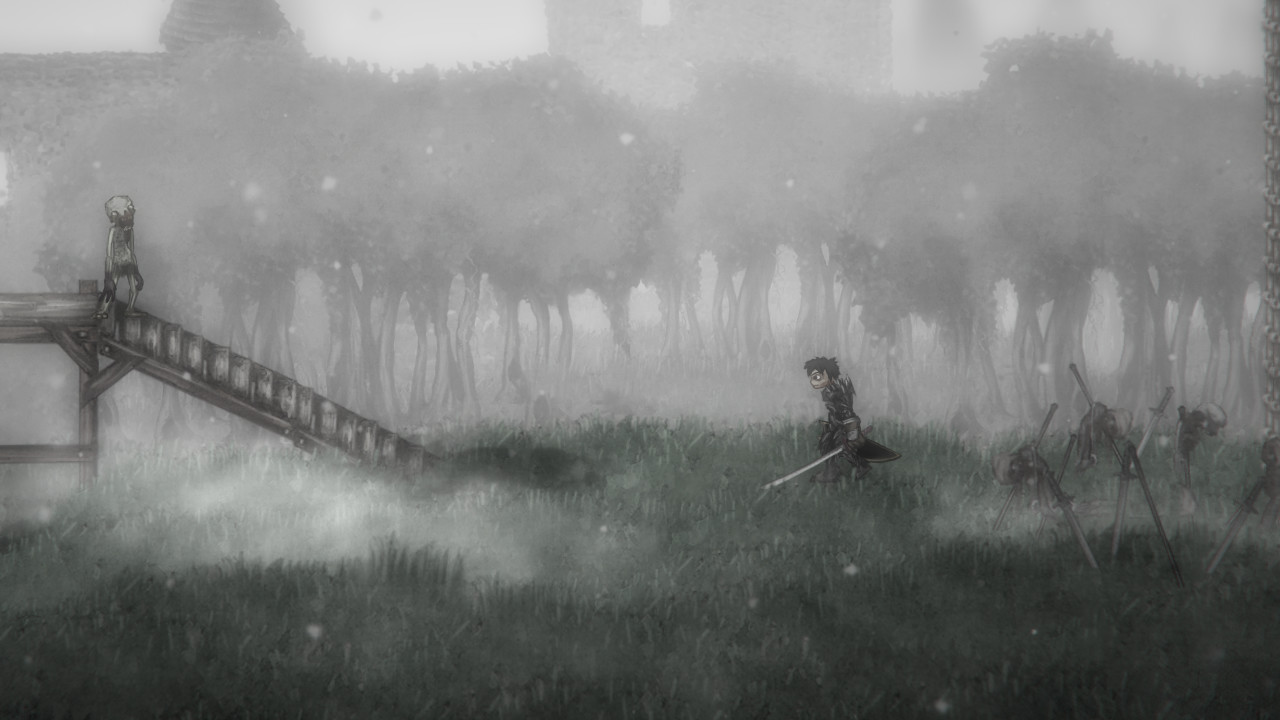
The game opens with a sailor stranded on an uncharted island after a shipwreck. Its valleys, ruins, dungeons, and desecrated monuments form a hostile landscape shaped by a long-running conflict and supernatural forces. The story is conveyed through encounters, environmental details, and the places the sailor passes through rather than a constant stream of exposition. Sanctuaries provide rare places of safety, where travelers gather under different creeds and can restore themselves before returning to the island. The central task is to survive, learn how the regions connect, and confront the powerful beings that rule or inhabit them. The hand-drawn 2D presentation keeps the world side-on, but environments include layered platforms, ladders, narrow passages, and hidden routes that make vertical movement and careful observation part of exploration.
Combat is built around deliberate attacks, evasion, stamina management, and equipment choices. Weapons have distinct movesets, and many can be wielded one-handed with a shield or ranged offhand weapon, or held in both hands for a different balance of offense and defense. Spears, swords, great weapons, whips, bows, crossbows, and firearms offer different reach and timing. Armor and carried equipment contribute to load weight, which affects movement, rolling speed, and stamina recovery. That trade-off makes the inventory more than a set of attack and defense numbers: a heavier load can provide protection while limiting how quickly the character can evade and recover. Spells, prayers, and consumables give additional ways to respond to enemies, while the stamina and focus systems constrain repeated attacks or magic. Learning an enemy’s range and choosing when to commit, block, roll, or create space is central to each fight.
The island is a connected world of regions rather than a sequence of isolated levels. Routes branch through settlements, forests, caverns, fortifications, and other dangerous spaces, with bosses and environmental obstacles marking important transitions. New movement options and key items can make earlier paths newly accessible, while shortcuts reduce the distance between familiar places. Signs, objects, and messages found along the way can hint at hazards or alternate routes, though the game leaves much of the island’s history for the player to infer. Defeating enemies provides salt, the principal resource used for character advancement, and equipment or crafting materials may also be found or dropped. Death carries a cost: returning to the place of defeat is part of recovering lost resources, so a dangerous route has consequences beyond the immediate fight. Sanctuaries act as checkpoints where the character can recover and prepare before venturing out again.
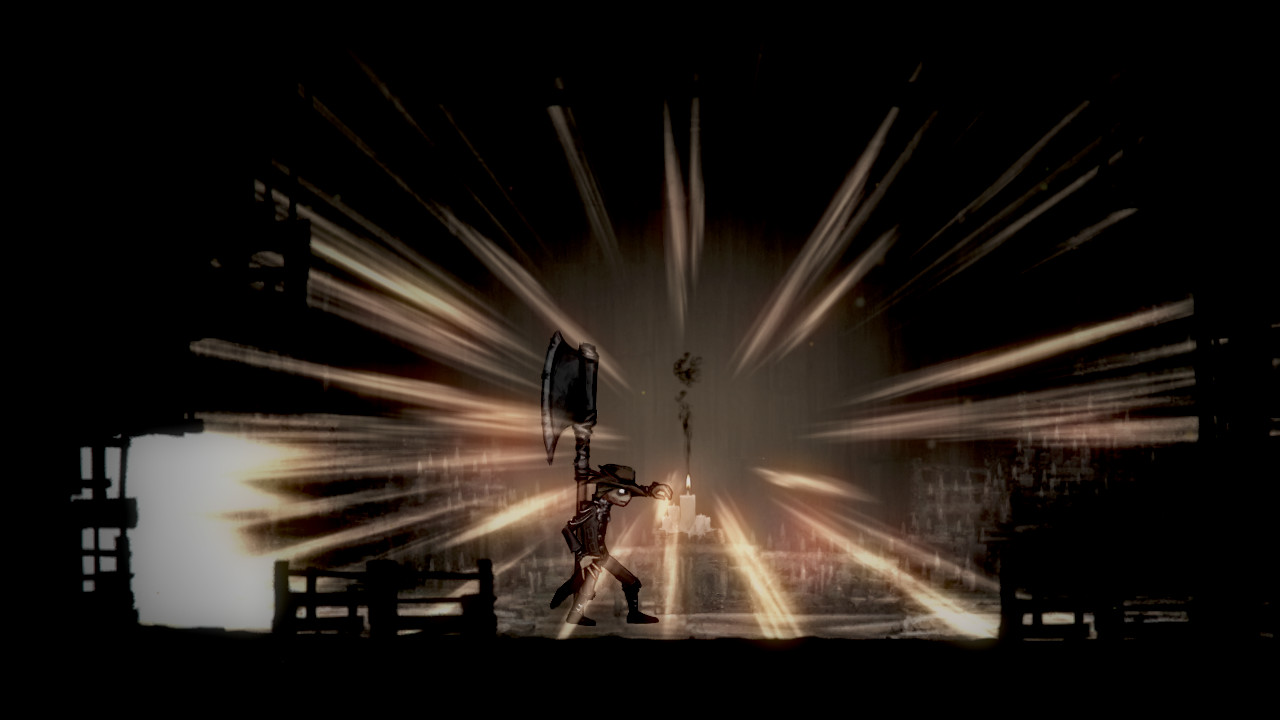
Character growth is shaped by a branching skill tree. Salt accumulated from defeating enemies can be spent to gain levels and earn Black Pearls, which are then placed into nodes that improve attributes or unlock access to weapon, armor, magic, and other skill ranks. The tree allows several directions of development, supporting characters focused on strength, agility, endurance, or magic, with equipment classes requiring investment in their associated skills. The resulting build is a combination of unlocked proficiencies, equipped gear, and the player’s preferred pace of combat. A weapon that demands a higher skill rank may become a later goal, while a shield or armor choice can support a more defensive approach. Progression therefore involves planning which branches to reach, deciding when to improve a current specialty, and finding the resources needed to make a new piece of equipment practical.
Creeds and sanctuaries connect world exploration to services and supplies. A creed is a religious faction the sailor can join, and an empty sanctuary can be claimed for the current creed. At a sanctuary, the player can rest, save, level up, and replenish certain supplies. Stone offerings found during exploration can summon villagers such as merchants, blacksmiths, clerics, or guides to a sanctuary, adding services there. Which offerings are available depends on the sanctuary and creed relationship, so placing a villager is a decision about where to establish useful support. Creeds can also receive devotion through items turned in to a leader, unlocking additional rewards. Since the island may place the player far from a preferred service, sanctuary placement and travel routes influence preparation. The system makes safe places part of the character’s developing network across the island, not merely points where progress is recorded.
Magic and ranged tools create alternatives to close combat, but they fit into the same resource and equipment decisions. Staves support spellcasting, prayers provide restorative or protective effects, and ranged weapons let the player attack from a distance. Focus is consumed when using magic, while stamina governs actions such as attacking, blocking, and evading; using both carelessly can leave the character exposed. Consumables occupy limited slots and can add temporary damage effects or provide a response to poison and other hazards. The skill tree can unlock restorative supplies and capabilities, while sanctuary services allow equipment and spell choices to be adjusted between expeditions. These systems work together with the island’s layout: a ranged attack may help against an enemy above or beyond a narrow ledge, but a route still demands platforming, and an armored build may need a different response to fast-moving threats than a lighter one.
- Developer
- Ska Studios
- Genre
- 2D side-scrolling action role-playing game