
About RUINER
RUINER is a single-player action shooter set in Rengkok, a corporate-controlled cyber metropolis in 2091. You control an unnamed, wired fighter sent to kill HEAVEN’s boss and recover his kidnapped brother, with help from a mysterious hacker. Dash through hostile arenas, take weapons from fallen enemies, and shape combat with unlockable abilities.
RUINER is set in 2091 and follows an unnamed, cybernetically wired fighter who is manipulated into attacking the head of HEAVEN, the dominant virtuality corporation in Rengkok. The order is tied to the kidnapping of his brother; a secretive hacker intervenes and helps him take control of the search. The player controls this fighter throughout the action, not the hacker or the missing brother. Their connection frames a personal rescue story inside a city where corporations, gangs, and hired security all have reasons to keep the existing order intact. The plot moves through confrontations and encounters without making the protagonist a named hero with a separate identity from the player’s combat role.
Rengkok is a dense cyberpunk metropolis whose bright surfaces conceal a system organized around corporate work and virtual experience. Firms fund much of city employment and provide citizen-management systems that influence its economy. Virtual worlds sell sensations and escape, while real people perform the labor that sustains them. This conflict gives the corporate target a reach beyond one executive: its security, facilities, and surrounding power structures shape the streets and industrial complexes the fighter crosses. The city’s back alleys and high-technology environments share the same underlying pressure, as survival depends on navigating places controlled by organizations with more resources than an individual attacker.
The story sends the fighter through combat zones and returns him at intervals to parts of Rengkok where he can speak with residents. Those conversations expand the picture of local life and can open optional tasks alongside the main rescue. Some requests are unusual or deliberately small in scale, giving the city a social layer between its larger assaults. Levels also contain side paths, rooms, and chests that can hold Karma or coins used for progression or side objectives. Moving beyond the most direct route can therefore yield material advantages as well as extra context. The structure alternates between a populated hub and tightly focused encounters, so the narrative’s conversations and the action’s waves of enemies occupy different rhythms.
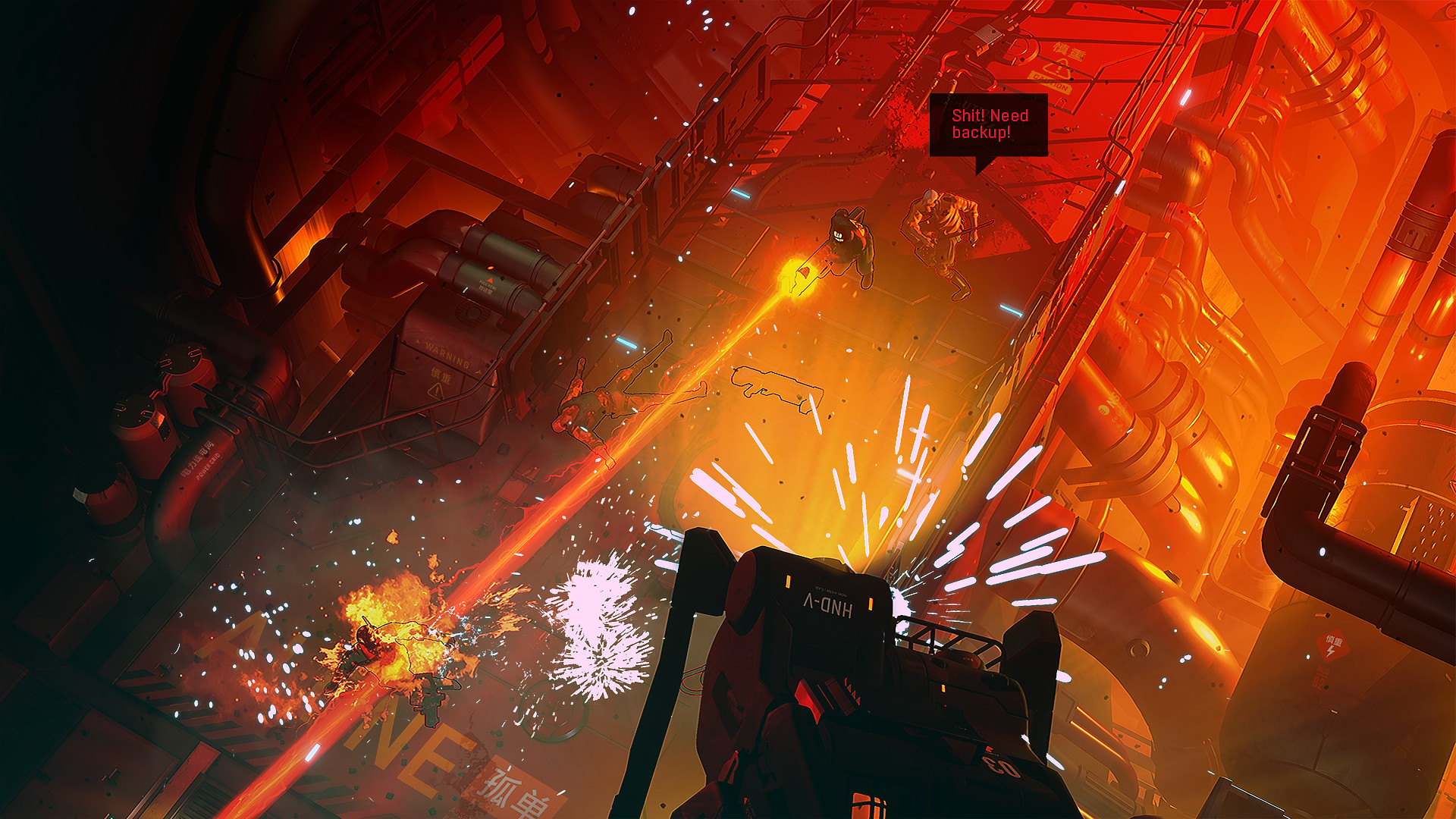
Movement is the core of RUINER’s combat. Dash quickly relocates the fighter, letting him evade an attack, cross an arena, or strike toward a selected enemy. It can be planned in a sequence, which supports a rapid approach followed by a retreat or a route between several targets. An energy shield offers a different defensive tool: it can block or deflect incoming projectiles, and combining it with a dash turns movement into a damaging ram. These abilities reward active positioning. Staying in one place leaves the fighter exposed to groups that can surround him, while constant movement creates opportunities to break a line, close on a ranged opponent, or get clear of an incoming threat.
The fighter starts with a basic Ruiner firearm and a metal pipe, then gathers temporary guns and melee weapons from defeated opponents or supply drops. The arsenal ranges from pistols and shotguns to energy and area-effect weapons, while close-combat options include blades and heavier tools. Most picked-up weapons have limited ammunition or durability, so they change the immediate rhythm of a fight rather than serving as permanent equipment. The basic gun and melee weapon can be developed over time, and the latter can be replaced. Switching between a found gun and close-range attacks lets the player react to the enemies in a particular arena and to how long the current weapon can remain useful.
Abilities broaden the available tactics and can be rearranged as the campaign advances. The skill set includes offensive tools such as grenades and Overload, defensive options such as Energy Shield and Kinetic Barrier, and control abilities such as Ghost Break, which turns an enemy against the others. Reflex Booster slows the action around the fighter, creating time to choose an attack or reposition. These abilities draw on energy and have different effects, so their value depends on how they are combined with weapons and movement. Karma earned or found during the campaign funds skill progression, and the game allows points to be moved between abilities. This makes experimentation part of the system: a player can change the toolkit to emphasize mobility, crowd control, defense, or direct damage. Supply Drop adds a placement decision: its drone brings a weapon to the selected point and can hurt nearby foes on arrival.
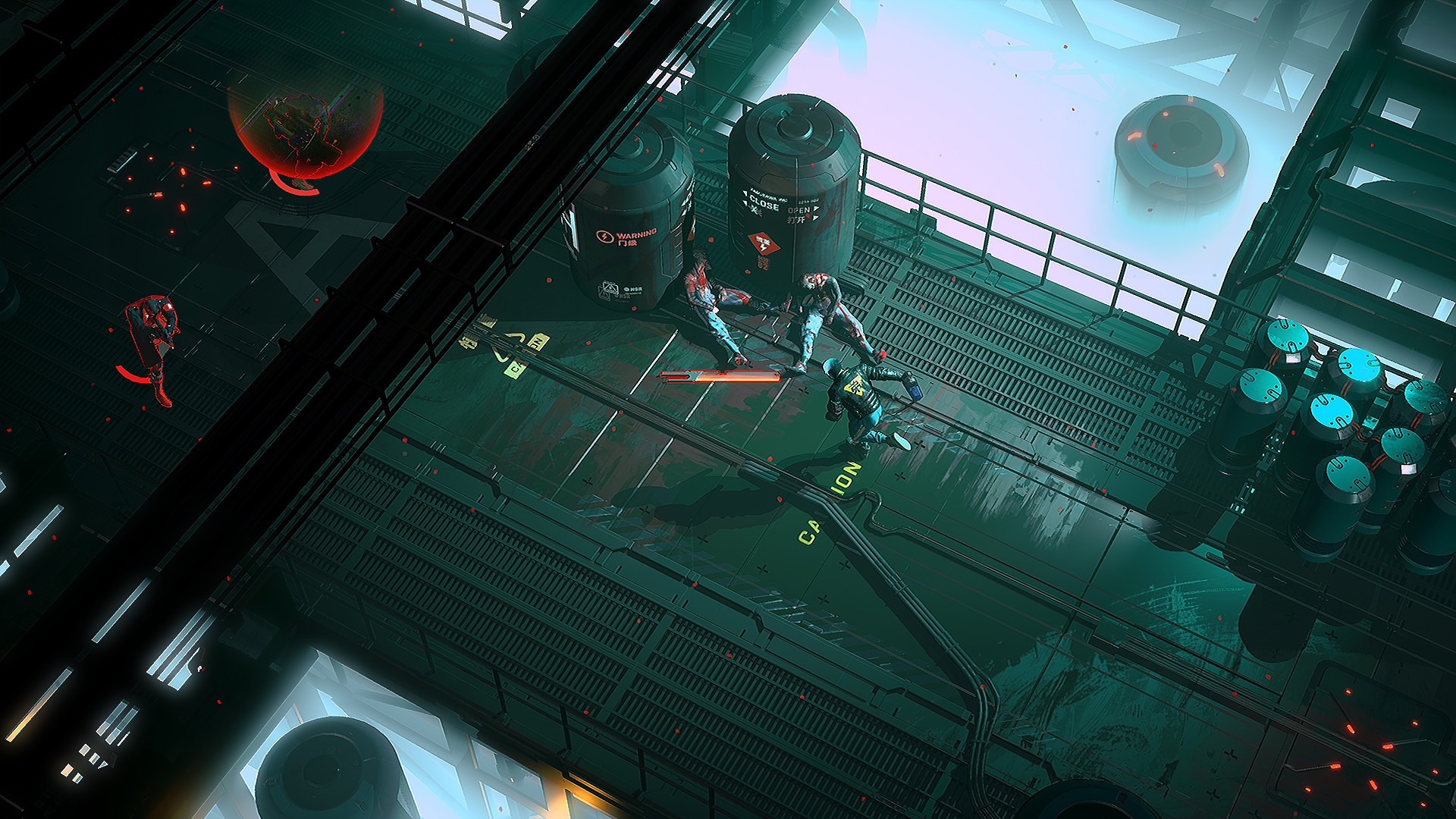
Enemy groups grow more varied as the fighter becomes a threat to the organizations ruling Rengkok. HEAVEN security brings trained, partly synthetic guards into the conflict, while gangs and hired forces introduce different weapons and approaches; later encounters include enemies that dash, teleport, or attack with heavier firearms. Boss fights sit among these arena battles and test how the player combines movement, weapon timing, and abilities. The campaign remains a single-player action story, with no party of controllable characters or co-op role to manage. Its progression is personal and tactical: learn a new hostile pattern, collect resources from the spaces around it, and refine the fighter’s abilities for the next confrontation.
- Developer
- Reikon Games
- Genre
- Action shooter