
About Road 96
In 1996, a series of teenagers try to cross the border out of Petria, an authoritarian country approaching election day. Travel episodes bring hitchhiking, resource choices, conversations and brief challenges together, while recurring characters reveal connected stories. Each teen’s journey contributes to a larger account of the country and its people.
Road 96 is set in Petria in the summer of 1996, where teenagers are trying to leave the country by reaching its guarded border. You play a succession of unnamed young people, each beginning a separate attempt to get north toward Road 96 and a possible way out. Their journeys take place against an approaching national election and an authoritarian government, but the player sees the country at ground level: roadside businesses, small towns, open stretches of highway and conversations with people who live under its rules. The framing gives the game a clear destination while letting the characters’ immediate needs interrupt the trip. A teen may be trying to keep moving, find a safer place to sleep, or decide whether to trust the next person offering help.
A journey is assembled from short travel episodes in different locations, including truck stops, trailer parks, roadsides and vehicles. In each stop, the player can look around, inspect useful objects, speak with whoever is present and complete the local situation before choosing how to continue. Travel can mean walking, taking a bus, calling a taxi or accepting a ride, and the available options depend on what a teen can afford and what is happening nearby. The sequence of encounters can vary between attempts, while recurring characters and the election provide a larger story thread. The game therefore revisits Petria through different legs of the trip rather than following one fixed protagonist through a single uninterrupted road. A route may bring familiar faces into a new situation, or put the teen among people whose part in the national story is not yet clear.
Cash and energy are practical limits on how long a teen can stay on the road. Money can pay for food or transport and can open options such as paying a driver or persuading someone to help; scavenging and small jobs can provide funds when a stop offers them. Resting or finding food restores energy, while actions and travel draw on it. A teen who runs out of energy can collapse and be arrested, ending that attempt, so the player has to weigh whether to spend money on a faster ride, save it for later, or take a slower option that leaves room to recover. Different teens begin with different amounts of money, energy and distance already covered, making the first choices of a run depend on the selected starting situation. These resources make ordinary roadside decisions part of the escape plan rather than decorative side activities.
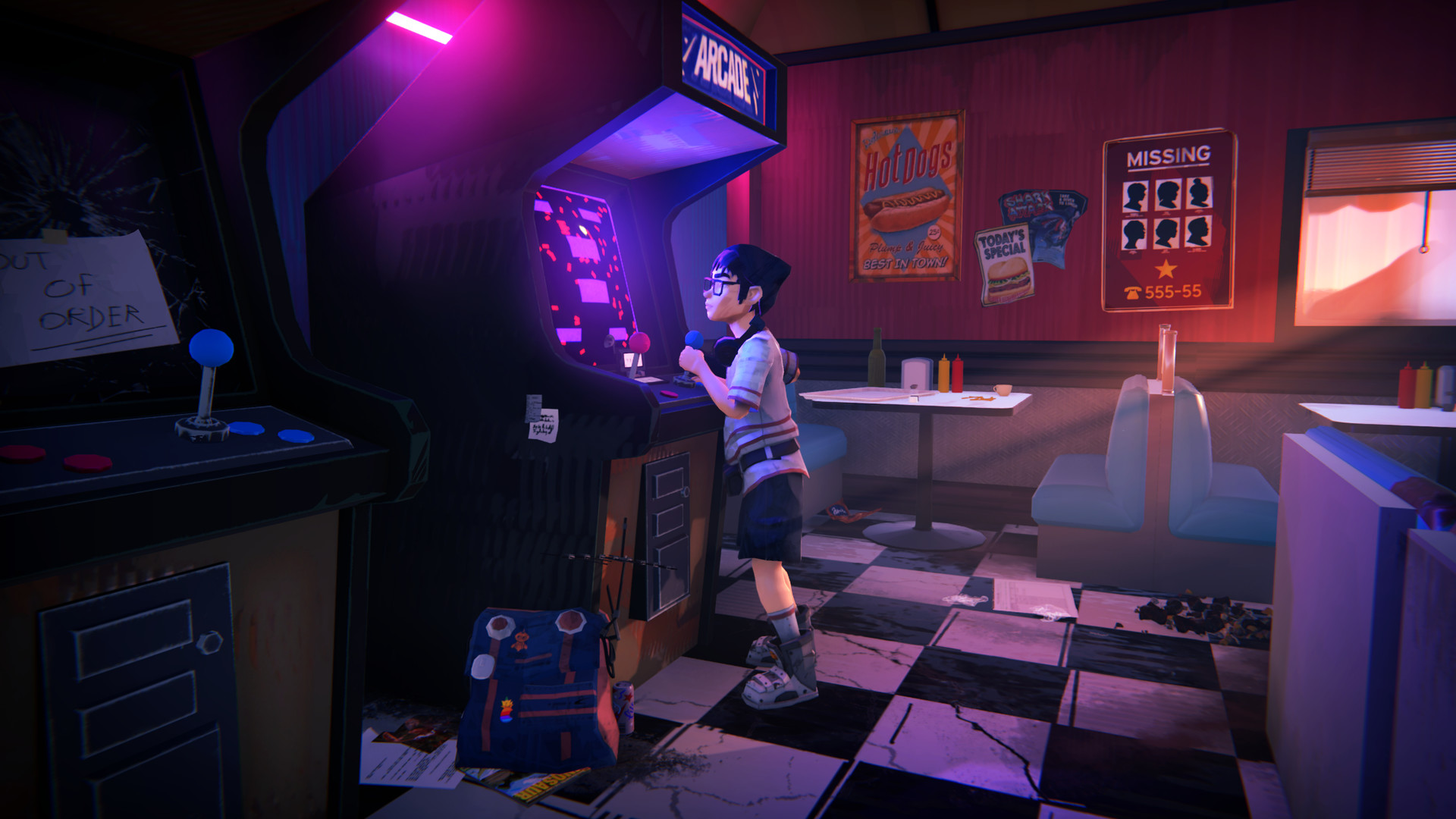
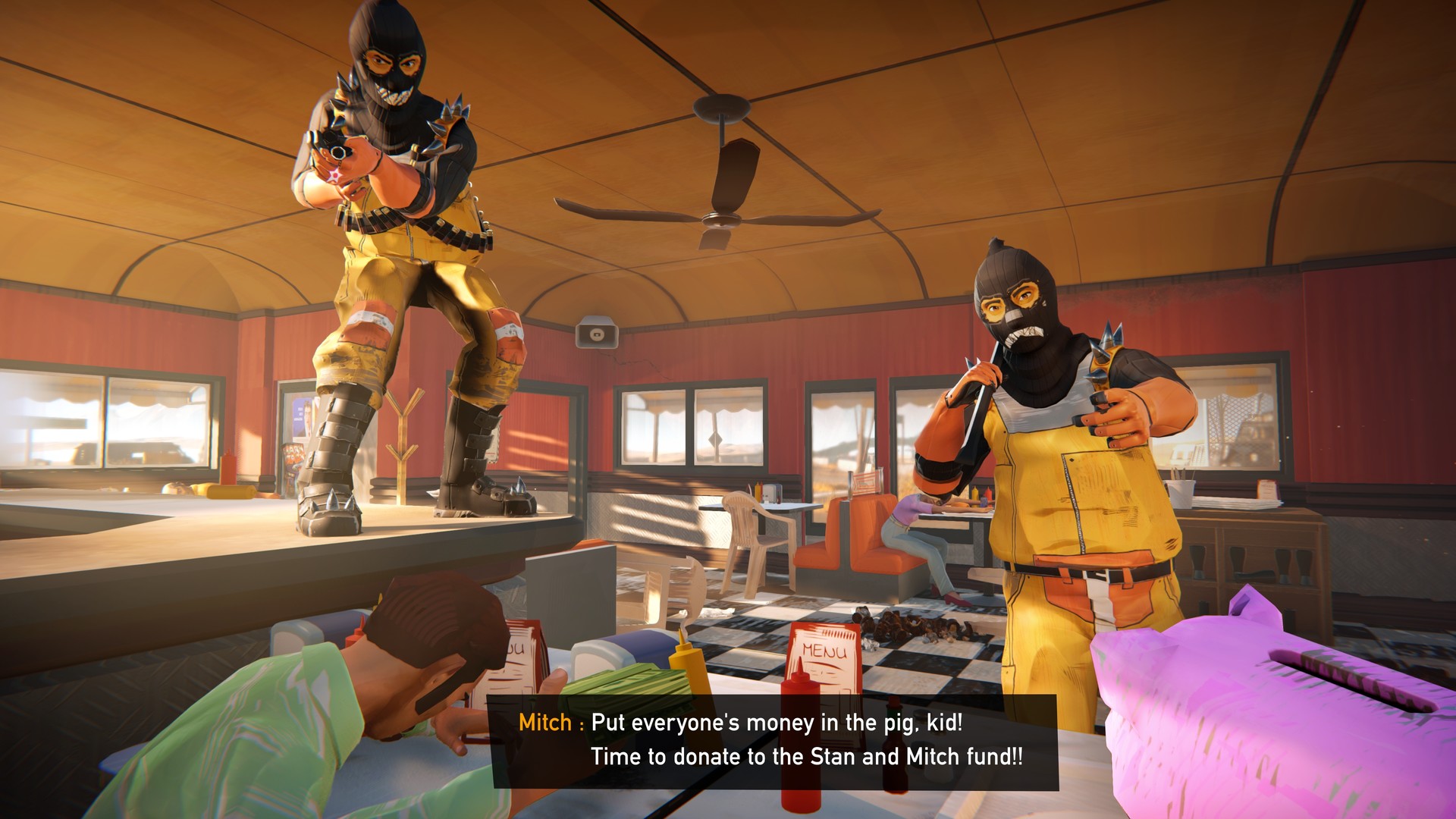
The encounters tie the separate journeys together through a recurring group of Petria’s residents. Zoe is another teenager on the road; Alex is a young programmer carrying a homemade computer; John is a truck driver associated with the resistance; and Sonya is a television reporter who enjoys access to the ruling order. Police officer Fanny, cab driver Jarod, and the brothers Stan and Mitch also appear across different stops. Each meeting gives only one view of the wider country, but the characters’ problems and loyalties overlap even when the current teen is not present. Conversations let the player respond to them, ask questions or take part in a scene’s small task. Those exchanges can change how an encounter develops, and they gradually connect personal stories to the election and to an earlier event that continues to shape Petria.
A stop may include a brief playable challenge as well as dialogue. The player might search a room, solve a simple environmental puzzle, play a short arcade-style diversion or react during a dangerous sequence. Certain character encounters can also unlock abilities that help in later situations, such as a skill for dealing with a lock; those options matter only when a relevant opportunity appears. The game does not let the player select every encounter in advance, so a useful ability can change what is possible when a related scene turns up. Finding objects, deciding whether to help someone and choosing a way onward all fit into the same short episode. This gives each stop its own rhythm: talk and observation in one place, a resource decision or practical task in another, then a return to the road with whatever the teen has managed to keep or learn.
The political story builds around an approaching national election and the competing responses to life under Petria’s regime. Conversations present people with different views about resistance, voting and leaving, while actions during a teen’s trip can influence the larger situation. The game follows the consequences across multiple characters’ journeys, so an individual teen is one thread in a broader account rather than the sole hero who controls every event. Interludes from Sonya’s broadcast provide updates on recent developments and the state of the campaign, connecting separate road episodes to the same approaching date. Music and found cassette tapes add another layer to the travel scenes: the soundtrack accompanies quiet rides, tense encounters and periods of waiting, while tapes can be collected and played when a vehicle or suitable equipment is available. The road remains the immediate challenge, but the destination is tied to the future Petria is moving toward.
- Developer
- Digixart
- Genre
- Action-adventure