
About Resident Evil Requiem
FBI analyst Grace Ashcroft investigates deaths linked to a mysterious disease, while Leon S. Kennedy follows a related case in the Midwest. Their paths return to Raccoon City, where survival horror, investigation, puzzles and combat meet two contrasting approaches to danger.
Resident Evil Requiem places FBI analyst Grace Ashcroft and DSO officer Leon S. Kennedy in a new investigation tied to the history of Raccoon City. Grace is sent to the abandoned Wrenwood Hotel, where her mother was murdered, to look into deaths connected with a mysterious disease. Leon follows a related string of deaths in the Midwest. Their routes bring the game back to the ruined city at the centre of the series’ past, but the story is framed through two people with different relationships to danger and to the outbreak’s legacy. Grace is an analyst whose focus is observation and deduction; Leon is an experienced officer who has survived the original Raccoon City incident and many later biohazard crises. The premise joins a personal mystery to a much wider history without requiring the opening investigation to explain every connection at once.
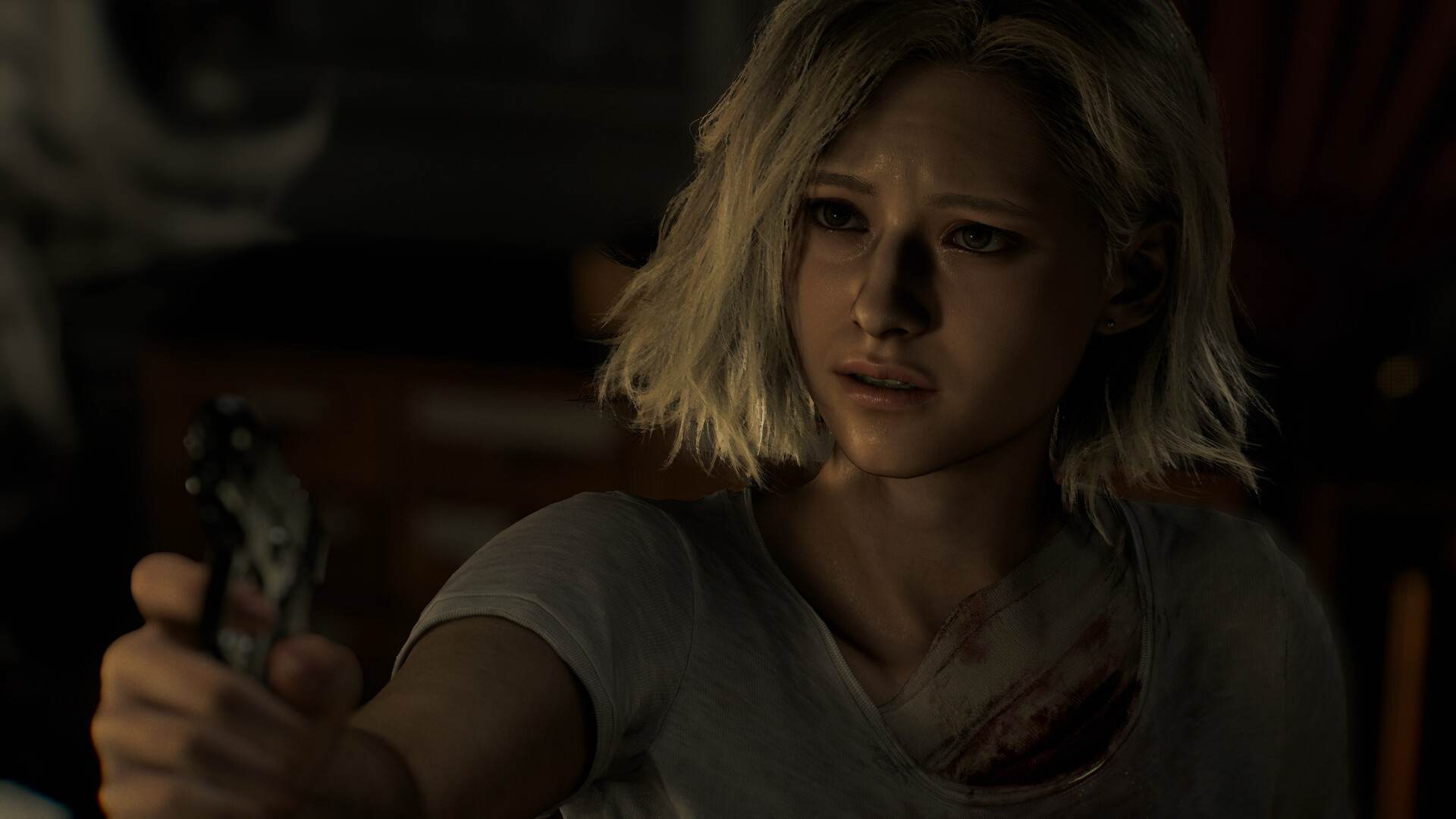
The dual-protagonist structure also gives Requiem two distinct rhythms. Grace’s chapters lean toward survival horror: she has limited supplies, must decide when an enemy can be avoided, and searches rooms for clues, routes and useful objects. Combat is possible, but her vulnerability makes each encounter a question of whether ammunition and health are worth spending. The investigation is built from looking closely at spaces and objects, piecing together what happened, and working out how to move through dangerous buildings. Locked doors and blocked routes turn exploration into a practical puzzle: the next safe passage may depend on finding an item or understanding how a location connects. This approach puts pressure on movement and preparation, so a corridor can matter as much for its exits and hiding places as for the threat occupying it.
Grace can collect infected blood and use it to craft items, ammunition and injectors. That system ties combat decisions to exploration: an enemy is a threat that can also provide material, while approaching it carries risk. Her limited carrying capacity makes the choice of what to keep part of the challenge. A healing item, ammunition and a crafting resource each have a cost in space as well as an eventual use. The game’s resource loop therefore asks players to judge the next stretch of danger rather than simply gather everything available. Analysis can also help decide whether to fight or flee. These mechanics support a slower, more cautious side of the campaign, where survival depends on reading a situation and choosing what can be safely left behind.
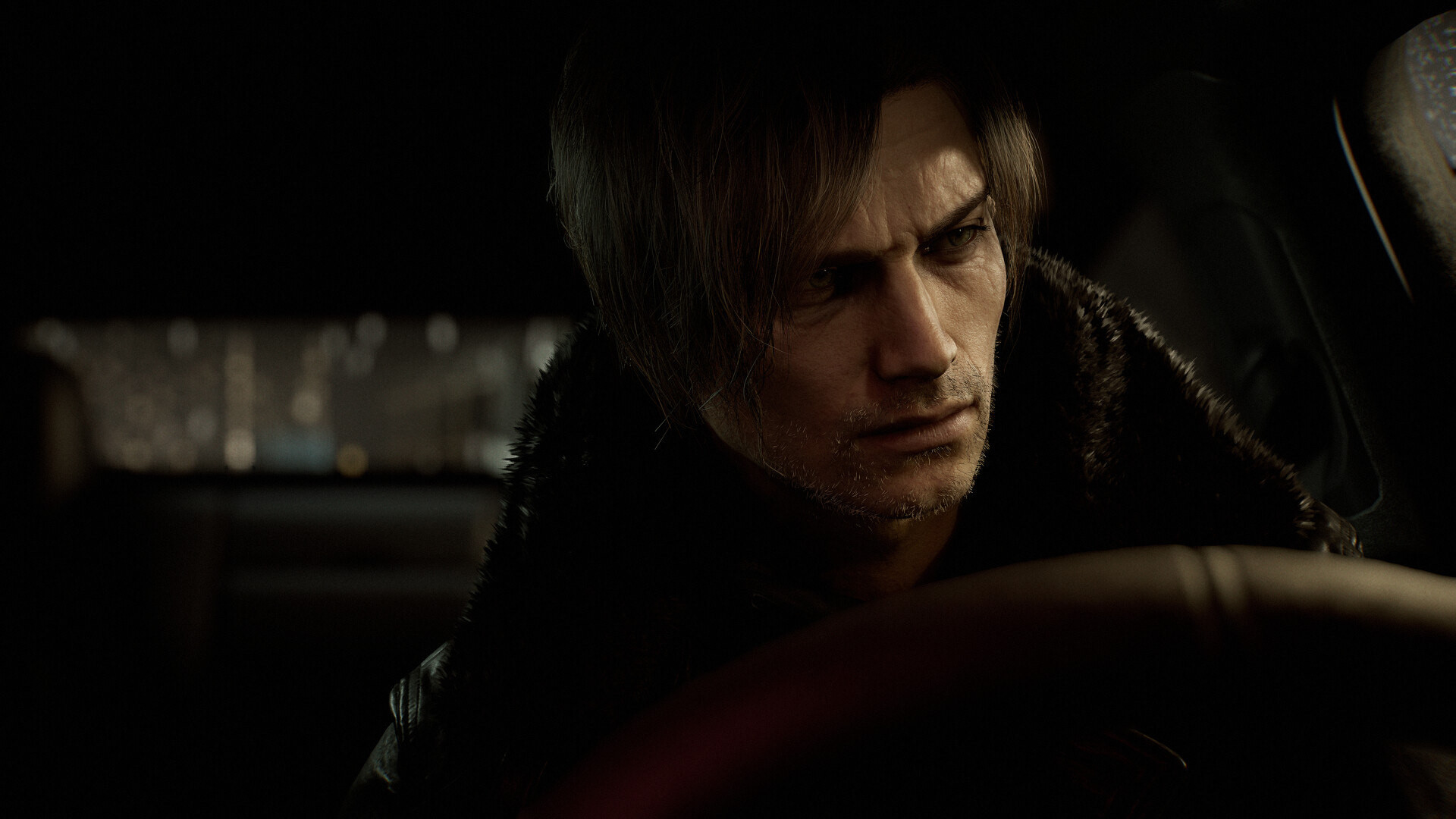
Leon’s sections shift the emphasis toward direct combat. He carries a broader selection of firearms and a hatchet that can be used for melee attacks and well-timed parries. Enemies can be staggered, and their weapons may become tools in the encounter; this makes positioning and timing important even when Leon has more options for fighting back. His arsenal can be upgraded with customizable parts, while ammunition and recovery items are arranged in an attaché case. Managing that case gives weapon choice a spatial dimension: deciding what to carry affects how prepared he is for the next fight. The contrast is not simply that one protagonist has weapons and the other does not. Both face infected enemies, but Leon’s experience and equipment make crowd control and aggressive responses a larger part of his play, while Grace’s sections emphasize careful use of scarce supplies.
The game lets players switch between first-person and third-person perspectives during play, including for both characters. That flexibility changes how the same scene is viewed: first-person brings the surroundings close, while third-person keeps the protagonist visible within the space. It is a presentation choice that can be adjusted to personal preference, rather than a division in which each hero is locked to a different camera. The common setting and changing viewpoint give the campaign a consistent way to present its environments even as its two leads approach danger differently. Exploration, combat, investigation and puzzle-solving remain central across the experience, and the perspectives let players choose how they want to read those encounters. The camera option is especially notable in a series whose entries have used different viewpoints to shape their sense of proximity and control.
Raccoon City gives the story a location with history as well as immediate danger. The city was devastated by a government sterilization operation after the outbreak, and Requiem presents its remains as a place the series has returned to repeatedly in memory. Grace’s investigation reaches into the truth behind the Raccoon City Incident, while Leon’s past as one of its survivors gives his role a different weight. The game’s public premise signals that the catastrophe affected more than the people present during the original crisis: its consequences continue to shape later lives and investigations. Requiem’s title and framing point toward remembrance, but its central activity remains survival in the present, as the two officers move through dangerous locations, manage threats and follow evidence. The return to Raccoon City sets those immediate choices against a catastrophe whose consequences have never fully disappeared.
- Developer
- CAPCOM Co., Ltd.
- Genre
- Survival horror; action