
About Phasmophobia
Phasmophobia sends paranormal investigators into haunted locations to determine which ghost is present and collect evidence before the investigation becomes dangerous. Search for signs of activity, use specialised equipment to test possible clues, and keep track of each finding in the Journal. Work together online, or investigate alone, while balancing curiosity against the risk of a hunt.
Phasmophobia is a psychological horror investigation game from Kinetic Games. The player takes the role of a paranormal investigator, entering a location where a ghost is active and trying to identify it from evidence and behaviour. Contracts can be tackled alone or with an online team of up to four players, and the game also supports virtual reality. Rather than fighting the haunting, investigators carry tools for observing, recording and provoking responses. The mystery is specific to each contract: the team must work out what kind of ghost it is, gather enough supporting clues and leave the site alive to complete the job.
A contract begins from a staging area where players choose equipment, inspect the available information and decide who will carry what into the investigation. Once inside, the first task is to locate the rooms and spaces where activity is occurring. Temperature readings, electromagnetic measurements, sounds, moved objects and other changes can help narrow the search. Teammates can divide rooms or bring different tools to the same area, then share what they have seen. The van remains a useful reference point: players can check cameras and motion sensors from relative safety, while others move through the building to collect clues directly.
Ghost-hunting equipment gives the team ways to test different kinds of paranormal evidence. An EMF reader can register activity around interactions, a thermometer can help compare room temperatures, and a video camera can reveal visual clues when watched through its night vision. Other tools are used to detect ultraviolet traces, communicate through a Spirit Box, or see whether a ghost responds to written prompts or projected light patterns. No single instrument identifies every haunting. Investigators use the Journal to record evidence and compare the combination with possible ghost types, narrowing the list as observations accumulate. Equipment comes in upgrade tiers, which change how particular tools function without removing the need to interpret the results.
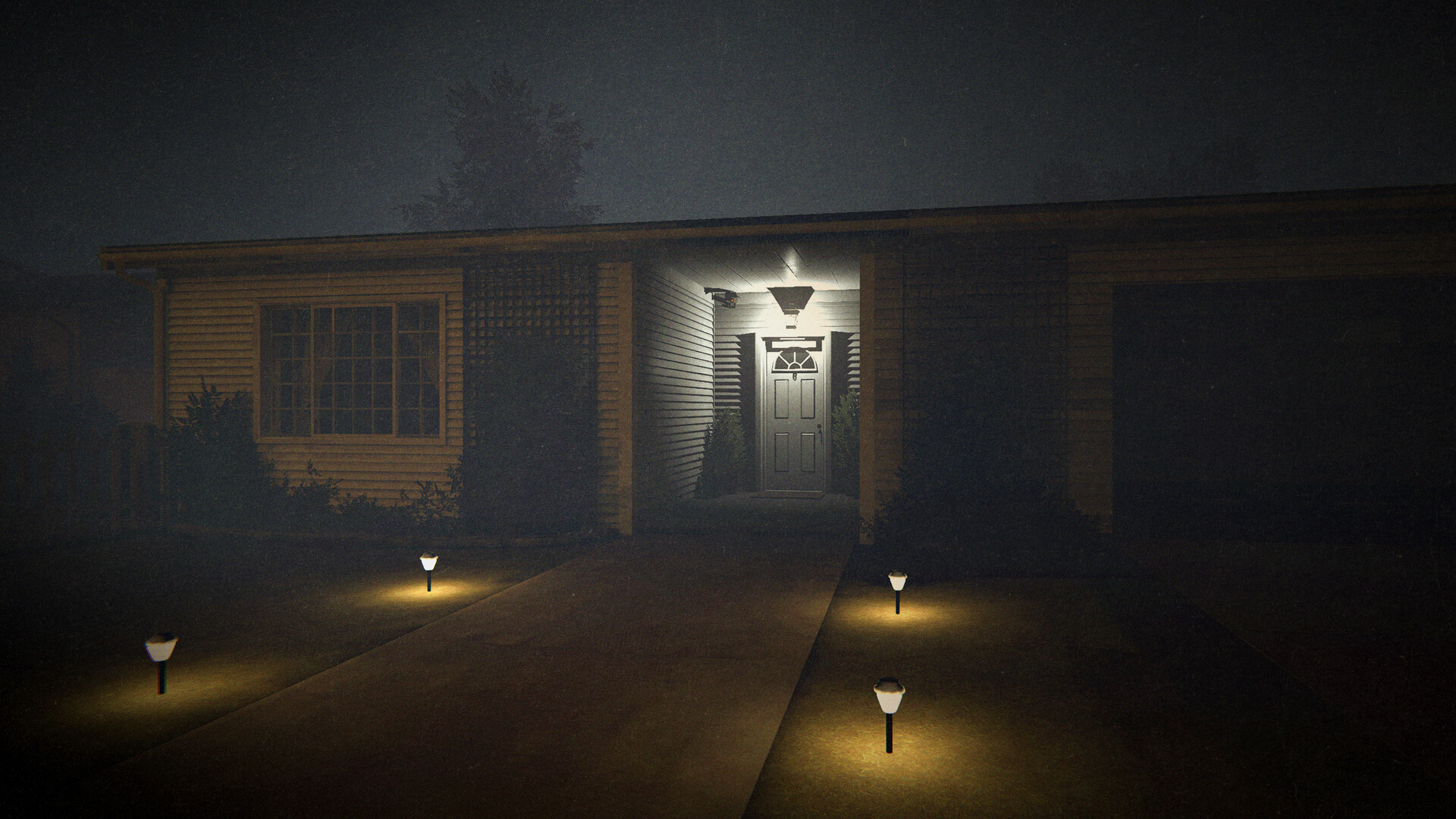
The ghost is an active presence in the location, not just a clue source. It may interact with doors, lights, objects and equipment, or appear during a ghost event that disrupts the investigation. These moments can look threatening without being a hunt, so players learn to read the signs and communicate clearly. During a hunt, the exits lock and the ghost searches for investigators; changes in footsteps, lights and equipment can help distinguish this danger from a brief manifestation. Voice recognition allows direct questions through equipment such as the Spirit Box or a Ouija Board, while text options offer another way to interact. Some evidence can take time to appear, so the group must decide whether to wait, change equipment placement or continue checking another part of the building.
Investigators also manage sanity, a measure that falls as the team spends time under pressure and can influence when the ghost becomes able to hunt. Keeping lights on or using fire sources can slow some of that decline, while certain objects may drain sanity in exchange for information or activity. A hunt changes the job from observation to survival: exits lock, the ghost searches for players and the group must hide, break line of sight or use appropriate defensive equipment. A Crucifix can prevent a hunt within its effective area, while Incense can create a temporary chance to escape when used at the right time. These tools have limits, and a risky decision can cost a character their life. A dead investigator can continue observing the contract, but their loss affects the team's reward and the equipment they brought.
Evidence collection has a second side in the Journal, where players document media and other findings as well as selecting the suspected ghost type. Photographs, video and sound recordings can capture activity for review, and the contract may offer additional tasks alongside identification. The team can compare observations before leaving; recent Journal features also make other players’ evidence and ghost selections visible, helping everyone coordinate their final choice. Not every objective is required to identify the ghost, so a group weighs further investigation against the danger of staying longer. The van provides a place to regroup, review monitoring equipment and decide whether the available evidence is enough to make a confident call.
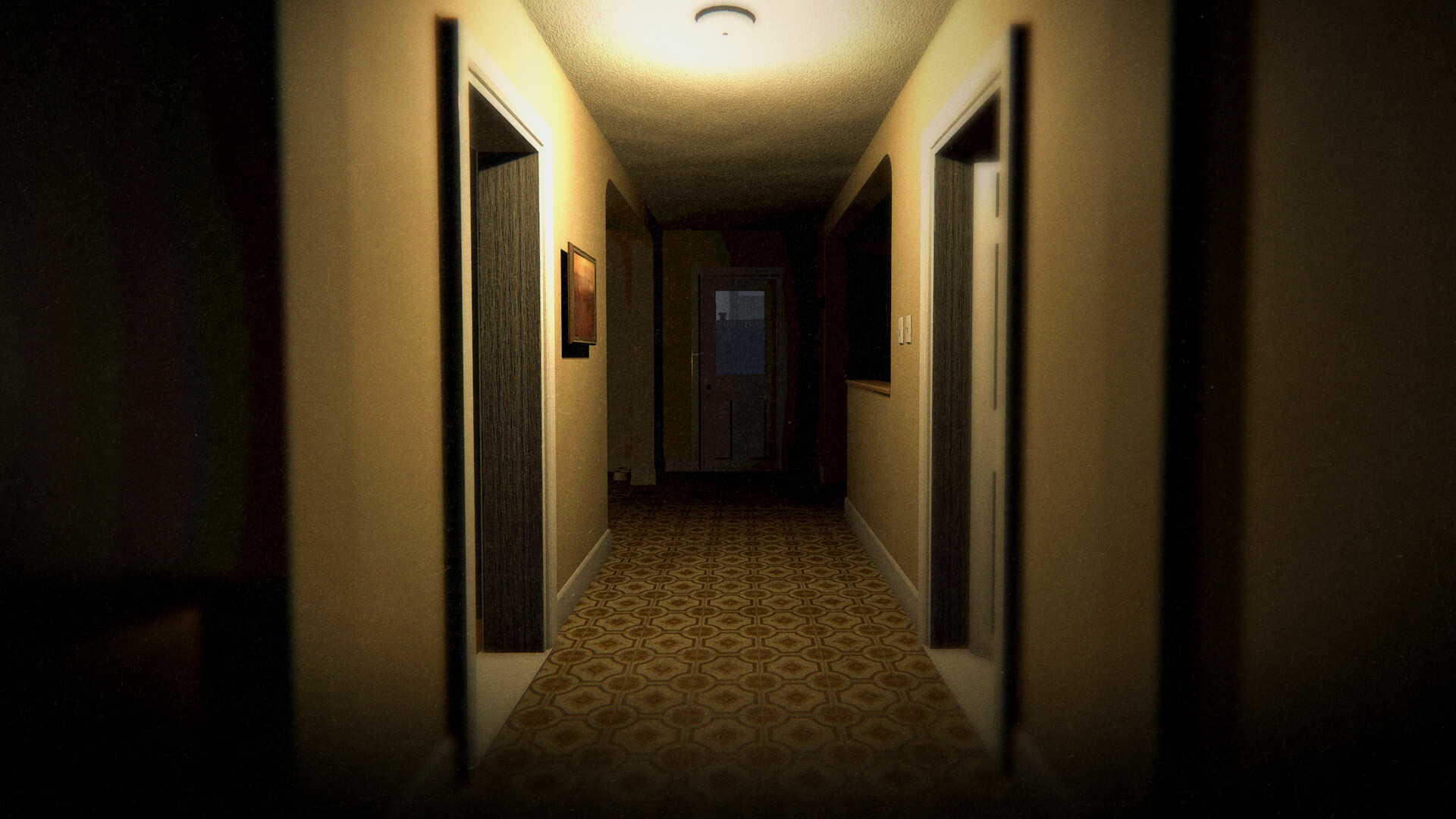
Contracts span different locations and challenge formats. Homes, public buildings and larger sites offer different layouts, distances and hiding options, changing how quickly a team can search and where it can regroup. Tools have different tiers, and players can shape a contract through difficulty and custom settings, which affect the balance between accessible evidence, risk and reward. Daily and weekly challenges provide structured variations on the usual investigation. Ghost behaviour also matters: the Journal describes possible entities, while their individual abilities and tendencies may create clues beyond the formal evidence list. These behavioural distinctions reward careful observation and discussion, especially when a team has incomplete evidence. Steam currently marks Phasmophobia as an Early Access game, and its equipment, maps and systems continue to evolve.
- Developer
- Kinetic Games
- Genre
- Four-player online co-op psychological horror; solo play and VR are also supported.