
About Pathologic 2
Pathologic 2 follows Artemy Burakh, a surgeon returning to his remote hometown as a deadly plague takes hold and his father’s death leaves him with a new medical burden. Across twelve days, investigate the town, treat the sick, bargain for supplies and decide how to spend time that is always running short.
Pathologic 2 is a first-person survival thriller set in a remote town on the steppe, where local traditions, industrial ambition and an outbreak collide. Artemy Burakh, a surgeon raised in the town, returns after receiving a troubling message from his father. The older healer is dead, the townspeople regard Artemy with suspicion, and the epidemic is already changing daily life. He must take on the work of the town’s chief medic while trying to understand what happened to his family and why the plague has arrived. This is a reimagining of the first Pathologic’s setting and material, focused on Artemy’s story rather than a straightforward continuation. Its twelve-day structure gives the crisis a defined span: each morning brings new circumstances, while the approaching end makes every delay matter.
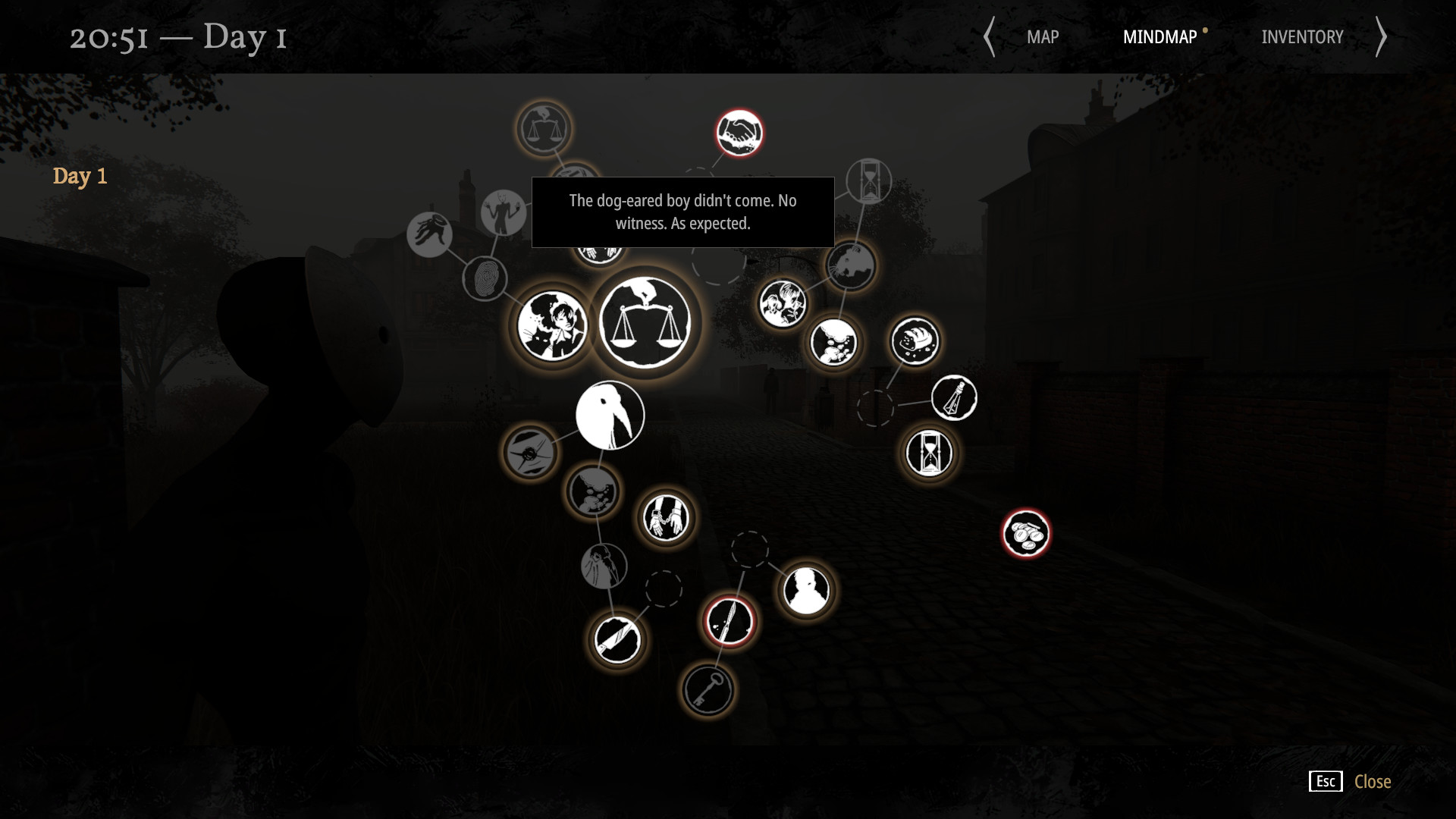
The town is the central space for investigation. Artemy walks its districts, speaks with residents and follows leads about his father, the epidemic and the unusual customs of the community. Conversations often reveal conflicting accounts instead of a clear explanation, so the player has to decide which people to revisit and which questions can wait. Clues and suspicions collect in the Thoughts screen as a shifting network of connected ideas. Some threads point toward a person or place; others remain uncertain until new information gives them context. This makes investigation an active process of connecting dialogue, events and locations. The game does not promise that every mystery will be resolved during one run, and pursuing one lead may consume time that another situation needs.
Time advances as Artemy travels and acts, and the day-night cycle shapes what can be done safely. Important conversations and events may only be available during particular windows; unresolved leads can lapse when the day ends. At midnight the town records the plague’s toll, and streets become more dangerous after dark. The result is a route-planning loop rather than a checklist that can be completed at leisure: choose a destination, account for travel, decide which supplies to carry, then judge whether another stop is worth the minutes it costs. People and problems keep moving even when Artemy is occupied elsewhere. The twelve-day deadline therefore affects both story and survival, making it possible to miss events while still advancing toward the larger crisis.
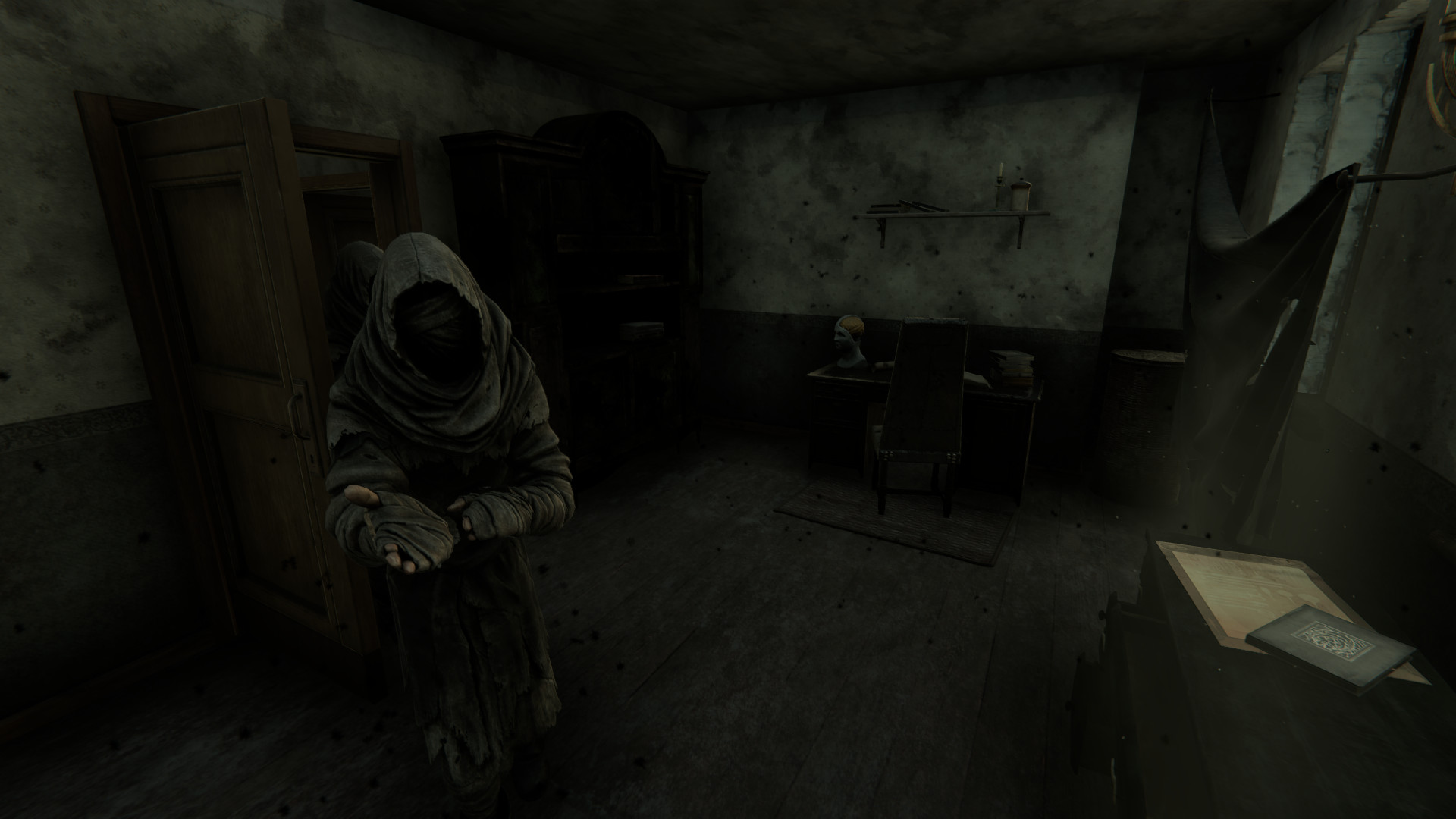
Artemy’s physical condition is tracked through health, hunger, thirst, exhaustion and infection. Food and water address different needs, rest reduces exhaustion, and injuries or illness can leave less room for mistakes. These demands keep resource gathering tied to the investigation: rummage through containers, search abandoned buildings, trade with townspeople or use money and valuables to secure essentials. Supplies are scarce enough that an item’s value depends on what Artemy can exchange for it and how far he must travel to obtain it. The player must balance immediate needs against useful objects for later, while choosing how much time to spend looking. Survival is not a separate intermission from the narrative; keeping the doctor alive is part of being able to reach patients and follow the town’s changing events.
Medicine is another part of Artemy’s role. He can examine the sick, try to ease their suffering and perform autopsies, while gathering ingredients and making treatments as the outbreak develops. Treating people asks the player to weigh their condition against limited supplies and time; a medical task competes with other urgent calls across town. The work does not turn Artemy into someone who can simply cure the epidemic on demand. The plague is presented as the principal adversary, and the official premise stresses that not everyone can be saved. That boundary gives the medical routine its tension: diagnosis and treatment can make a difference to individuals, yet the larger situation keeps worsening and leaves difficult choices unresolved.
Getting resources also involves the town’s informal economy and its social risks. Residents may exchange food or useful objects for items they value, so rummaging through a drawer can lead to a chain of trades rather than a direct purchase. Artemy may steal, beg, mug or fight for what he needs, but those options can carry consequences and cost precious time. Encounters with hostile people are brief and dangerous; a confrontation can drain health or end with someone surrendering belongings instead of dying. Combat is therefore one possible response to scarcity, not a reliable way to clear the streets. The player weighs whether an object is worth the risk, whether a detour is affordable, and how an action may affect later access to help or supplies.
The town’s mysteries extend beyond Artemy’s family. A late supply train raises questions about where food and medicine will come from, while crows gather around the cathedral and the local children invite him into a game with rules of their own. Farther out stands an immense structure whose shape seems at odds with the rest of the settlement. These details give Artemy more to investigate than the plague’s immediate spread: civic shortages, the children’s private world and the town’s steppe traditions all compete for his attention. The story rarely hands him one clean explanation after a conversation. Following any of these threads means finding the right people and places while the next day’s medical calls and survival needs continue to arrive.
- Developer
- Ice-Pick Lodge
- Genre
- First-person survival thriller / narrative RPG