
About Pacific Drive
Stranded inside the Olympic Exclusion Zone, a lone driver relies on a battered station wagon to cross anomaly-haunted forests, swamps and abandoned research sites. Each run combines route planning, scavenging and hazardous escapes with garage work: gathered materials repair the car, unlock equipment and prepare it for deeper journeys into the Zone.
Pacific Drive places its first-person driver inside the Olympic Exclusion Zone, a sealed stretch of Washington’s Olympic Peninsula transformed by secretive experiments and supernatural phenomena. The government has walled off the region, leaving abandoned roads, research facilities and communities among forests, marshes and damaged landscapes. After becoming trapped inside, the Driver finds a neglected station wagon and an old auto shop that can serve as a home base. The car is more than transport: its fuel, tires, panels, lights and other parts are vulnerable to wear and Zone hazards, while its cabin carries the tools and materials needed to keep moving. Radio conversations with the people helping from the garage frame the journey, as the Driver investigates what happened to the research organisation ARDA and searches for a way through the perimeter. The story advances through expeditions and discoveries rather than combat encounters or a conventional open-world map.
The garage sets up each expedition. Its route planner shows the connected junctions that make up the Zone, along with information about conditions, radiation, possible anomalies and available resources. The player chooses a destination and can plan through intermediate stops, weighing a useful supply opportunity against the extra distance and exposure it brings. Forest roads, muddy tracks, swamps and weather all affect how the wagon handles; standing water can slow travel, while rough surfaces and changing conditions make a direct line less straightforward. As the map expands through progress, new junctions lead farther into the peninsula and toward more dangerous areas. The planning screen also gives a reason to change equipment before departure: a route with radiation or severe weather may call for different protection, carrying capacity or power supplies than a short materials run. Every outing begins with the same practical questions—what the car needs, what the route may demand, and how much cargo space to reserve for the return trip.
On the road, the Driver alternates between driving and short trips on foot to search cabins, roadside structures, wrecks and abandoned research sites. Containers can hold useful materials, while abandoned vehicles can be stripped for parts; tools such as a crowbar help open some barriers. Scavenging matters because repairs and new equipment depend on materials brought back from the Zone. The trunk becomes a limited cargo bay, so there is a steady choice between taking another item and leaving space for what the car may need later. Some resources and data are found in more hazardous locations, which can make a detour valuable but costly. Anchors are another reason to leave the seat: these glowing artefacts supply energy used for vehicle research and for opening an exit. The car remains exposed while its driver is away, and looting can turn urgent when a storm or nearby anomaly makes the surroundings more dangerous. Returning with a useful haul is part of the expedition’s objective, not an automatic reward for reaching a destination.
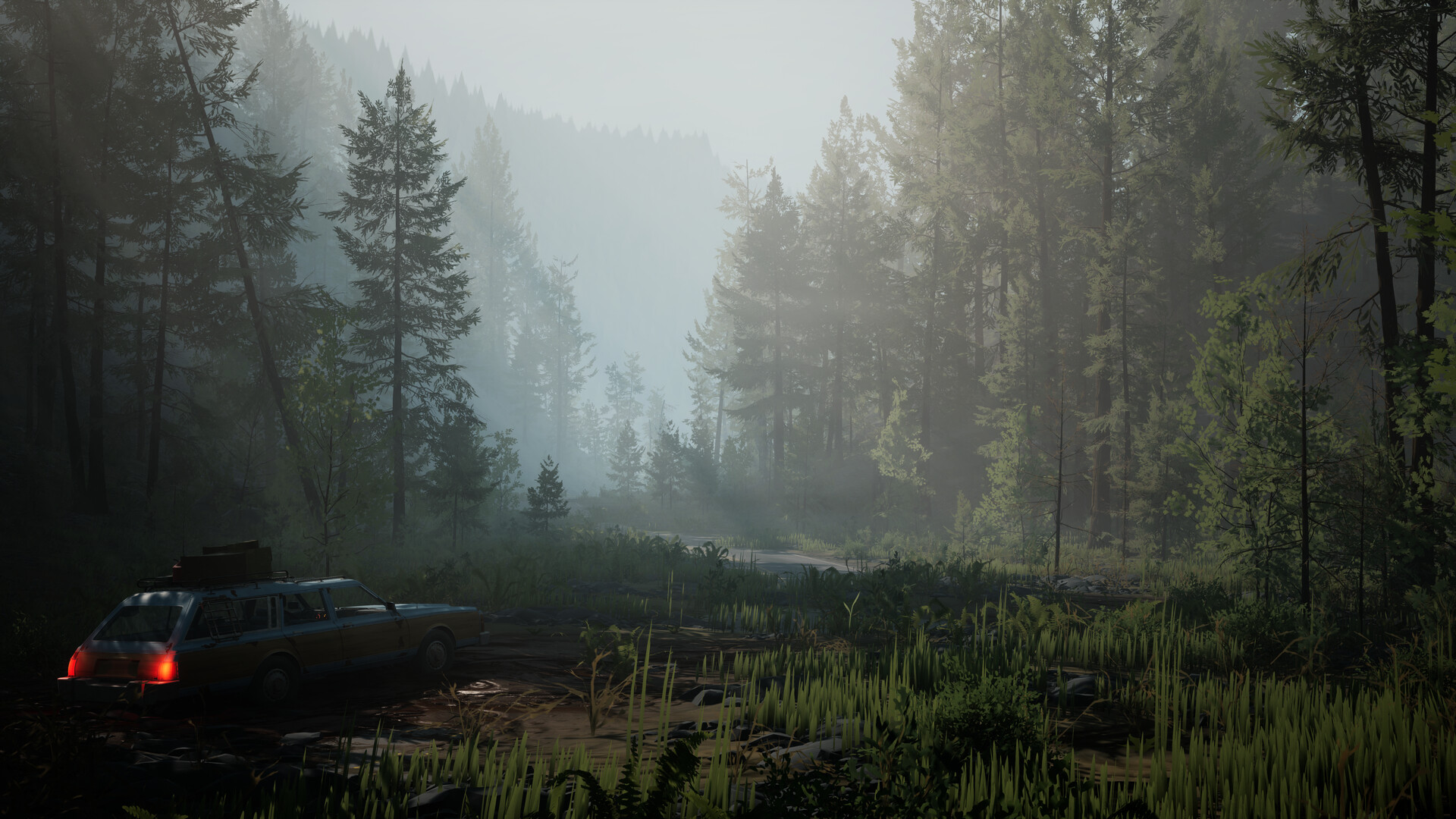
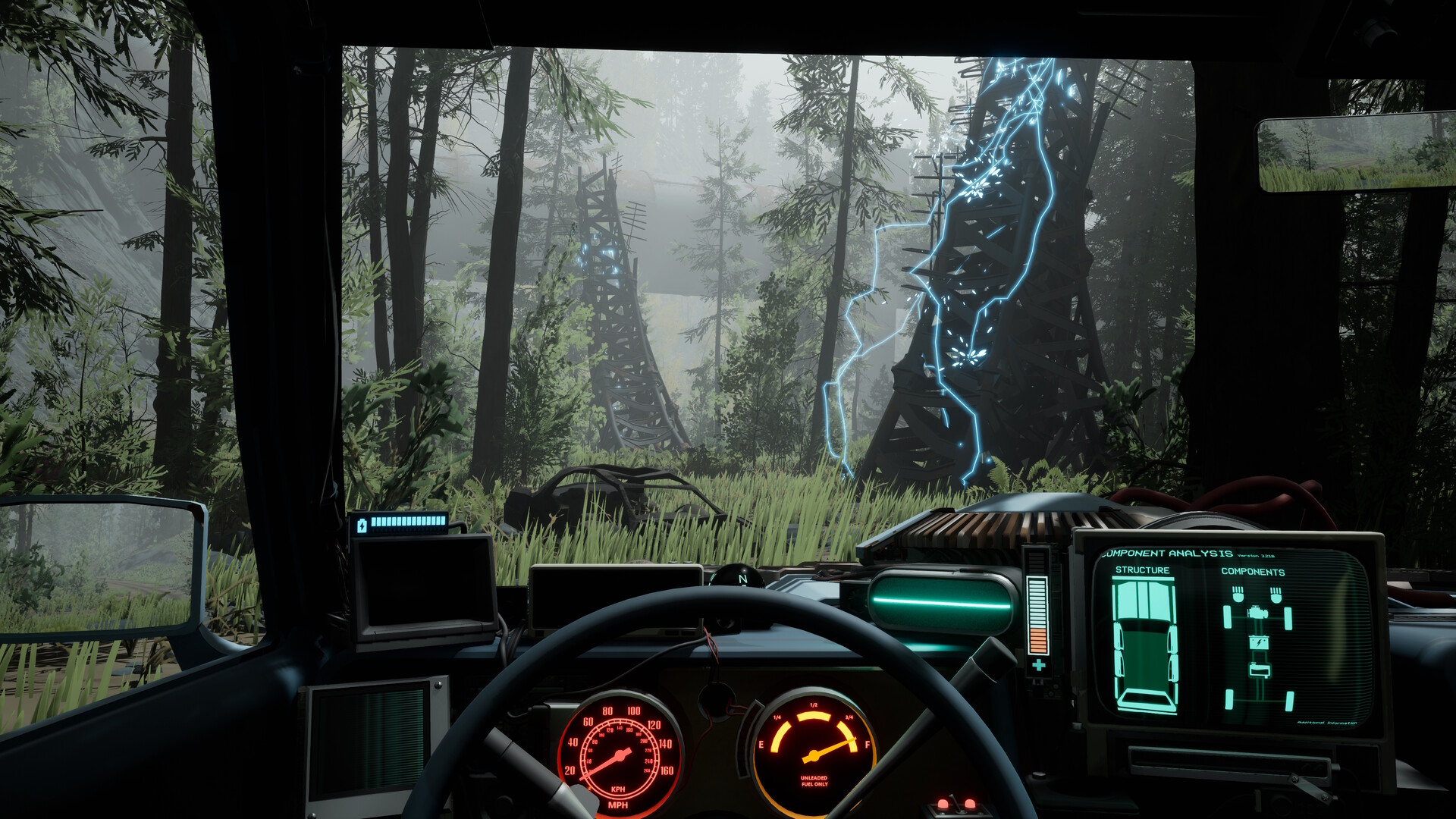
The Zone’s anomalies are environmental threats with distinct effects, so learning their signs informs how the player drives and equips the wagon. Some hazards discharge electricity or radiation; others can drag the vehicle off course, interfere with its parts, or attack it directly. Wind and rain complicate traction and visibility, while larger Zone Storms make lingering in a junction increasingly dangerous. The car can suffer specific failures rather than one abstract damage total: tires may puncture or wear down, fuel systems can leak, batteries can short, and body panels or lights can be damaged or torn away. That creates small decisions during a run. The player may stop to apply a repair item, swap a damaged part, use a car-mounted device or push onward toward an exit. When enough Anchors have been collected, the player selects a gateway and drives toward it as the storm closes in. The escape is a final hazardous leg across the junction, after which a successful crossing returns the car and its haul to the garage.
Between trips, garage work turns scavenged materials into both maintenance and longer-term capability. The player inspects individual components, patches damage, replaces worn parts, refuels and recharges the wagon. New blueprints and equipment let the car take on different jobs: protective panels help against particular hazards, while storage, fuel and energy-generating attachments change how far it can travel and what can be carried. These additions compete for mounting space, so fitting every useful device is not possible; the build reflects the route and the materials still needed. The garage also supports research and upgrades that broaden the available equipment and improve the home base. Car quirks add a separate diagnostic task: unexplained behaviour is investigated through a garage terminal that links a triggering condition to the affected component, then identifies what is needed to correct it. As a result, a successful run can mean more than returning intact; it can reveal which system failed, provide parts for a repair and unlock a better-prepared next outing.
Story progression is tied to going farther into the Zone and bringing back information as well as supplies. Research remnants and recorded details connect the present landscape to ARDA’s abandoned work, while radio exchanges from the garage give the Driver context and direction without removing the isolation of the road. Anchors provide a practical progression gate: collecting them powers the technology needed to open gateways and supports further vehicle development. Completing objectives sends the route planner toward new junctions and deeper regions, where stronger hazards and different resources raise the demands on the wagon. The player therefore advances through a cycle of investigation, extraction and preparation, with the state of the car shaping how much can be attempted next. The mystery of the Exclusion Zone remains the journey’s narrative thread, but each immediate goal is concrete: reach a site, collect what is useful, gather enough energy to leave, then return to the auto shop with the vehicle and findings intact.
- Developer
- Ironwood Studios
- Genre
- First-person driving survival adventure