
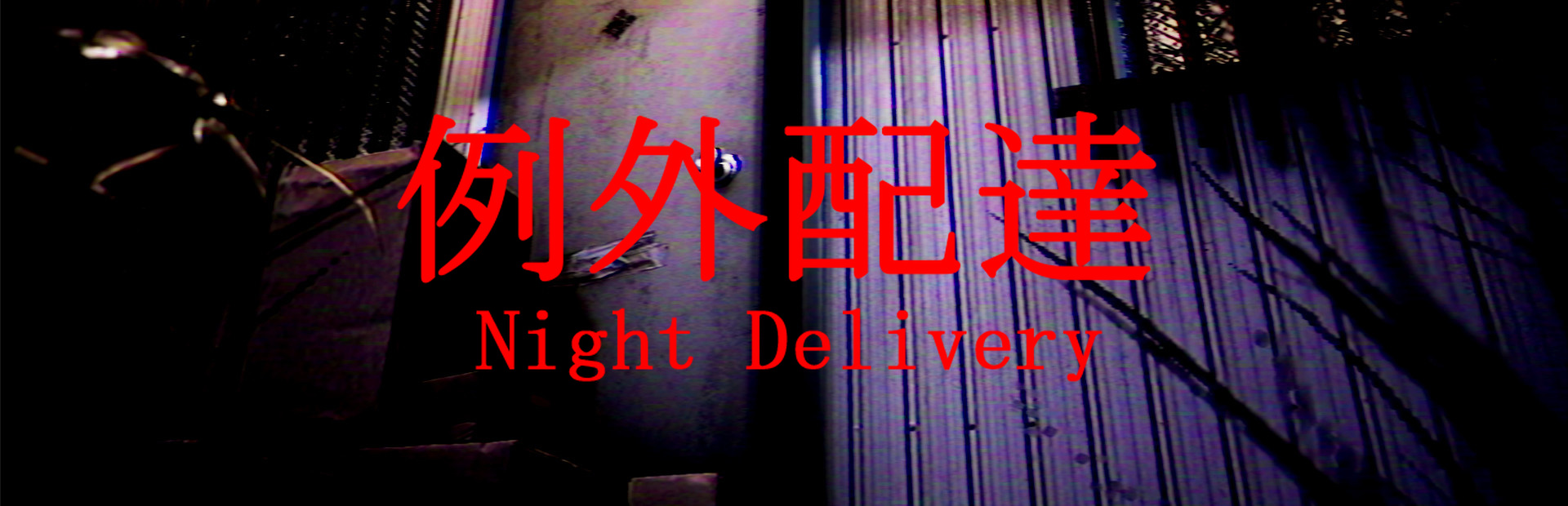
About Night Delivery
A courier reaches a Japanese apartment building after dark with parcels for residents who do not always make the handoff easy. Night Delivery is Chilla's Art's 2021 first-person horror story, built around room numbers, repeated elevator trips and encounters at closed doors. Each completed delivery makes the familiar building a less certain place to work.
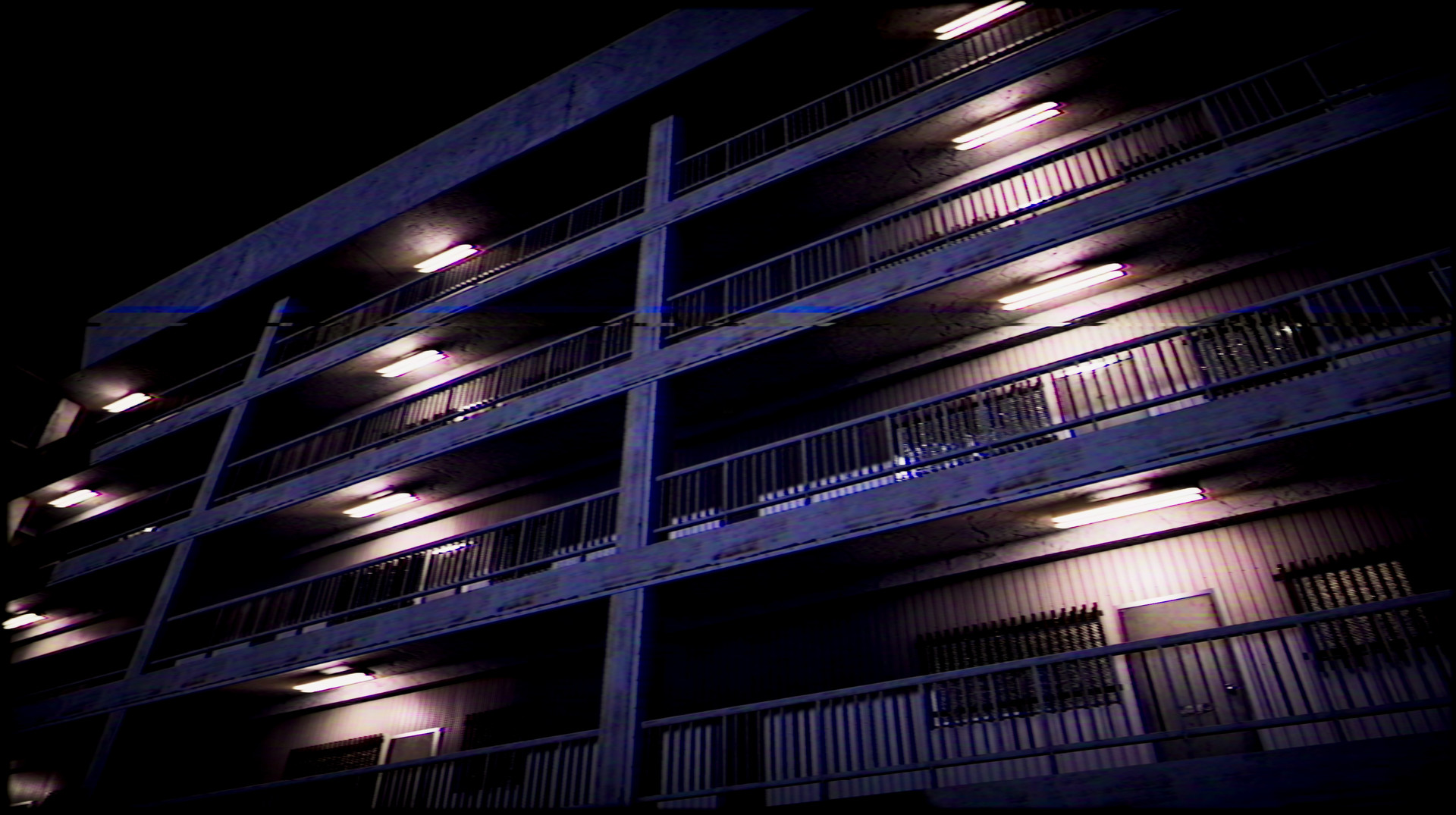
Night Delivery begins with the premise of a job that has to be finished. A courier arrives beside an apartment complex in Japan with a truck carrying parcels for its occupants. The labels give the player immediate, practical directions: locate a room, take its package there and complete the handoff. Nothing about that assignment requires a hero or investigator, which is why the setting can establish its unease so quickly. A delivery worker is expected to walk the exterior of an unfamiliar building, find a door and wait for a stranger to answer. Chilla's Art puts that ordinary exposure at the centre of the game. The apartment block is visible as a working residential place, with windows, corridors and doors that suggest daily routines continuing somewhere beyond the courier's view. Yet it is late, the surrounding area is quiet, and the worker has little choice but to approach the next address. The growing mystery emerges through this repeated professional contact rather than through an opening speech explaining the building.
The truck and the room numbers provide a simple map of the work. The player takes a parcel, identifies its destination and moves through the building to the relevant apartment. A numbered package is more useful than a glowing quest marker because it asks the player to understand the layout at a human scale. The same exterior paths and elevator are used repeatedly, and each return to the truck resets the immediate task without resetting what the player has learned about the residents. The elevator in particular becomes a familiar pause between deliveries. It is a reliable means of travel, but the enclosed ride also delays the next encounter and makes an interruption feel significant. This is not a sprawling open-world courier simulation with routes across a city, fuel management or a business to grow. The apartment complex itself is the route. Chilla's Art takes the small distances between vehicle, lift, walkway and doorstep and gives every repeated crossing the potential to be read differently. The labels also prevent the horror from turning the worker into an aimless wanderer. Even when a meeting raises a question, a destination remains printed on the next parcel. The player can decide to look for another clue while still knowing what the courier is expected to do.
A delivery ends only when it reaches somebody, and the people behind the apartment doors make the task less mechanical. Some residents are impatient or unpleasant; others behave in ways that are difficult to interpret during a brief exchange. The courier cannot know who will answer from the room number alone. Waiting outside can be uncomfortable even before the door opens, because the player is positioned in a corridor with limited knowledge of the person inside. When a handoff goes badly, the next address remains on the list. That practical continuation is important to the game's tone. A conventional haunted-house protagonist might turn away at the first alarming sign, while the courier still has parcels in the truck. The residents provide fragments of the apartment's social world through short encounters rather than a complete communal history. Their reactions also make the building feel occupied, even when its shared spaces are otherwise quiet. The difference between a rude tenant and a genuine warning is not always immediately clear.
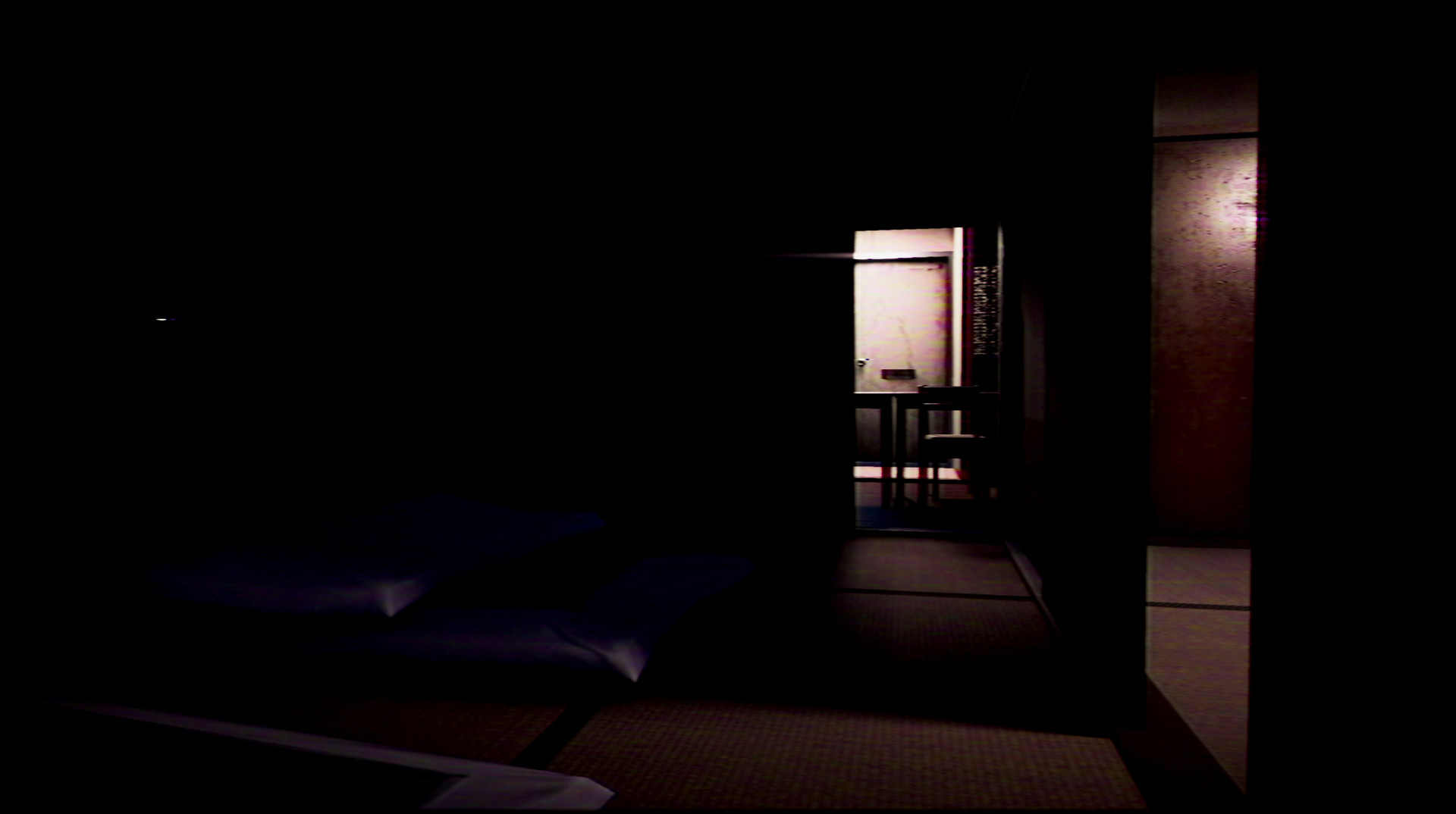
Notes and other details add another layer to what is happening in the complex. They hint at a past that the delivery route does not explain on its own, giving the player reasons to pay attention between handoffs. This information is pieced together while moving through a place whose basic plan is already becoming familiar. The player is not sent from district to district to collect a dossier; a stairwell, door or shared area can offer a detail worth remembering on the next trip. The story takes inspiration from Japanese short horror, where an apparently ordinary place may hold an event that resists an easy account. It is more productive to describe that uncertainty than to force every image into a single interpretation before the game has presented its conclusion. The courier experiences the residents as strangers encountered through work. The player may connect details across those encounters, but neither the delivery labels nor the first conversations state exactly what has happened in the building.
The first-person view keeps the player's attention on the objects and sounds near the courier. A room number must be found at a door, a parcel must be carried to the right place, and the worker must stand close enough to hear or see how a resident responds. The dark exterior walkways frame lit thresholds and windows, making the next destination visible without revealing what lies inside. Ambient sound and the small noises of doors opening can matter as much as a dramatic visual change. A slow response from an apartment makes the player wait in the corridor, while a sudden opening can break the rhythm of another routine delivery. The building's repeated geometry is useful here. Once the player knows the lift and a particular stretch of walkway, the same route can support a new kind of expectation: what ought to be at its end? A brief disturbance can have more effect after several quiet crossings than it would in an unfamiliar room visited only once.
Chilla's Art describes Night Delivery as mainly a walking-based horror adventure with two endings. Those terms help set the right expectation. The player performs a finite series of deliveries, explores the building and notices details, rather than engaging in a deep parcel-sorting simulation or developing combat skills. There is no advertised weapon progression that turns the courier into a fighter. The game's optional VHS effect adds bleeding signals, noise and jitter associated with old CRT recordings to the scene. It can be disabled without removing the building, parcels or residents, so the visual treatment should not be confused with an object that the courier can operate. With the effect on, darkness and artificial lights can make the concrete and metal of the apartment complex look even less settled. With it off, the strangeness remains in the events, their timing and the isolation of going from one closed door to another after most people have gone indoors.
This is Chilla's Art's 2021 PC game, separate from the developer's convenience-store and café stories even though all three begin with late work. Night Delivery concentrates its action in a residential building and turns the delivery list into a route through other people's private spaces. The presence of two endings indicates that the closing stretch can resolve differently, but an overview does not need to expose the precise choice or solve every note. A player looking for a long logistics game should expect something smaller and more directed. A player interested in how a repeated practical errand can gradually change its meaning will find the game's structure immediately legible: another package, another floor, another door. The courier has a task that is easy to explain, while the reasons for what happens around that task take longer to understand. Each trip back through the same apartment paths asks whether the building is still as predictable as the first delivery made it seem. The residents' behaviour helps make that uncertainty personal. The worker does not merely pass anonymous flats on a map; a destination is a household whose occupant may answer, refuse, hesitate or leave a disturbing impression. That difference gives each labelled parcel a small social risk beyond finding its room.
- Developer
- Chilla's Art
- Genre
- First-person Japanese psychological horror and walking adventure