
About The Elder Scrolls III: Morrowind Game of the Year Edition
Released from prison onto the volcanic island of Vvardenfell, a newcomer enters a province shaped by Dunmer traditions, Imperial rule, and a growing blight. Follow the main quest or pursue guild and House ambitions while developing a character through practiced skills, exploration, combat, magic, trade, and choices that change how people respond.
The Elder Scrolls III: Morrowind places the player on Vvardenfell, a volcanic island in the Dunmer province of Morrowind within the Empire. The opening establishes a modest starting point: a newly released prisoner arrives at Seyda Neen with an imperial directive to find Caius Cosades in Balmora. That assignment gradually leads toward the province’s concerns about the Sixth House, a spreading blight, and the Nerevarine prophecies. The game gives room to leave that investigation aside and follow other work, so the main story and open-ended exploration can progress together or separately. The island’s geography and politics are not interchangeable scenery. Imperial settlements, Dunmer communities, ancestral sites, temples, and volcanic landscapes each provide different people to question and different local interests to understand. The player is free to decide whether to spend an afternoon following a rumor, pursuing a faction’s request, searching a ruin, or returning to the larger question raised by Caius.
Character creation lays down the rules that make later decisions in the world tangible. The player chooses a name, race, birthsign, and class; class can be selected from a set of established archetypes, assigned through a short questionnaire, or built by choosing major and minor skills. Each class has a Combat, Magic, or Stealth specialization, which makes its related skills easier to develop. A character’s ten major and minor skills strongly influence leveling, while unused skills remain available but improve more slowly. The broad skill list supports distinct approaches: Long Blade, Spear, and Marksman cover different weapon styles; Light, Medium, and Heavy Armor reward training in their equipment; and schools such as Alteration, Destruction, Illusion, Conjuration, Mysticism, and Restoration let magic solve different problems. Security, Sneak, Speechcraft, Mercantile, Alchemy, and Enchant add further ways to handle obstacles and resources. Race and birthsign add their own abilities and attribute effects, so the same quest can be approached through a very different set of strengths.
Progression is tied to what the character successfully does. Repeated use raises skills, with training from specialists and some skill books providing other routes to improvement. Major and minor skills contribute toward character levels; after enough of them increase, the player must rest to complete the level-up and improve attributes. This gives moment-to-moment habits long-term consequences: using a favored weapon builds its proficiency, casting spells develops their schools, and relying on stealth can gradually make a sneaking character more capable. The system does not automatically make every approach equally reliable at the start. A low skill can make an attempted action difficult, while class specialization and chosen skill priorities determine what develops efficiently. Health, Magicka, Fatigue, and encumbrance all matter as the character travels and fights. Carrying too much slows movement and increases exertion, while low Fatigue makes actions such as attacks and spellcasting less likely to succeed. Rest, potions, and spells can restore resources, but time and supplies become part of preparation.
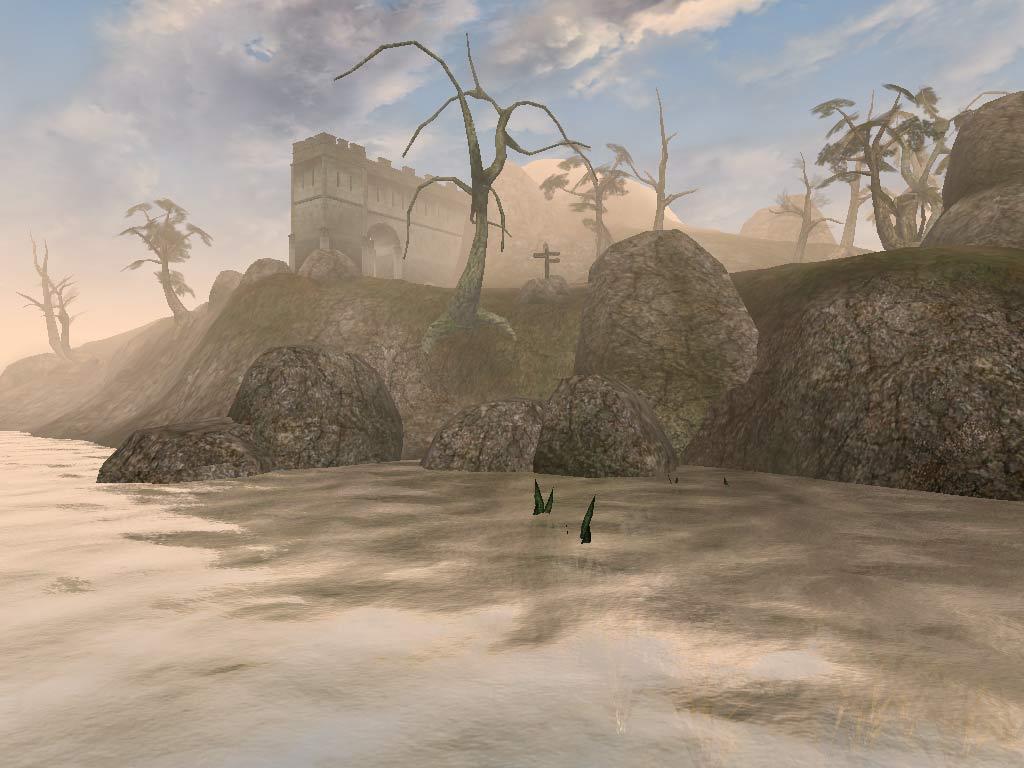
Combat is viewed directly in first person or from a third-person camera, and the player actively chooses weapons, attacks, spells, armor, and movement. A sword user, spear wielder, archer, and hand-to-hand fighter depend on different skills rather than one universal weapon rating. Weapon condition declines with use and reduces effectiveness, which makes repair services and Armorer skill useful between encounters. A shield can block melee attacks when the character has the relevant skill; armor types likewise work best when backed by their associated proficiency. Magic provides another set of tactical choices: Destruction harms or weakens, Alteration changes physical conditions such as water movement or protection, Conjuration summons weapons or servants, Illusion alters perception and behaviour, and Restoration heals or restores attributes. Spellmaking can combine effects the character knows and adjust their power, range, and duration. These systems connect the character build to exploration, since a spell or skill can open options that brute force cannot.
The province is navigated through observation and information. The local and world maps show position and nearby features, while the journal records quest events and gathered details. People share topics through dialogue, and returning to a relevant subject can reveal a lead or service. Rather than relying on a modern waypoint trail, the player often has to listen to directions, identify a named road or landmark, and use the local map to orient themselves. Town services provide practical travel between settlements, training, healing, trade, spell instruction, repairs, and enchantment. Some spells also offer movement tools: Mark establishes a location for Recall, and Divine or Almsivi Intervention transports the caster to a nearby Imperial Cult or Tribunal Temple shrine. These travel choices make learned systems part of route planning. Books can add background on Tamriel and Vvardenfell, and particular skill books provide a one-time improvement when read, so attention to the world’s texts can help both understanding and character growth.
Factions give the player work that reflects the province’s competing institutions. Guilds and organizations such as the Fighters Guild, Mages Guild, Thieves Guild, Imperial Legion, Imperial Cult, Tribunal Temple, and the native Great Houses offer quests, ranks, and services shaped by their own expectations. Advancement is connected to a character’s skills and conduct, so a faction path can reward a build that has developed relevant abilities. Relations also respond to actions: people may offer information or services more readily, become hostile, or react to crimes and theft. Speechcraft includes admiring, intimidating, or taunting; bribery and bargaining can change a conversation or a transaction, with a risk of worsening disposition when an attempt fails. Sneaking enables theft and lockpicking, but detection can bring a witness, a fight, or a report of the crime. A reported crime adds a bounty; guards can demand payment or jail, and stolen goods in the character’s possession can be seized. That legal consequence makes stealth and social preparation part of pursuing faction work or personal profit.
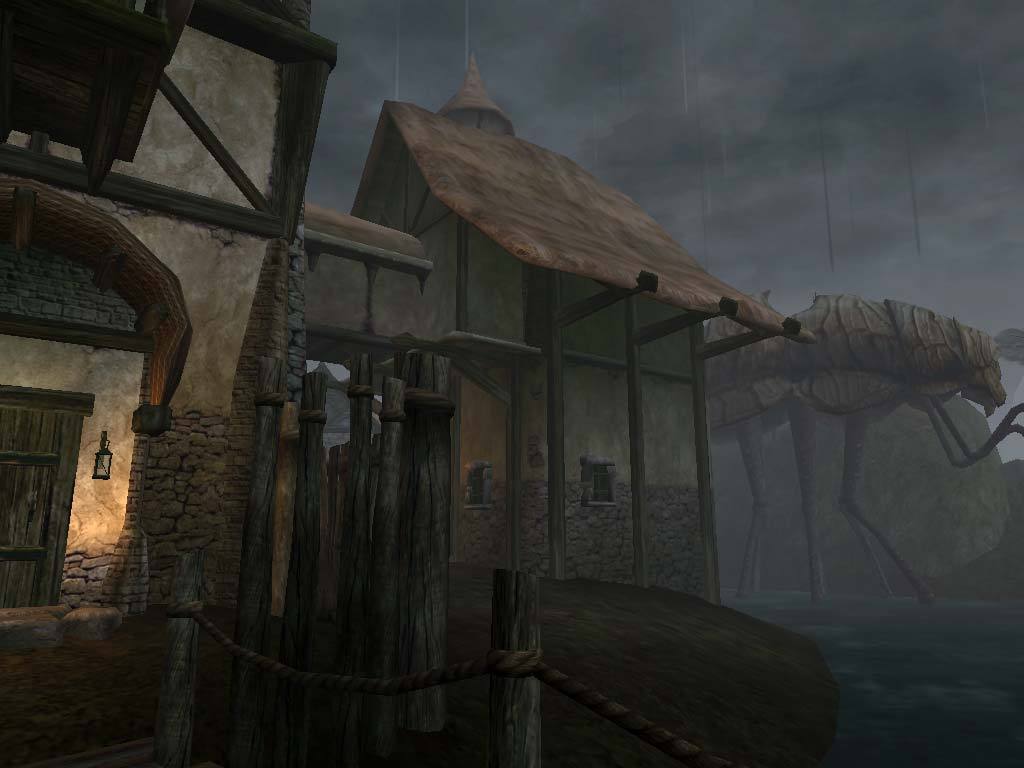
- Developer
- Bethesda Game Studios
- Genre
- open-ended single-player role-playing game