
About Monster Hunter Stories 2: Wings of Ruin
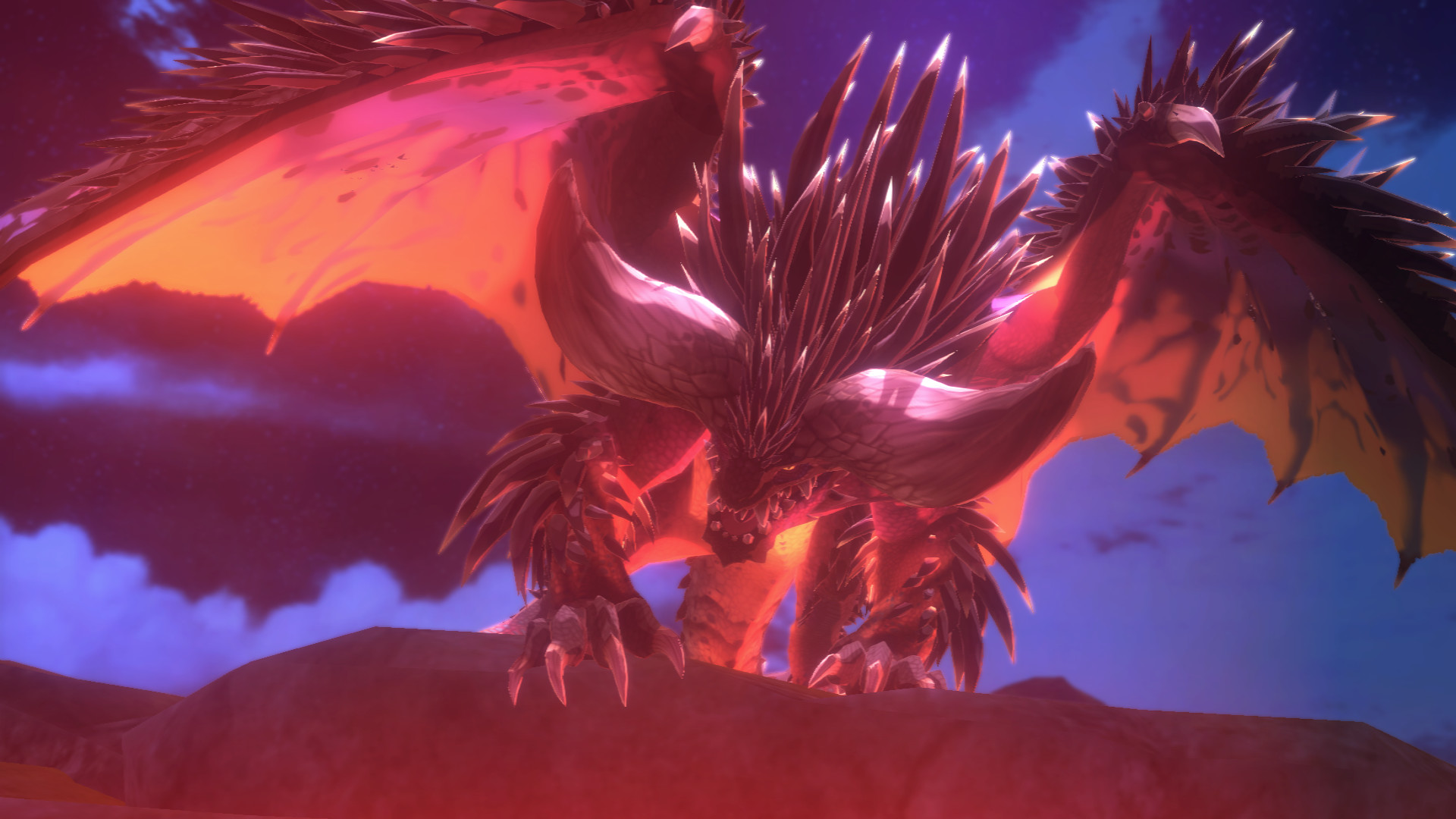
As the grandchild of the Rider Red, you set out with Ena to protect an egg entrusted to her by Guardian Ratha. Its hatchling is a Rathalos with small wings, while Rathalos are disappearing across the world. Explore the Monster Hunter setting, befriend Monsties, and use turn-based battles and inherited genes to investigate the Wings of Ruin.
Monster Hunter Stories 2: Wings of Ruin places the player in the role of a young Rider, the grandchild of Red, whose Monstie Guardian Ratha protected Hakolo Island. On the night of a festival, Rathalos begin disappearing around the world. Ena, a Wyverian girl who knew Red, arrives with an egg entrusted to her by Guardian Ratha, and the Rider leaves the island with her to keep it safe. The egg hatches into a Rathalos with unusually small wings, while environmental changes and old legends point toward a threat called the Wings of Ruin. Navirou, a Felyne who travels with the group, joins the journey as they meet people with different views of Riders and the monsters they bond with. The story follows the growing party across regions as it investigates the Rathalos disappearances and the hatchling’s place in them.
Riders build relationships with monsters called Monsties, which become travelling partners and battle allies. Eggs are found in Monster Dens scattered through the field; inside a den, the Rider searches a nest, chooses an egg and carries it back to the exit. Egg patterns indicate the monster genus, and hatching at the Stables adds a new Monstie to the collection. A den visit therefore links exploration to party growth: the egg taken home can provide a different companion and new skills for later encounters. Monsties also help traverse the landscape. The lead Monstie can be changed from the camp menu, and its Riding Actions vary by species. Some can detect nearby items or roar to briefly halt monsters, while location-specific actions such as jumping across a gap or breaking cracked rock reveal routes that are inaccessible on foot.
Battles are turn-based, with the Rider choosing a move and target before the party acts in speed order. Regular attacks use a three-way type relationship: Power defeats Technical, Technical defeats Speed, and Speed defeats Power. When the Rider or Monstie faces an enemy directly, winning the Head-to-Head avoids the disadvantage of losing that matchup. If the Rider and Monstie attack the same target with a matching type that beats the enemy’s choice, they perform a Double Attack and build the Kinship Gauge. That gauge supports powerful skills, including a mounted Kinship Skill when full. Enemies also have breakable parts with different physical and elemental weaknesses, so targeting a part with a suitable weapon can deal more damage and may knock the monster down. Choosing targets and attack types gives each turn both an immediate damage decision and a way to build toward a stronger action.
The Rider’s equipment offers several ways to respond to monster physiology. Six weapon classes are available: great sword, sword and shield, hammer, hunting horn, bow and gunlance. Each deals slashing, blunt or piercing damage. The hammer is suited to breaking parts, the hunting horn brings skills that support allies, the bow can improve its chance of inflicting an abnormal status, and gunlance shells and skills depend on its ammunition. Armour adds defensive values and passive skills. Materials and funds gathered on the journey can be taken to a Smithy to forge or upgrade weapons and armour, letting the Rider adjust the set of equipment to an upcoming challenge. In combination with elemental resistance, attack type and weapon skills, equipment choices shape how the human character contributes beside the Monstie rather than leaving all battle decisions to the companion.
A Monstie’s genes provide another layer of party development. At the Stables, the Rite of Channeling transfers a gene from one Monstie to another; the donor disappears, while the recipient can gain a new skill or strengthen an existing one. Each gene has an attack type and elemental affiliation, and a Monstie has a grid of slots that can be filled or unlocked as it develops. Aligning three genes of the same element or attack type creates a Bingo Bonus that raises the matching power. The system makes egg collection relevant beyond adding species to the roster: genes from different Monsties can be arranged to complement the abilities of a preferred companion. Because each transfer consumes its donor, building a useful layout involves choosing which inherited ability to keep and where it fits, rather than simply accumulating every Monstie without making party decisions.
The journey is structured around story quests, field travel and stops at settlements where the party can prepare. Subquests add objectives and rewards alongside the main route, while battles and quests provide experience for the Rider and Monsties. At a headquarters, the Smithy handles equipment, the Stables manage the Monstie party, and other facilities support preparations for the next stretch. Monstie Expeditions become available later: up to six Monsties not currently in the party can be sent to a chosen field with selected instructions. Their destination and orders affect the expedition length and items returned; matching the field’s recommended elements improves the chance of success. This gives reserve companions a role between battles, as they can gather materials and experience while the active party continues the story. Exploration, combat and management feed into one another through eggs, materials, equipment and experience.
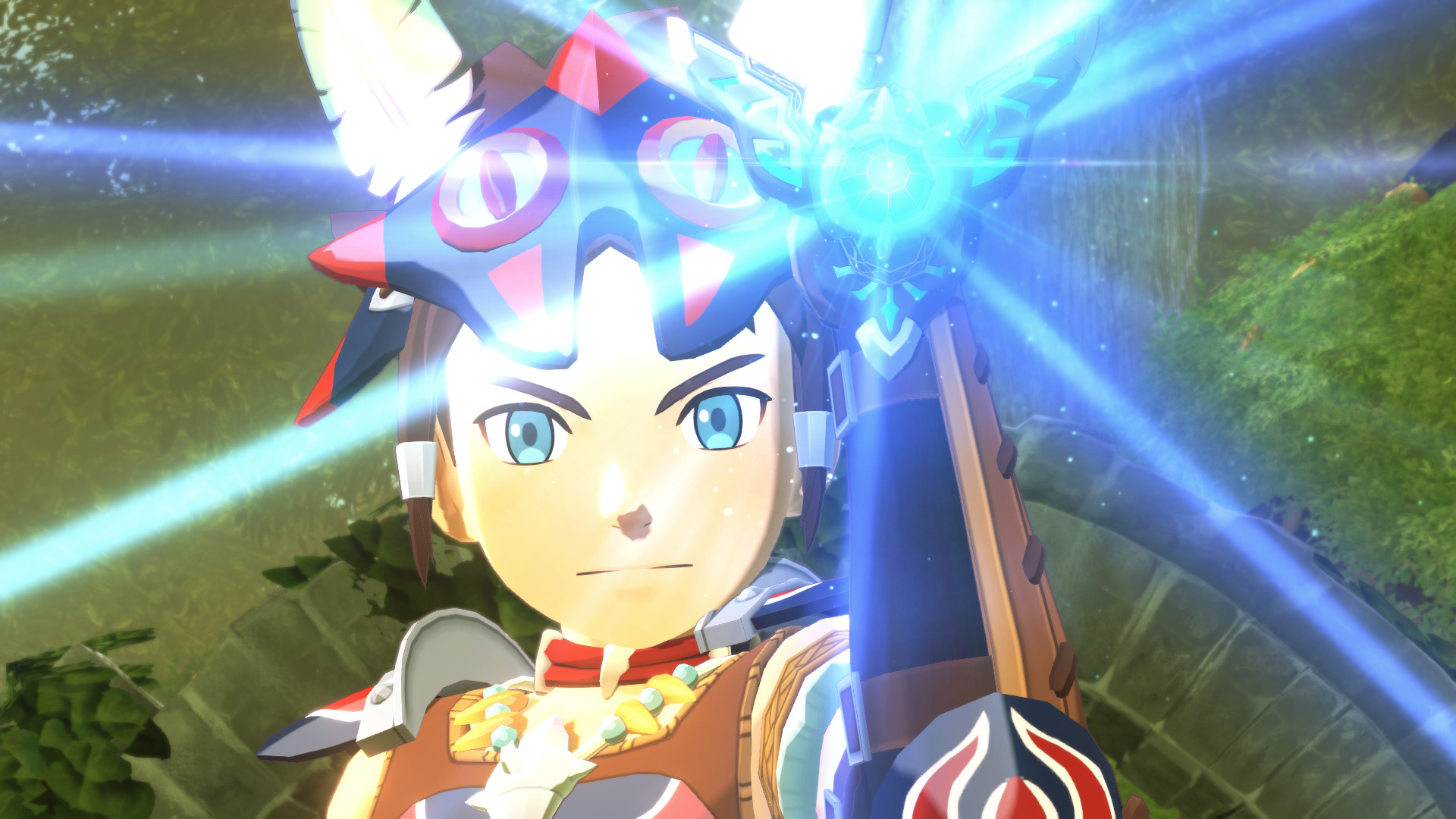
The game also supports cooperative quests and competitive battles through its multiplayer features. In a cooperative quest, two Riders can take their parties into an expedition together, bringing their own Monsties and working through encounters as a team. The solo story also introduces Rider Battle Buddies who fight alongside the player, each with a dedicated Monstie and their own Kinship Gauge. A Battle Buddy can take part in Head-to-Heads and Double Attacks, adding another source of support during encounters without giving the player direct orders over that partner’s Monstie. These options expand the party beyond the Rider and their chosen companions: the campaign uses story characters as allies, while multiplayer lets another player join specific activities. The central loop remains the same across those settings—travel with Monsties, prepare their abilities and equipment, and use turn-based decisions to overcome the monsters blocking the route.
- Developer
- CAPCOM Co., Ltd.
- Genre
- Turn-based RPG; adventure